The Reality Check Every New Gardener Needs
Gardening content tends to show lush raised beds and abundant harvests - less often the weeds, the mystery wilting, or the zucchini that appeared from nowhere and then promptly rotted. First-season gardens are genuinely unpredictable, and that's not a sign you're doing it wrong.
The most useful mindset shift is treating your first year as a learning season rather than a production season. You're gathering data about your specific yard: where sunlight actually lands, how your soil drains after rain, which spots stay wet longest. That knowledge is more valuable than any harvest, and you only get it by growing.
Treat Year One as a Data-Gathering Season
Keep a simple notebook or phone note with observations: which plants thrived, which spots got afternoon shade, how often you actually watered. Even rough notes from a first season will make your second season noticeably more successful. You're building a picture of your specific yard, not following a generic garden plan.
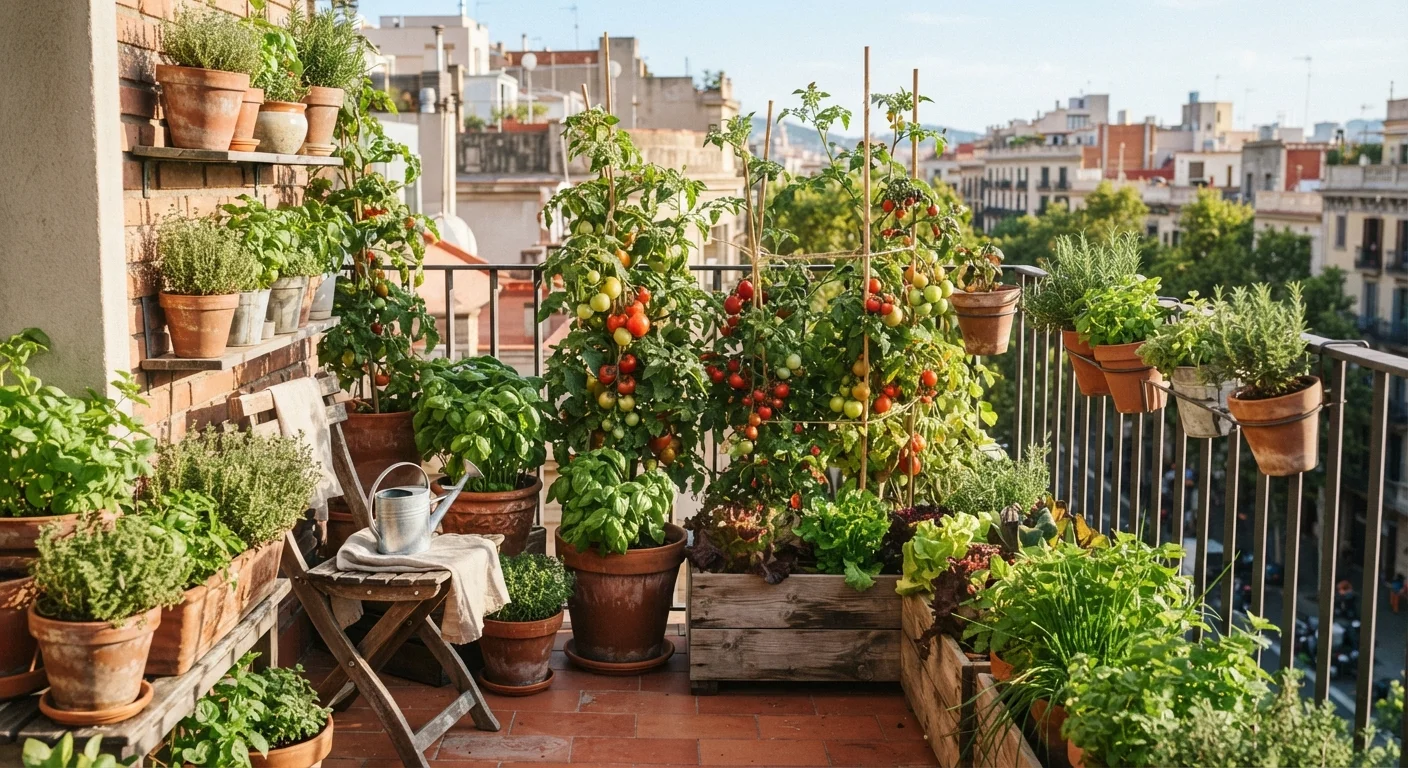
If you're short on outdoor space, know that a full in-ground garden isn't your only option. Our guide to container gardening on a balcony or patio covers how to grow meaningful crops in pots - a great parallel path for renters or those with limited yard access.
Choosing and Sizing Your First Plot
Most beginners overestimate how much space they need and underestimate how much time even a small garden demands. A 4×8 foot bed - roughly the size of a sheet of plywood - is a practical starting point. It gives you room to grow several different crops without becoming a weekend-consuming project.
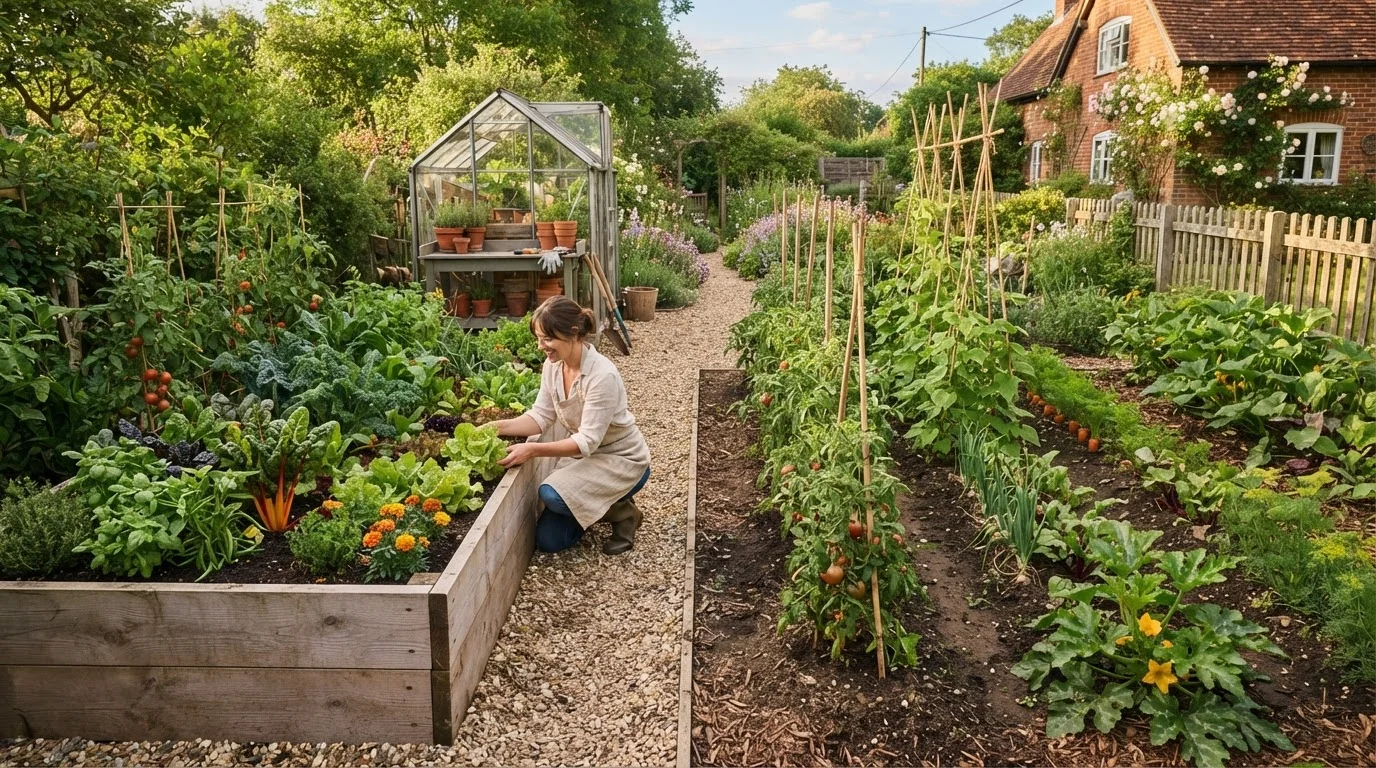
Sunlight is non-negotiable. Most vegetables need at least six hours of direct sun daily. Walk your yard at different times of day and note where shade falls - a promising-looking corner can turn out to be far shadier than it appears. If you're weighing whether to go with a raised bed or plant directly in the ground, our comparison of raised beds vs. in-ground planting breaks down the real trade-offs in drainage, cost, and maintenance.
Frost date
The average calendar date of the last expected frost in spring or first expected frost in fall for your region. Used to time planting so seedlings aren't killed by cold.
pH
A measure of how acidic or alkaline your soil is, on a scale of 1-14. Most vegetables grow best in slightly acidic to neutral soil, roughly pH 6.0-7.0.
Compost
Decomposed organic material - food scraps, leaves, plant waste - that improves soil structure, adds nutrients, and supports beneficial soil microbes.
Transplant
A seedling that has been started in a tray or pot and then moved into the garden, rather than sown directly as a seed in the ground.
Microclimate
The specific temperature, wind, moisture, and sun conditions in a small area of your yard that may differ noticeably from the general regional climate.
Mulch
A layer of material - straw, wood chips, shredded leaves - spread over soil to retain moisture, moderate temperature, and suppress weed growth.
Soil: The Part Most Beginners Skip
Plants eat through their roots, not their leaves. If the soil is compacted, nutrient-poor, or has the wrong pH, even healthy-looking seedlings will stall. This is the step most first-time gardeners underinvest in - and often the reason their gardens underperform.
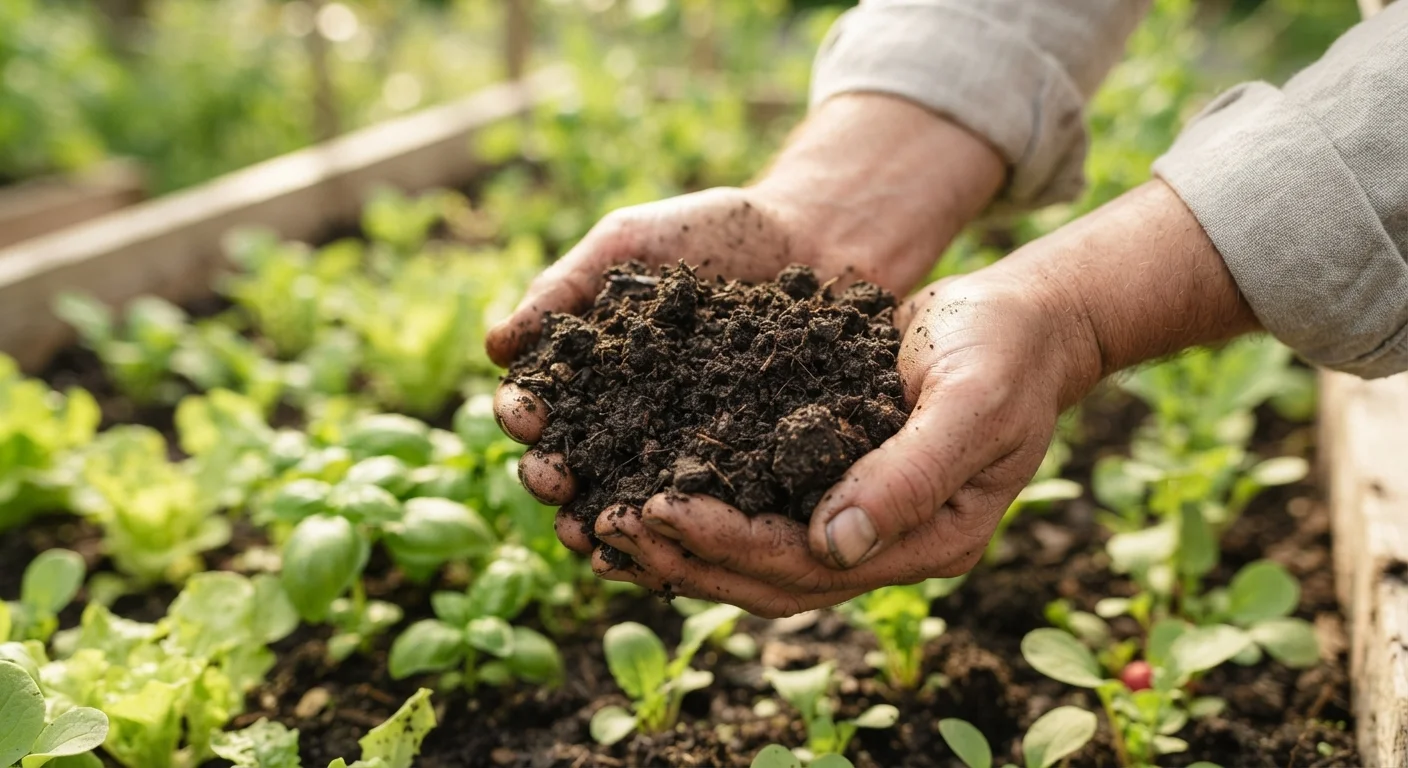
Before planting, loosen your soil to at least 12 inches deep, remove rocks and large debris, and work in several inches of compost. A basic soil test (often available through your local cooperative extension service) will tell you whether your pH needs adjusting and what nutrients may be lacking. For a deeper understanding of what makes soil actually work, see our article on soil health and its role in garden success. If you want to start generating your own amendment material, our guide to composting kitchen scraps at home walks you through the full process.
What to Plant - and What to Hold Off On
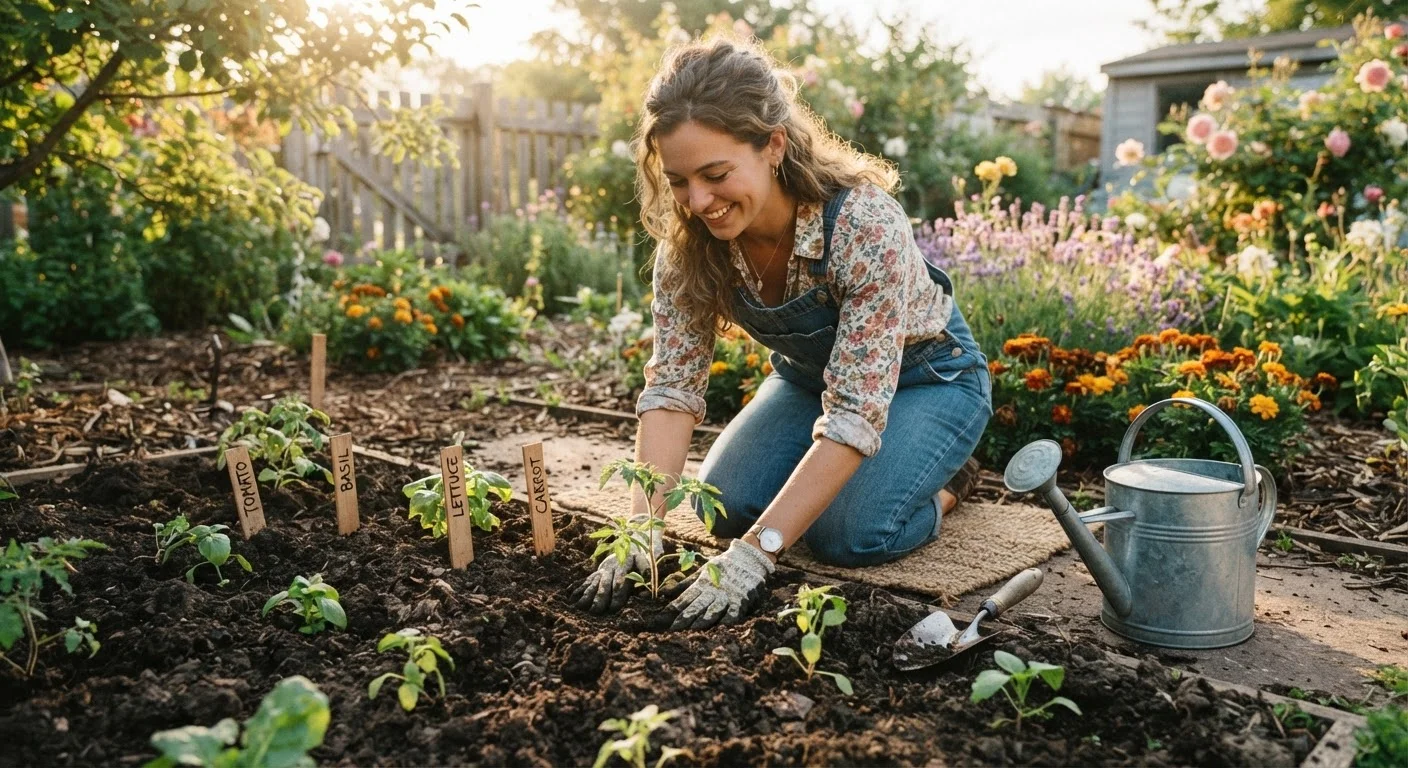
Matching plants to your skill level makes a measurable difference in first-season results. Lettuce, radishes, green beans, and cherry tomatoes are forgiving choices that grow quickly and respond well to basic care. Crops like melons, corn, and artichokes are better suited to a second or third season once you understand your microclimate.
Pay attention to the difference between annuals - plants that complete their life cycle in one season - and perennials, which return year after year. Mixing both into your plan builds a garden that matures and diversifies over time. Our article on annual vs. perennial plants explains how to combine them effectively.
If you're starting from seed, germination failures are common and almost always preventable. The guide to why seeds fail to germinate covers the most common causes - depth, moisture, and temperature - and how to correct each one.
Don't Overplant Your First Season
It's tempting to fill every inch of available space, but overcrowded plants compete for light, water, and airflow - which increases disease risk and reduces yields. Follow spacing guidelines on seed packets or plant tags. A less crowded bed with healthy plants outperforms a packed one with struggling ones every time.
Watering, Weeding, and Staying Consistent
Inconsistent watering is responsible for more first-season disappointments than pests, disease, or poor soil combined. The goal is steady, deep moisture rather than frequent shallow sprinkles. Most vegetable gardens need around one inch of water per week. Check soil moisture a few inches below the surface before watering - surface dryness can be misleading.
Mulching around plants (with straw, shredded leaves, or wood chips) reduces how often you need to water by slowing evaporation and suppressing weeds at the same time. Weeds compete directly with your plants for water and nutrients, so removing them while they're small is far easier than wrestling with established ones later. Ten minutes every few days beats an hour-long session once a month.
Setting Realistic Expectations for Season One
You will lose some plants. Pests will find your garden. Something will go wrong with a crop you were most excited about. This is universal - experienced gardeners deal with the same surprises, they've just stopped being surprised by them.
What season one is really for is observation. Take notes: what germinated quickly, what struggled, where drainage was poor, which areas stayed moist longest. That record is your most useful tool heading into year two. Many gardeners also find that rotating what they grow in each spot year to year reduces disease buildup and keeps soil balanced - our piece on crop rotation for vegetable gardens explains the reasoning behind this practice clearly.
The gardeners who thrive long-term aren't those who had a perfect first season - they're the ones who stayed curious about what went wrong and came back the following spring.
Local Resources Make a Real Difference
Your local cooperative extension service - typically run through a state university - offers free or low-cost soil testing, region-specific planting calendars, and guidance tailored to your climate. These resources are often overlooked by new gardeners but are among the most practical available. Search for your state's cooperative extension program online to find what's available in your county.