What Is Breath-Work and Why Is It Getting Attention?
Breath-work refers to intentional, controlled breathing practices performed to influence physical or mental states. Techniques range from slow diaphragmatic breathing to structured patterns such as box breathing, 4-7-8 breathing, and cyclic sighing. Unlike medication or complex therapies, these methods cost nothing, require no equipment, and can be practiced almost anywhere.
| Techniques studied | Diaphragmatic breathing, box breathing, 4-7-8, cyclic sighing, slow-paced breathing |
| Session length in most studies | 5-20 minutes per day (Cell Reports Medicine, 2023) |
| Evidence strength for stress reduction | Moderate - consistent across multiple short-term studies |
| Evidence strength for long-term outcomes | Limited - more longitudinal research needed |
| Cost and equipment | Free; no equipment required |
| Special populations needing caution | Cardiovascular conditions, respiratory illness, panic disorder, pregnancy |
Scientific interest in breath-work has grown substantially over the past two decades, driven partly by research into the autonomic nervous system - the body's largely automatic control network that governs heart rate, digestion, and stress responses. Because breathing is one of the few autonomic functions we can consciously control, researchers hypothesize it may serve as a practical lever for influencing broader physiological states.
If you're interested in how small, consistent practices like this can become automatic over time, see our guide to the science of habit formation.
What Current Research Actually Supports
Several well-designed studies support specific, modest benefits of regular breath-work practice. Here is an honest summary of where the evidence is strongest:
- Acute stress reduction: Slow-paced breathing - typically around five to six breath cycles per minute - has been consistently associated with reduced self-reported anxiety and measurable decreases in heart rate in laboratory settings. A 2023 study published in Cell Reports Medicine found that cyclic sighing performed for five minutes daily produced meaningful reductions in anxiety and improved mood over a four-week period.
- Heart rate variability (HRV): Multiple studies link slow, rhythmic breathing to short-term improvements in HRV, a marker associated with cardiovascular and autonomic health. Whether this translates to long-term cardiovascular benefit requires more longitudinal research.
- Sleep onset: Preliminary findings suggest slow breathing exercises before bed may reduce the time it takes to fall asleep, though study designs vary considerably. For a broader look at sleep habits with genuine research support, our sleep hygiene overview is a useful companion.
- Blood pressure: Device-guided slow breathing is recognized by some clinical guidelines as a potential adjunct - not replacement - for managing mild hypertension. Always consult a healthcare provider before using it as part of any treatment approach.
Research Quality Varies Widely
Many breath-work studies are small, short-term, and lack rigorous control conditions - meaning effect sizes and mechanisms are still being clarified. Findings from laboratory settings do not always translate directly to everyday life outcomes. Treating current evidence as promising but preliminary is the most accurate position.
What Remains Uncertain or Overstated
Enthusiasm in wellness media often outpaces the evidence. Several frequently repeated claims about breath-work deserve more caution:
Diaphragmatic breathing
A breathing technique that engages the diaphragm - the large dome-shaped muscle beneath the lungs - rather than the chest. It typically produces slower, deeper breaths and is associated with parasympathetic nervous system activation.
Heart rate variability (HRV)
The variation in time between consecutive heartbeats. Higher HRV is generally associated with greater autonomic flexibility and cardiovascular health, though it is an indirect and context-dependent marker.
Autonomic nervous system
The part of the nervous system that regulates involuntary body functions including heart rate, digestion, and the stress response. It has two main branches: the sympathetic (often called 'fight or flight') and parasympathetic ('rest and digest').
Cyclic sighing
A breath-work pattern involving a double inhale through the nose followed by a long, extended exhale through the mouth. It has been studied for its acute effects on mood and anxiety in recent clinical research.
Box breathing
A structured technique involving equal counts for inhaling, holding, exhaling, and holding again - commonly four seconds each. It is used in stress management and has been adopted in some clinical and military contexts.
- Long-term structural brain changes: Some popular accounts suggest breathwork physically rewires the brain. Neuroimaging studies are small, short-term, and often lack control groups adequate to isolate breathing from meditation, relaxation posture, or expectation effects.
- Hyperventilation-based techniques: Practices involving rapid, forceful breathing have been promoted for immune function, energy, and mood. Evidence is preliminary and largely based on small, unblinded studies. These techniques can cause dizziness, tingling, or fainting and are not appropriate for everyone.
- Replacing clinical treatment: There is no robust evidence that breath-work alone effectively treats clinical anxiety disorders, depression, PTSD, or other diagnosed mental health conditions as a standalone intervention. It may complement professional care, but it is not a substitute.
- Universal effectiveness: Individual responses vary considerably. Some people find breath-work calming; others find sustained focus on breathing produces increased anxiety. This is normal and does not indicate the practice was done incorrectly.
Breath-work sits within a broader landscape of stress-relief strategies. For a balanced comparison with exercise, rest, and other approaches, see a look at trade-offs across common stress-relief methods.
How to Build a Sustainable Breath-Work Practice
If you want to explore breath-work as a daily habit, starting simply and consistently is more valuable than pursuing complex techniques. A few evidence-informed starting points:
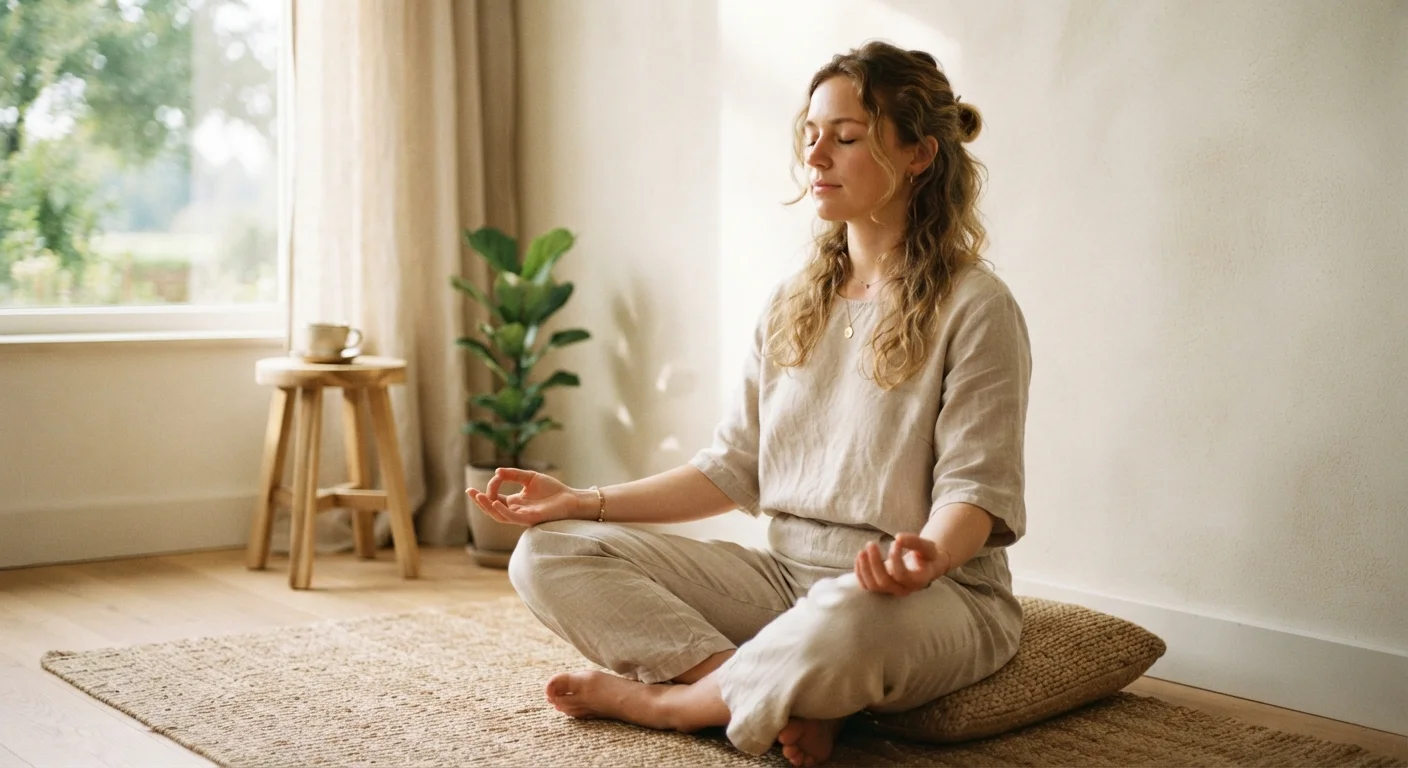
- Begin with slow breathing: Aim for roughly five to six breaths per minute - inhale for about four to five seconds, exhale for four to five seconds. Even five minutes per day has been associated with measurable benefits in short-term studies.
- Anchor it to an existing routine: Pairing breath-work with a daily cue - such as waking up, a lunch break, or pre-sleep wind-down - increases the likelihood it becomes habitual.
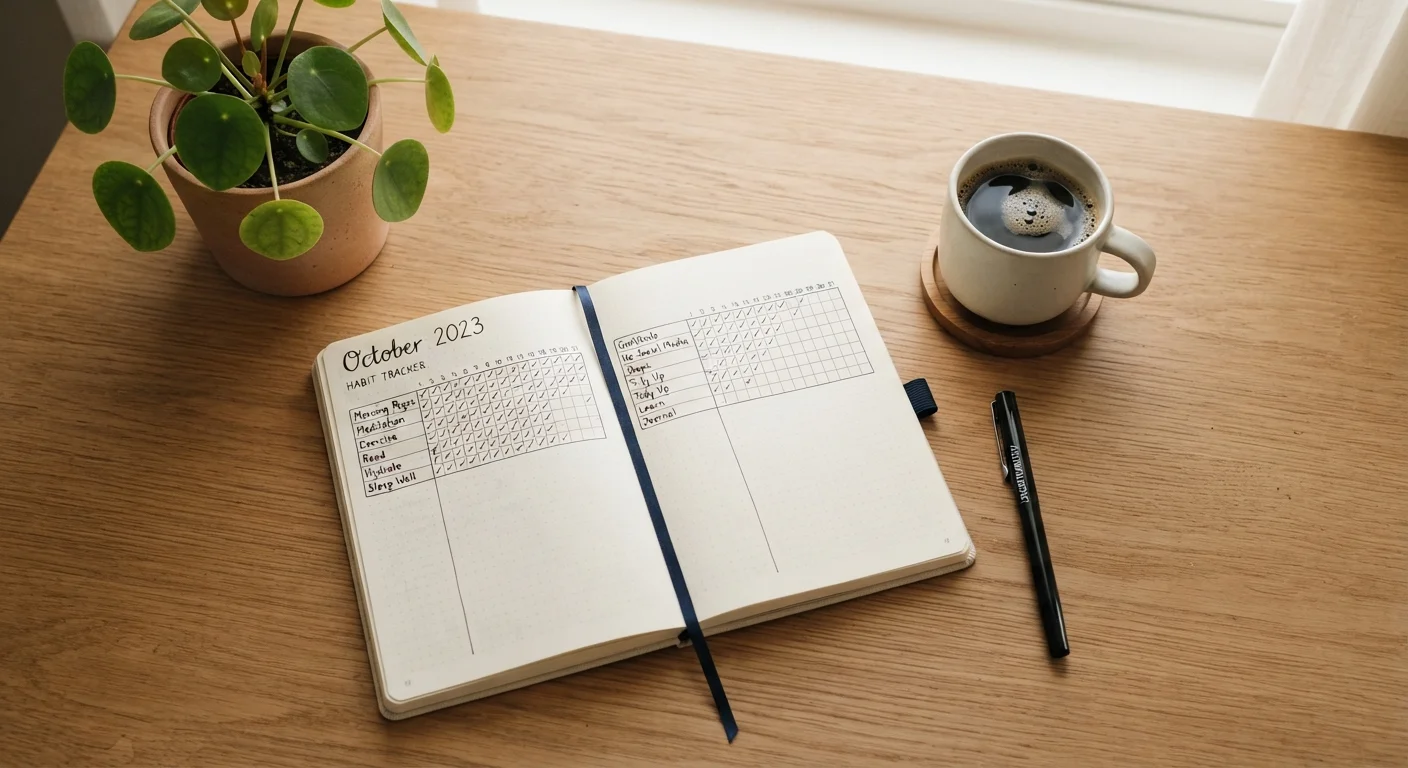
- Track your experience, not just adherence: Note how you feel before and after sessions. Personalizing based on what you notice is more practical than chasing a prescribed technique.
- Keep expectations realistic: Breath-work is a low-cost, low-risk complement to broader healthy habits, not a standalone solution. Pairing it with other small daily self-care practices tends to be more effective than any single strategy alone.
If you have a cardiovascular condition, respiratory illness, history of panic disorder, or are pregnant, speak with a qualified healthcare professional before beginning any structured breath-work program.
5 min/day
Minimum daily practice in anxiety-reduction trials
A 2023 study in Cell Reports Medicine found measurable mood improvements from just five minutes of daily cyclic sighing over four weeks.
~6 breaths/min
Optimal pace for HRV improvement in studies
Research consistently links slow breathing around five to six cycles per minute with short-term improvements in heart rate variability.
This article is for general informational and educational purposes only and is not a substitute for professional medical advice, diagnosis, or treatment. Always consult a qualified healthcare provider with questions about your health or before starting any new wellness practice.