Why the Distinction Matters
Walk through most hardware stores and you'll find caulk and weatherstripping shelved near each other, often in the same aisle. They share a common goal - keeping unwanted air, water, and pests out of your home - but they are not interchangeable. Applying caulk where weatherstripping belongs, or vice versa, leads to premature failure at best and moisture damage at worst.
The core principle is simple: caulk is for stationary gaps; weatherstripping is for moving ones. When you understand this distinction, diagnosing which product belongs where becomes intuitive rather than a guessing game. This matters not just for comfort - sealing gaps correctly is one of the more effective ways to reduce drafts and moisture infiltration in an existing home.
For a broader view of how small overlooked details can become expensive problems, see our guide to early warning signs of hidden damage.
| Criterion | Caulking | Weatherstripping |
|---|---|---|
| Best application | Stationary gaps and joints | Moving parts - doors, operable windows |
| Flexibility after curing | Semi-rigid; bonds to surfaces | Compresses and rebounds repeatedly |
| Common materials | Silicone, latex, polyurethane | Foam tape, V-strip, rubber bulb, felt |
| Typical lifespan | 5-10+ years with proper prep | 1-5 years depending on material and use |
| Water resistance | High (especially silicone-based) | Moderate; not designed for wet sealing |
| DIY difficulty | Low to moderate; requires clean prep | Low; often peel-and-stick or screw-on |
| Tools needed | Caulk gun, utility knife, tape | Scissors or tin snips, possibly a screwdriver |
When to Use Caulk
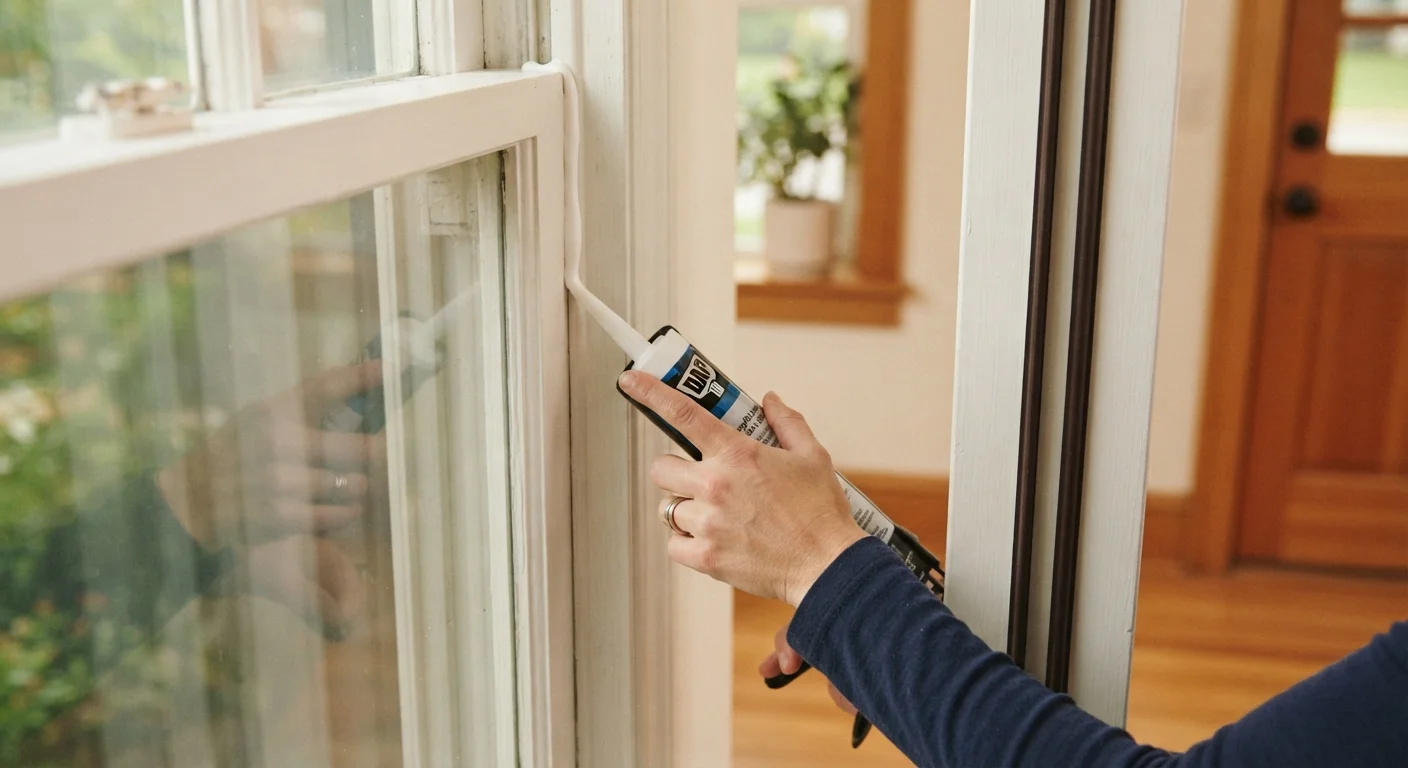
Caulk is a flexible sealant - usually silicone, latex, or a blend - that fills narrow gaps between two surfaces that don't move relative to each other. Once cured, it forms a semi-rigid bead that bonds to both surfaces and resists air and moisture infiltration.
Ideal caulking locations:
- Around window frames where the casing meets the interior wall
- Along baseboards where they meet the floor or wall
- Around door casings on the interior side
- Exterior gaps where siding meets trim or a window frame meets the wall sheathing
- Around pipes, wires, and vents that penetrate walls
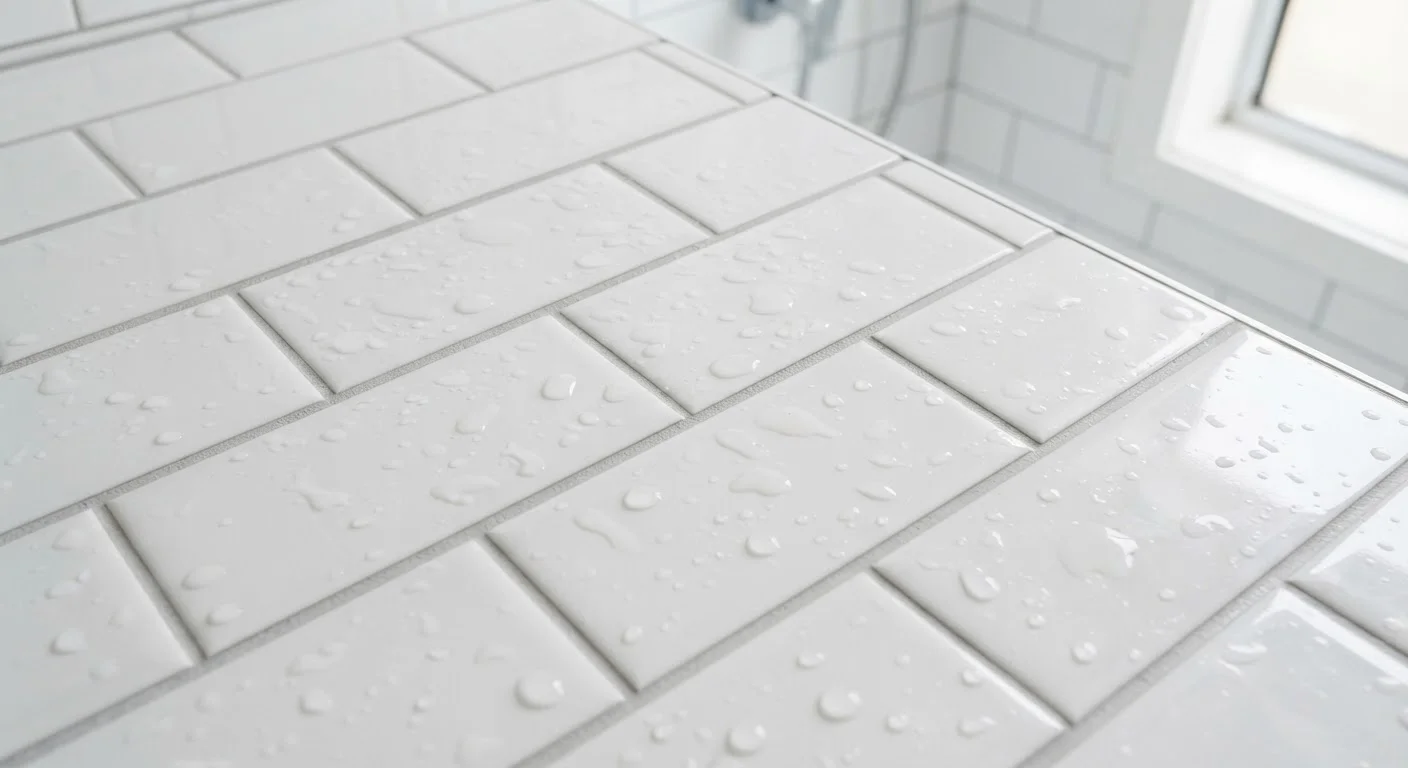
For wet areas like bathrooms and kitchens, a silicone-based caulk is preferable because it resists mold and holds up to repeated moisture exposure. If you're working on painted surfaces that you plan to repaint, a paintable latex or siliconized latex caulk is easier to work with. Our article on bathroom sealants and tile maintenance covers moisture-specific sealing in more detail.
A key rule: caulk any gap that is roughly ¼ inch or smaller. Larger voids need a backer rod (a foam rope pressed into the gap) before caulking to prevent the bead from sinking and failing.
25-30%
Of home heating/cooling lost through gaps and cracks
The U.S. Department of Energy estimates that air leaks through gaps, cracks, and openings can account for roughly 25-30% of a home's heating and cooling energy use.
$0.25-$0.50
Typical cost per linear foot of caulk bead
Caulking is among the most cost-effective home sealing methods, with materials widely available at a low per-foot cost for most standard applications.
When to Use Weatherstripping
Weatherstripping is designed for joints that open and close repeatedly. It compresses when the door or window is shut, creating a seal, then bounces back when opened. Because it must survive thousands of compression cycles, it's made from resilient materials - foam tape, rubber, silicone bulb, felt, or metal V-strip (also called tension seal).
Ideal weatherstripping locations:
- The perimeter of exterior door frames - top and sides (the stop area where the door presses closed)
- The door bottom, using a door sweep attached to the door's lower edge
- Operable windows - double-hung, casement, or sliding - along the rails and stiles that contact each other when closed
- Attic hatch or basement door edges where significant air exchange occurs
Different materials suit different situations. Foam tape is inexpensive and easy to apply but compresses permanently over time and typically needs replacing every one to three years. V-strip (metal or plastic) is more durable and works well in the channels of double-hung windows. Rubber or silicone bulb strips offer excellent compression resilience for frequently used exterior doors.
If you're not sure whether a gap is better handled as a DIY project or warrants a professional, our DIY vs. hiring a tradesperson guide offers a useful framework.
Don't Caulk a Weep Hole
Many exterior window frames include small openings at the bottom called weep holes - they allow water that enters the frame cavity to drain out rather than pool and rot the frame. These should never be caulked shut. If you're sealing the exterior perimeter of a window, work along the sides and top but leave the bottom weep holes clear. When in doubt, check the window manufacturer's guidance before sealing any exterior frame joint.
Putting It All Together: A Practical Room-by-Room Approach
Most homes need both caulk and weatherstripping, applied strategically. A useful approach is to do a seasonal walkthrough - especially before winter - and address each gap type methodically.
Front and back exterior doors:
Apply weatherstripping to the door stop (the three sides of the frame the door presses against). Add a door sweep to the bottom. Then caulk the exterior door casing where it meets the siding - that joint is stationary and benefits from a waterproof bead.
Windows:
Caulk the interior and exterior frame-to-wall joints. For operable sashes, use V-strip or foam weatherstripping along the contact rails. A window that is permanently painted shut can simply be caulked all around.
Basement and utility penetrations:
Pipes, cables, and vents passing through walls are stationary and should be caulked - or for large gaps, packed with fire-rated foam sealant where required by local building codes. Always verify local code requirements before sealing mechanical penetrations, particularly in fire-rated assemblies.
Thinking ahead to seasonal changes is worthwhile. Extreme temperature swings can cause materials to contract and expand, stressing both caulk joints and weatherstripping over time. For a fuller picture of weatherproofing your home before harsh seasons, see our guide to preparing your home for extreme weather.