The Core Question: Risk vs. Reward
Every home repair decision comes down to two factors: what could go wrong and what it takes to do it right. A patchy paint job is easy to redo. A miswired outlet can start a fire. That's not meant to alarm you - it's meant to give you a reliable mental model before you open a toolbox or dial a contractor.
Start by asking four questions:
- Does this task require a permit or licensed professional under local building codes?
- Could a mistake create a safety hazard - fire, flooding, structural failure, or personal injury?
- Do I have the tools and experience to do this correctly on the first attempt?
- If I get it wrong, what does fixing the mistake cost?
If you answered "yes" to the first two questions for any task, stop there: hire a professional. The remaining questions help you evaluate everything in between. For a broader look at which tasks are worth staying ahead of, see our seasonal home maintenance guide.
When DIY Makes Sense
A wide range of home maintenance tasks are genuinely appropriate for a capable, attentive homeowner. These share a few common traits: they're reversible, cosmetic, low-voltage or non-electrical, and don't require specialized licensing.
| Task Type | DIY | Hire a Tradesperson | |
|---|---|---|---|
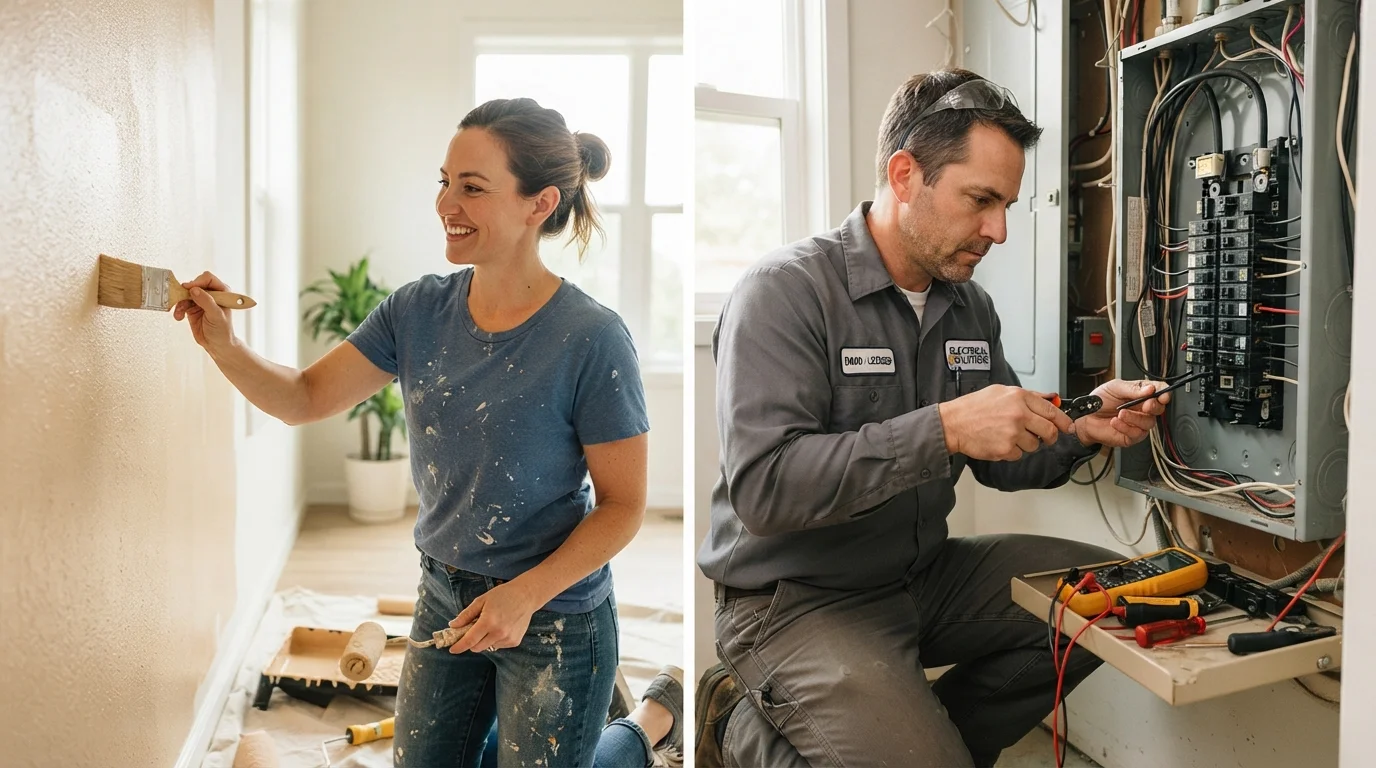
| Interior painting | Interior painting | Strongly suitable | Rarely necessary |
| Electrical panel / wiring | Electrical panel / wiring | Not appropriate | Always required |
| Caulking & weatherstripping | Caulking & weatherstripping | Strongly suitable | Rarely necessary |
| Gas line work | Gas line work | Never appropriate | Always required |
| Tile installation | Tile installation | Suitable with experience | Advisable for large areas |
| Load-bearing wall removal | Load-bearing wall removal | Not appropriate | Always required |
| Faucet / toilet replacement | Faucet / toilet replacement | Suitable with research | Needed if complications arise |
| Roof replacement | Roof replacement | Not recommended | Strongly advisable |
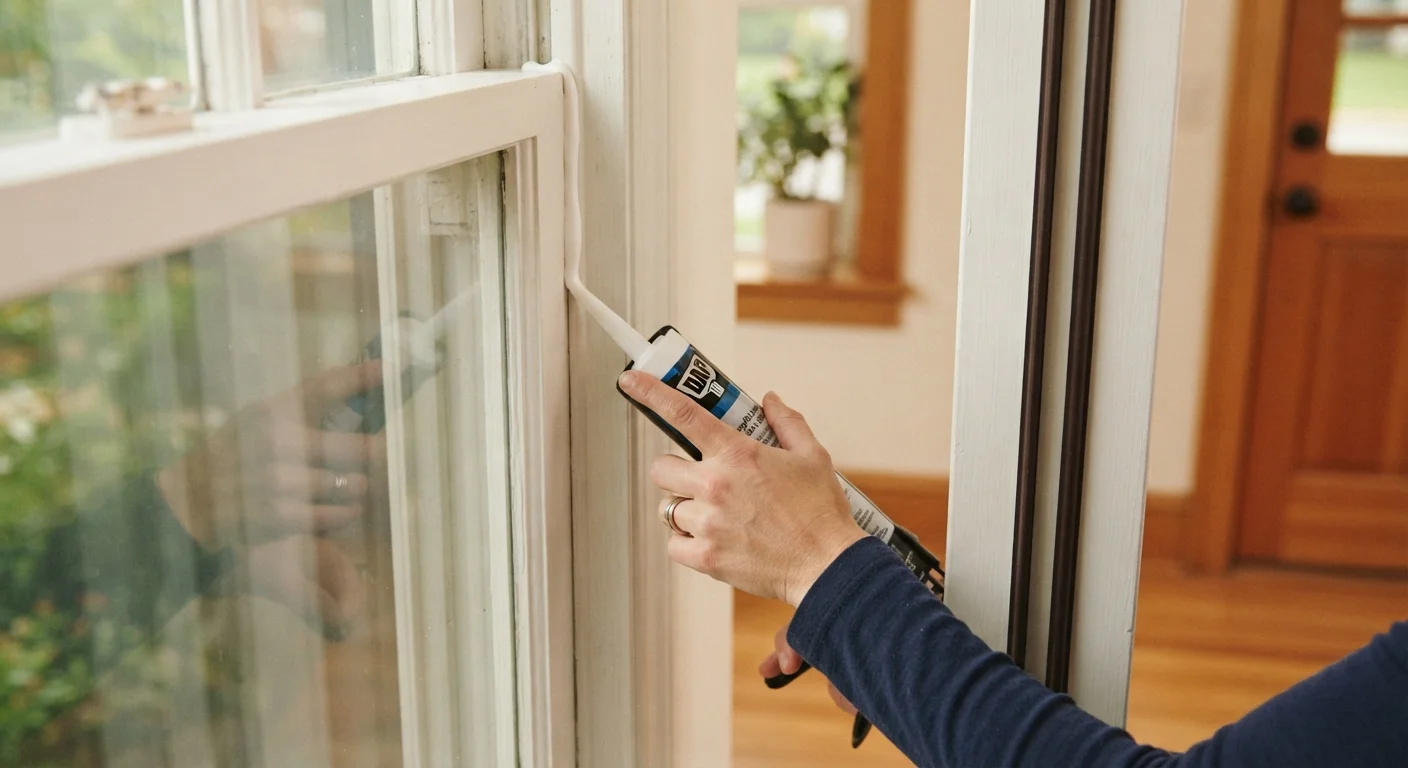
Strong DIY candidates include painting interior walls, replacing door hardware, patching small drywall holes, caulking around tubs and windows (see our guide to caulking vs. weatherstripping for the right approach), cleaning gutters, swapping out light fixtures on a circuit you've confirmed is off, and basic landscaping.
DIY also makes financial sense when the skill involved is learnable in a short time, free instructional resources are solid, and the cost of materials is a fraction of a service call. Just be honest about your baseline - overconfidence is the leading cause of DIY gone wrong.
Start Small to Build Confidence
If you're new to home repair, begin with genuinely low-stakes tasks - painting a single room, replacing a showerhead, or patching a nail hole. Each success builds the practical skill and situational awareness that helps you evaluate harder jobs more accurately. Document what you learn; notes on your own home's quirks become genuinely useful over time.
When to Hire a Tradesperson - Without Hesitation
Some categories of work are non-negotiable. In most US jurisdictions, the following require a licensed professional and, often, a permit:
- Electrical panel work, new circuit installation, or anything beyond replacing a switch or outlet on a dead circuit
- Gas line installation, repair, or appliance connection
- Structural changes - removing or modifying walls (especially load-bearing ones), adding rooms, or altering your home's framing
- Main plumbing connections - tying into supply lines, drain stacks, or sewer connections
- Roofing replacement in most localities
- HVAC installation or refrigerant handling, which requires EPA certification
Skipping permits isn't just a technicality. Unpermitted work can void your homeowner's insurance, complicate a future sale, and in the worst cases, put your household at genuine risk. Our article on the real cost of skipping routine maintenance explains how deferred or improperly handled work compounds over time.
Permits Protect More Than You Think
Many homeowners skip permits to save time or money, not realizing the downstream consequences. Unpermitted work can void your homeowner's insurance claim if damage occurs, trigger required remediation when you sell, and create liability if the work injures someone. Always verify local permit requirements with your municipality before starting any significant project.
The Gray Zone: Tasks That Depend on Your Skill Level
Between obvious DIY and obvious professional territory sits a meaningful gray zone: tile installation, basic deck building, toilet replacement, faucet swaps, and minor drainage work. These can be done by a skilled homeowner - but they can also go badly if done without adequate preparation.
For gray-zone tasks, consider a middle path: consult a professional before you start. A one-hour paid consultation with a plumber or contractor can clarify scope, flag hidden complications, and confirm whether your approach is sound. That conversation often costs far less than fixing a first attempt that missed something important.
Learning to read the early warning signs of underlying damage is also critical before starting any repair. Our guide to reading your home's hidden warning signs helps you identify when a surface issue may have a deeper cause that changes the scope entirely.
Making the Final Call
Once you've run through the risk checklist, weigh the true all-in cost of DIY - not just materials, but your time, the cost of renting tools you don't own, and a realistic estimate of what a mistake would cost to correct. Compare that against quotes from two or three licensed tradespeople. The gap is often smaller than homeowners expect, particularly for skilled trades.
Budgeting plays a real role here too. If funds are tight, prioritize professional help for safety-critical systems and defer cosmetic work until you can handle it yourself. For guidance on managing home costs against your overall finances, the budgeting basics hub and saving and debt resources are worth a look.
~35%
DIY projects that require professional correction
Industry estimates suggest roughly one in three DIY home repairs is eventually redone by a professional, often at higher cost than the original job.
$150-$300
Typical permit fee for common home projects
The cost of a permit is usually modest compared to fines or remediation costs for unpermitted work discovered during sale or inspection.
The goal isn't to do everything yourself - it's to do the right things yourself, and to bring in expert help when the stakes demand it.