What Each Filter Actually Does
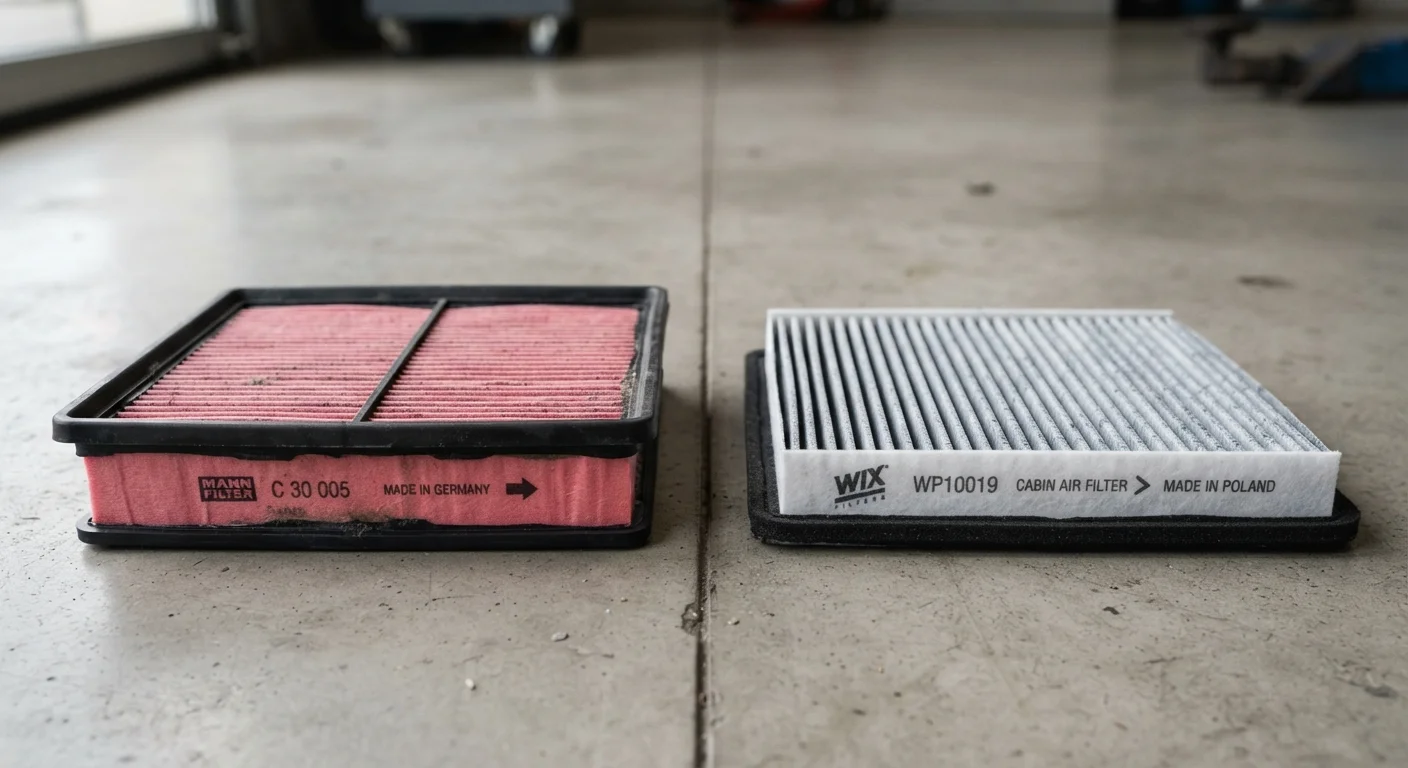
Your vehicle relies on two completely separate filtration systems, and confusing them is one of the most common mistakes everyday drivers make. They look similar and both use pleated filter media, but they operate in entirely different parts of the car with entirely different goals.
The engine air filter sits in the airbox under the hood and filters the air entering your engine's intake system. Every internal combustion engine needs a precise mixture of air and fuel to combust properly. That intake air travels through dusty roads, polluted highways, and debris-filled environments. Without a filter, abrasive particles - dirt, sand, insects - would enter the engine cylinders and cause accelerated wear on pistons, cylinder walls, and other precision components.
The cabin air filter is positioned within the HVAC (heating, ventilation, and air conditioning) system - typically behind the glove box or under the dashboard - and it filters the air that flows into the passenger compartment. It captures pollen, dust, mold spores, exhaust particles, and sometimes odors before they reach you and your passengers. It plays no role in engine function whatsoever.
| Criterion | Engine Air Filter | Cabin Air Filter |
|---|---|---|
| Primary function | Filters air entering the engine | Filters air entering the cabin |
| Location | Under the hood, in the airbox | Behind glove box or under dash |
| Protects against | Dirt, debris, engine wear | Pollen, dust, exhaust particles |
| Impact if neglected | Reduced power, poor fuel economy | Weak airflow, poor cabin air quality |
| Typical replacement interval | 15,000-30,000 miles | 15,000-25,000 miles |
| DIY difficulty | Low - usually tool-free | Very low - often tool-free |
Signs Each Filter Needs Replacing
Both filters give you warning signs when they're overdue - you just need to know what to look for.
Engine Air Filter Warning Signs
- Reduced fuel economy: A restricted air supply forces the engine to work harder and burn more fuel to maintain output.
- Sluggish acceleration: Less airflow means the combustion cycle is compromised, reducing available power.
- Rough idle or misfires: A severely clogged filter can disrupt the air-fuel ratio enough to cause noticeable engine roughness.
- Visible contamination: A healthy filter is light gray or white. A filter that's dark brown, black, or visibly packed with debris needs replacement.
Cabin Air Filter Warning Signs
- Weak HVAC airflow: If your vents don't push air the way they used to, a clogged cabin filter is a likely culprit.
- Persistent musty odors: Mold and bacteria can accumulate on a saturated filter and circulate odors through the cabin.
- Increased dust on surfaces: A degraded filter allows more particulates through, leaving visible deposits on dashboards and seats.
- Allergy symptoms worsening in the car: If pollen season hits hard inside your vehicle, the cabin filter may be past its useful life.
Check Your Owner's Manual First
Replacement intervals vary considerably between vehicle makes and models. Your owner's manual provides the manufacturer-recommended schedule, which accounts for your specific engine design and HVAC system. When in doubt, a visual inspection at each oil change is a practical habit that catches deterioration early regardless of mileage.
Replacement Intervals and What's at Stake
Most manufacturers recommend replacing both filters roughly every 15,000 to 30,000 miles, but your actual driving conditions matter significantly. Check your owner's manual for the interval specific to your vehicle - it's the most reliable reference point.
10%
Potential fuel economy loss from a clogged engine air filter
The U.S. Department of Energy has noted that a severely restricted air filter can reduce fuel economy on older carbureted vehicles; modern fuel-injected engines see more impact on performance than MPG, though efficiency losses remain a documented concern.
2x
Faster filter degradation in high-dust environments
Drivers in rural, arid, or heavily trafficked areas may need to inspect and replace both filters up to twice as frequently as those in moderate urban or suburban conditions.
Drivers in dusty rural environments, construction zones, or heavily congested urban areas should inspect both filters more frequently - potentially twice as often as the standard interval. Likewise, if you park under trees or drive through high-pollen regions, your cabin filter may reach capacity well before the mileage marker.
The consequences of neglect differ by filter. A long-overdue engine air filter can contribute to real mechanical wear over time and measurably reduces fuel efficiency - costs that add up across thousands of miles. A neglected cabin filter won't damage the engine, but it will degrade your HVAC system's performance and continuously circulate poor-quality air through the cabin, which matters especially for children, elderly passengers, or anyone with respiratory conditions.
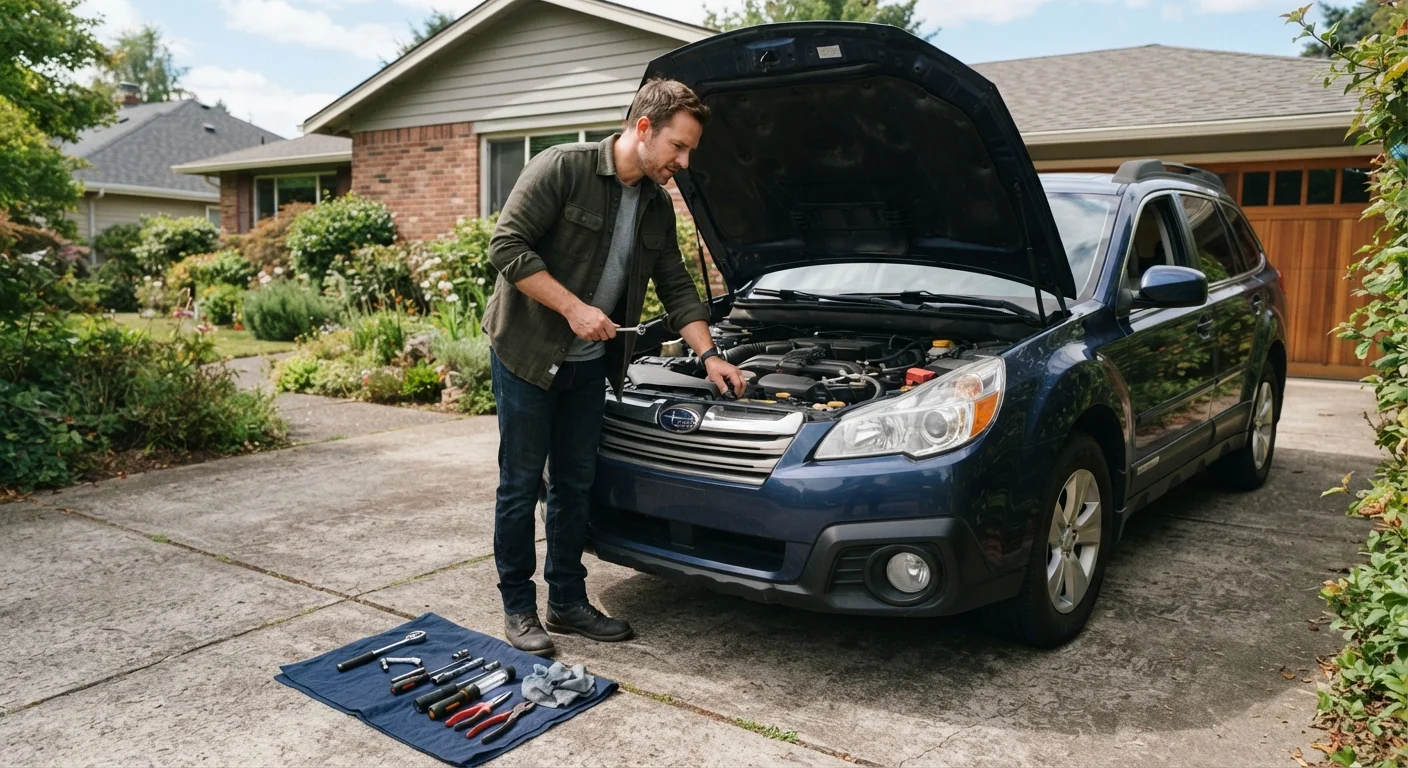
Both replacements are among the more accessible DIY maintenance tasks - many cabin filters require no tools at all, and engine air filter access is typically straightforward. That said, if you're uncertain about locating or correctly reseating either filter, a qualified mechanic can handle it quickly during a routine service visit.