How a Car Battery Actually Works
The standard 12-volt lead-acid battery found in most passenger vehicles does two primary jobs: it supplies a large burst of power to start the engine, and it stabilises the electrical system while the alternator charges it back up during driving. Think of it as a short-term reservoir, not a long-term fuel tank.
Inside the battery, lead plates suspended in a sulfuric acid solution create a chemical reaction that converts stored chemical energy into electrical current. Each discharge and recharge cycle causes minor degradation of those plates over time - a process called sulfation, which is the leading reason batteries eventually fail. Understanding this helps explain why the habits below either speed up or slow down that deterioration.
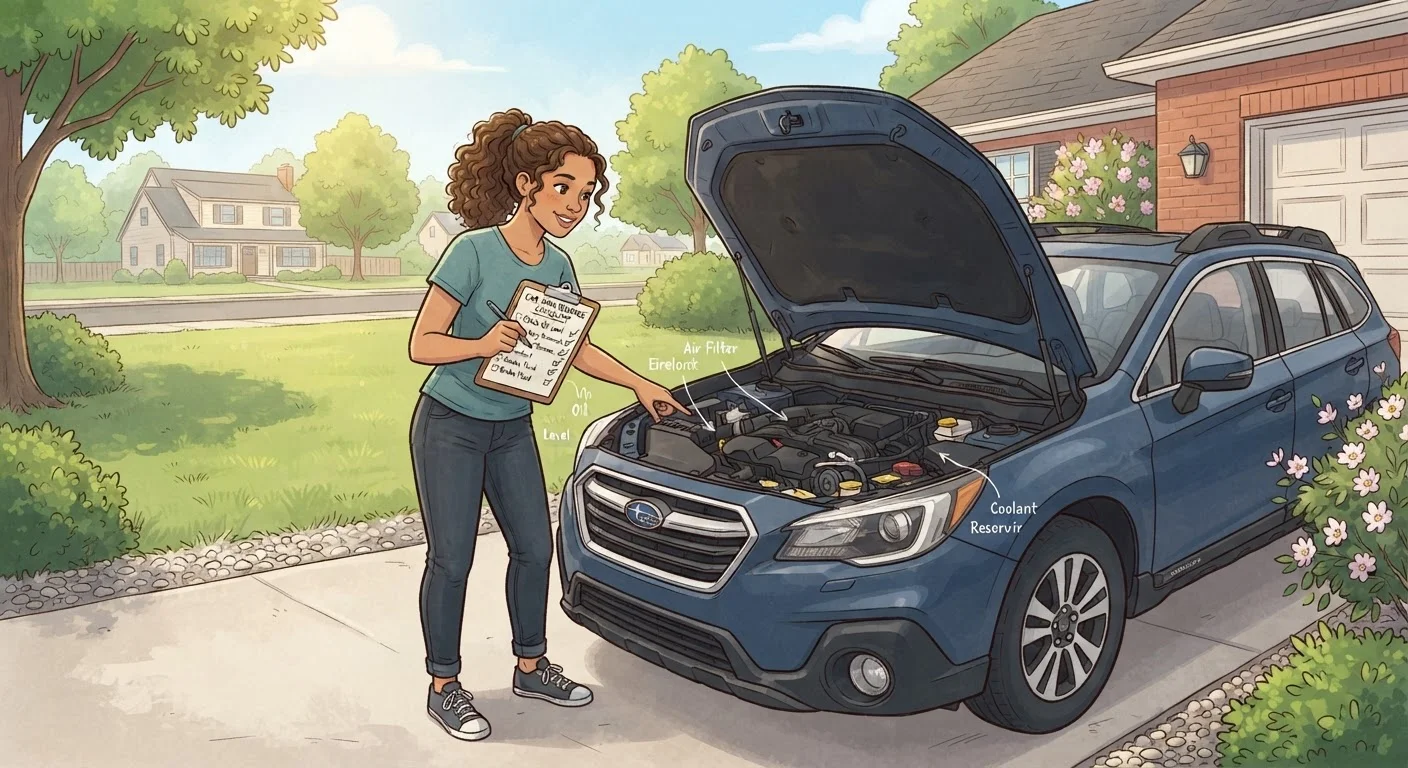
If you're newer to vehicle ownership, the getting started with car maintenance guide provides useful context on how the battery fits into your vehicle's broader electrical system.
The Most Common Battery Drains
Batteries don't just die on their own - something drains them. Knowing the culprits lets you address the problem before you're stranded.
3-5 years
Typical lead-acid battery lifespan
Industry data consistently places average battery life in this range under normal driving conditions in moderate climates.
50%
Capacity lost in extreme cold
At 0°F (-18°C), a standard lead-acid battery may deliver only about half its rated capacity, according to battery industry specifications.
~50 mA
Normal parasitic draw threshold
Most vehicle manufacturers consider a resting current draw above approximately 50 milliamps to be an abnormal parasitic drain worth investigating.
Parasitic Draw
Every modern vehicle draws a small amount of current when parked - for the clock, alarm system, and computer memory. This is normal. What's abnormal is when a faulty relay, a stuck interior light, or an aftermarket accessory pulls significantly more current than expected. A drain exceeding roughly 50 milliamps while the car is off is generally considered problematic and can flatten a battery within days.
Short Trips
If most of your driving is under 10-15 minutes, your alternator may never fully recharge the battery after each cold start. Over weeks and months, this produces a cumulative deficit that accelerates sulfation and shortens battery life considerably.
Extreme Temperatures
Heat is the primary enemy of battery longevity - it accelerates the internal chemical breakdown. Cold weather, however, reduces the battery's available cranking power, which is why failures tend to surface on cold mornings even when the battery was weakened by the previous summer's heat.
Age and Deep Discharges
Leaving lights on and fully discharging the battery - even once - can cause lasting internal damage. Repeated deep discharges compound this quickly.
If your commute is mostly short hops under 15 minutes, schedule one longer drive per week - 30 minutes or more at steady highway speeds - to give the alternator time to fully replenish the battery.
Chronic undercharging from short trips is one of the most common causes of premature battery failure that drivers don't connect to their driving habits.
Before replacing a battery that keeps going flat, have a technician perform a parasitic draw test. A faulty relay or aftermarket accessory left on overnight can kill a perfectly good new battery within a week.
Replacing the battery without identifying the root cause of discharge means the new battery will suffer the same fate - wasting both money and time.
How to Test Your Battery's Condition
Voltage alone does not tell the full story. A battery sitting at 12.6 volts may still fail under the load of a cold start. There are two meaningful tests to know about:
- Multimeter voltage test: With the engine off and rested for at least an hour, a healthy fully charged battery should read approximately 12.6 volts. Below 12.4 volts suggests a partial charge; below 12.0 volts indicates significant discharge or internal damage.
- Load test: A load tester applies a simulated starting load to the battery and measures how well it holds voltage under stress. This is far more diagnostic than a static voltage reading, and most auto parts shops and service centres will perform one free of charge.
If you're uncertain whether the battery or the alternator is the problem, a shop can test the charging system as a unit - this matters because a failing alternator will drain even a new battery.
Alternator vs. Battery: Know the Difference
A failing alternator and a failing battery can produce nearly identical symptoms - slow cranking, warning lights, and electrical instability. The key distinction is that a healthy alternator should produce between 13.7 and 14.7 volts across the battery terminals with the engine running. If voltage is outside that range, the alternator, not the battery, may be the primary problem. Always test the charging system as a whole before committing to a battery replacement.
Warning Signs That Replacement Is Overdue
Batteries rarely fail without warning. Learn to read the signals:
- Slow or laboured cranking - the engine turns over sluggishly, especially in cold weather
- Dimming headlights or interior lights when the engine is idling
- Frequent need for jump-starts - more than once in a season is a clear red flag
- Swollen or bloated battery case - a sign of heat damage; the battery should be replaced promptly
- Visible corrosion on the terminals (white or blue-green residue) - this can cause poor connection and mimic battery failure
- Battery warning light on the dashboard - this typically indicates a charging system issue, which may involve the battery, alternator, or both
Don't Delay If You've Jump-Started More Than Once
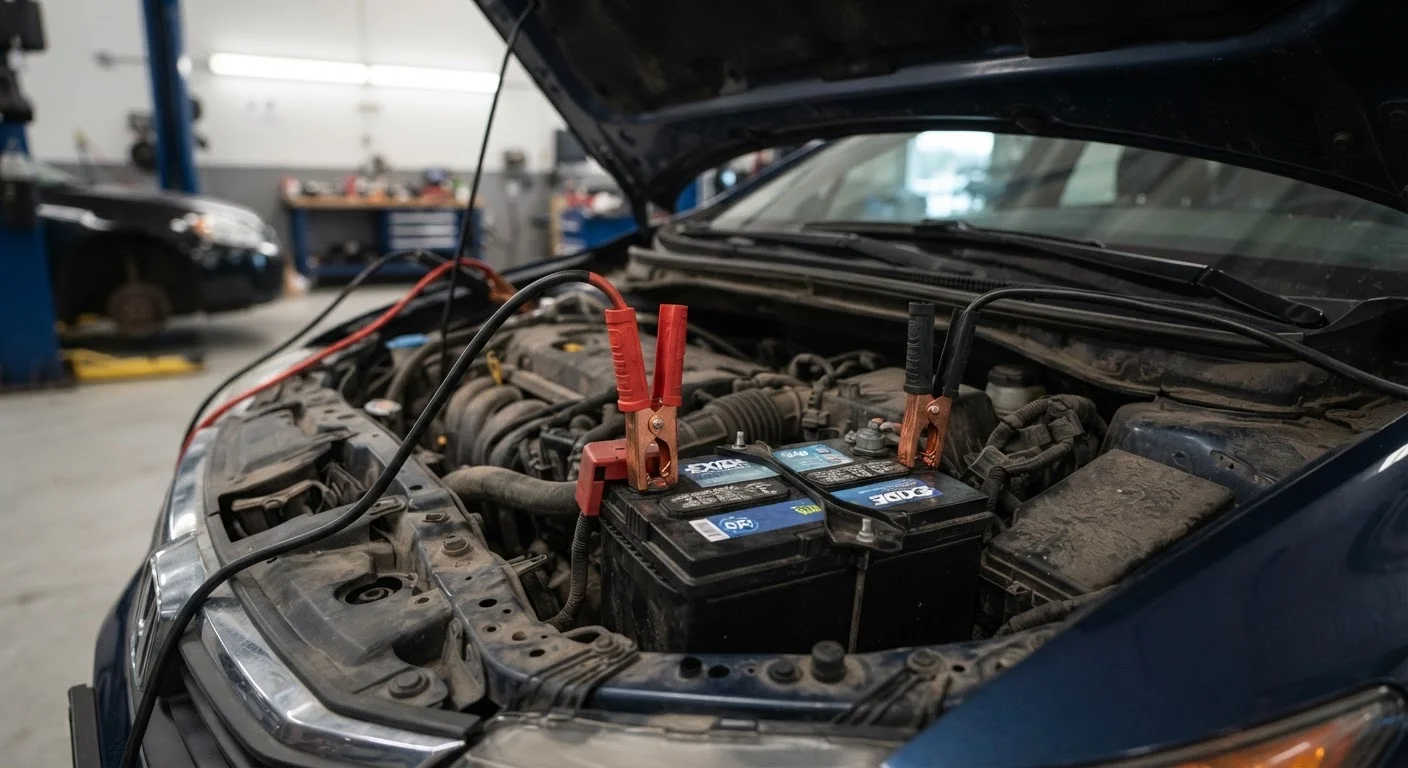
Needing a jump-start more than once in a single season is a strong signal that the battery - or the charging system - has a serious problem. Continuing to drive while relying on jump-starts risks being stranded at an inconvenient or unsafe location. Have the battery and charging system tested promptly. This is not a situation where watching and waiting is advisable.
As a general rule, any battery that is 4 years or older and showing even one of these symptoms warrants a load test and serious consideration of proactive replacement. Waiting for a complete failure is rarely worth the inconvenience - or the roadside assistance call.
How to Extend Battery Life
Several straightforward habits meaningfully extend how long your battery lasts:
- Drive regularly and long enough - at least 20-30 minutes at highway speeds - to allow the alternator to fully recharge the battery after start-up
- Keep terminals clean - a wire brush and a baking soda and water solution can dissolve corrosion; always disconnect the negative terminal first
- Use a battery maintainer (sometimes called a trickle charger) if the vehicle sits unused for more than two weeks; this keeps the battery at an optimal state of charge without overcharging
- Limit accessory use with the engine off - running the radio, phone chargers, or climate controls with the engine off accelerates discharge
- Check battery health annually, ideally before winter; see our seasonal car maintenance calendar for when to schedule this check
For owners of older, higher-mileage vehicles, battery maintenance is especially consequential. The financial realities of owning an older car discusses how small preventive investments like this can significantly reduce unexpected repair bills.
When and How to Replace Your Battery
Most lead-acid batteries are designed to last approximately 3-5 years under typical use, though climate and driving patterns can shift that window in either direction. If your battery is within that range and showing symptoms, replacement is almost always more cost-effective than waiting for failure.
When selecting a replacement, match the battery to your vehicle's specifications - group size, cold cranking amps (CCA), and reserve capacity (RC) - which are listed in your owner's manual. These are technical requirements, not upsells.
DIY vs. Professional Replacement
Swapping a battery is one of the more manageable DIY tasks for many drivers - it involves basic hand tools and following a simple disconnect-reconnect sequence (negative cable off first, positive on first). However, some modern vehicles store settings in volatile memory that reset when power is lost, including window calibration, radio presets, and in some cases transmission adaptive data. Our DIY car maintenance guide outlines when it's worth doing yourself versus handing the job to a mechanic.
Recycle your old battery at an auto parts store or recycling facility - lead-acid batteries contain hazardous materials and should never go in household waste. Most retailers accept them at no charge.
Keep a Battery Maintainer for Storage Periods
If you store a vehicle, a camper van, or a seasonal car for more than two weeks, connect a smart battery maintainer (also called a float charger). Unlike a basic trickle charger, a smart maintainer monitors charge level and cycles on and off automatically - preventing both undercharging and overcharging. This single habit can add one to two years to battery life in storage scenarios.
This article provides general educational information about vehicle battery maintenance. Always consult your vehicle's owner's manual and, where appropriate, a qualified mechanic for advice specific to your car.