Why Hydration Habits Fail - and What Actually Works
Most hydration advice stops at "drink more water," which is about as useful as telling someone to "just sleep more." Without a system, intentions evaporate by mid-morning. The problem isn't motivation - it's the absence of reliable triggers and structure.
Hydration supports cognitive function, physical performance, digestion, and even mood regulation. Yet mild dehydration - often below the threshold of noticeable thirst - can quietly impair concentration and energy levels. Relying on thirst alone is a late signal; by the time many people feel thirsty, they're already mildly dehydrated.
The evidence-informed approach borrows from behaviour change science: anchor the new behaviour to an existing routine, reduce friction, and make the desired action the easiest available option. Applied to hydration, this means designing your environment and schedule so drinking water happens almost automatically.
Design Your Environment First
The single most effective change most people can make is placing water within arm's reach wherever they spend significant time. Environmental design consistently outperforms motivation in habit research. Before changing any behaviour, change what you see and what's easy to reach.
This article is part of a broader look at hydration, nutrition, and rest as the foundation of physical self-care. If you're building a fuller wellness routine, that guide provides helpful context.
This article is for general informational purposes only and is not a substitute for personalised medical advice. Consult a qualified healthcare professional regarding your individual hydration needs, particularly if you have a chronic health condition.
What You Need Before You Start
No special equipment is required, but a few simple items make the habit significantly easier to sustain.
What you will need
Reusable water bottle (16-32 oz)
Keeps water visible and accessible throughout the day, reducing the friction that causes skipped intake.
Smartphone alarm or hydration reminder app
Provides early scaffolding reminders while the habit is forming - typically faded after a few weeks.
Water filter or pitcher
Improves the taste of tap water if that's a barrier to drinking enough - making the habit more sustainable.
How to Build the Habit: Step by Step
The steps below are designed to be layered gradually - not all at once. Consistency, not perfection, is what drives lasting change. Start with the first two steps and add the rest over the following week or two.
Start every morning with a glass of water
Place a full glass of water on your nightstand before you go to sleep, or beside the coffee maker if that's your first morning stop. Drink it before anything else. This habit anchors hydration to a behaviour you already do without thinking - waking up or making coffee - and replaces an intentional decision with an automatic one.
Use a visible, accessible water vessel throughout the day
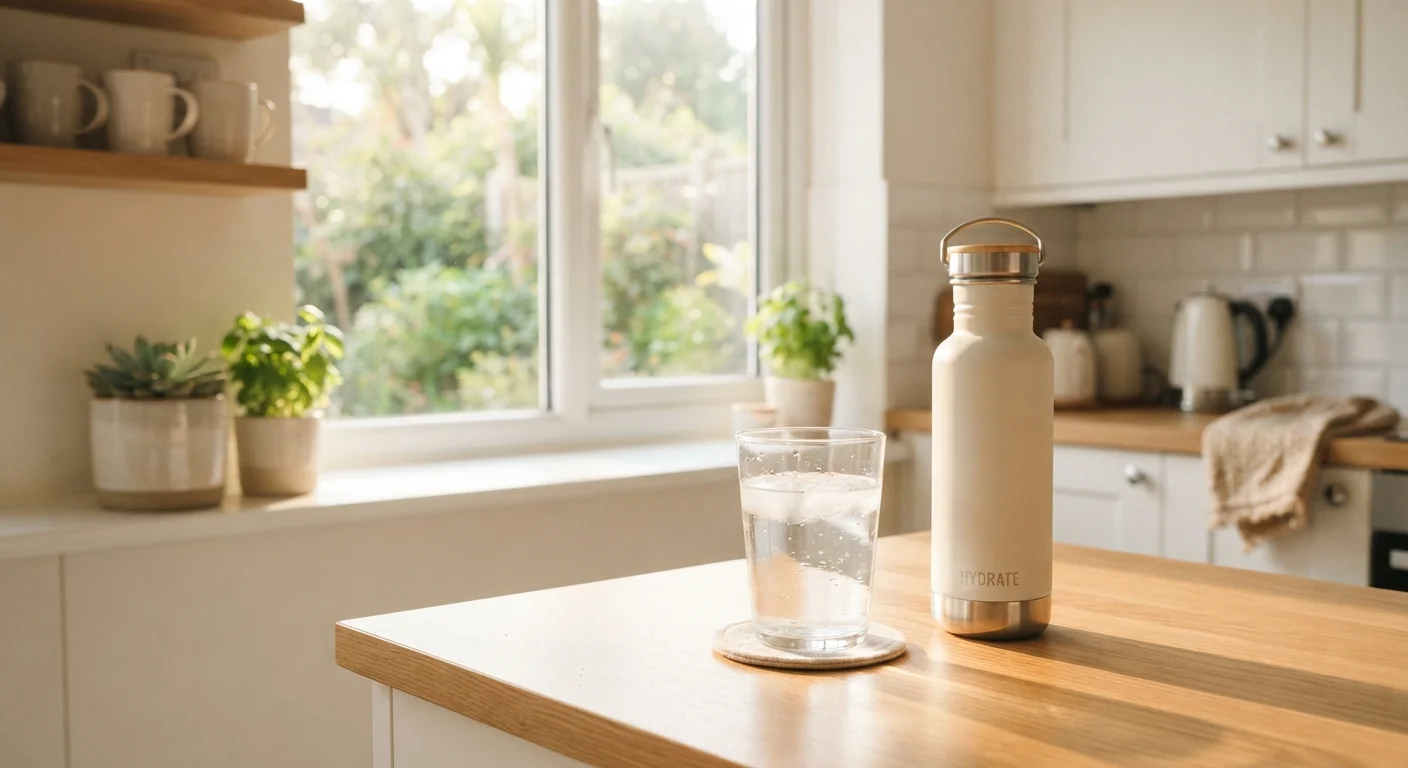
Keep a reusable bottle or large glass in plain sight at your workstation or wherever you spend the most time. Visibility is a powerful environmental cue - you're significantly more likely to drink when the option is immediately at hand. A bottle with volume markings can also provide a gentle, non-anxious sense of progress.
Pair water intake with regular daily transitions
Identify two or three natural breaks in your day - arriving at work, sitting down for lunch, finishing afternoon meetings - and commit to taking a few sips at each one. These transition moments act as built-in reminders without requiring any extra mental effort. Over time, the cue and the behaviour become linked automatically.
Eat more water-rich foods
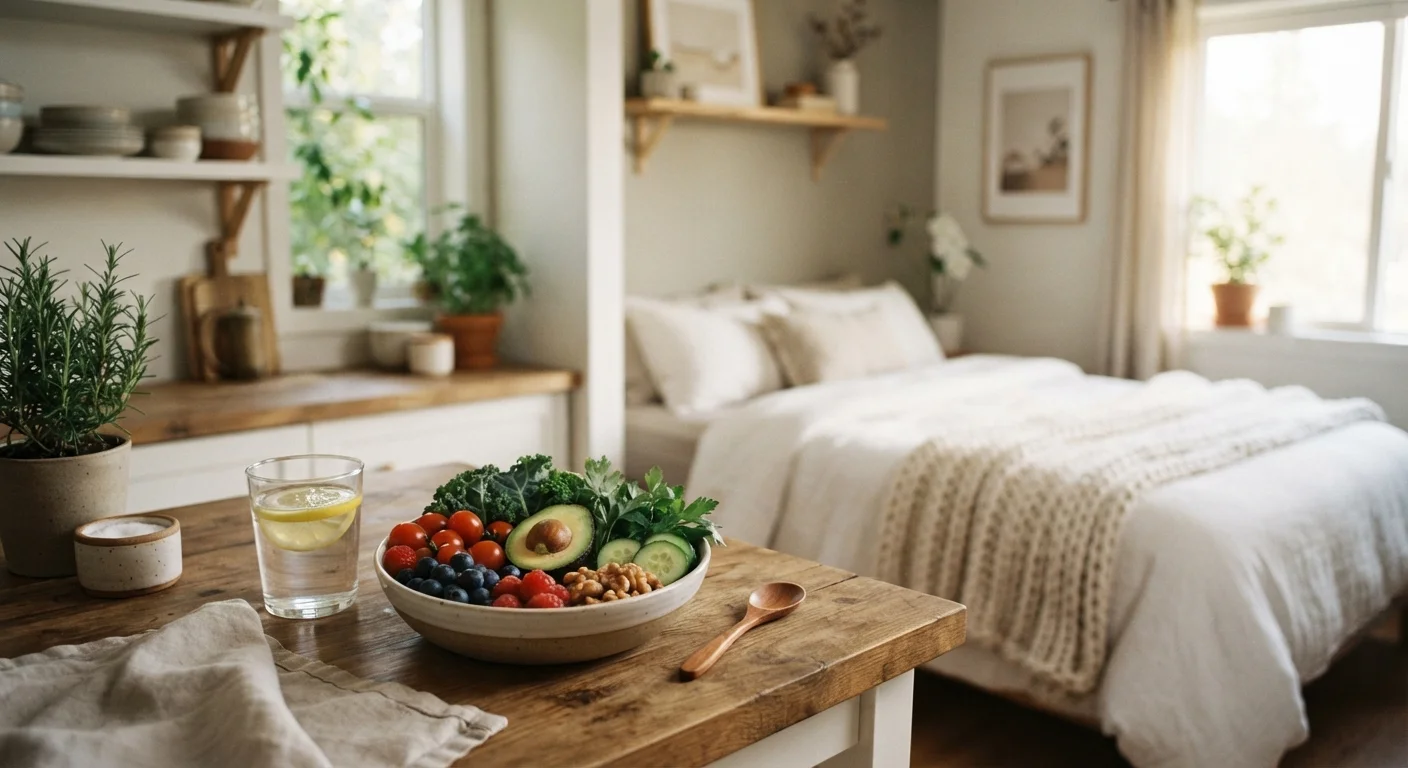
Fruits and vegetables such as cucumbers, watermelon, oranges, celery, and leafy greens contribute meaningfully to your overall fluid intake. Incorporating them into meals and snacks supports hydration without requiring you to drink more volume. This is particularly useful for people who find it difficult to meet needs through beverages alone.
Adjust for activity, heat, and individual variation
General population guidelines (such as those from the National Academies of Sciences, Engineering, and Medicine) suggest total daily water intake - from all sources - of around 3.7 litres for adult men and 2.7 litres for adult women, but these are averages, not prescriptions. If you exercise heavily, live in a hot climate, or are pregnant or breastfeeding, your needs will be higher. Pay attention to urine colour as a practical indicator: pale yellow is generally a sign of adequate hydration; dark yellow or amber suggests you need more fluids.
Don't Overhaul Everything at Once
Adding too many new habits simultaneously is a primary reason new routines collapse within the first two weeks - a pattern well documented in habit-formation research. Introduce steps one at a time and give each at least a few days before adding the next.
Troubleshooting Common Sticking Points
Even a well-designed habit hits friction. Here are the most common barriers and how to address them:
- "I forget my water bottle at home."
- Keep a spare at your desk or workplace. The goal is reducing the gap between intention and action - spare bottles eliminate a common failure point.
- "I don't like plain water."
- Adding a slice of citrus, cucumber, or a small amount of herbal tea can make water more appealing without significantly altering its hydrating value. Sparkling water is also a valid option for most people.
- "I get too busy and forget entirely."
- Use phone alarms or app reminders - not as a permanent crutch, but as scaffolding while the habit forms. Most people can fade the reminders after three to four weeks. This mirrors the approach described in building healthy habits from scratch.
- "I drink a lot but still feel dehydrated."
- Factors like high caffeine or sodium intake, intense exercise, heat, or certain health conditions can affect fluid balance. If persistent dehydration symptoms occur despite adequate intake, speak with a healthcare provider.
Certain Conditions Require Professional Guidance
People with kidney disease, heart conditions, or other conditions that affect fluid regulation should not follow general hydration guidelines without first consulting their healthcare provider. Fluid needs and restrictions can differ significantly based on individual medical circumstances. Always seek personalised guidance when a health condition is involved.