Why the Same Spot Can Become a Problem
Most new gardeners plant tomatoes where they planted tomatoes the year before - it's intuitive to use the sunniest, most familiar spot. But soil remembers. Each time you grow the same crop in the same location, you're giving the pests and diseases that target that plant a head start. Fungal spores, nematodes, and bacterial pathogens can overwinter in the soil and surge in population when their preferred host returns.
Nutrient imbalance compounds the problem. Heavy-feeding crops like corn and brassicas strip specific nutrients from the soil at a far faster rate than others replenish them. Replanting the same family in that zone year after year accelerates depletion, often leading gardeners to reach for ever-increasing amounts of fertilizer - treating a symptom rather than the cause.
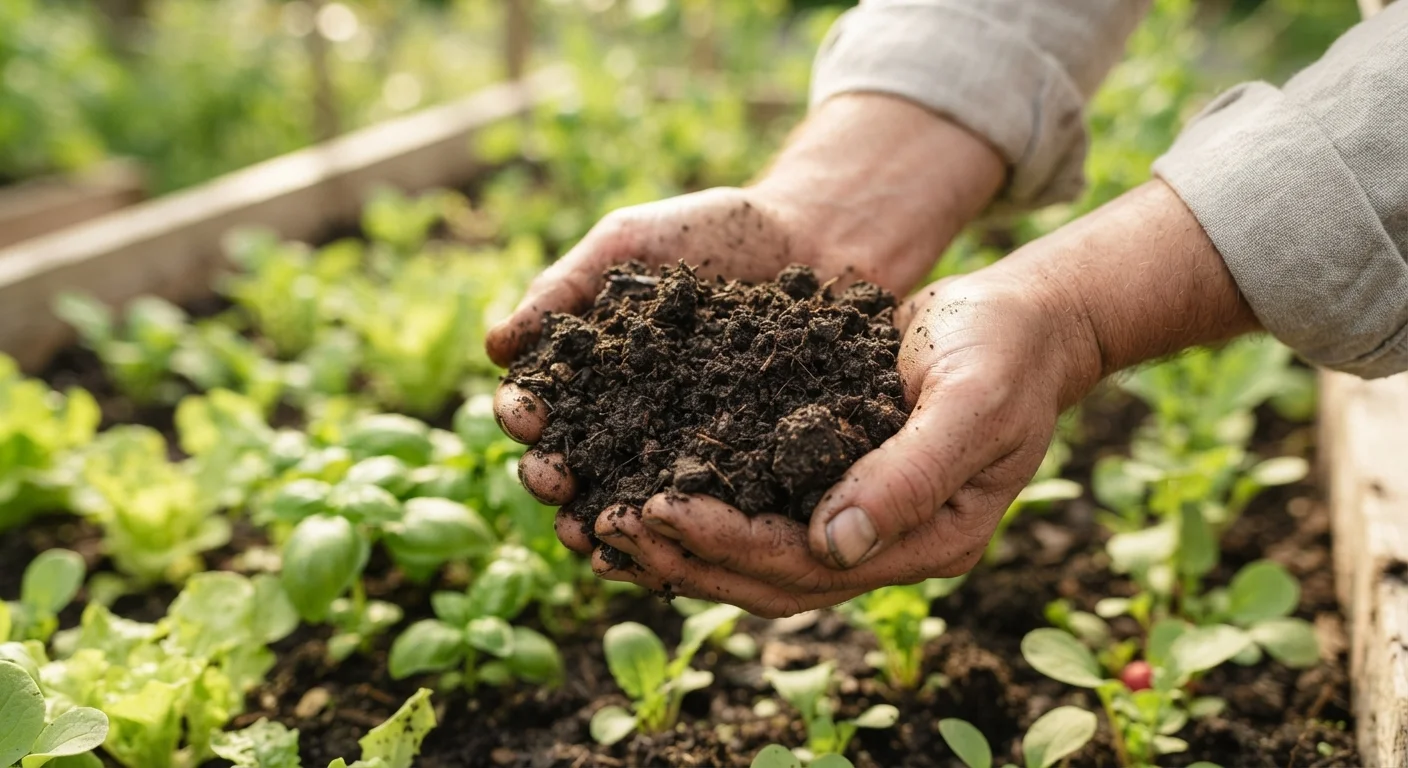
Understanding how soil health works beneath the surface helps explain why this matters so much. Healthy soil is a living ecosystem, and repeated monoculture - even on a small scale - disrupts its balance in ways that can take years to undo.
3-4 Years
Recommended gap before replanting the same crop family
University extension programs widely recommend a minimum three-to-four-year gap between planting the same vegetable family in the same location to reduce soil-borne disease pressure.
~80 lbs/acre
Nitrogen legumes can fix per season
Research from agricultural extension sources indicates that legume crops can fix substantial amounts of atmospheric nitrogen into the soil, reducing the need for synthetic inputs in subsequent plantings.
The Logic Behind the Four-Family System
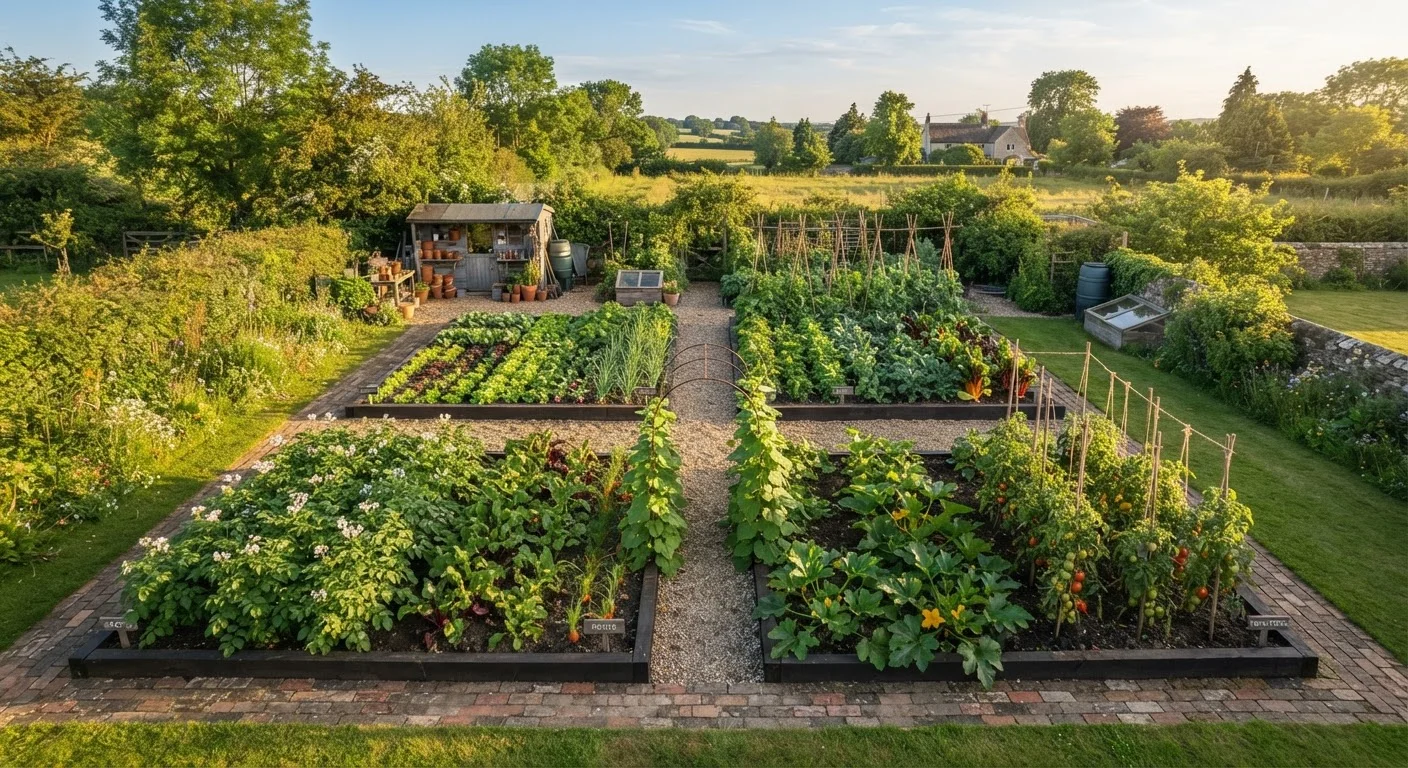
The most commonly recommended approach for home gardeners is to divide the vegetable garden into four zones and rotate four plant families through them on a yearly cycle. The families typically used are:
- Nightshades (Solanaceae): Tomatoes, peppers, potatoes, and eggplant. Heavy feeders and highly susceptible to soil-borne diseases like early blight and verticillium wilt.
- Brassicas (Brassicaceae): Cabbage, broccoli, cauliflower, kale, and radishes. Vulnerable to clubroot disease and specific caterpillar pests.
- Legumes (Fabaceae): Beans and peas. Uniquely valuable because they host nitrogen-fixing bacteria in their roots, actively restoring fertility to depleted soil.
- Roots and Alliums: Carrots, beets, parsnips, onions, and garlic. Generally lighter feeders that benefit from the soil legumes leave behind.
Each family moves one zone clockwise (or in any consistent direction) at the start of each season. After four years, every family has cycled through every zone - and the rotation starts again. This simple rhythm is the backbone of traditional vegetable gardening practice.
Start Simple: Two Zones Are Better Than None
If a four-section rotation feels overwhelming, start by dividing your garden into just two zones - one for nightshades and brassicas, one for legumes and roots - and swap them each year. Even this basic alternation breaks pest cycles and eases nutrient depletion. You can add more zones as your confidence and garden size grow.
Putting Rotation Into Practice
The most common obstacle isn't understanding the concept - it's the record-keeping. Without notes, it's genuinely difficult to remember where each crop grew two or three seasons ago. A hand-drawn garden map updated each year is often enough; some gardeners use a simple spreadsheet. The goal is a reliable reference you can consult at planting time.
If your garden layout makes four equal zones impractical, a simplified two- or three-zone approach still delivers meaningful benefits. Even alternating between heavy feeders and legumes every other season reduces nutrient depletion and breaks pest cycles to a useful degree.
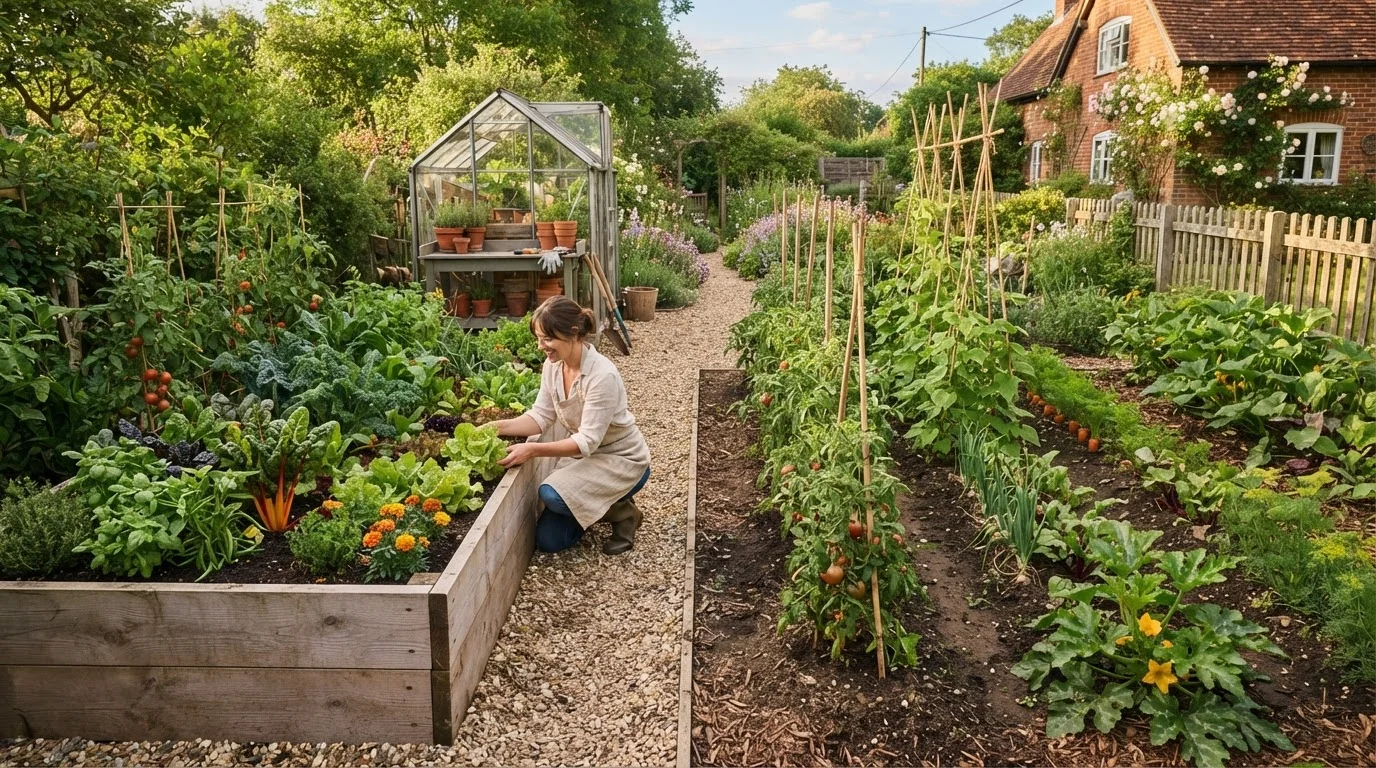
If you're working with raised beds, rotation applies across individual beds rather than within one - which is one reason experienced gardeners often recommend building three or four raised beds rather than just one or two. See our comparison of raised beds versus in-ground planting for guidance on setting up a system that makes rotation straightforward from the start.
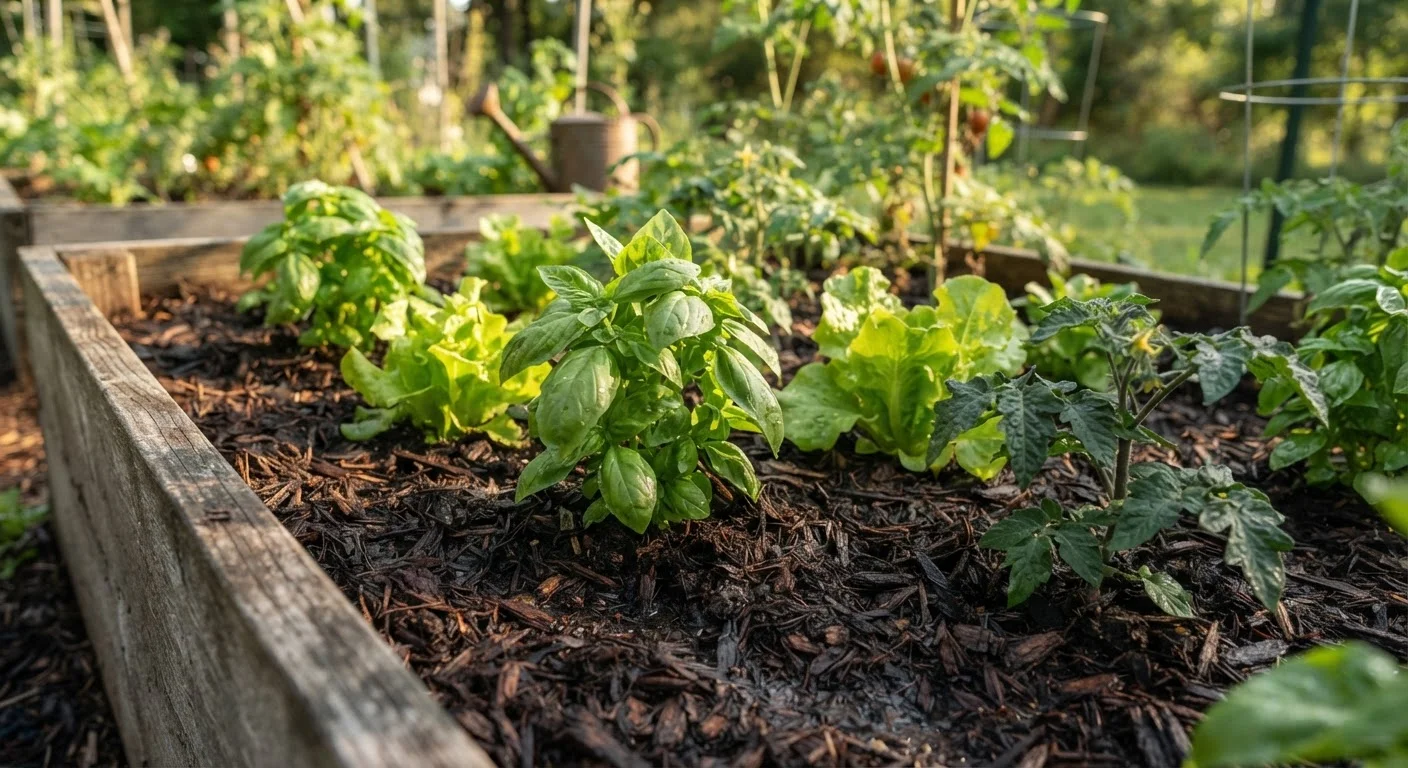
Pairing rotation with other foundational habits amplifies the results. Mulching between seasons helps suppress weed competition and protects soil structure during the gap between crops. Thoughtful garden layout planning makes each season's rotation more intuitive to execute.
What Rotation Can and Cannot Do
Crop rotation is a preventive strategy - it reduces risk rather than eliminating it entirely. Some pathogens are extremely persistent in soil and won't be eradicated by rotation alone. In cases of severe disease like clubroot in brassicas, affected soil may need additional treatment or a longer fallow period. Rotation works best as part of a broader approach that includes building organic matter, maintaining good drainage, and avoiding overhead watering when possible.
It's also worth noting that rotation doesn't replace soil amendment. Legumes return nitrogen, but a garden still benefits from annual additions of compost to restore organic matter and support the microbial communities that make nutrients available to plant roots. Think of rotation as managing what you take out, and compost as replenishing what every crop demands.
If you're starting a vegetable garden for the first time, designing your layout with rotation in mind from day one is far easier than retrofitting the practice later. Small decisions made early - like defining distinct planting zones - pay dividends every season that follows.
Perennials Are Exempt From Rotation
Perennial vegetables - including asparagus, rhubarb, and artichokes - remain in permanent locations by design and are not part of a rotation plan. When laying out your garden zones, designate a separate, stable area for perennials so they don't interfere with your annual rotation schedule.