Why Germination Fails More Often Than It Should
Staring at a tray of bare soil two weeks after planting is one of the most frustrating experiences in gardening. The good news: poor germination is almost never random. It has causes - and those causes are almost always within your control.
Whether you're direct-sowing in the ground or starting seeds indoors, the conditions seeds need to sprout are specific. Miss one, and nothing happens. Understanding what seeds actually require - and where most gardeners go wrong - puts a successful start well within reach. If you're new to growing from scratch, our first-season garden guide covers the broader picture alongside what's covered here.
Planting seeds at the wrong depth - either too shallow or too deep.
Why it happens: Most seed packets give a depth recommendation, but gardeners often eyeball it or apply a single rule ("cover lightly") to every seed type.
Inconsistent moisture - letting the growing medium swing between waterlogged and bone-dry.
Why it happens: Watering once and assuming it will hold is a common beginner habit. Soil surfaces dry out faster than expected, especially indoors near heat sources.
Sowing in soil that is too cold for the seed variety.
Why it happens: Air temperature and soil temperature are not the same thing. A warm spring day can still mean cold soil, especially early in the season.
Using old seeds without testing viability first.
Why it happens: Seeds are often stored in mixed drawers or leftover packets without tracking their age. Gardeners assume that if seeds look intact, they'll grow.
Using the wrong growing medium - particularly dense garden soil in seed-starting containers.
Why it happens: It seems logical to use garden soil, but when placed in containers it compacts quickly, drains poorly, and can introduce pathogens that kill seedlings (known as damping off).
The Conditions Seeds Need - and How to Deliver Them
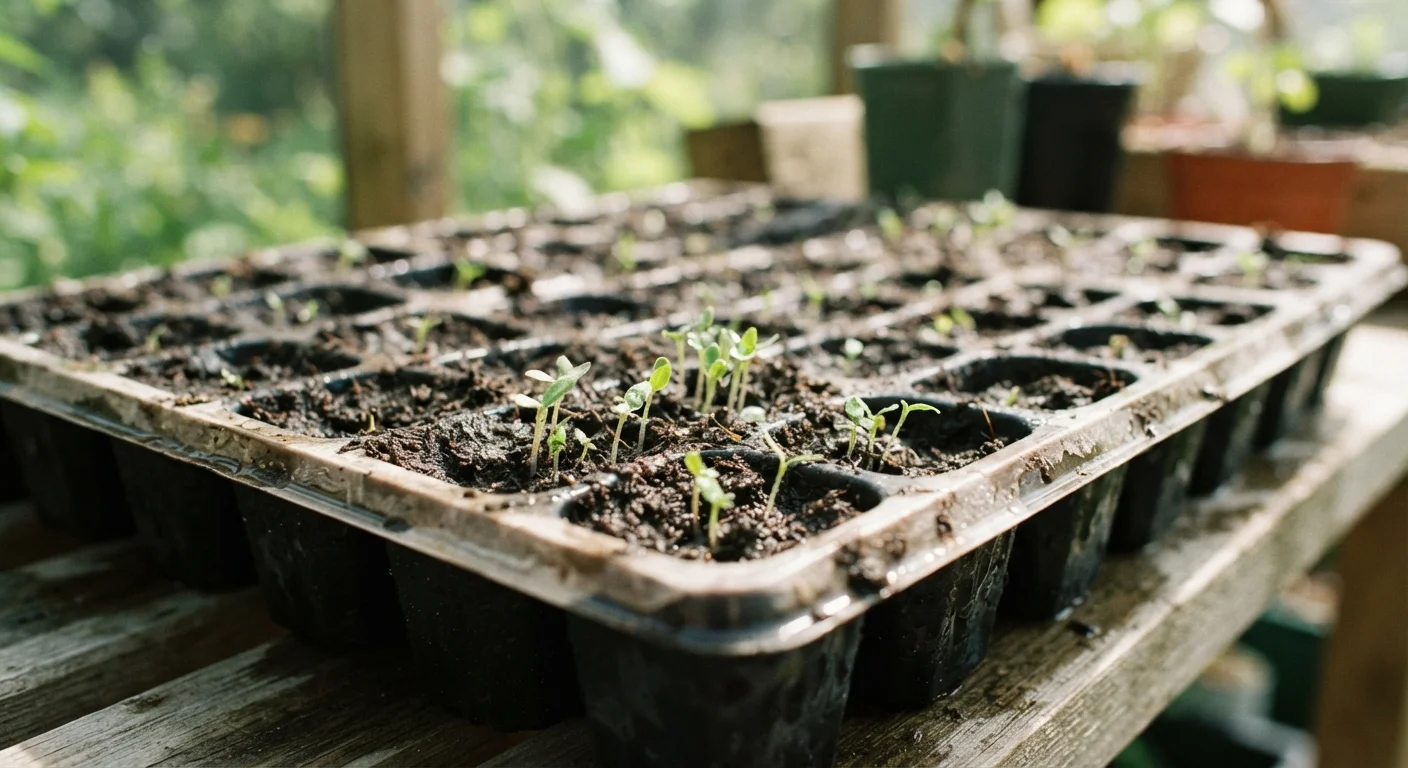
Once you've identified what went wrong, building a reliable germination setup becomes straightforward. Seeds need four things to activate: adequate moisture, appropriate temperature, correct depth, and viable genetics. Nail all four consistently, and germination rates improve dramatically.
~50%
Viability loss in old seeds
Seeds stored for several years beyond their use-by date can lose half or more of their germination potential, according to general horticultural guidance from university extension programs.
65-75°F
Optimal soil temp for warm-season crops
Most warm-season vegetables require soil in this temperature range for reliable germination, per cooperative extension resources across the US.
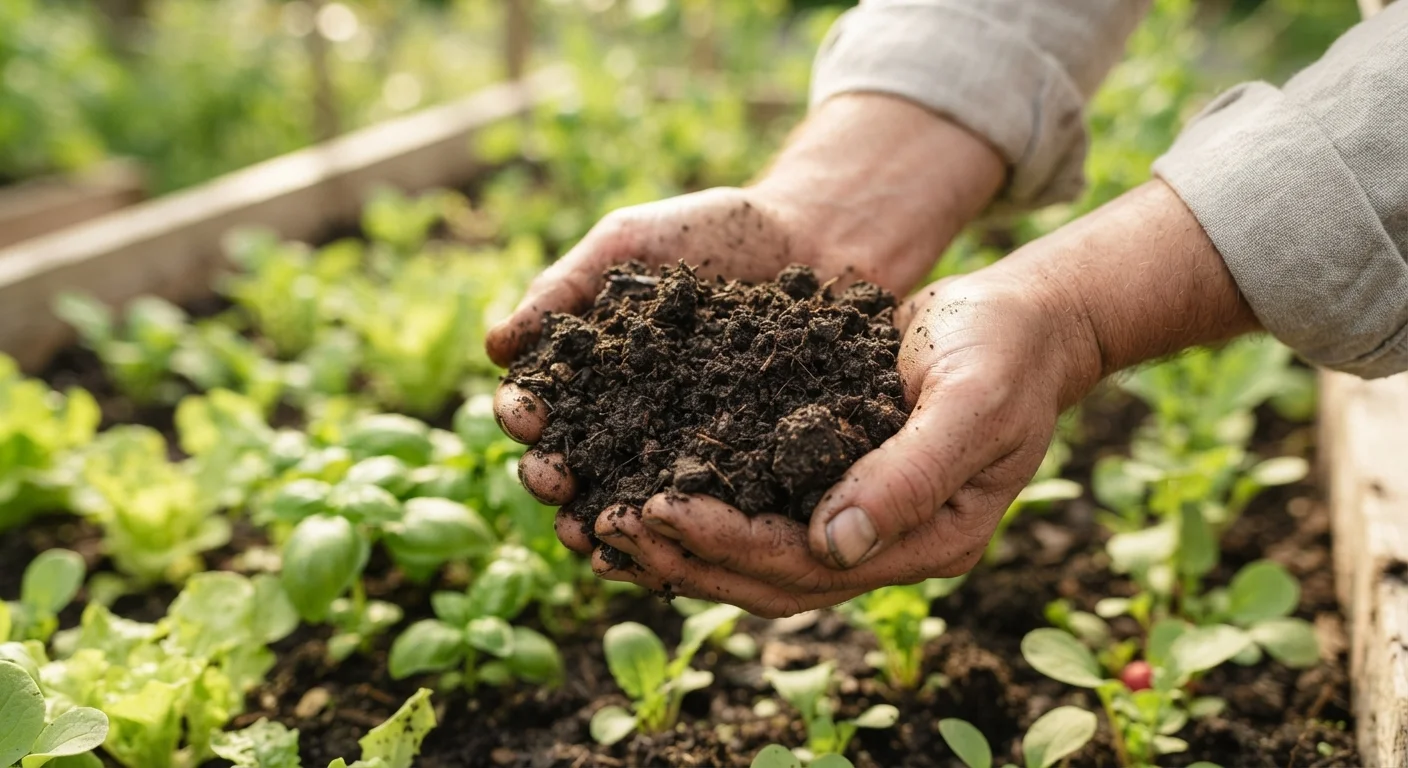
Soil quality plays a quiet but critical role too. Compacted or poorly structured growing media can trap seeds in anaerobic (oxygen-deprived) conditions, stalling germination even when temperature and moisture seem right. For a deeper look at why what's under the surface matters so much, see our article on soil health and garden foundations.
Don't Reuse Last Year's Potting Mix for Seeds
Old potting mix can harbor fungal pathogens - particularly those responsible for damping off, which kills seedlings at the soil line shortly after they emerge. For seed starting specifically, always use fresh, sterile seed-starting mix rather than reusing last season's container soil, no matter how it looks.
A few practical habits close the loop: use a seedling heat mat for temperature-sensitive crops, mist rather than pour water onto newly sown trays, and label everything with both the seed variety and the sow date. Small details compound into far better results across an entire growing season.