How the Cooling System Actually Works
Your engine burns fuel to generate power, but that combustion process also produces an enormous amount of heat - far more than the metal components can safely absorb on their own. The cooling system exists to move that heat away before it causes damage.
Coolant is pumped continuously through passages inside the engine block and cylinder head, where it absorbs heat. It then travels to the radiator at the front of the vehicle, where airflow (from driving or an electric fan) draws that heat out of the fluid. The now-cooled liquid cycles back into the engine and the process repeats.
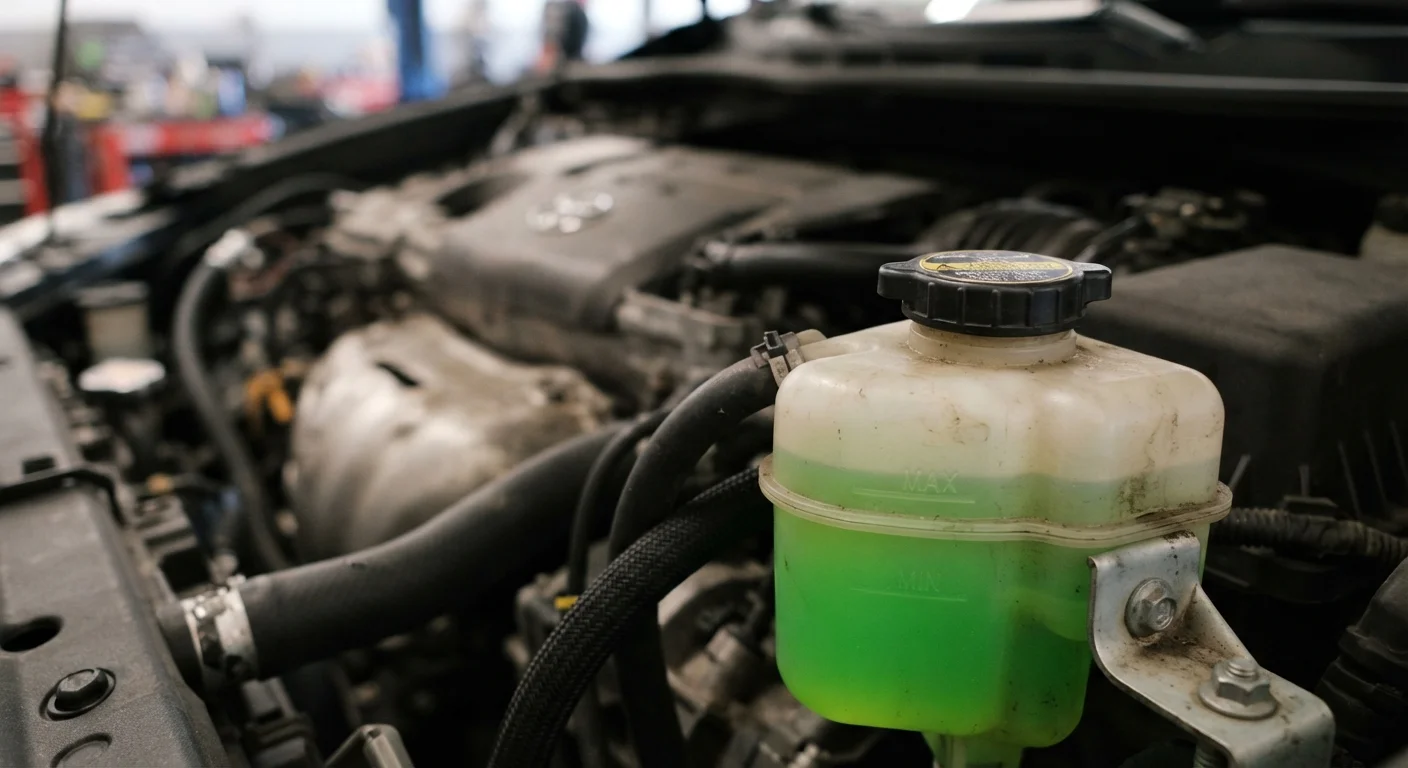
A thermostat regulates this loop: it stays closed when the engine is cold - allowing it to reach operating temperature faster - then opens once the engine hits its target temperature range, typically around 195-220°F. A failing thermostat can get stuck in either position, causing overheating or poor fuel economy respectively. The coolant reservoir (the translucent plastic tank near the radiator) holds overflow fluid and lets you check levels without touching the radiator cap.
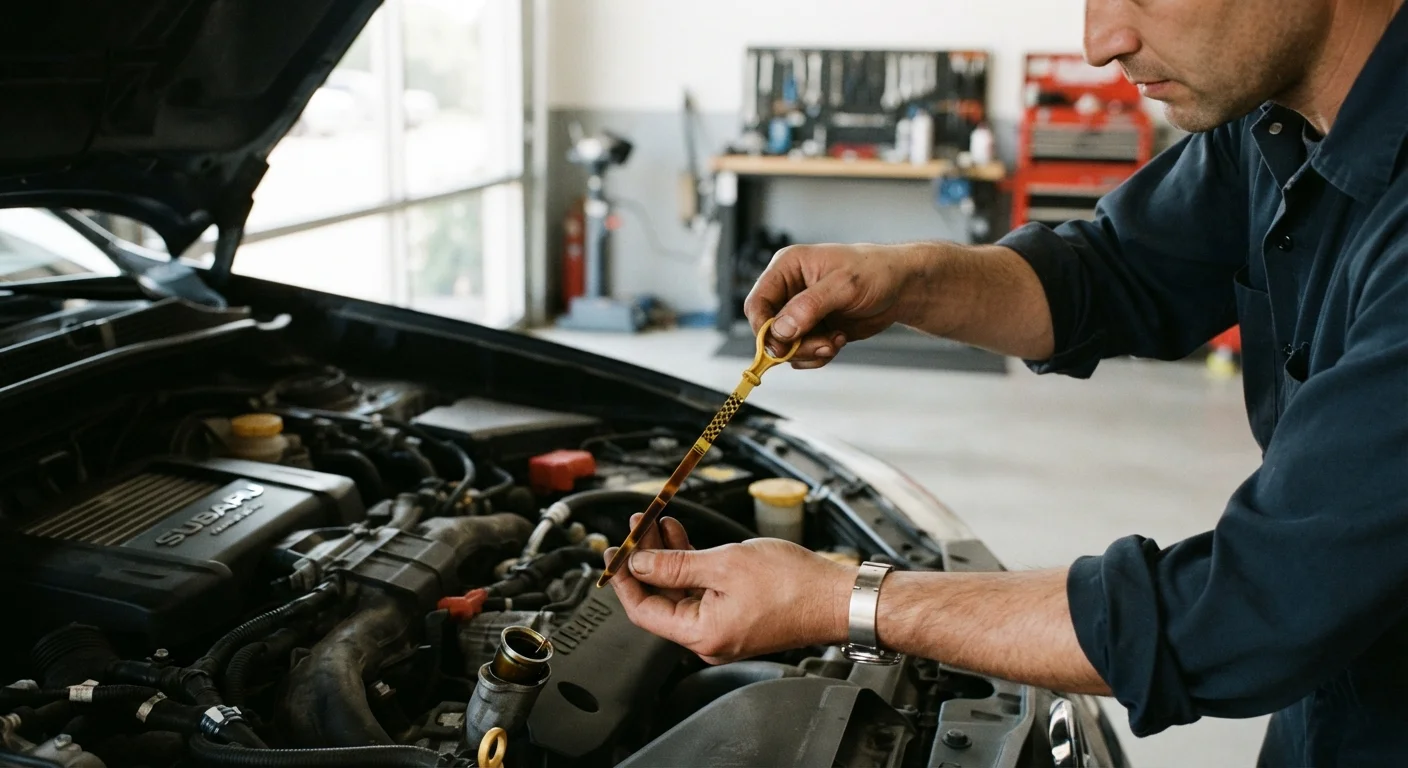
For a practical walkthrough of locating and reading the reservoir, see our guide to checking fluid levels at home.
Why Low or Degraded Coolant Is a Bigger Risk Than Most Drivers Realize
The level in the reservoir can look acceptable while the coolant itself is chemically exhausted. Over time, the corrosion inhibitors in coolant break down. When that happens, the fluid becomes acidic and begins attacking the metal and rubber components it's supposed to protect - radiator fins, water pump seals, and aluminum cylinder heads are all vulnerable.
~50%
Of roadside breakdowns involving overheating
Industry estimates from roadside assistance providers consistently attribute roughly half of non-collision breakdowns to cooling system failures, including low or degraded coolant.
$1,500-$4,000+
Typical head gasket repair cost
A blown head gasket - one of the most common results of repeated overheating - is among the costliest engine repairs a driver can face, according to general mechanic labor and parts estimates.
Low coolant is an equally serious issue. Even a modest shortfall reduces the system's heat-transfer capacity, pushing the engine closer to its thermal limit. Slow leaks from hoses, the water pump, or the radiator can drain the system gradually - sometimes with no visible puddle if the leak evaporates quickly from engine heat.
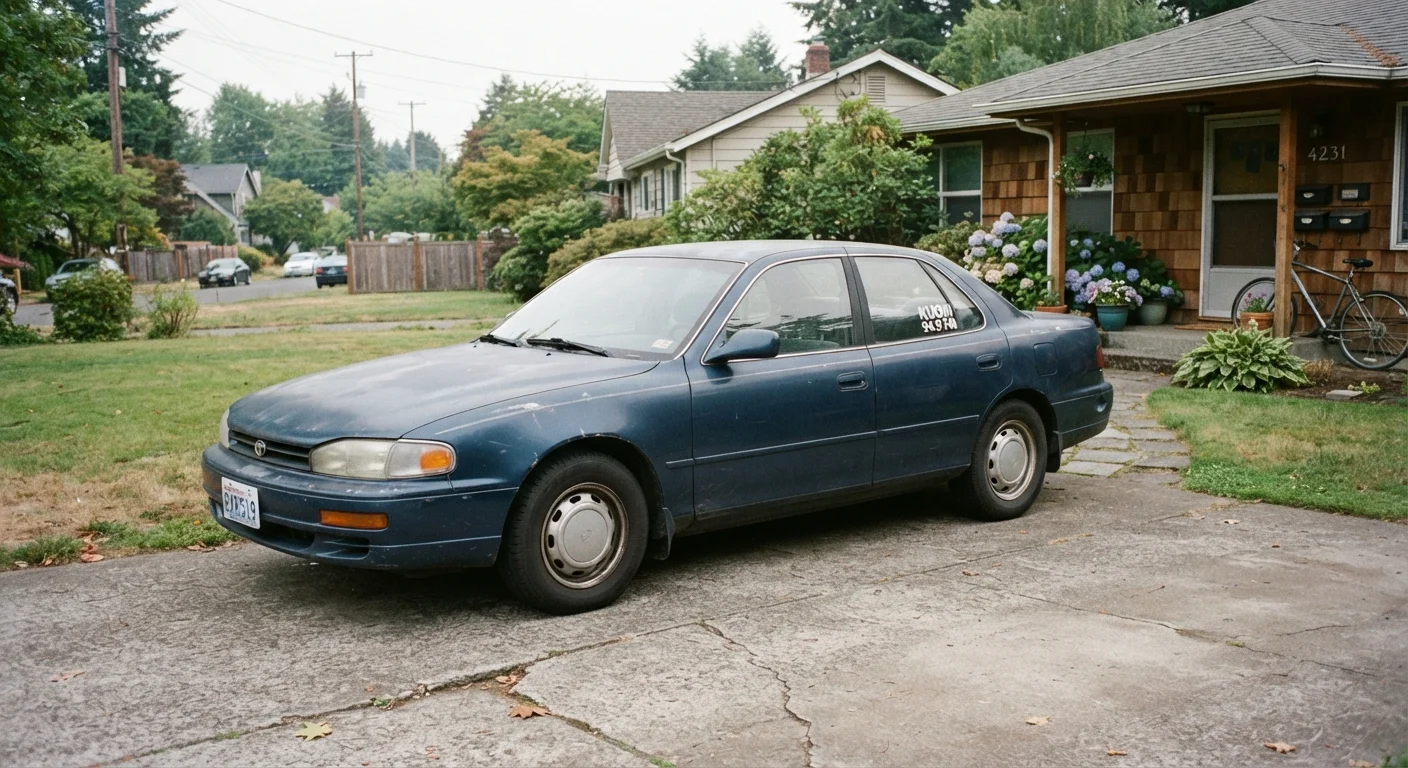
If you drive an older, higher-mileage vehicle, the cooling system deserves extra attention. Older cars carry real maintenance risks that are easy to underestimate, and a deteriorating cooling system is near the top of the list.
Check Coolant Condition, Not Just Level
A full reservoir doesn't mean healthy coolant. Make it a habit to inspect the color and clarity of the fluid every time you check under the hood - it takes less than 30 seconds. If the fluid looks murky, discolored, or has a gritty texture, schedule a flush regardless of mileage. Catching degraded coolant early is far cheaper than repairing the components it damages.
Checking and Maintaining Coolant: What You Can Do Yourself
Checking the coolant level is one of the safest and simplest inspections a driver can perform. With the engine cold, locate the translucent coolant reservoir - usually labeled with a thermometer or wave symbol - and verify the fluid sits between the MIN and MAX markers. That's it. Never remove the radiator cap on a hot engine: pressurized coolant can spray at temperatures exceeding 200°F and cause serious burns.
Inspect the fluid's color and clarity while you're there. Fresh coolant is typically bright green, orange, pink, or blue depending on the formulation. Murky, rust-colored, or debris-filled fluid is a signal that a flush is overdue. Some mechanics use an inexpensive test strip or refractometer to measure freeze protection and pH, giving a more objective picture of the fluid's condition.
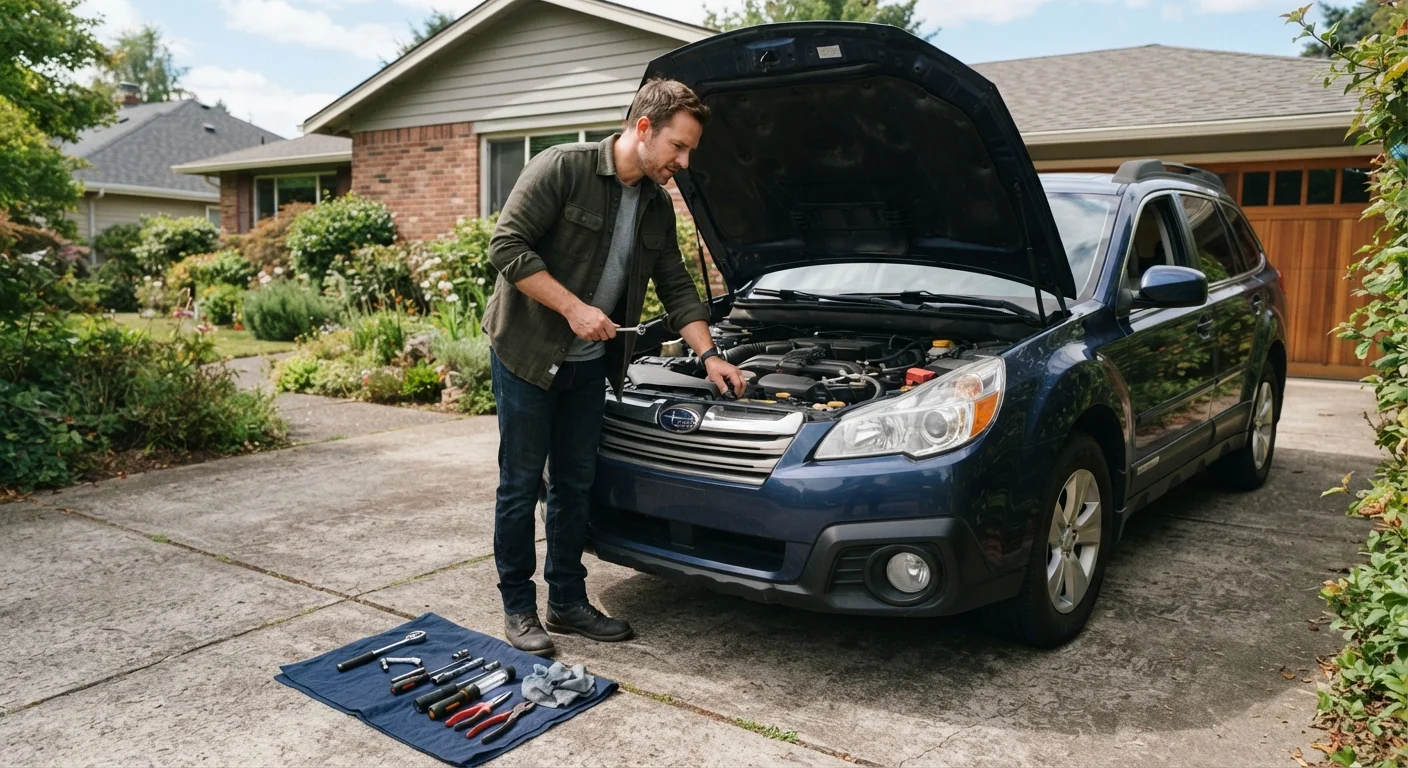
For replacement intervals, the owner's manual is the authoritative source - generic advice ranges from 30,000 to 50,000 miles for conventional coolant, while some extended-life formulations are rated to 100,000 miles. A coolant flush involves draining the old fluid, flushing the system with clean water, and refilling with the correct coolant-to-water ratio. This is a task many confident DIYers handle at home, though coolant disposal requires care - the fluid is toxic to animals and must be taken to a recycling facility, not poured down a drain.
Know your limits before tackling a flush yourself - if the system shows signs of leaks, sludge, or a failing water pump, a qualified mechanic should assess it first.
Coolant Disposal Requires Proper Handling
Ethylene glycol - the primary ingredient in most coolants - is highly toxic to pets and wildlife, with a deceptively sweet smell that attracts animals. Used coolant must never be poured down a drain, into the ground, or into household trash. Most auto parts stores and municipal recycling centers accept used coolant at no charge. Check your local municipality's guidelines for drop-off locations.
New to vehicle maintenance overall? Our introduction to car maintenance for new drivers covers the full set of essential checks and intervals in plain language.