Why Soil Is More Than Dirt
When a garden underperforms - wilting despite regular watering, yellowing leaves, stunted growth - many gardeners immediately reach for fertiliser. More often, the real issue is the soil itself. Soil is not a passive growing medium; it is a living system where plant roots, fungi, bacteria, earthworms, and countless other organisms interact continuously.
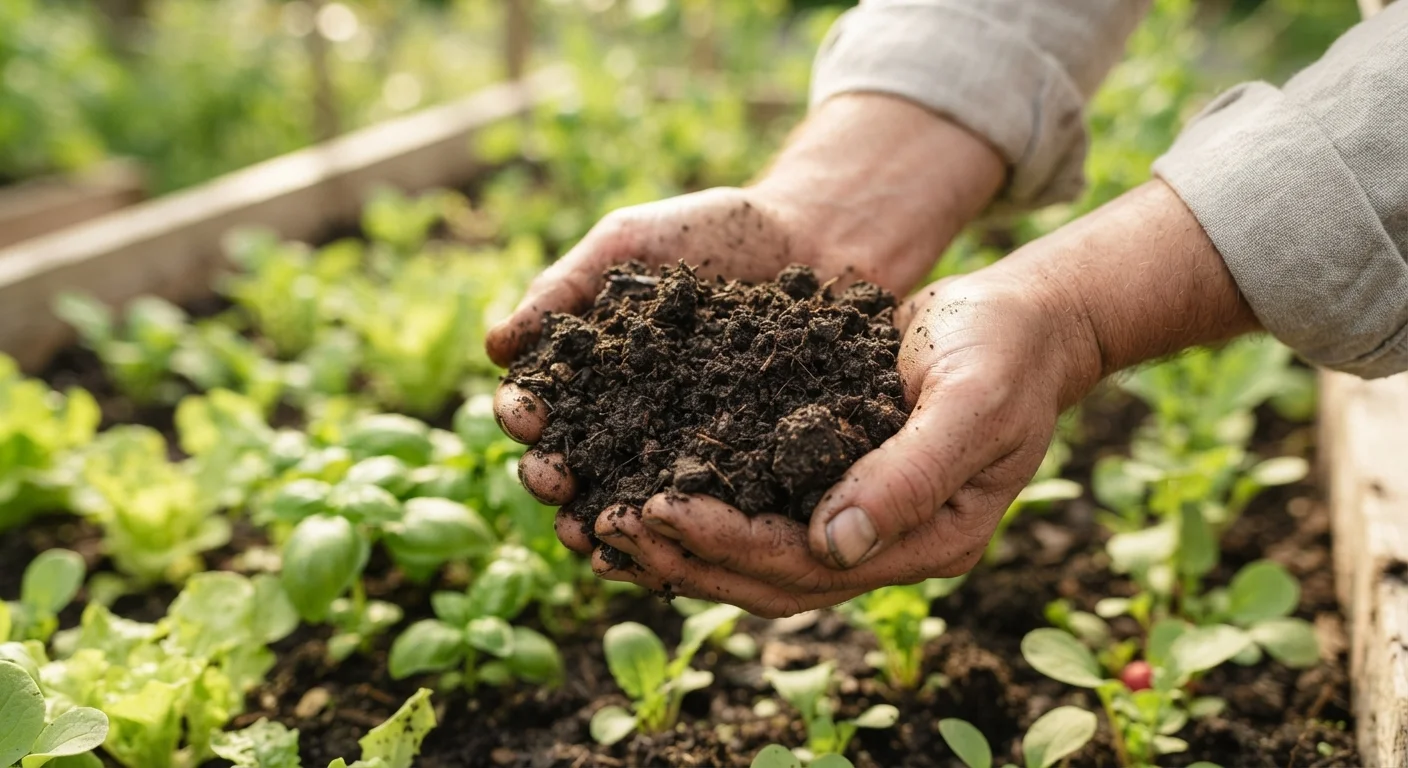
A single tablespoon of healthy garden soil can contain more microorganisms than there are people on Earth. These organisms break down organic matter, release nutrients in forms plants can absorb, suppress certain diseases, and bind soil particles into aggregates that hold air and water. When this system functions well, plants thrive with less intervention. When it is depleted or disrupted, no amount of fertiliser fully compensates.
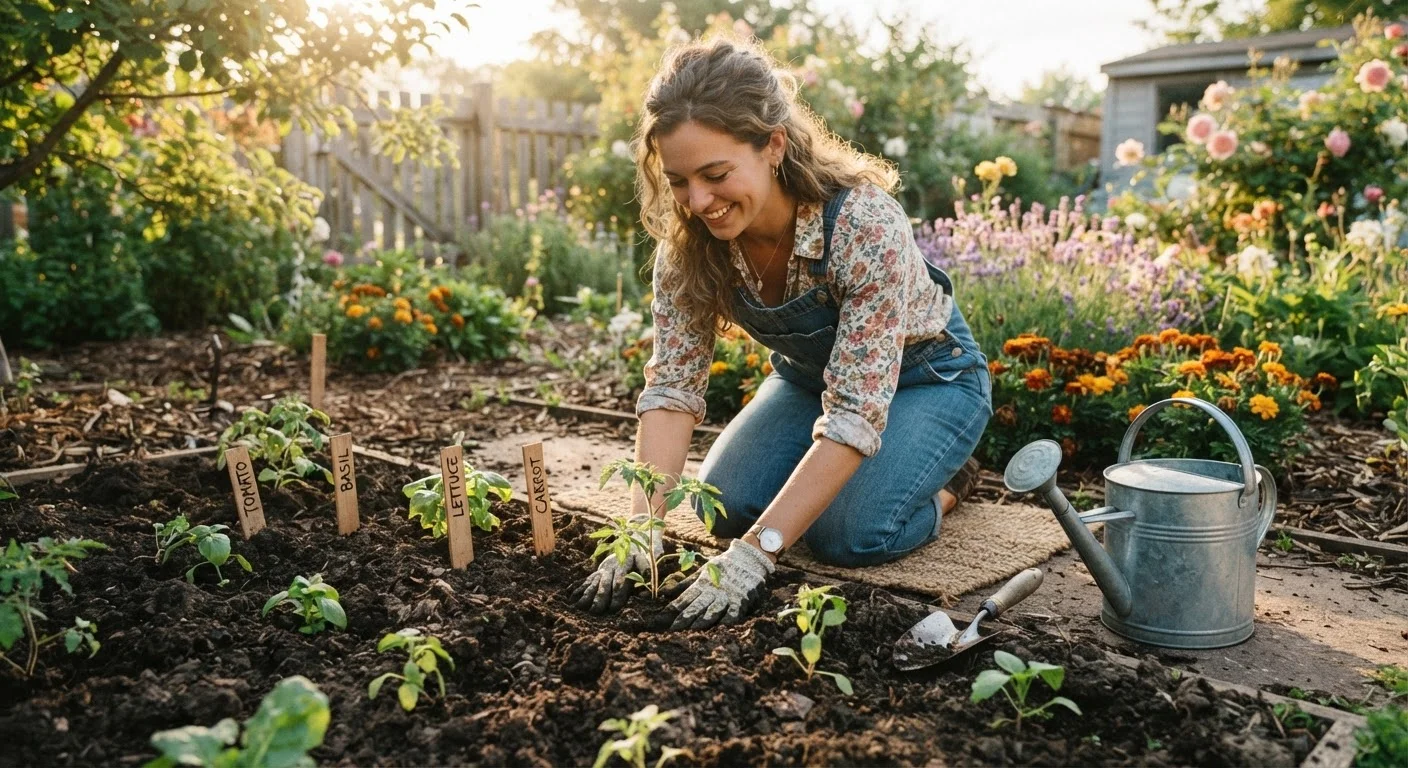
If you are just beginning to think about your outdoor space, our guide to starting a garden from scratch covers how soil preparation fits into that first-season foundation.
~1 billion
Bacteria per teaspoon of healthy soil
USDA Natural Resources Conservation Service estimates a single teaspoon of productive soil contains roughly one billion bacteria.
5%
Organic matter target for productive garden soil
Many soil scientists suggest garden beds perform best when organic matter comprises around 5% of soil volume, though many suburban soils start well below this.
6.0-7.0
Optimal pH range for most vegetables
According to the University of Minnesota Extension, most common vegetables and flowers perform best within this slightly acidic to neutral pH range.
The Three Pillars: Structure, pH, and Biology
Soil structure describes how individual particles of sand, silt, and clay clump together into aggregates. Good structure means pore spaces exist for roots to push through, water to drain, and oxygen to reach root zones. Compacted soil - common in high-traffic areas or where heavy clay dominates - collapses these pores, suffocating roots and causing water to pool on the surface rather than percolate down.
Soil pH measures acidity or alkalinity on a scale from 0 to 14, with 7 being neutral. pH matters because it controls which nutrients dissolve into soil water and become available to roots. Iron, for example, becomes locked out in alkaline soils above pH 7.5, causing the yellowing condition known as chlorosis even when iron is physically present. A simple pH test - available at most garden centres - can explain many persistent plant problems.
Soil biology is the invisible workforce. Mycorrhizal fungi extend plant root systems far beyond their physical reach, trading minerals for sugars. Bacteria fix atmospheric nitrogen into usable forms. Earthworms aerate the soil and accelerate decomposition. Practices like over-tilling, leaving soil bare, and heavy synthetic pesticide use can suppress this community, leaving plants dependent on external inputs.
Test Before You Amend
Before adding lime, sulfur, or any pH-adjusting amendment, test your soil first. Randomly amending without knowing your baseline can shift pH too far in the wrong direction. Many local cooperative extension offices offer low-cost soil testing that also reports nutrient levels, giving you a much clearer picture of what your soil actually needs.
Reading What Your Soil Is Telling You
Soil communicates clearly once you know the signals. Puddles that linger hours after rain indicate compaction or heavy clay. Pale or yellowing leaves on acid-loving plants like blueberries planted in alkaline soil signal a pH mismatch. Soil that dries into a hard crust after watering often lacks organic matter. A sour or ammonia-like smell can indicate waterlogged, anaerobic conditions where oxygen is absent.
The jar test is a useful diagnostic: fill a jar one-third with garden soil, top with water, shake vigorously, and let it settle for 24 hours. Sand settles first at the bottom, silt in the middle, clay on top, and organic matter floats. The relative proportions reveal your soil texture, helping you understand what amendments it may need.
Practical Steps to Build Healthier Soil
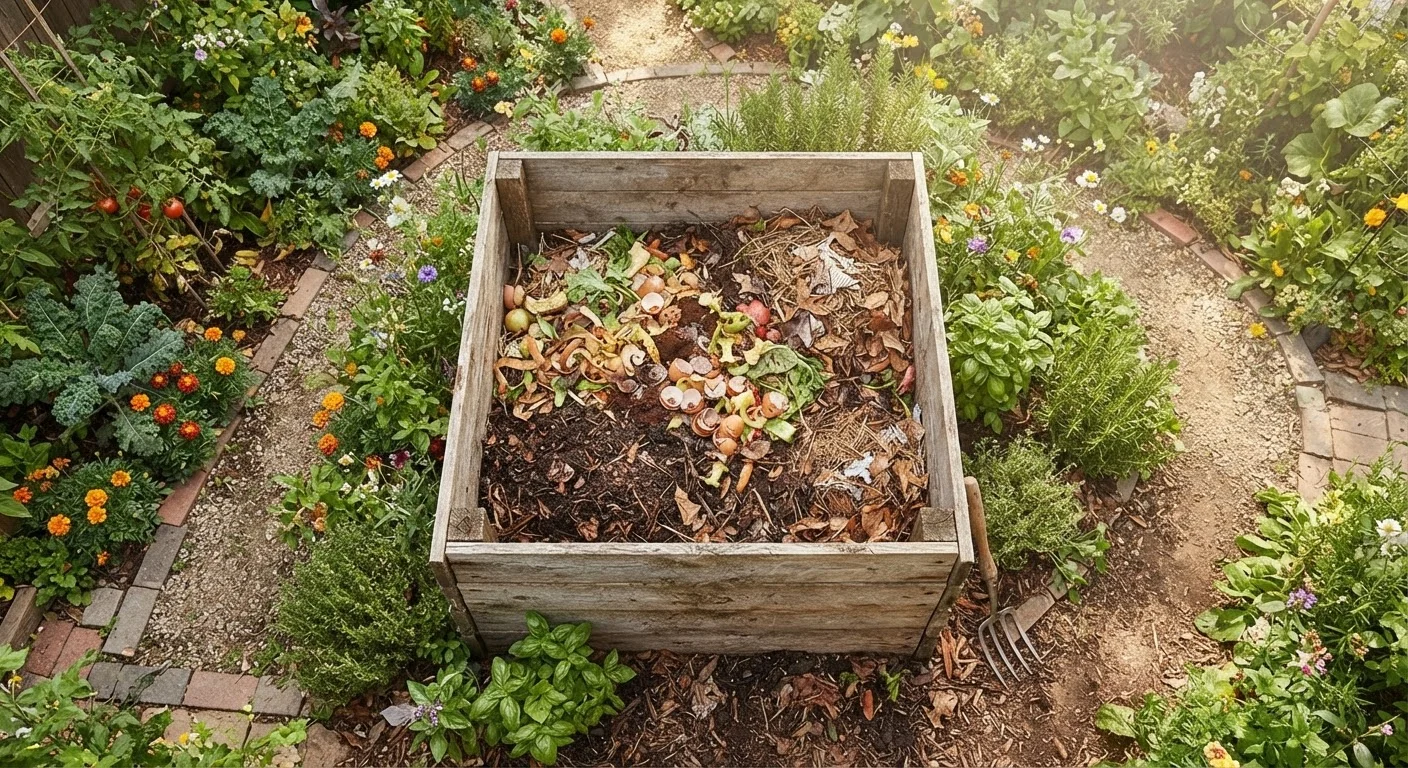
Building soil health is a gradual, rewarding process. Compost is the cornerstone - it improves nearly every soil type and feeds microbial life. Our guide to composting at home walks through setting up a system and knowing when your compost is ready to apply.
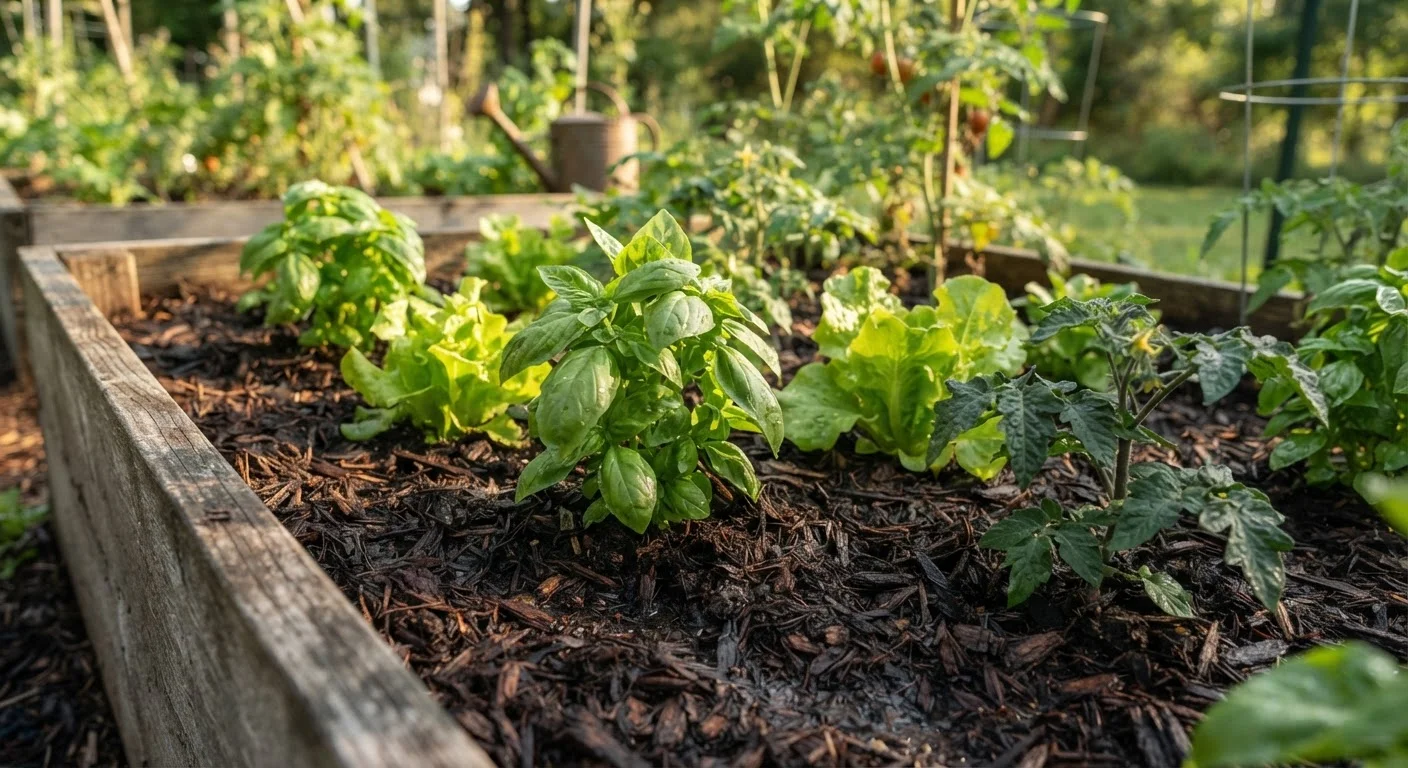
Mulching the surface of beds with organic materials like wood chips or straw protects soil from compaction by rain, moderates temperature, and slowly adds organic matter as it breaks down. See how mulching delivers outsized garden benefits with minimal ongoing effort.
Minimise soil disturbance by avoiding unnecessary tilling and keeping foot traffic off planted areas. Where possible, keep soil covered - either with plants, mulch, or cover crops - because bare soil erodes, crusts, and loses biology rapidly. These habits compound over seasons, gradually producing the kind of loose, dark, earthworm-rich soil that experienced gardeners recognise as the true engine of a thriving garden.
Soil Health and Pest Resistance
There is a well-supported connection between healthy soil and plant resilience to pests and disease. Plants growing in biologically active, well-structured soil tend to develop stronger cell walls and more robust root systems, making them less vulnerable to insect damage and fungal problems. For a broader look at working with your garden's natural defenses, see our article on natural pest control strategies.