Why Roof Mistakes Cost More Than They Should
A roof is designed to last decades - asphalt shingles typically carry a rated lifespan of 20 to 30 years - but that lifespan depends heavily on how the roof is maintained between professional visits. Most premature roof failures aren't caused by catastrophic storms or manufacturer defects. They trace back to a series of small, avoidable oversights that quietly compound over time.
Understanding these common missteps can help you protect one of your home's most important systems. If you're newer to homeownership, our first-time homeowner's maintenance primer is a helpful starting point before diving deeper into roof care.
Skipping annual roof inspections because the roof looks fine from the ground.
Why it happens: Roof problems often develop in areas not visible from street level - around flashing, in valleys, or at the ridge line. Homeowners assume no visible leaks mean no problems.
Allowing gutters to stay clogged with debris, causing water to back up under roofing material.
Why it happens: Gutter cleaning is easy to postpone, especially when the gutters appear to be draining adequately. Homeowners often don't connect gutter performance to roof health.
Walking across the roof frequently or incorrectly, cracking shingles and disturbing granules.
Why it happens: Homeowners may feel comfortable doing their own checks or minor repairs, not realizing that foot traffic - especially on dry, brittle asphalt - accelerates wear.
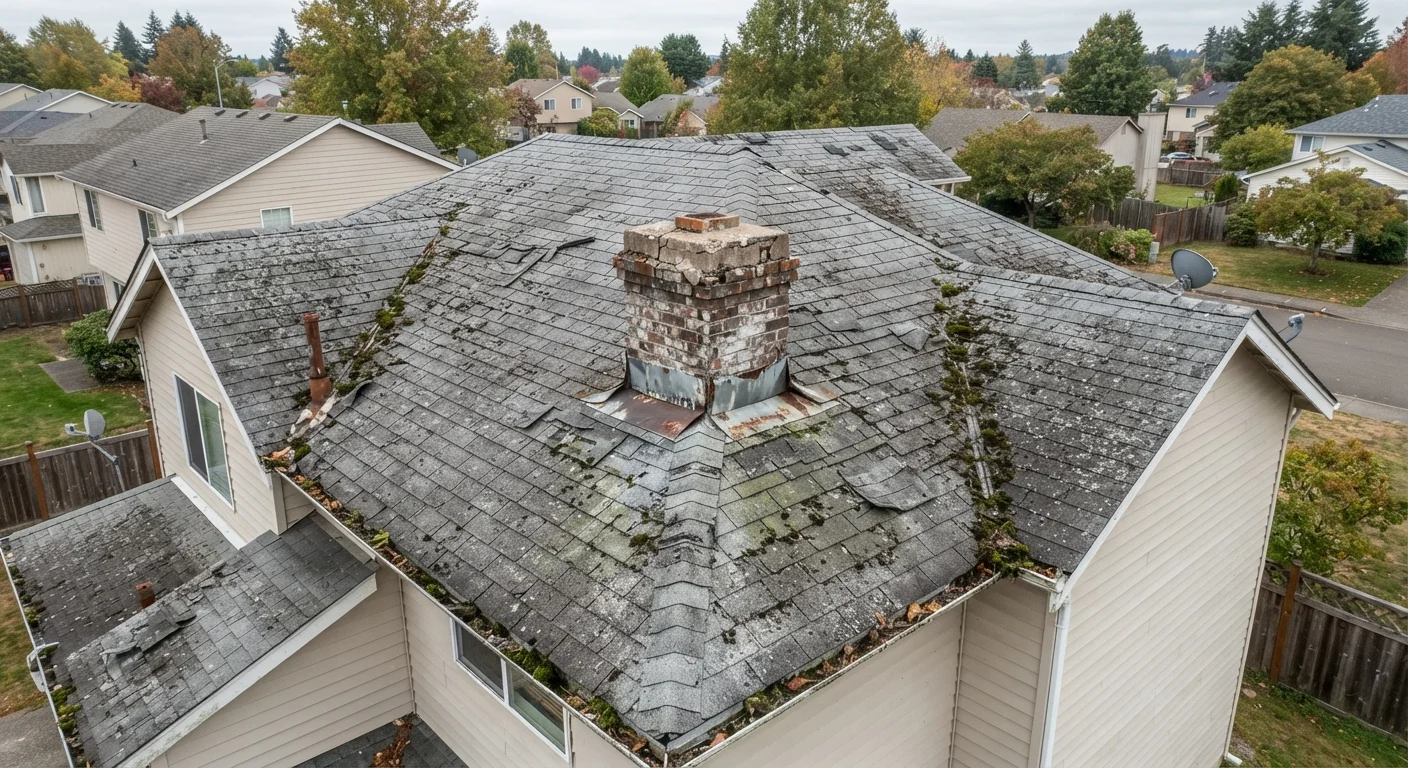
Ignoring moss, lichen, or algae growth until it covers large sections of the roof.
Why it happens: Early growth appears cosmetic. Homeowners may not realize that moss retains moisture against the shingle surface, speeding up material breakdown underneath.
Layering new shingles over old ones to save time and money during re-roofing.
Why it happens: Re-roofing over existing shingles avoids tear-off costs and labor, and local codes sometimes allow it. It's a tempting shortcut when budgets are tight.
The Habits That Quietly Accelerate Roof Wear
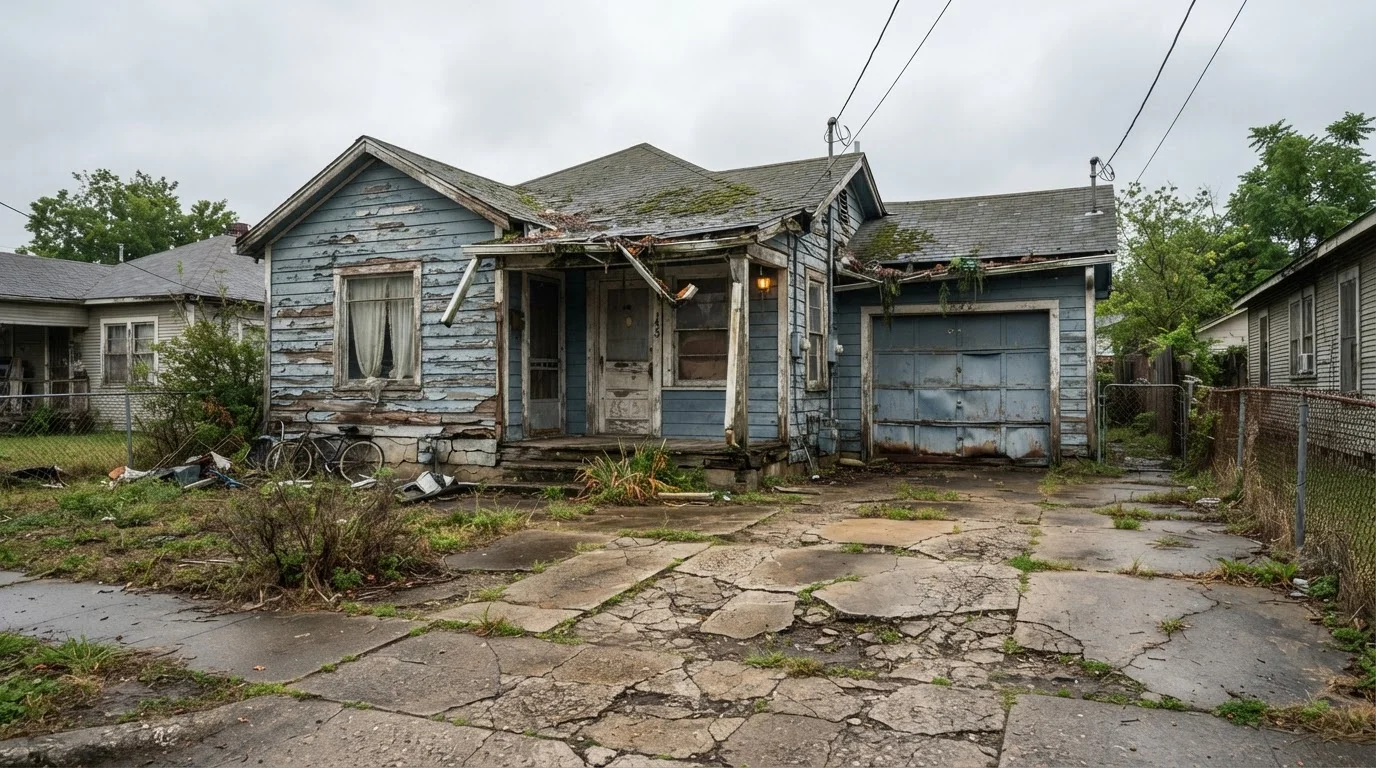
Beyond the specific mistakes outlined above, a few broader patterns tend to shorten roof life consistently. Deferred action is the most common. Homeowners notice a lifted shingle or a dark stain on a ceiling and add it to a mental list - where it stays untouched for months. As detailed in our article on the real cost of skipping routine home maintenance, small neglected issues rarely stay small.
Attic ventilation is another underappreciated factor. When heat and moisture can't escape through proper ridge and soffit vents, they build up under the roof deck. This accelerates shingle deterioration from below and can cause decking to warp or rot - damage that isn't visible until it's already significant.
40%
Of roof failures linked to improper maintenance
Industry estimates from roofing trade associations suggest that a significant portion of early roof failures stem from inadequate upkeep rather than product defects or storm damage.
2x
Cost increase from delayed minor repairs
General contractor data indicates that small roof repairs - such as resealing flashing or replacing a few shingles - can cost twice as much or more once water intrusion has damaged underlying decking.
Finally, failing to keep records of repairs, inspections, and contractor visits creates gaps that complicate insurance claims and warranty coverage. A simple maintenance log, as explained in our guide to keeping a home maintenance log, costs nothing but pays off when documentation matters most.
Know When to Call a Licensed Roofer
Any work involving structural decking, flashing replacement, or repairs near electrical equipment should be handled by a licensed roofing professional. In many states, significant roofing work also requires a permit - check with your local building department before starting. Improper repairs can void manufacturer warranties and create liability issues if the home is later sold.
Roof maintenance doesn't require expertise - it requires consistency. Building roof checks into your seasonal home maintenance routine is the simplest way to catch problems before they escalate.