Understanding the Core Difference
The single most important distinction between annuals and perennials is their life cycle. Annual plants germinate, grow, flower, set seed, and die - all within one growing season. Common examples include marigolds, zinnias, petunias, and basil. Once frost arrives, they're done, and you'll need to replant the following spring.
Perennial plants, by contrast, die back to the ground in winter but their root systems survive, sending up new growth each spring. Coneflowers, black-eyed Susans, hostas, and daylilies are familiar perennials in US gardens. They may look modest in their first season as they invest energy underground, but they return stronger each year.
If you're planning your very first garden, understanding this cycle helps you set realistic expectations and avoid disappointment when a perennial seems underwhelming in year one.
| Criterion | Annual Plants | Perennial Plants |
|---|---|---|
| Life cycle | One growing season | Returns each year |
| Upfront cost per plant | Generally lower | Generally higher |
| Long-term cost | Repurchased every year | One-time purchase, spreads over time |
| First-season color impact | High - blooms all season | Modest - establishing roots |
| Maintenance level | Replanting required each spring | Lower once established |
| Design flexibility | Change layout every year | Fixed placement long-term |
| Propagation potential | Self-seeds in some cases | Divides and spreads readily |
Cost, Effort, and Long-Term Value
Annuals are generally inexpensive per plant at the nursery, but that cost recurs every single year. Over five seasons, a border planted entirely with annuals carries a significant cumulative price tag - plus the labor of replanting each spring. That said, annuals deliver immediate, season-long visual impact that young perennial plantings simply can't match.
Perennials tend to cost more upfront, but many spread gradually through division or self-seeding, meaning your initial investment multiplies over time. A clump of coneflowers purchased in year one can be divided into three or four plants by year four - essentially free stock for new beds or to share with neighbors.
3-5 years
Typical perennial break-even vs. annuals
Gardening educators generally estimate that perennials offset their higher purchase price within three to five seasons when factoring in division and spreading.
~$3-$6
Typical annual plant cost at nursery
Individual annual transplants at garden centers commonly retail in the three-to-six dollar range, though prices vary by region and plant type.
The smartest approach for most gardeners is a hybrid strategy: use perennials as your structural backbone and fill gaps with annuals while the perennials mature. Over time, as your perennials spread and fill in, you naturally reduce the number of annuals you need to buy. For more ways to stretch your gardening budget, the principles in budgeting basics apply just as well to garden planning as to household finances.
Designing a Garden That Grows with You
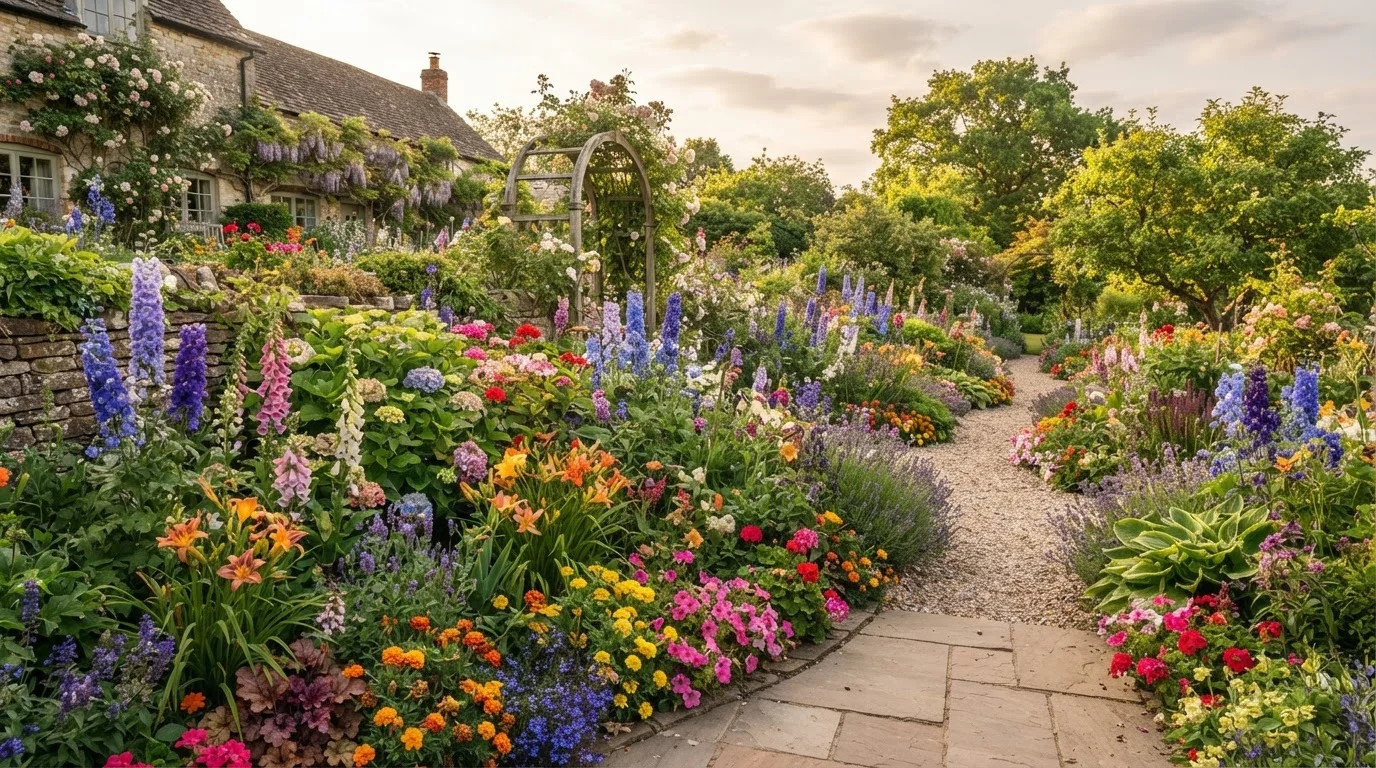
A garden that evolves gracefully is rarely accidental - it's the result of deliberate layering. Start by identifying which areas need permanent structure: borders, focal points, or transition zones between lawn and beds. These are prime spots for perennials. Then use annuals freely in the remaining space, particularly in the foreground where vivid seasonal color is most appreciated.
Pay attention to bloom timing as you select perennials. A well-chosen mix can deliver color from early spring through late fall - for example, tulips and hellebores in spring, salvia and coneflowers through summer, and asters and sedums in autumn. Annuals like impatiens or begonias can plug any gaps in color during summer's peak.
Thoughtful layout decisions made early - including how you group plants and leave room for perennials to expand - save a significant amount of rework down the line. Also consider your USDA hardiness zone before purchasing perennials; a plant rated for zones 7-9 won't survive a zone 5 winter, no matter how well established it becomes.
Check Your Hardiness Zone First
Before purchasing any perennial, verify your USDA Plant Hardiness Zone - a free resource available through the USDA website using your zip code. A perennial labeled 'hardy' in one region may not survive winter in another. Buying zone-appropriate plants is one of the most effective ways to avoid disappointment and unnecessary plant loss.
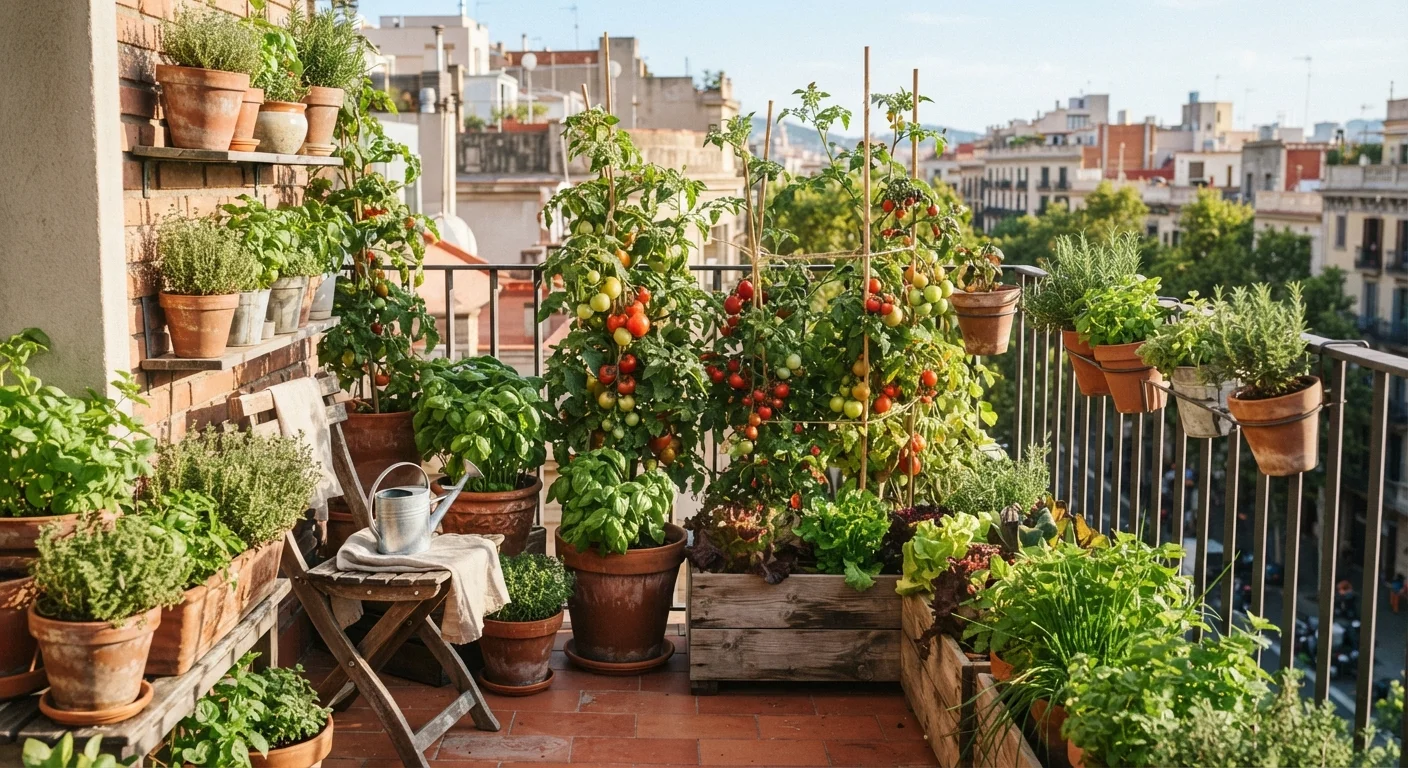
For gardeners working with containers or limited outdoor space, annuals often make more practical sense since pots don't provide the insulation perennial roots need to overwinter reliably. Our guide to container gardening on a balcony or patio covers the specific challenges of growing in confined spaces.
Pair your planting choices with a seasonal maintenance calendar. Knowing which tasks belong in each quarter - deadheading annuals, dividing perennials, or cutting back spent growth - keeps both plant types performing at their best.