Why Solo Travel Is Worth Trying
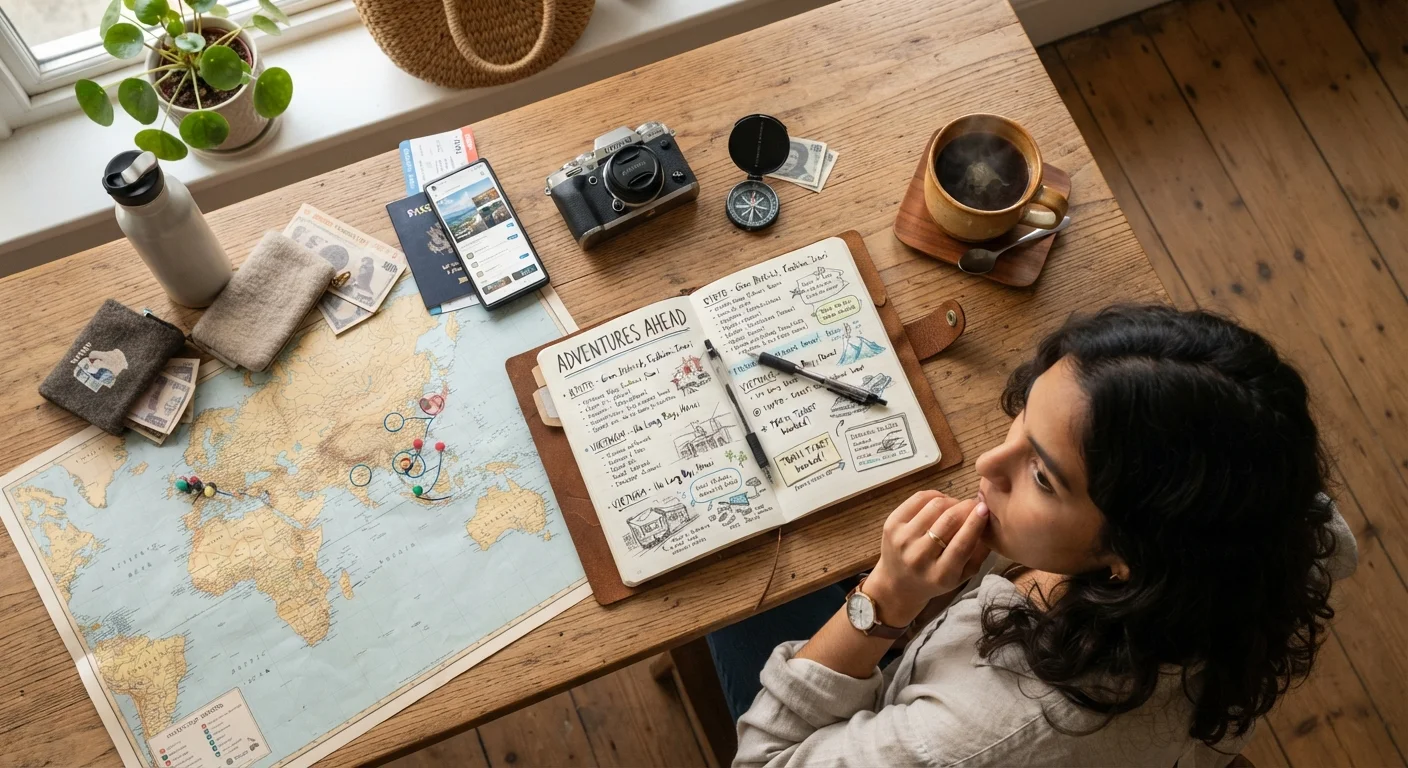
Traveling alone for the first time can feel intimidating - and that feeling is completely valid. But solo travel also offers something group trips rarely can: the freedom to move entirely on your own schedule, pursue the things that genuinely interest you, and build a quiet confidence that tends to outlast the trip itself.
First-timers often worry they'll be lonely, unsafe, or hopelessly lost. What most discover instead is that solo travel is one of the more self-correcting experiences available to curious people. You learn to ask for help, improvise when plans shift, and trust your own instincts in new environments. See our grounded introduction to solo trip planning for a structured overview if you're still in the decision phase.
Start Smaller Than You Think You Should
Your first solo trip doesn't need to be a month-long backpacking odyssey. A long weekend in a nearby city or a three-day domestic trip can give you a genuine taste of solo travel without high stakes. Starting modest lets you identify what you're comfortable with before committing to a more complex journey.
Choosing Your First Solo Destination
The single biggest factor in a positive first solo trip is matching the destination to your current comfort level - not to what sounds most impressive. For first-timers, destinations with strong tourist infrastructure, reliable public transport, and relatively low language barriers tend to produce smoother experiences.
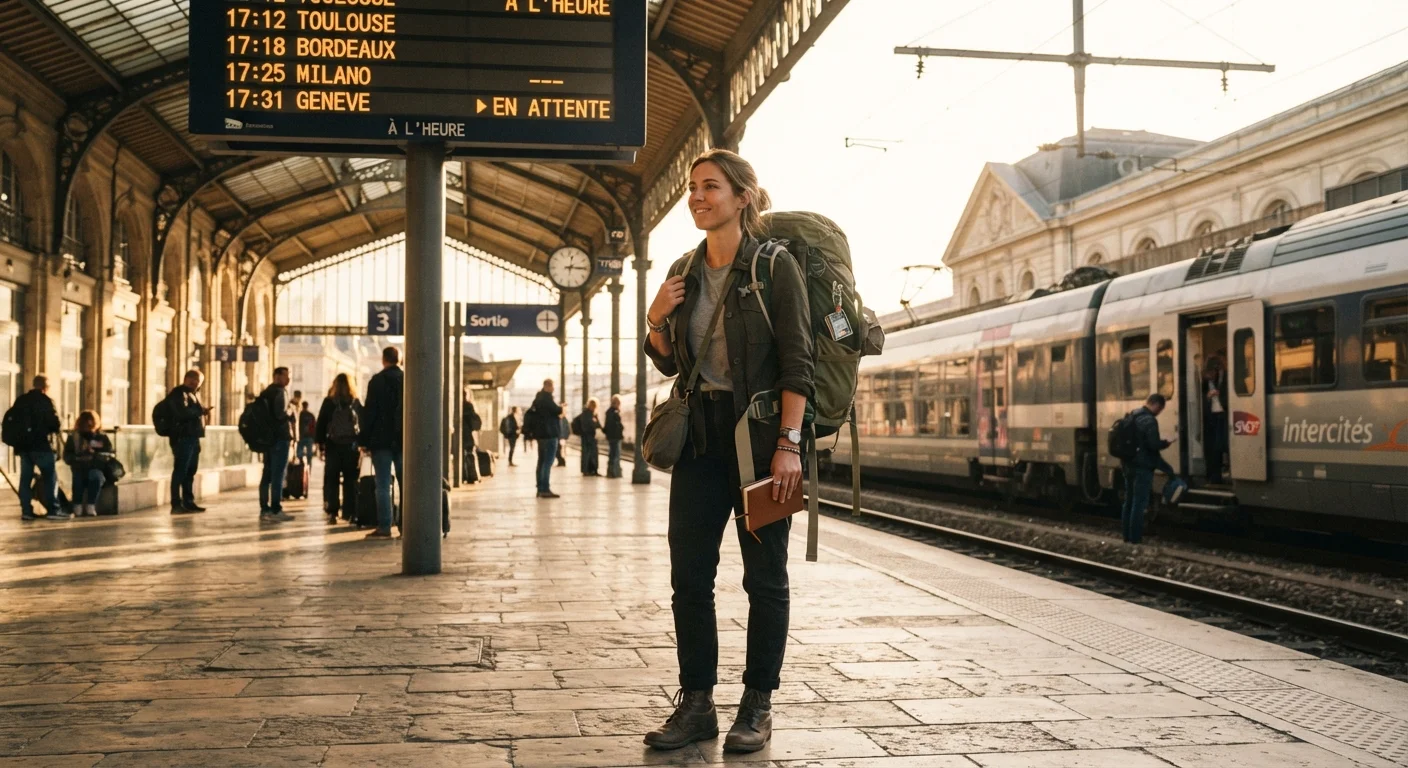
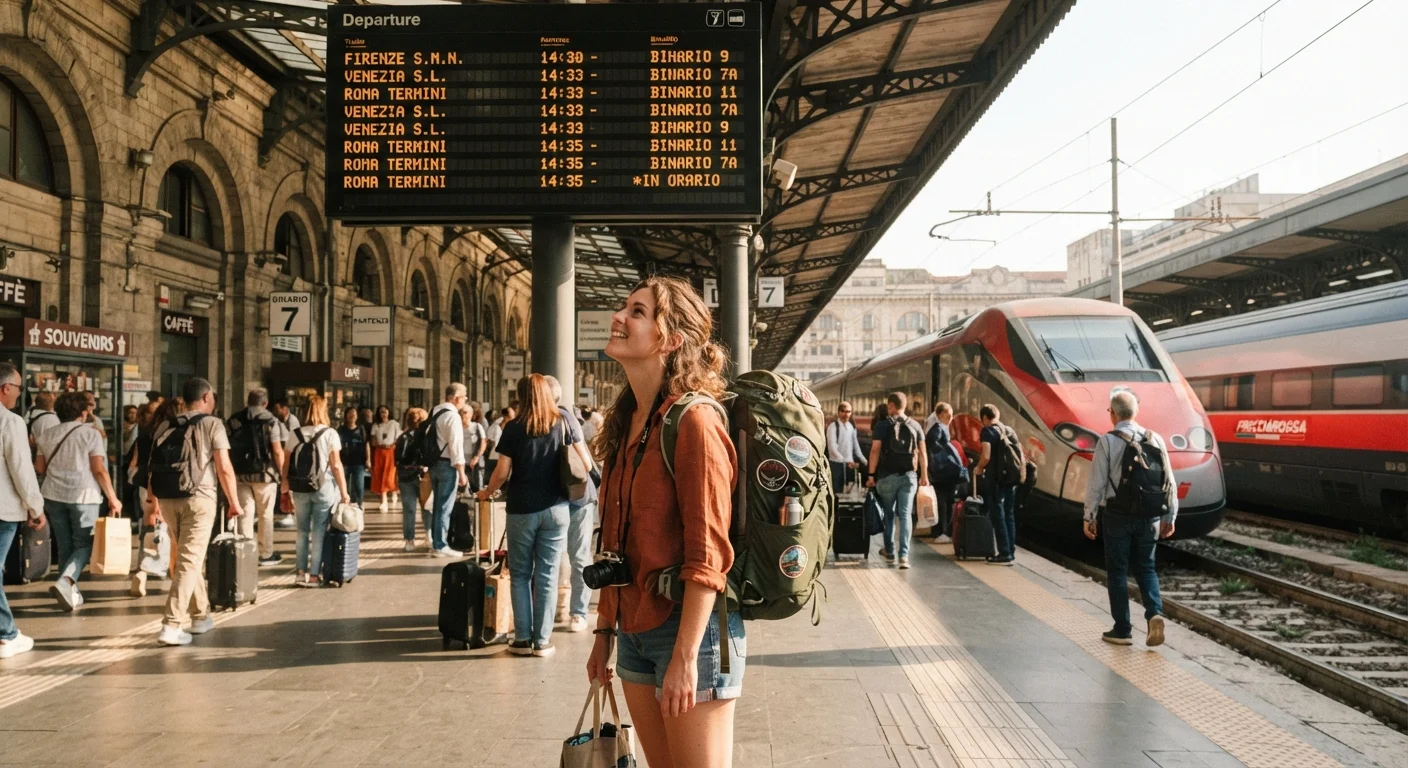
That doesn't mean staying home or choosing somewhere boring. It means being honest about what would genuinely stress you out. If navigating a complex transit system in a language you don't speak sounds overwhelming right now, a city with clear English signage and well-marked metro systems is a smarter starting point than a remote destination requiring multiple connecting buses.
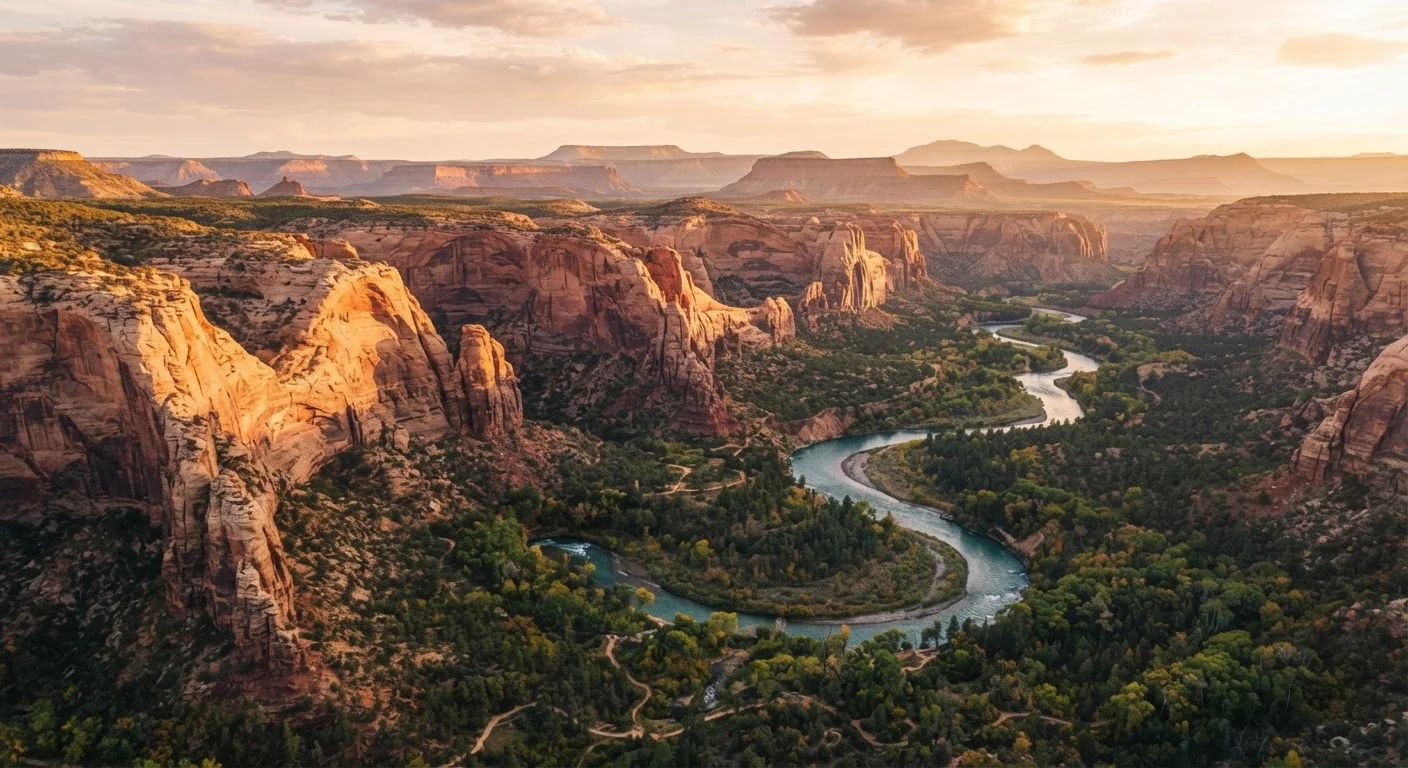
Before committing, work through the questions worth asking before choosing a destination - they help you align the trip to your budget, time, and interests rather than defaulting to wherever's trending. And if you're based in the US, don't overlook domestic options: America's national parks offer remarkable solo travel experiences with solid infrastructure.
Travel advisory
An official government warning or informational notice about the safety, entry requirements, or health conditions in a specific country or region. In the U.S., these are published by the State Department.
STEP (Smart Traveler Enrollment Program)
A free U.S. State Department service that lets American travelers register their trip with the nearest embassy, making it easier to receive alerts and assistance abroad.
Daily travel budget
An estimate of how much you plan to spend per day, covering accommodation, food, transport, and activities. Setting one before departure helps you avoid running short mid-trip.
Contingency fund
A financial buffer - typically 15-20% above your estimated trip cost - set aside to cover unexpected expenses like medical costs, rebooking fees, or lost items.
Tourism infrastructure
The systems and services that support travelers in a destination: signage, public transport, tourist information offices, and accommodation options. Strong infrastructure makes independent navigation easier.
Travel insurance
A policy that can cover financial losses from trip disruptions, medical emergencies, lost luggage, or evacuation costs. Coverage terms vary widely, so reading the policy before purchasing matters.
Budgeting and Managing Money on the Road
Money anxiety is one of the most common stressors for solo travelers - partly because you don't have anyone to split costs with. The fix isn't to spend less; it's to know your numbers before you leave.
Build a realistic daily budget that covers accommodation, meals, local transport, activities, and a contingency fund of at least 15-20% above your estimated total. If you've never formally budgeted before, the ground-up budgeting guide for beginners is a practical starting point. Broad strategies from the Budgeting Basics hub also translate well to travel planning.
On the road, a few habits make a real difference: withdraw local currency in modest amounts from bank ATMs rather than airport exchange counters, carry a backup payment card stored separately from your primary wallet, and track spending daily rather than letting it accumulate invisibly. Solo travelers eating where locals eat - markets, canteen-style spots, neighborhood bakeries - almost always spend less and eat better than those defaulting to tourist-district restaurants.
Single-Occupancy Costs Are Real
Many hotels charge a 'single supplement' - an extra fee for one person occupying a room priced for two. When comparing accommodation options, check whether the listed price is per person or per room. Hostels, guesthouses, and apartment rentals often provide better value for solo travelers than standard hotel rooms.
Staying Safe as a Solo Traveler
Safety on a solo trip is less about avoiding all risk and more about reducing unnecessary risk through preparation. Start before departure: check your government's official travel advisory for your destination (the U.S. State Department publishes these at travel.state.gov), enroll in the free Smart Traveler Enrollment Program (STEP) so the nearest embassy knows you're in-country, and ensure your travel insurance covers medical evacuation.
Pack smart: a carry-on only approach keeps your belongings close and your movement flexible. Use hotel or hostel safes for your passport and spare cash. On the digital side, public Wi-Fi is genuinely risky - see how to protect your data on the road for practical steps that take minutes to set up.
Trust your gut: if a situation, person, or location feels off, it's always fine to leave. Solo travel doesn't require you to prove anything to anyone.
Handling Loneliness and the Unexpected
Loneliness on a solo trip tends to arrive in waves - often on the first night in a new place, or during a meal you wish you could share. It's a normal part of the experience, not a sign you made the wrong call. Most solo travelers find that it passes quickly once they get moving and start interacting with their surroundings.
Practical ways to connect: book a bed in a hostel with an active common area at least once per trip, join a free walking tour (tipping is the norm), or sign up for a day excursion where group size is built in. Don't underestimate conversations with guesthouse staff, fellow museum visitors, or people at a café - solo travelers are often more approachable than they realize.
When things go sideways - a missed train, a booking error, an illness - slow down and solve one problem at a time. Build your itinerary with enough flex that disruptions don't cascade. Our complete itinerary planning walkthrough covers how to structure this kind of buffer intentionally. And dispel any lingering myths before you go with a look at common travel planning myths - they trip up first-timers more often than the logistics do.
Don't Over-Plan to Compensate for Anxiety
It's tempting to schedule every hour of a solo trip to feel more in control. In practice, over-packed itineraries leave no room to rest, recover from delays, or follow something interesting you stumbled across. Build in at least one or two unstructured half-days per week - your future self will thank you.