
Stop browsing and start asking
Most trip-planning mistakes don't happen at the booking stage - they happen much earlier, when a destination is chosen based on a photo, a friend's recommendation, or a vague sense of wanderlust rather than a clear match to actual circumstances. The result: trips that cost more than expected, exhaust rather than refresh, or simply don't deliver what was hoped for.
The antidote isn't more research - it's better questions. Before committing to any destination, work through these six questions honestly. They're designed to help you align where you go with your real budget, available time, personal interests, and practical readiness. For a broader look at how destination choice fits into the full planning process, see The Anatomy of a Well-Planned Trip.
Write your answers down before researching
Before you open a single travel website, jot down your honest answers to these questions on paper. It takes five minutes and gives you a personal filter to apply to every destination you encounter. You'll quickly notice which options genuinely fit your constraints - and which ones you're just excited about because they look beautiful on social media.
What is my realistic total budget for this trip?
Flight costs, accommodation, food, local transport, activities, travel insurance, and unexpected expenses all add up quickly. Before falling in love with a destination, calculate what you can genuinely afford - including the days off work, if applicable. A trip to Southeast Asia and a trip to Western Europe can both fit a moderate budget, but they require very different spending strategies. Knowing your ceiling helps you evaluate destinations honestly rather than getting committed and scrambling later. For a deeper look at budgeting strategies, see the Budgeting Basics hub.
Knowing your true budget ceiling lets you evaluate destinations honestly, not optimistically.
How much time do I actually have?
A weekend trip and a two-week vacation call for entirely different destinations. Factor in travel time both ways - a domestic destination might take four hours door-to-door, while a long-haul international flight can eat an entire day each direction. If your total time off is five days, spending two of them on planes reduces your on-the-ground experience considerably. Match destination ambition to available time rather than cramming too much into too little.
Travel time is part of your trip - always subtract it from your available days.
What kind of experience am I actually looking for?
Rest and relaxation, cultural immersion, outdoor adventure, food exploration, history, nightlife - these are very different travel goals, and different destinations serve them better than others. Be honest with yourself. A beach resort suits someone seeking genuine downtime; a dense urban environment suits someone who wants museums and street food. Misaligning your destination with your actual travel personality often leads to disappointment, no matter how stunning the setting.
The most spectacular destination still disappoints if it doesn't match what you actually want.
When is the right time of year to go?
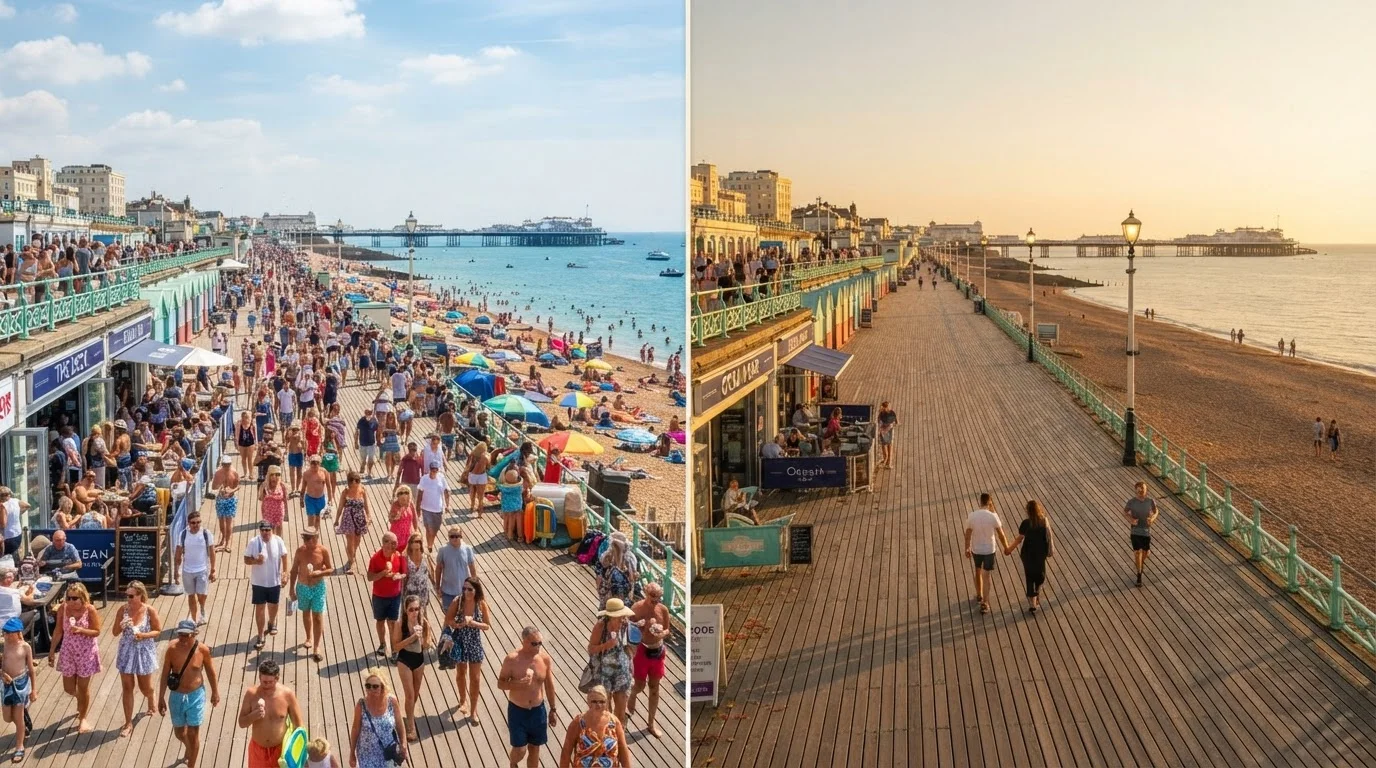
Seasonality shapes everything: weather, crowd levels, costs, and which activities are even available. Some destinations are magical in their shoulder season - fewer visitors, lower prices, and a more relaxed atmosphere - while others are genuinely best experienced at peak times. Comparing peak season vs. the shoulder period can help you weigh those trade-offs clearly. For US-focused travel, off-season travel in the US offers a balanced look at the real advantages and drawbacks.
Timing your visit around seasons can transform the cost and feel of the same destination.
Do I meet the entry requirements - and are conditions safe?
Visa requirements, passport validity rules, vaccination recommendations, and travel advisories vary by destination and can change with little notice. Some countries require visas obtained weeks in advance; others have arrival restrictions based on your citizenship. Travel advisories issued by the US Department of State provide current safety assessments for destinations worldwide. Always verify entry requirements and safety conditions directly through official government sources - not third-party summaries - before booking anything. See our pre-trip planning checklist for a step-by-step walkthrough of what to confirm before you commit.
Entry requirements and safety conditions change - verify through official sources, not assumptions.
Am I physically and logistically prepared for this destination?
Some destinations demand a level of physical fitness, cultural adaptability, or logistical tolerance that deserves honest self-assessment. High-altitude destinations, remote trekking routes, or places with limited accessibility infrastructure each come with real considerations. Similarly, destinations where you don't speak the language, where infrastructure is limited, or where the pace of local life is unfamiliar can be wonderful - but require a different kind of preparation and comfort with uncertainty. Matching your current readiness to the destination's demands sets you up for a genuinely enjoyable trip rather than an endurance test.
Honest self-assessment about fitness and adaptability prevents a destination from becoming an ordeal.
Putting it all together
These questions don't have to slow you down - they sharpen your direction. A destination that genuinely fits your budget, timeline, interests, and readiness will almost always deliver a better experience than one chosen impulsively, no matter how appealing it looked online.
Once you've worked through this framework and landed on a destination that makes sense, the next step is confirming all the practical details before any money changes hands. Our pre-trip planning checklist walks you through documents, health prep, entry requirements, and budget verification - everything worth confirming before you commit. For ongoing travel strategies, the Travel Smart hub covers ways to stay safe, spend wisely, and move through the world with greater confidence.
Conditions and requirements change frequently
Visa policies, health entry requirements, and travel advisories are subject to change - sometimes rapidly. Information from travel blogs, forums, or even this article may not reflect the most current situation. Always verify directly with official government sources (such as travel.state.gov for US travelers) and the destination country's embassy before making any bookings.