How the National Park System Actually Works
The US National Park System is managed by the National Park Service (NPS), a federal agency within the Department of the Interior. What surprises many first-timers is the sheer scale: the system encompasses more than 400 individual sites spread across all 50 states, Washington D.C., and several US territories. That number includes not just the famous "national parks" - like the Grand Canyon or Great Smoky Mountains - but also national monuments, national seashores, battlefields, historic sites, and scenic riverways.
Each designation carries a specific meaning. A national park is typically a large, protected natural landscape established by Congress. A national monument can be created by presidential proclamation and may focus on a particular natural feature or cultural site. A national recreation area often allows more varied activities, including motorized boating. Understanding these distinctions helps you set realistic expectations for what you'll find.
National Park Service (NPS)
The federal agency responsible for managing and protecting more than 400 national parks, monuments, and other designated sites across the United States.
Timed-Entry Reservation
A required advance booking that allows a visitor to enter a park during a specific time window, used at high-traffic parks to manage crowd levels.
America the Beautiful Pass
An annual federal pass that covers entrance fees at national parks and other federal recreation lands for one calendar year from the date of purchase.
Leave No Trace
A set of outdoor ethics principles that guide visitors to minimize their impact on natural environments - including packing out trash, staying on trails, and respecting wildlife.
Backcountry
Remote, undeveloped areas of a park away from roads and facilities, typically accessed by multi-day hiking and requiring a separate permit.
Visitor Center
A staffed facility at or near a park entrance where rangers provide maps, safety information, interpretive exhibits, and answers to visitor questions - usually free to use.
All NPS sites share one important trait: they are preserved for public enjoyment while protecting their natural and cultural resources for future generations. That dual mission - access and preservation - shapes every rule you'll encounter, from trail closures to wildlife viewing distances.
Entry Fees, Passes, and What You'll Pay
Not every NPS site charges an entrance fee, but many of the most popular ones do. Fees vary considerably - a standard vehicle pass for a week at a fee-charging park can range from a modest day-use charge to over $35 at the busiest sites. Fees go directly toward park operations and maintenance, so they're a meaningful contribution to the places you're visiting.
For anyone planning to visit more than two or three fee-charging parks, the America the Beautiful Annual Pass is worth understanding. A single annual pass covers entrance fees at all NPS sites and many other federal recreation lands for one year, valid for a non-commercial vehicle and its occupants. Free or discounted passes are available for US military members, fourth-grade students (through the Every Kid Outdoors program), and those with permanent disabilities.
Check the Pass Before You Pay
If you're visiting two or more fee-charging parks in a year, compare the combined entrance costs against the annual pass price - the math often favors the pass quickly. The America the Beautiful Pass is available at park entrance stations and online through official federal recreation channels. Discounted and free versions for qualifying groups are worth checking before you purchase the standard pass.
To keep track of your broader travel budget across trips, it helps to think through park costs alongside transportation and accommodation. Our budgeting basics hub can help you build a framework for travel spending that doesn't catch you off guard.
Planning Your Visit: Timing, Crowds, and Reservations
Timing is one of the most consequential decisions you'll make. Summer (June through August) brings the largest crowds to most parks, along with the warmest conditions - but also the highest likelihood that facilities and campgrounds are fully booked. Spring and fall often offer a compelling balance of pleasant weather and thinner crowds, though conditions vary dramatically by geography and elevation.
A growing number of high-traffic parks now require timed-entry reservations during peak periods. These are separate from campground reservations and control how many day visitors can enter during specific time windows. Check the official NPS website (nps.gov) for current reservation requirements well before your trip - these policies change and are updated seasonally.
For a balanced look at visiting popular US destinations outside the summer rush, see our article on off-season travel trade-offs. And if you're building a road trip that passes through multiple parks, the trip planning hub is a useful starting point for organizing your route.
Reservations Fill Up Months in Advance
At parks like Yosemite, Zion, and Rocky Mountain, timed-entry permits and campground reservations can sell out within minutes of becoming available - sometimes four to six months before peak season dates. If a specific park at a specific time matters to you, treat the reservation process as part of your planning, not an afterthought. Having backup park options in mind is a practical strategy.
What to Expect Once You Arrive
Your first stop at any national park should be the visitor center. Rangers there provide free maps, current trail conditions, wildlife sighting reports, and safety briefings. Junior Ranger programs - technically aimed at kids but genuinely engaging - can also be a fun way to structure your first exploration of a park's highlights.
Cell service is frequently limited or absent, so download offline maps (the NPS app includes downloadable park maps) and let someone outside the park know your daily plans. Water sources on trails may require treatment; carry enough for your planned exertion level and conditions. Always follow posted guidelines around wildlife - maintaining required distances from animals like bison or bears isn't just a rule, it's a genuine safety practice.
For a broader look at what to verify before heading into an unfamiliar region of the country, our guide on traveling to unfamiliar US regions covers road conditions, weather patterns, and local considerations worth confirming in advance.
Choosing Your First Park
With more than 400 options, choosing a starting point can feel paralyzing. The most useful filter is honest self-assessment: What's your fitness level? Do you want dramatic scenery you can enjoy from a car window, or are you ready to hike several miles? Are you traveling solo, with kids, or with older family members who need accessible facilities?
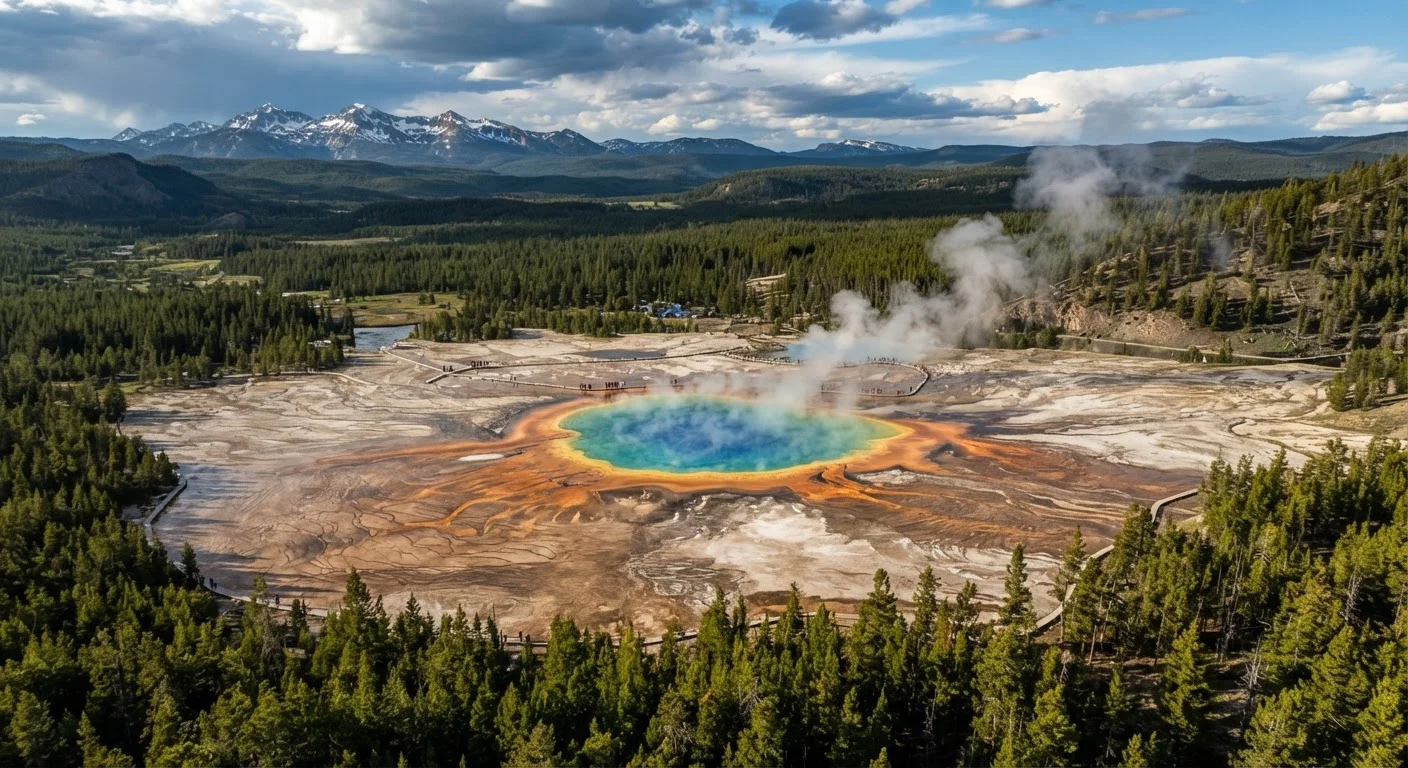
Great Smoky Mountains National Park - the most visited park in the system - requires no entrance fee and offers a wide range of difficulty levels. Acadia in Maine combines coastal scenery with well-maintained carriage roads ideal for cycling and walking. For those drawn to the iconic American West, Yellowstone's geology, wildlife, and history make it genuinely unlike any other destination.
If you're heading out solo, solo travel preparation can help you approach the logistics with confidence. Whatever park you choose, arrive curious, leave no trace, and let the rangers guide you - they are among the most knowledgeable and enthusiastic resources the parks have to offer.
This article provides general travel information only. Park policies, fees, reservation requirements, and conditions change regularly - always verify current details through the official National Park Service website (nps.gov) and relevant government sources before your visit.