
Why Solo Travel Feels Daunting (And Why That's Normal)
Planning a solo trip stirs up a specific cocktail of excitement and anxiety that almost every first-timer experiences. You're not just organizing flights and hotels - you're deciding to navigate an unfamiliar place entirely on your own terms. That's a real mental leap, and it deserves acknowledgment rather than dismissal.
The overwhelm usually stems from a few sources: too many decisions at once, fear of the unknown, and the nagging worry that something will go wrong with no one to help. The good news is that all three are manageable with structured preparation. Solo travel isn't about being fearless - it's about building enough familiarity with the process that fear stops being the loudest voice in the room.
For a broader view of what goes into any well-organized journey, see The Anatomy of a Well-Planned Trip, which walks through the core planning phases from research to day-of logistics.
Choosing Your First Destination Wisely
Your first solo destination should reduce variables, not maximize bragging rights. The goal isn't the most exotic place on your bucket list - it's a place where you can build competence and confidence without unnecessary friction.
Consider these factors when shortlisting destinations:
- Infrastructure reliability: Predictable public transport, widely available accommodation, and clear signage reduce daily stress significantly.
- Language accessibility: A destination where English is spoken or widely understood removes a major barrier for first-timers.
- Entry requirements: Simple or visa-free entry for US citizens means one fewer moving part. Always verify current requirements through official government channels before booking.
- Traveler ecosystem: Well-trodden routes mean more resources, better-reviewed accommodation, and easier logistics.
Domestic trips - including US national parks - are a genuinely smart starting point. Our first-timer's guide to national parks covers how the system works and what to expect.
Start Shorter Than You Think
A three-day domestic solo trip teaches you more about your planning style than any amount of reading. Consider a weekend trip to a nearby city or a national park as your proof-of-concept journey before tackling something bigger. The skills transfer directly - and the confidence compounds.
Building a Realistic Budget Before You Book
Budgeting for solo travel requires honesty about your spending habits and thoroughness about what actually costs money. Solo travelers pay single-room supplements, carry all transport costs themselves, and don't split restaurant bills - these realities add up quickly if unaccounted for.
A workable solo trip budget covers six categories:
- Flights or transport to destination
- Accommodation (nightly rate × number of nights)
- Daily food and drink
- Local transport (trains, buses, rideshares)
- Activities and entrance fees
- Emergency buffer (typically 10-15% of total estimated costs)
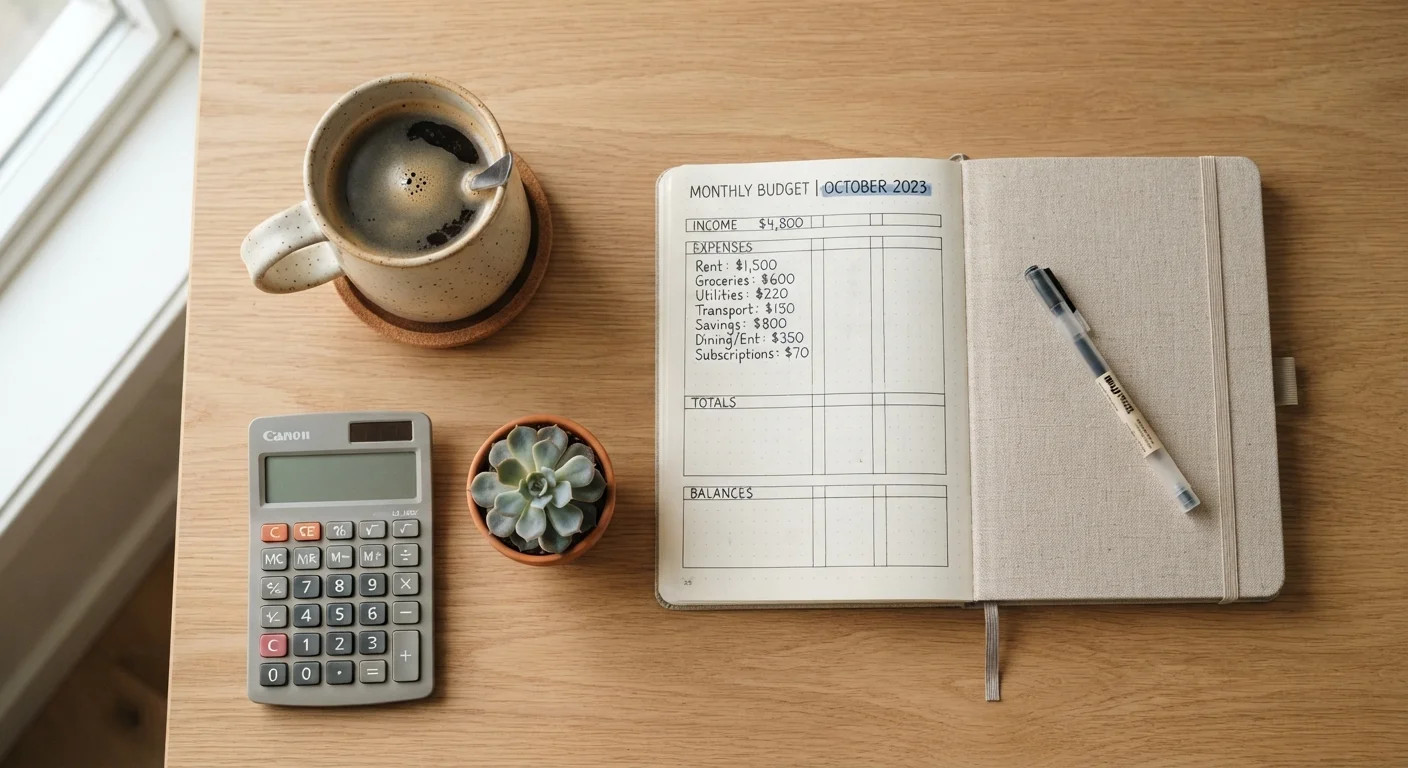
If building travel budgets is new territory for you, our ground-up budgeting guide offers a clear framework for tracking income and expenses before you commit to a trip.
Don't Skip the Emergency Buffer
First-time solo travelers frequently underestimate unexpected costs - a missed connection, a medical visit, or a night's accommodation at short notice can quickly strain a tight budget. Build a buffer of at least 10% of your total estimated trip cost before you consider the budget complete. Traveling without a financial cushion turns minor setbacks into genuine crises.
Safety, Logistics, and Staying Connected
Safety on a solo trip is largely about proactive habits rather than reactive measures. Before departure, complete this practical checklist:
- Share your full itinerary - including accommodation addresses - with at least one trusted contact at home.
- Check current travel advisories through the US Department of State (travel.state.gov) for international destinations.
- Confirm whether your health insurance covers you abroad; if not, research travel insurance options through a licensed provider.
- Download offline maps and translation apps before you land - reliable Wi-Fi is never guaranteed.
- Keep digital and printed copies of key documents stored separately from originals.
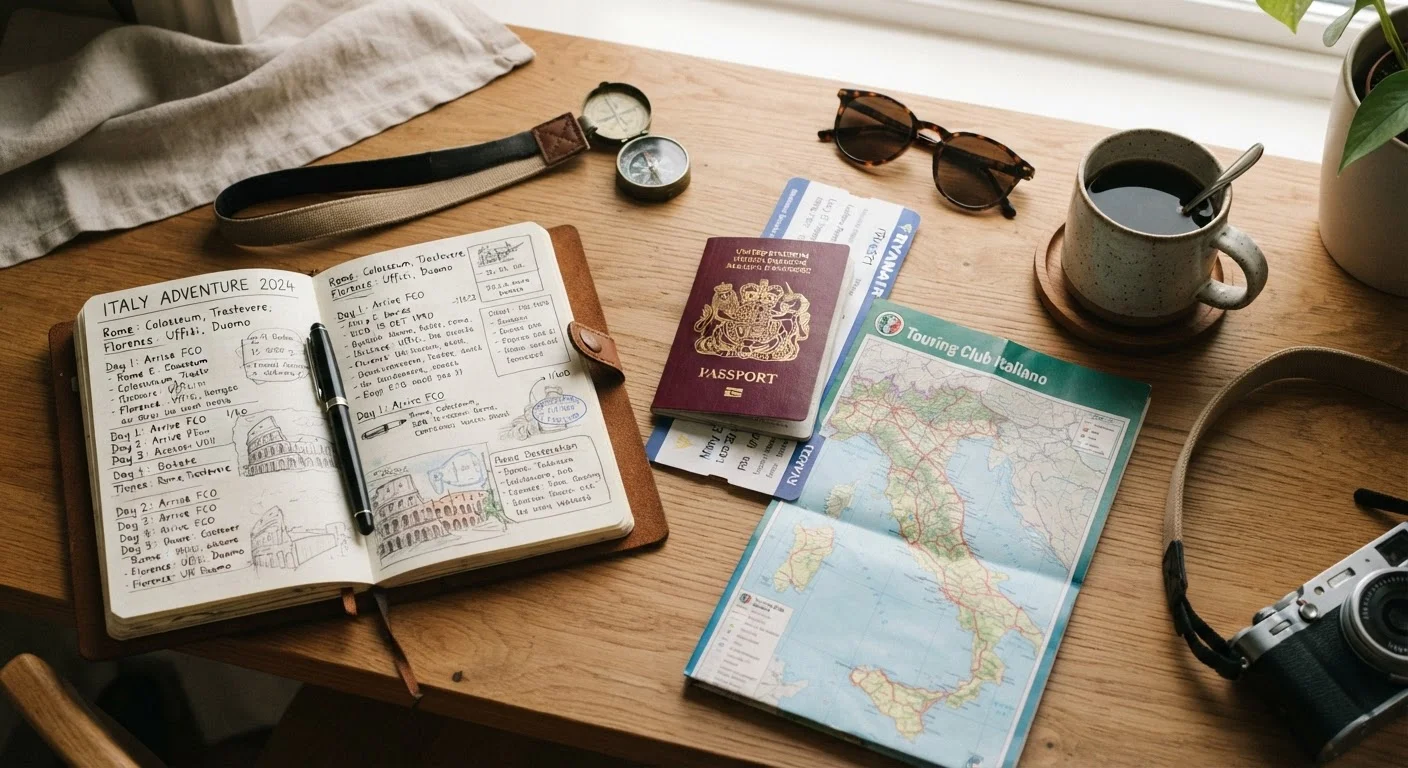
For logistics, build a simple day-by-day outline rather than an hour-by-hour script. A flexible itinerary reduces pressure without leaving you directionless. Our complete itinerary planning walkthrough explains how to structure time realistically.
Building Confidence One Step at a Time
Solo travel confidence isn't something you have before your first trip - it's something you develop because of it. The most effective approach is deliberate incrementalism: start with a shorter, lower-stakes trip that still pushes your comfort zone, then expand from there.
A few principles that experienced solo travelers consistently return to:
- Plan the framework, not every minute. Over-scheduling creates rigidity and frustration. Leave room for spontaneity.
- Trust your preparation. Anxiety often spikes in the days before departure. The groundwork you've done is more solid than it feels.
- Normalize asking for help. Locals, hotel staff, and fellow travelers are generally far more willing to assist than most first-timers expect.
- Debrief after the trip. Note what worked, what didn't, and what you'd do differently - this makes the next trip measurably easier.
For a deeper look at what the actual experience of solo travel involves - including managing loneliness and unexpected situations - see Solo Travel for the First Time: What to Expect. And if travel planning myths are adding to your anxiety, Common Myths About Travel Planning separates fact from fiction clearly.
US Department of State Travel Advisories
The official source for country-by-country safety advisories, entry requirements, and emergency contact information for US travelers abroad. Always check before booking international travel.
Offline Map Apps (e.g., Maps.me or Google Maps offline mode)
Downloadable offline maps let you navigate without relying on mobile data. Essential for areas with spotty connectivity or expensive international data plans.
Solo Travel Itinerary Template
A simple day-by-day planning structure that accounts for transport, accommodation, activities, and buffer time - adaptable to any destination or trip length.