
Why Travel Myths Are So Sticky
Travel planning advice travels fast - shared in online forums, passed along by well-meaning friends, and recycled across social media feeds. The problem is that a lot of it is oversimplified, outdated, or just plain wrong. First-time travelers are especially vulnerable to these myths because they have no personal experience to filter them against. Understanding which beliefs to question is the first step toward planning a trip that actually works. See the anatomy of a well-planned trip for a clear-eyed overview of what thoughtful planning actually involves.
Myth
Booking last-minute always saves you money on flights and hotels.
Fact
Last-minute deals exist but are unpredictable; advance booking typically secures better prices for flights and popular accommodations.
The idea of snagging a last-minute steal sounds thrilling, but it's more exception than rule. Airlines use dynamic pricing algorithms that generally push fares higher as seats fill up. For hotels in popular destinations during peak season, waiting often means paying a premium - or finding nothing available at all. Industry data consistently shows that booking domestic flights roughly one to three months ahead and international flights three to six months ahead tends to yield more competitive fares, though exact timing varies. Last-minute deals do appear on certain platforms for unsold inventory, but counting on them as a strategy introduces real financial risk. For a more grounded look at the tradeoffs, see when to pre-book vs. stay flexible.
Myth
You need at least six months to properly plan a trip.
Fact
Many satisfying trips can be planned in two to four focused weeks; timelines depend on destination complexity, not trip quality.
Six months of planning isn't a badge of thoroughness - it's often a recipe for overthinking. A weekend road trip, a domestic city break, or even a straightforward international trip to a well-documented destination can come together in a matter of weeks when you work efficiently. What actually matters is covering the essentials: transportation, accommodation, entry requirements, and a loose sense of what you want to do. Overplanning can be just as problematic as underplanning. Our guide on escaping the overplanning trap breaks down where well-intentioned planning tips into anxiety.
Myth
Travel insurance is only worth buying for expensive international trips.
Fact
Travel insurance can provide meaningful protection for domestic trips too, covering trip cancellations, medical emergencies, and lost baggage.
Many travelers assume insurance only makes sense when they're spending thousands on an overseas adventure. In reality, a domestic flight cancellation, a sudden illness before departure, or a lost bag on a weekend trip can all result in real financial loss. Whether coverage is worth the cost depends on your specific trip, personal circumstances, and existing protections - some credit cards include limited travel protections, for instance. The key is understanding what a policy actually covers before you purchase it. Consult plan documents carefully and consider speaking with a licensed insurance professional if you have questions about your options.
Myth
You don't need a budget if you're a careful spender.
Fact
Even disciplined spenders benefit from a written travel budget; hidden and unexpected costs derail trips that had no financial plan.
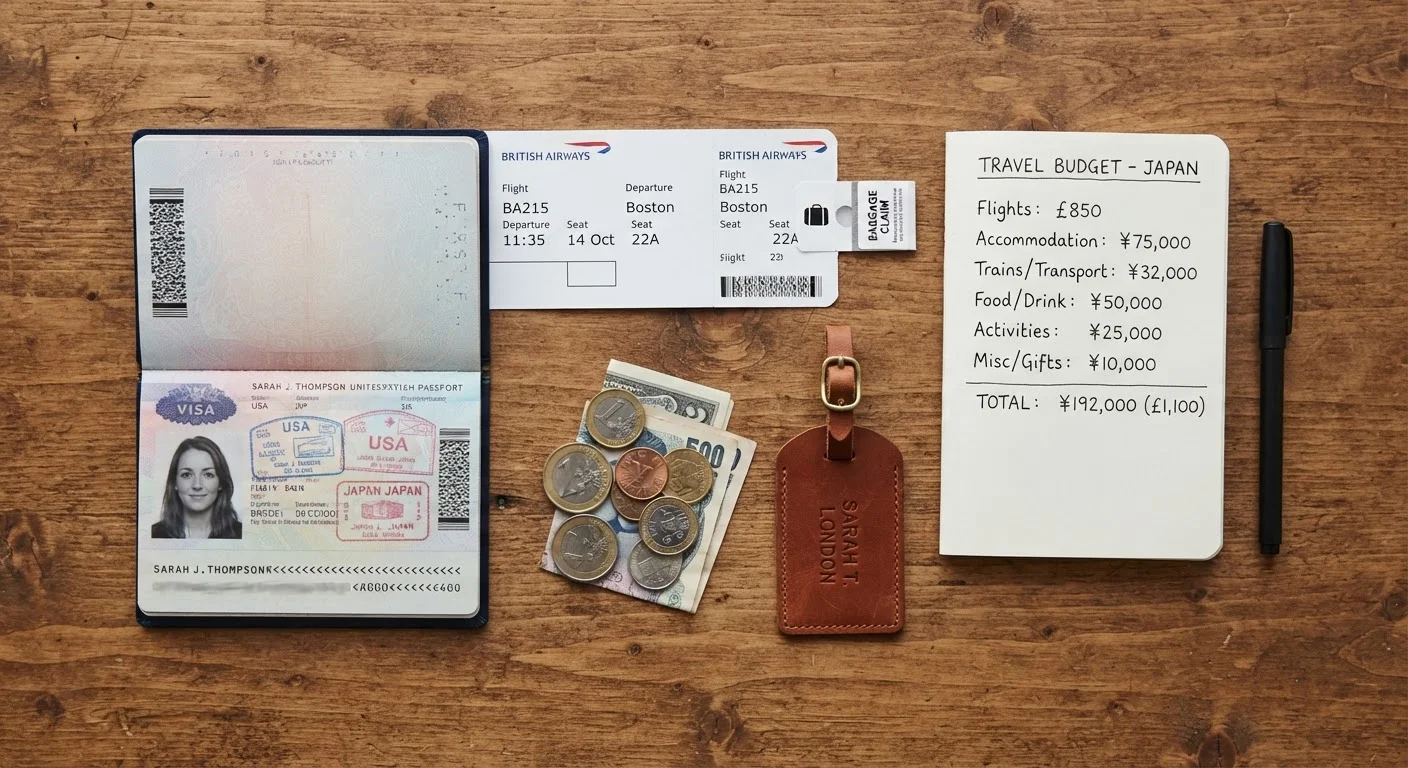
Confident, frugal travelers can still overspend on the road - not from recklessness, but from forgetting how many costs stack up. Tourist taxes, baggage fees, tipping norms abroad, visa fees, travel-day meals, and currency exchange losses are all common budget busters that don't make it onto most mental checklists. A written budget, even a rough one, creates awareness and a reference point. Hidden travel costs that seasoned travelers often overlook are worth reviewing before you finalize your spending plan. For broader budgeting fundamentals, budgeting basics offers a solid starting framework.
Myth
A packed itinerary means you'll get the most out of your trip.
Fact
Over-scheduled trips often leave travelers exhausted and unable to enjoy spontaneous moments that make travel memorable.
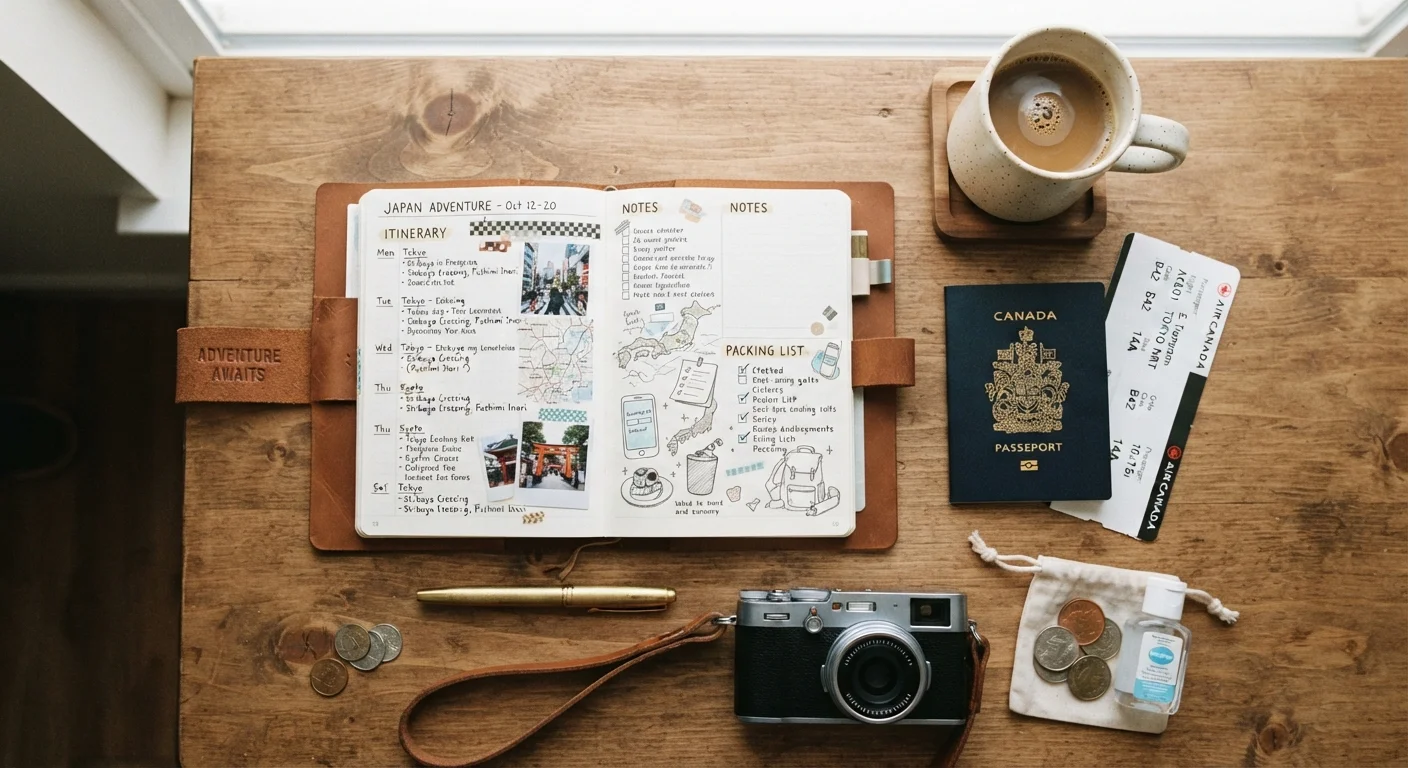
Filling every hour feels productive in the planning phase, but it often backfires in practice. Travel days run long, attractions have lines, and the best experiences - a conversation with a local, a market stumbled upon by accident, a beautiful detour - require breathing room. Experienced travelers generally recommend anchoring each day with one or two fixed commitments and leaving the rest loose. If you want a method for building this kind of realistic, flexible schedule, our travel itinerary planning walkthrough provides a practical framework from start to finish.
Myth
Solo travel is inherently more dangerous than traveling with a group.
Fact
Solo travel carries unique considerations but is not inherently more dangerous; preparation and situational awareness matter far more than group size.
Solo travelers can and do navigate the world safely every day. Risk levels depend far more on destination choice, local conditions, personal preparation, and attentiveness than on whether you have company. That said, solo travel does require more individual responsibility - no one else is double-checking your plans or watching your belongings. Good preparation includes researching your destination's safety conditions, sharing your itinerary with someone at home, and staying alert in unfamiliar environments. For a grounded introduction, planning your first solo trip walks through the practical and emotional sides of going it alone.
Planning Smarter: What the Myths Get Wrong
The myths above share a common thread: they oversimplify what is actually a nuanced process. Booking timing, planning duration, budgeting, and itinerary structure all depend on context - your destination, your travel style, your risk tolerance, and your personal constraints. There's no universal rule that applies to every trip.
Verify Entry Requirements Before You Go
Visa rules, vaccination requirements, and border policies change frequently and vary by nationality and destination. Never rely solely on travel blogs or social media for this information. Always check official government sources - such as the U.S. Department of State travel website or the destination country's embassy - well before your departure date.
What does hold up across nearly every trip type is the value of doing a little homework. Checking official entry requirements, building even a rough budget, and leaving some flexibility in your schedule are habits that consistently improve travel outcomes - without requiring months of preparation or military-style scheduling. And if you're heading into specific regions with strong local planning quirks, destination-specific guidance like common missteps in the American Southwest can help you sidestep avoidable errors.
1-3 months
Optimal advance booking window for domestic flights
Travel industry analysts generally find that booking domestic flights one to three months ahead tends to offer more competitive pricing than last-minute purchases.
~30%
Travelers who report exceeding their travel budget
Surveys by travel financial research groups consistently find that a significant share of travelers spend more than planned, often due to overlooked costs.
Travel planning gets easier with each trip, partly because you learn which myths to ignore. The goal isn't perfect preparation - it's informed preparation. For ongoing practical strategies, the Travel Smart hub is a solid place to keep building your planning instincts.