
Why Group Travel Is a Different Planning Animal
Traveling with a group multiplies the joy - and the complexity. What works seamlessly as a solo or couples trip can quickly unravel when six people with different wake-up times, spending limits, and wish lists try to move in the same direction. The core challenge isn't logistics; it's alignment. Before you compare flight prices or hunt for a rental house, the group needs to agree on what kind of trip this actually is.
Start with a short, honest group conversation - or a simple shared survey - covering three fundamentals: travel dates, rough per-person budget, and non-negotiable priorities. This single step prevents the most common friction points down the road. Our guide to the anatomy of a well-planned trip lays out why this early-stage alignment is the foundation everything else rests on.
“The success of a group trip is almost always determined before anyone sets foot on a plane. The conversations you have at home shape the experience you'll have on the road.”
— Pauline Frommer, Travel author and editor, Frommer's Travel Guides
Best Practices for Keeping the Group on the Same Page
Group trips succeed or stumble on process. The following practices are drawn from the experiences of seasoned group travelers and trip organizers - they're not theoretical ideals, but real mechanisms that reduce friction and keep the fun front and center.
Appoint a lead coordinator - not a dictator, but a facilitator
Without a single point person, decisions stall in group chats and emails pile up unanswered. A coordinator collects input, synthesizes options, and moves things forward. They're not overriding group preferences - they're preventing the group from spinning its wheels.
Set a shared budget ceiling before any booking begins
Money is the most common source of group travel tension. Agreeing on a per-person daily spend - accommodation, food, activities - gives everyone a shared framework and prevents resentment when costs are split. General budgeting principles apply here: know your ceiling, build in a buffer.
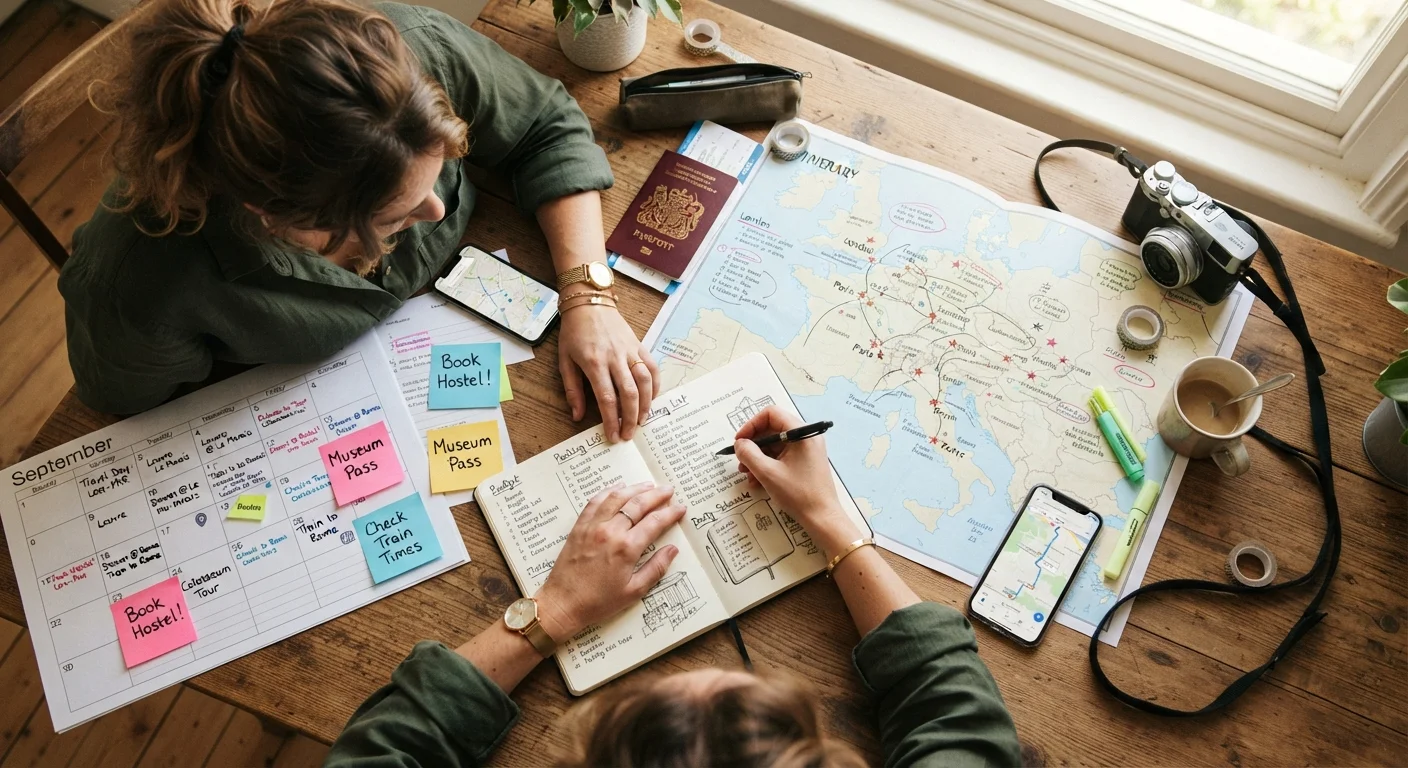
Build a shared itinerary document that everyone can edit and view
A single source of truth eliminates the 'I didn't know about that' problem. When everyone can see flight times, hotel addresses, and daily plans in one place, the cognitive load is distributed and last-minute scrambles are reduced. Our complete itinerary planning walkthrough covers the structure that makes these documents actually useful.
Schedule deliberate free time - not just downtime between activities
Group members have different energy levels, interests, and travel styles. Mandatory togetherness burns people out and breeds resentment. Planned free time lets introverts recharge, shoppers explore, and foodies wander without guilt. Over-scheduling is a real trap - learn how to avoid the overplanning trap before you lock in every hour.
Agree on a clear decision-making process for unexpected changes
Weather, illness, cancellations, and missed connections happen on every long trip. Without a pre-agreed process for regrouping, a single disruption can fracture group morale. Knowing in advance how the group will make real-time decisions - majority vote, coordinator calls it, unanimous consensus - removes panic from the equation. See practical strategies in our piece on adapting your trip plan when things go wrong.
Quick Moves You Can Make Right Now
You don't need a fully formed itinerary to start building group cohesion. A few fast actions early in the process set a collaborative tone and save significant headaches later. For a deeper look at scoping your days realistically, see our article on building a trip around a fixed number of days.
This article is for general informational and educational purposes only. Travel conditions, prices, entry requirements, and local regulations can change. Always verify details with official government sources and service providers before making bookings or travel decisions.