What 'Off-Season' Actually Means in the US
The United States is vast enough that "off-season" means something different in nearly every region. January is off-season for the Outer Banks but peak ski season in Colorado. September is quiet in Yellowstone compared to July, yet the park is often at its most spectacular in early fall. Off-season is always relative to a specific destination's demand cycle - not a universal calendar window.
Before planning any trip around shoulder or low-season timing, it's worth doing destination-specific homework. Our guide on what to verify before visiting unfamiliar US regions covers the key logistics to confirm, from road conditions to park entry hours. For a broader look at how peak versus shoulder timing plays out, see our comparison on peak season vs. the shoulder period.
The Real Advantages
Traveling outside the peak window carries genuine appeal that goes beyond the surface-level promise of "fewer tourists."
Fewer crowds at popular attractions
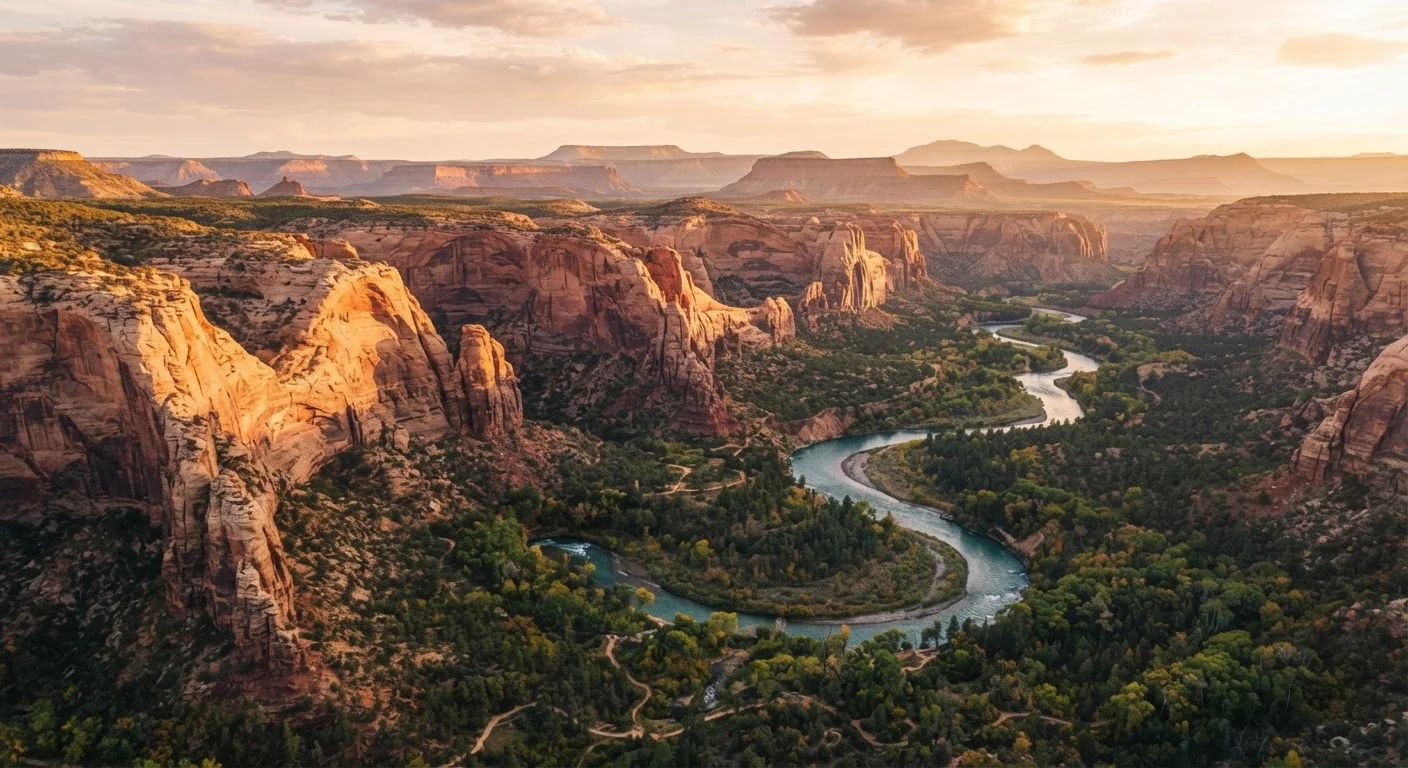
Iconic destinations like Zion Canyon or the Great Smoky Mountains see dramatically lower visitor numbers in their off months, translating to shorter waits, easier parking, and a more immersive experience.
Lower baseline travel costs are common
Lodging rates at many US destinations drop significantly outside peak periods, and flight demand to leisure-heavy routes tends to ease. Costs vary widely, so comparing across dates is still worthwhile.
More authentic local atmosphere
Without peak-season tourist volume, travelers often find it easier to interact with locals and experience a destination closer to its everyday rhythm rather than its performance for visitors.
Wildlife and nature can be more accessible
In many national parks and wilderness areas, reduced human activity in the off-season means animals are more active in open areas and easier to observe from a respectful distance.
Scenic road trips face less congestion
Routes like the Blue Ridge Parkway or Pacific Coast Highway - explored in our iconic road trips comparison - are significantly less congested outside summer and holiday weekends.
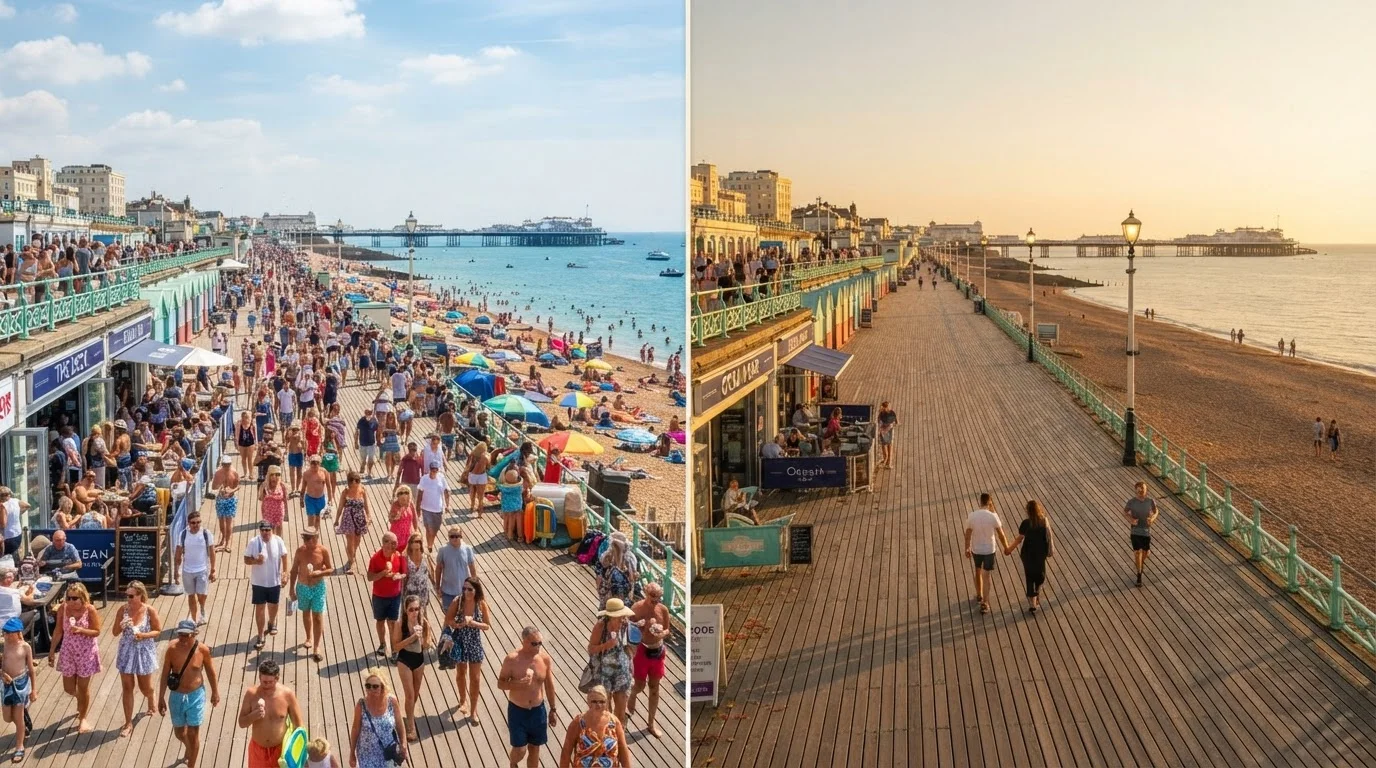
Perhaps the most tangible benefit is the shift in atmosphere. At places like the US national parks, off-season visits can transform an experience: trails that are genuinely quiet, wildlife more visible without vehicle traffic, and the sense that you're encountering a place rather than a crowd. The Alaska Inside Passage, for example, takes on a different - and for many, more dramatic - character outside the peak summer cruise window.
The Genuine Drawbacks
Off-season travel isn't without friction. The trade-offs are real and can meaningfully affect whether a trip feels worthwhile.
Reduced services and seasonal closures
Many visitor centers, lodges, tour operators, and restaurants operate on seasonal schedules. Arriving in the off-season can mean limited dining options, closed park facilities, or cancelled guided experiences.
Unpredictable or challenging weather
Off-season timing often coincides with a destination's least hospitable weather window - storms, snow, fog, or heat that can disrupt plans or create safety concerns, particularly for outdoor activities.
Some attractions are entirely inaccessible
Certain roads, trails, or visitor areas close seasonally for safety or ecological reasons. Going-to-the-Sun Road in Glacier National Park, for instance, is typically closed for much of the winter and early spring.
Flight options may be limited
Seasonal demand drops can mean fewer direct flights to leisure destinations, potentially requiring connections or longer travel days. Our breakdown of direct vs. connecting flights can help you weigh the trade-offs.
Local events and festivals won't be running
Many destinations anchor their cultural appeal to peak-season events - harvest festivals, whale migrations, wildflower blooms, or summer concert series - that simply don't exist in the off-season.
The practical risks compound quickly when a destination scales back for the slow season. A coastal town where half the restaurants close in November and the ferry runs twice a week instead of daily is a fundamentally different experience than its summer self. Before committing to a destination, the questions to ask before choosing a destination framework is a useful starting point for stress-testing your expectations.
Shoulder Season: A Middle Path Worth Considering
If full off-season feels like too much of a gamble, shoulder season - the weeks just before or after peak demand - often offers a meaningful compromise. Crowds thin out noticeably, prices soften, and most services remain fully operational. For many US destinations, shoulder season delivers the best overall value without the sacrifices of a true low-season visit. Dates vary by destination, so it's worth researching each location's specific demand cycle before booking.
How to Decide If Off-Season Travel Is Right for Your Trip
The decision comes down to matching destination behavior to your travel priorities. Some places - particularly lesser-known US destinations - are perfectly functional year-round and simply quieter in their off months. Others are genuinely diminished without their signature season: a beach town without beach weather, a ski resort before snowfall, a wildflower valley outside bloom.
Ask yourself: what is the core draw of this destination, and does it hold in the off-season? If the answer is yes, off-season travel is likely a smart move. If the draw is weather-dependent or tied to seasonal infrastructure, tread carefully. Either way, building flexibility into your itinerary - as explored in our piece on slow travel vs. itinerary-heavy trips - reduces the risk of being caught off guard.
~37%
Drop in visitation at top US national parks in winter vs. summer
National Park Service visitation data consistently shows dramatic seasonal swings, with parks like Grand Canyon and Yellowstone seeing their lowest monthly numbers in January and February.
15-40%
Typical lodging rate reduction in off-peak periods
According to industry hospitality analyses, nightly rates at resort and leisure destinations commonly fall by this range outside peak season, though specific savings vary by property and location.