Why Region-Specific Research Changes Everything
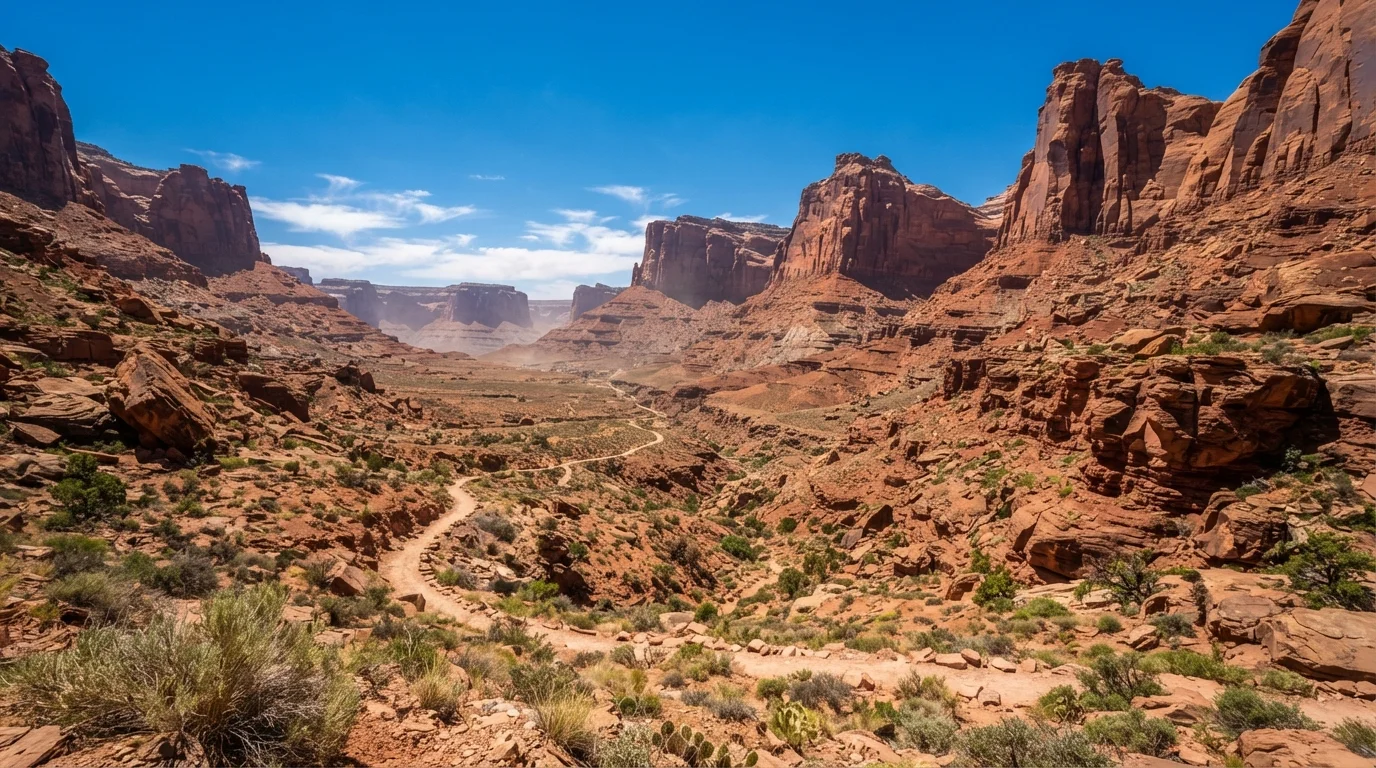
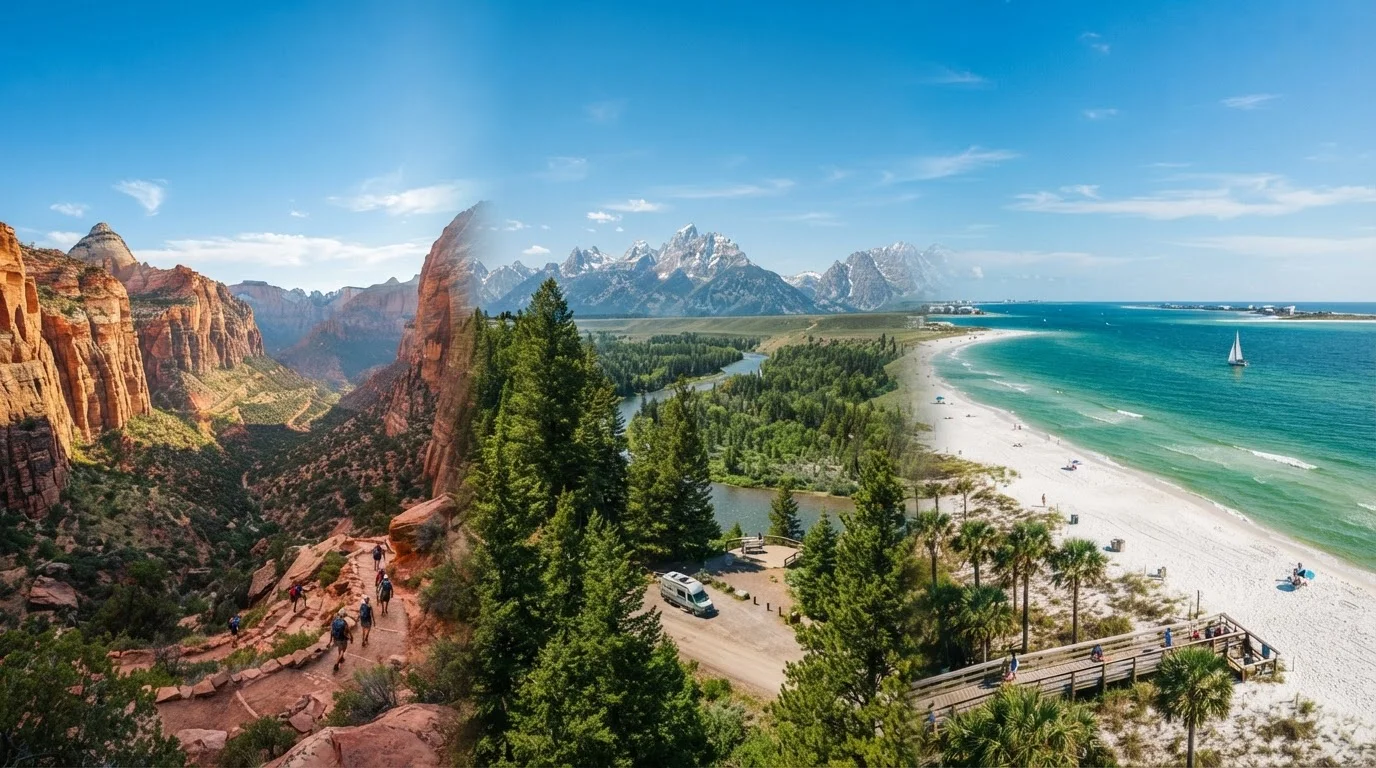
The United States spans six time zones, four major climate bands, and landscapes ranging from arctic tundra in Alaska to subtropical swamps in Florida. That diversity is exactly what makes domestic travel so endlessly rewarding - and exactly why the same packing list, driving assumptions, and cultural expectations that served you well in one region can fail you completely in another.
A first-time visitor to the desert Southwest, for example, may not anticipate flash flood warnings or mandatory permit systems for popular trailheads. A traveler heading to the rural Deep South might underestimate how spread out communities are, or how sharply local hospitality customs differ from urban Northeast norms. Our guide to common Southwest travel mistakes and overview of South misconceptions both illustrate how often well-meaning travelers get tripped up by regional blind spots.
This checklist helps you close those gaps systematically - before you pack a single bag. Work through it alongside our broader pre-trip planning checklist for complete coverage.
Official State DOT Websites
Check real-time road conditions, closures, and construction alerts specific to each state you'll drive through.
Recreation.gov
Reserve permits, campsites, and timed-entry passes for federally managed parks and recreation areas.
National Weather Service (weather.gov)
Access official forecasts, hazard alerts, and regional climate data for your destination.
Offline Map App (e.g., downloaded maps via your preferred navigation app)
Navigate remote areas where cellular coverage is unavailable without relying on a live data connection.
National Park Service Website (nps.gov)
Verify hours, fees, closures, permit requirements, and current conditions for any NPS-managed site.
State Tourism Board Websites
Find destination-specific travel advisories, seasonal highlights, and cultural context for your region.
Your Region-Ready Verification Checklist
Use the groups below to work through each category methodically. Check official government sites, park service pages, and state tourism boards for the most current information - conditions change, and no third-party source should substitute for an authoritative one.
Weather and Climate Conditions
Road Conditions and Transportation
Park and Public Land Entry Requirements
Health, Safety, and Emergency Preparedness
Local Customs and Cultural Context
Don't Rely Solely on Travel Apps or Review Sites
Third-party travel apps and review platforms can lag significantly behind real-world conditions. Park closures, permit rule changes, and road washouts may not be reflected for days or weeks. Always verify critical details - especially entry requirements, road access, and seasonal restrictions - directly through official agency and government websites before your trip.
Putting It All Together Before Departure
Once you've worked through the checklist, you should have a clear picture of what your destination actually requires - not what you assumed it would. Compile your findings into a simple one-page trip brief: key contacts, confirmed reservations, weather range, and any entry or permit numbers you've secured. Share it with someone at home.
If your trip involves significant off-grid time, remote hiking, or rugged road travel, also review our travel safety checklist and bookmark the emergency numbers quick reference for any scenario that requires outside help.
Travelers curious about the rhythm of destinations outside peak windows should also weigh the trade-offs of off-season travel - seasonality affects not just crowds but access, services, and safety in ways that make regional research even more important. For more on building a complete itinerary, browse the Trip Planning hub and the Travel Smart hub.
Great regional travel isn't about eliminating surprise - it's about earning the right kind of surprises by handling the predictable variables in advance.
Verify Before You Depart - Not on Arrival
Conditions at many US destinations - particularly national parks, remote highways, and tribal lands - can change rapidly due to weather, fire, flooding, or policy updates. Discovering a trailhead is closed or a permit is required only after a long drive is both frustrating and sometimes dangerous. Dedicate time in the week before departure to confirm all critical details through official sources, and build flexibility into your itinerary wherever possible.