A Waterway Unlike Any Other in the United States
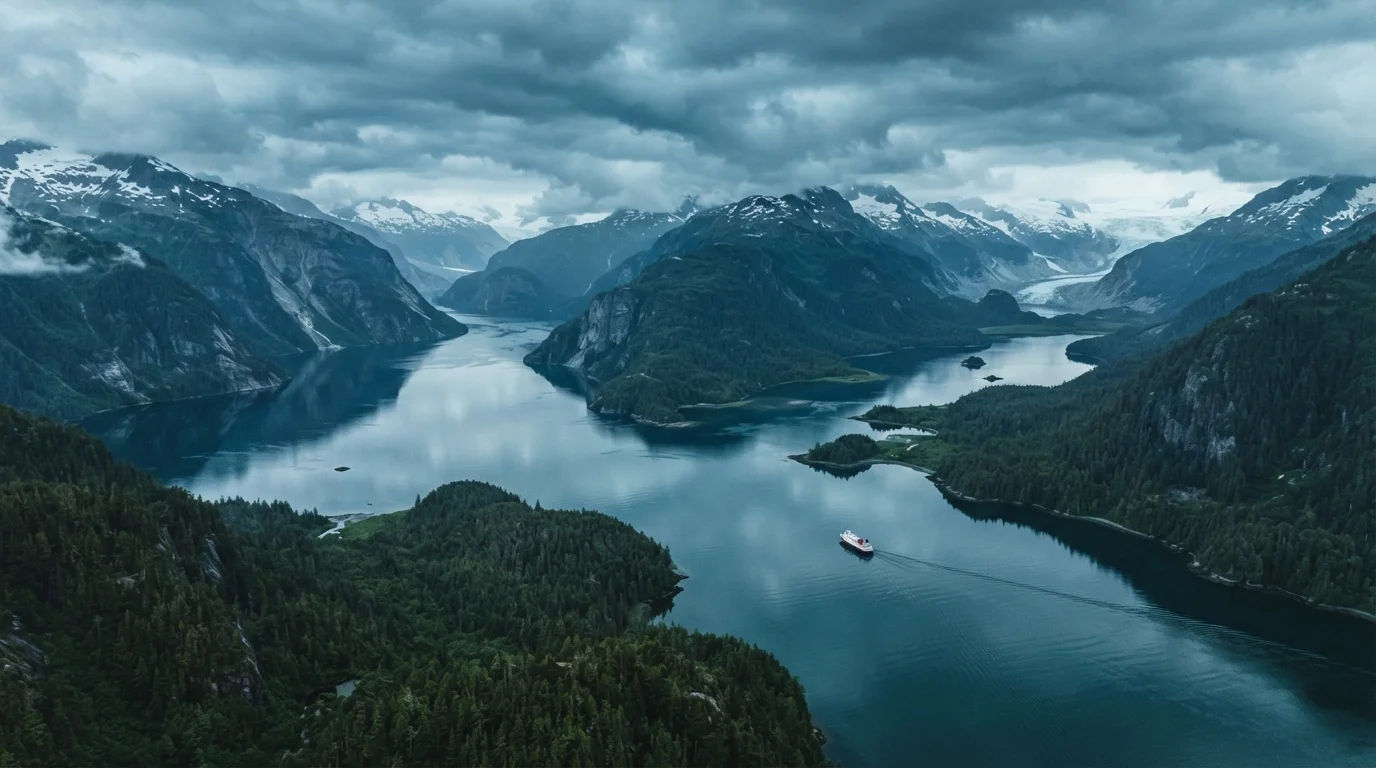
Imagine a coastline so raw and intricate that the only practical way to travel much of it is by water. That's the Inside Passage - a sheltered marine corridor where glacier-carved mountains plunge directly into the sea, ancient rainforests drape over rocky shores, and mist rolls through fjords in near-perpetual motion. For travelers seeking something genuinely unlike the lower 48, this corner of Alaska delivers.
What makes the Inside Passage geographically remarkable is its structure: a nearly continuous chain of islands - the Alexander Archipelago - shields the inner waterway from the open Pacific. The result is calmer waters, extraordinary scenery, and a series of communities that can only be reached by sea or air. Towns like Juneau, Sitka, Ketchikan, and Skagway each carry their own distinct character, shaped by Gold Rush history, Indigenous heritage, and the ever-present influence of the sea.
Entry Requirements and Safety: Verify Before You Travel
While the Inside Passage is entirely within the United States, some cruise itineraries pass through Canadian waters or ports, which may trigger passport or documentation requirements. Entry rules, vessel schedules, and safety advisories can change. Always verify current requirements with official US and Canadian government sources, your carrier, and Alaska's state tourism resources before finalizing any plans.
Wildlife at the Center of the Experience
Few places in the United States put travelers in such close proximity to megafauna. Humpback whales bubble-net feed in Frederick Sound. Brown bears wade through salmon-choked streams near Anan Creek and Pack Creek. Bald eagles - so common here they lose their novelty - perch in spruce trees along virtually every shoreline. Orcas, harbor seals, and Steller sea lions round out waters that feel genuinely alive.
That wildlife richness isn't accidental. The Inside Passage ecosystem is driven by cold, nutrient-dense water that supports enormous runs of Pacific salmon - the keystone species that feeds bears, eagles, and whales alike. Witnessing this food web in action is one of the most compelling reasons travelers return year after year.
~1,000
Miles of Inside Passage coastline in Alaska
The Alaskan segment of the Inside Passage alone spans roughly 1,000 miles of protected coastal waterway through Southeast Alaska.
33+
Species of marine mammals in the region
Southeast Alaska's waters support a diverse array of marine mammals, according to the Alaska Department of Fish and Game.
~1 million
Cruise passengers visiting Southeast Alaska annually
Southeast Alaska communities host approximately one million cruise ship visitors per year during peak season, per Alaska Tourism data.
Responsible wildlife viewing is essential. Whether on a small expedition vessel or a large cruise ship, maintaining distance, avoiding feeding animals, and following guide instructions protects both the wildlife and the integrity of the ecosystem for future visitors.
Indigenous Culture and Deep Historical Roots
The Inside Passage isn't just a natural spectacle - it's a living cultural landscape. The Tlingit, Haida, and Tsimshian peoples have inhabited this coastline for thousands of years, developing sophisticated traditions in art, governance, trade, and spiritual practice. Their presence is visible throughout the region: in the totem poles of Ketchikan's Totem Bight State Historical Park, in the clan houses of Saxman Native Village, and in the programming at Sitka's Sheldon Jackson Museum.
Travelers who engage with Indigenous-led experiences - cultural tours, traditional storytelling, or art demonstrations - gain a far richer understanding of the region than the scenery alone can offer. Approaching these experiences with curiosity and respect is not only courteous; it's the only way to authentically understand where you are.
“Southeast Alaska is one of those rare places where the land itself seems to be telling a story - and most of that story belongs to the people who have lived here for thousands of years.”
— Travel & Adventure Editorial Team, Destination researchers covering Alaska and the Pacific Northwest
How to Think About Planning Your Visit
Unlike many US destinations, the Inside Passage demands a deliberate planning approach. There are no interstate highways here. Getting between communities requires ferries, float planes, or small charter aircraft. This is part of the appeal - and part of the logistical challenge.
Cruise ships are the most popular access method, and for good reason: they handle the complex logistics of moving between ports while offering onboard amenities. But travelers seeking slower immersion often prefer the Alaska Marine Highway, the state ferry system that carries both passengers and vehicles. It takes longer, costs less, and puts you alongside Alaskans rather than tourists. For context on how trade-offs like these play out across US travel generally, see our look at off-season and unconventional US travel.
Consider Shoulder Season for a Different Experience
May and September offer cooler temperatures, lighter crowds, and - in September - the spectacle of fall color touching the hillsides. Wildlife remains active, salmon runs are often at their peak in late summer, and ferry bookings may be easier to secure. Rain is part of the Inside Passage experience year-round; packing waterproof layers is always wise regardless of when you visit.
Budget travelers and adventure seekers may also find the Inside Passage pairs well with exploring other under-visited American regions. If you're building a broader trip itinerary, lesser-known US destinations offer similarly rich rewards with fewer crowds. And for those who love scenic corridor travel, the Inside Passage shares philosophical DNA with iconic road routes - though it's a waterway, not a highway. See how land-based corridors compare in our overview of America's most scenic road trips.