What Mulching Actually Does
Mulch is any material - organic or inorganic - spread over the soil surface around plants. Its primary jobs are to regulate soil temperature, reduce moisture loss, and block light that weed seeds need to germinate. Secondary benefits emerge over time: organic mulches decompose, feeding soil organisms and improving structure in ways that complement a healthy soil ecosystem.
Common organic options include shredded bark, wood chips, straw, shredded leaves, and compost. Inorganic options - gravel, landscape fabric, rubber - are longer-lasting but don't improve soil. The choice depends on your priorities: food garden or ornamental bed, water savings or weed suppression, short-term ease or long-term soil investment.
Inorganic vs. Organic Mulch: A Key Distinction
Inorganic mulches like gravel or landscape fabric last longer and require little replacement, but they don't contribute to soil health. Organic mulches decompose and must be topped up periodically, but they progressively improve soil fertility and structure. For most home vegetable and flower gardens, organic options offer the better long-term return.
The Real Advantages of Mulching
The case for mulching is strong, and the evidence from horticultural research consistently supports several key benefits.
Dramatically reduces watering frequency
Mulch slows evaporation from the soil surface, helping beds retain moisture for longer between waterings. This can make a measurable difference during dry spells and reduces overall irrigation demands.
Suppresses weeds without chemicals
A consistent mulch layer blocks sunlight from reaching weed seeds, preventing germination. This reduces weeding time significantly, especially in wide, open beds.
Regulates soil temperature
Mulch insulates the soil - keeping it cooler in summer heat and buffering against early frost in autumn. More stable root-zone temperatures support steadier plant growth.
Organic types feed and improve soil over time
As bark, straw, or leaf mulch breaks down, it adds organic matter that improves soil structure, drainage, and microbial activity - benefits that compound across seasons.
Reduces soil erosion and compaction
Mulch absorbs the impact of rain, preventing soil from being displaced and reducing the surface crust that forms when bare soil dries after watering.
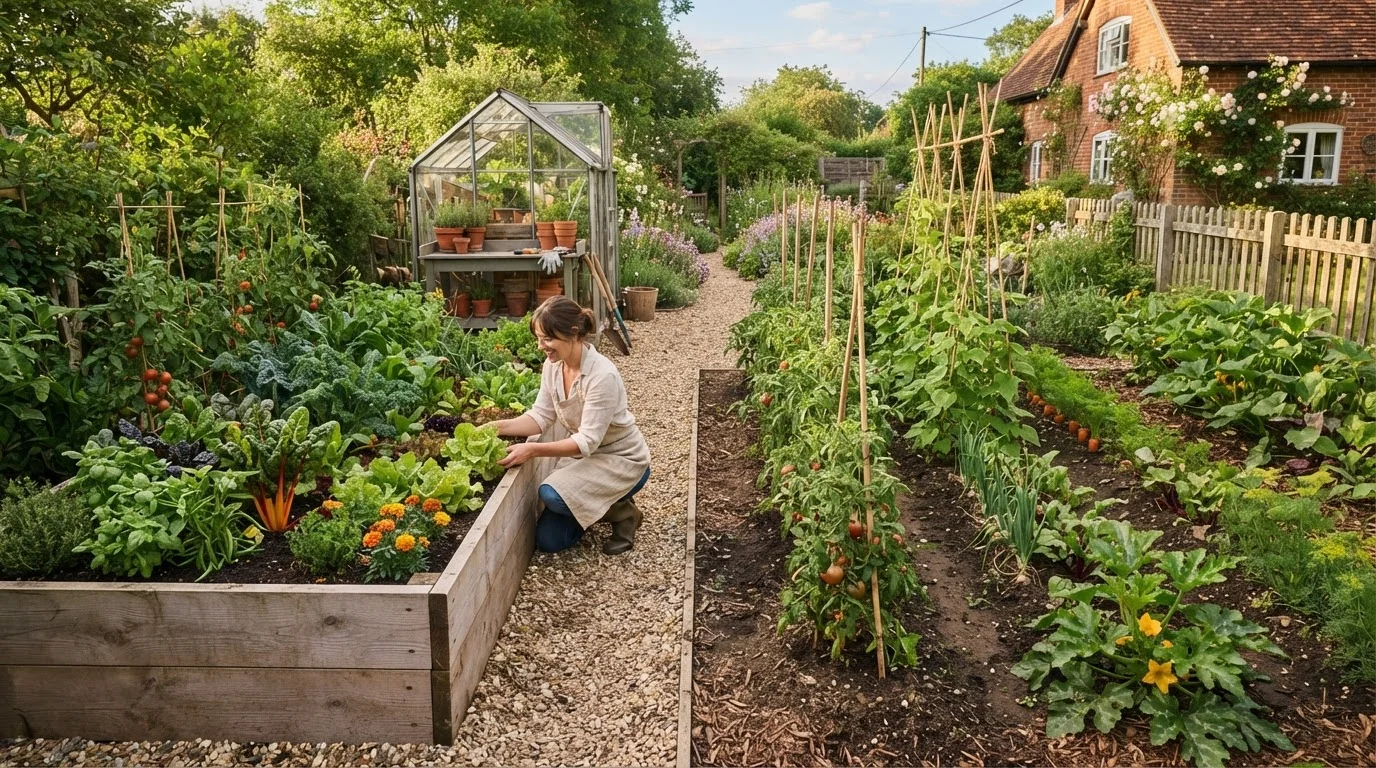
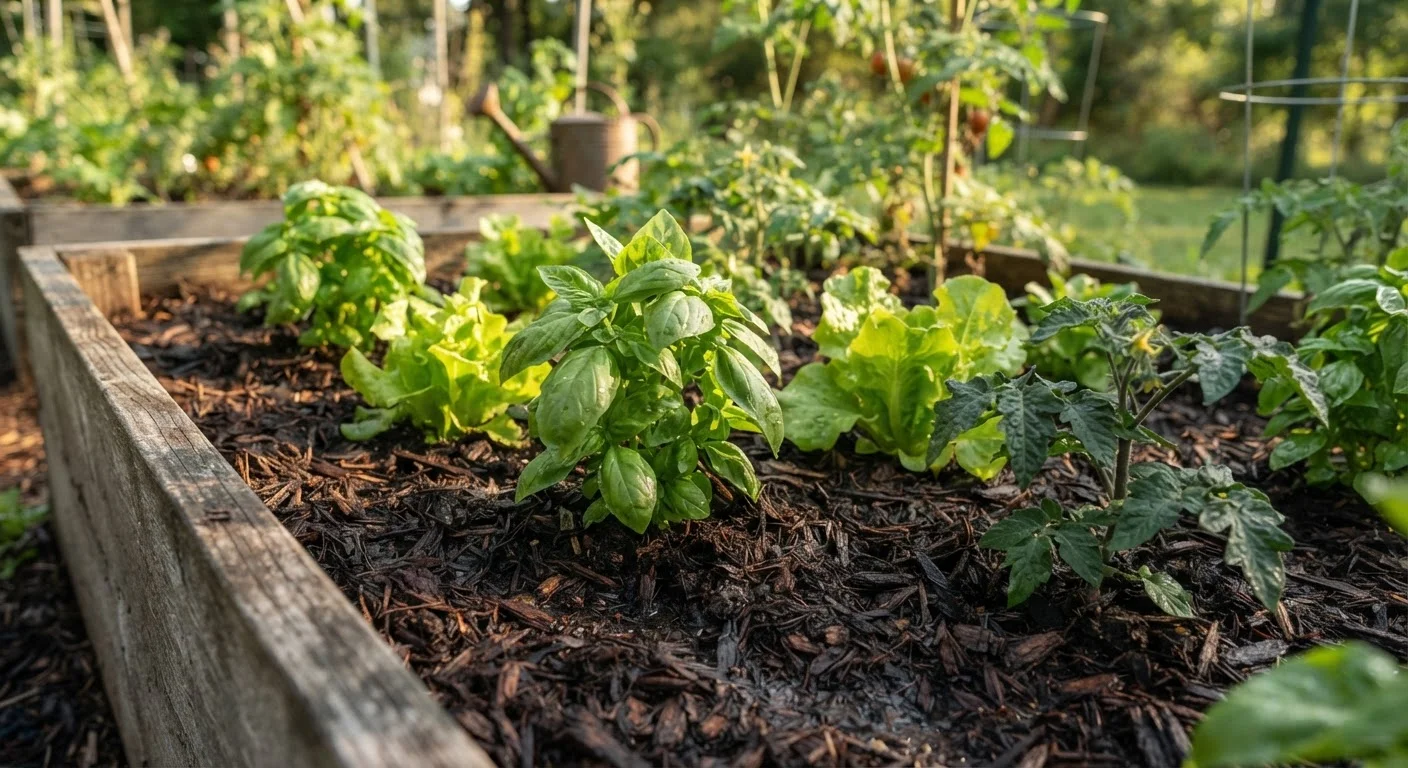
For gardeners growing vegetables in raised beds or in-ground plots, straw or shredded leaf mulch can be particularly effective - it keeps soil temperatures stable, reduces splash-back that spreads soil-borne disease, and breaks down to enrich the bed over a growing season.
The Drawbacks Worth Knowing
Mulching is not without its pitfalls. Applied incorrectly, it can create conditions that harm the very plants it's meant to help.
Improper depth causes waterlogging or dryness
Mulch applied too thickly can prevent rain from penetrating to the root zone, or create a mat that sheds water sideways. Staying within the two-to-three-inch guideline is critical.
Can harbor slugs, rodents, and fungal issues
Dense, moist mulch close to stems creates shelter for slugs and other pests. Keeping mulch pulled back from plant bases reduces this risk considerably.
Fresh wood chip mulch may temporarily tie up nitrogen
As fresh wood chips begin decomposing, soil microbes consuming them can temporarily draw down available nitrogen near the soil surface. Using aged or composted wood chips minimizes this effect.
Early application delays spring soil warming
Mulching before soil has warmed in spring insulates cold temperatures in, slowing plant establishment. Timing application to mid-to-late spring avoids this setback.
Upfront cost and labor for larger gardens
Covering a large garden with several inches of purchased mulch adds up in cost and physical effort. Sourcing shredded leaves or homemade compost can offset both.
2-3 in
Recommended mulch depth for most beds
Horticultural guidelines consistently recommend this range as the practical sweet spot for weed suppression without restricting airflow or water penetration.
25-50%
Potential reduction in soil moisture loss
University extension programs have noted that organic mulches can substantially reduce evaporation from bare soil, though exact figures vary by climate and material type.
The most common mistake is piling mulch directly against plant stems or tree trunks - often called "volcano mulching." This traps moisture against bark, inviting rot and providing cover for rodents that chew stems. Keep mulch at least two to three inches away from any stem or trunk base.
Timing, Depth, and Application Tips
Getting the most from mulch means applying it at the right moment and at the right depth. In spring, wait until soil has had a chance to warm before laying mulch - covering cold, wet soil too early can slow plant establishment. Mid-to-late spring, once the soil is reliably above 50°F, is generally ideal for most US growing zones.
A depth of two to three inches is the practical sweet spot for most organic mulches. Less than that allows light to reach weed seeds; more than four inches can restrict airflow and water penetration. Refresh mulch annually or whenever it compresses below one inch.
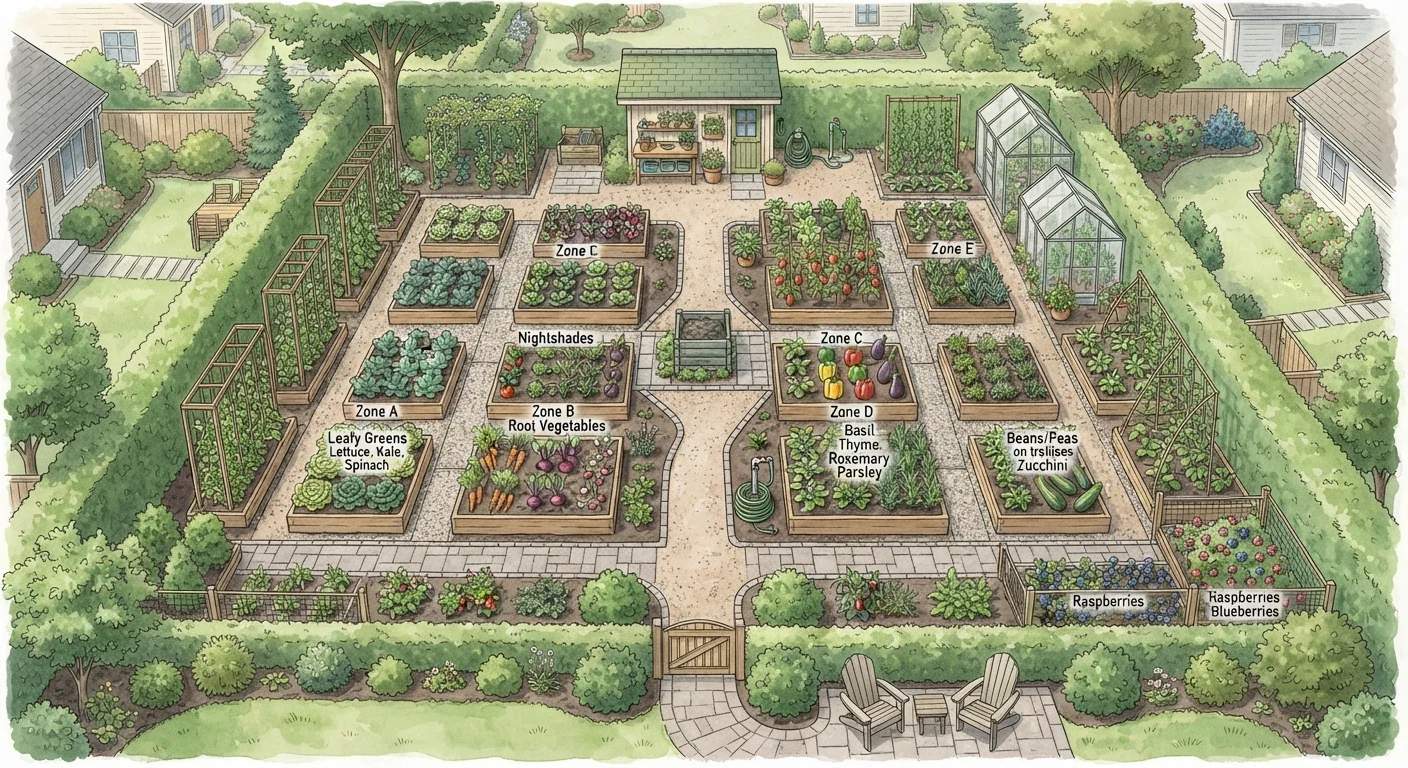
Pairing mulch with good garden layout planning - clear pathways, defined bed edges - makes application faster and keeps mulch where it belongs. In shade gardens, a light mulch layer helps retain moisture for shade-loving plants that are sensitive to dry spells.
Pairing Mulch with Broader Soil Practices
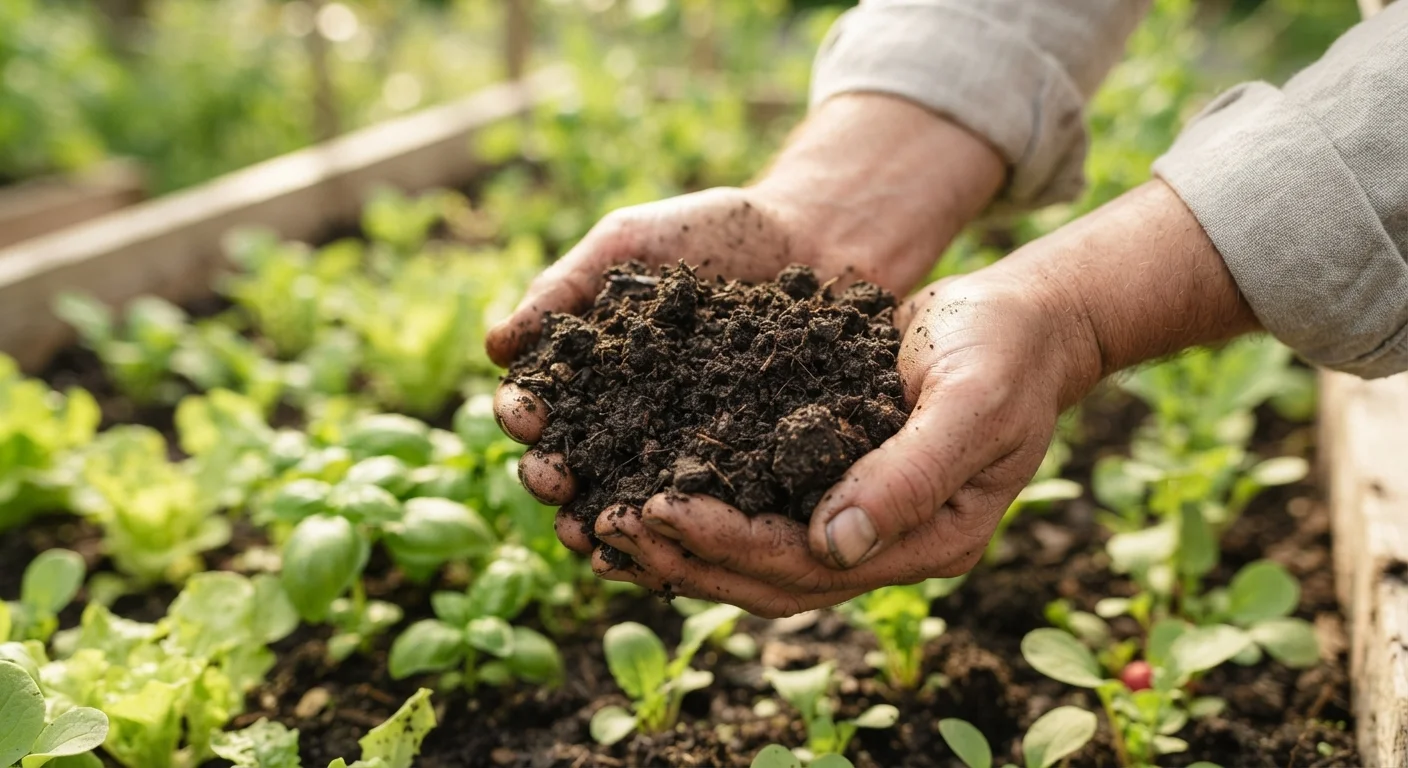
Mulch works best as part of a layered soil strategy rather than a standalone fix. Topping a bed with compost before mulching gives soil organisms an immediate nutrient boost while the mulch above slows moisture loss - a combination that compounds benefits season after season. See our guide to home composting for practical advice on producing your own.
Mulch also supports natural pest management indirectly - healthy, well-mulched soil supports robust plant growth, and vigorous plants are generally more resistant to insect pressure. It's a simple habit that quietly underpins almost every other good gardening practice.