Why Your Garden Needs Pest Balance, Not Pest Elimination
The instinct to eliminate every insect in the garden is understandable - but counterproductive. Research from university extension programs consistently shows that roughly 97% of insect species encountered in home gardens are either harmless or actively helpful. True pests make up a small minority, and aggressive chemical treatments often harm the beneficial species that would have managed them naturally.
A healthier goal is pest balance: keeping damaging insect populations low enough that your plants thrive, without disrupting the web of predators, pollinators, and decomposers that make a garden function. This starts with observation. Spend a few minutes each week looking closely at leaves, stems, and soil. Identifying what's actually present - and in what numbers - helps you respond proportionately rather than reactively.
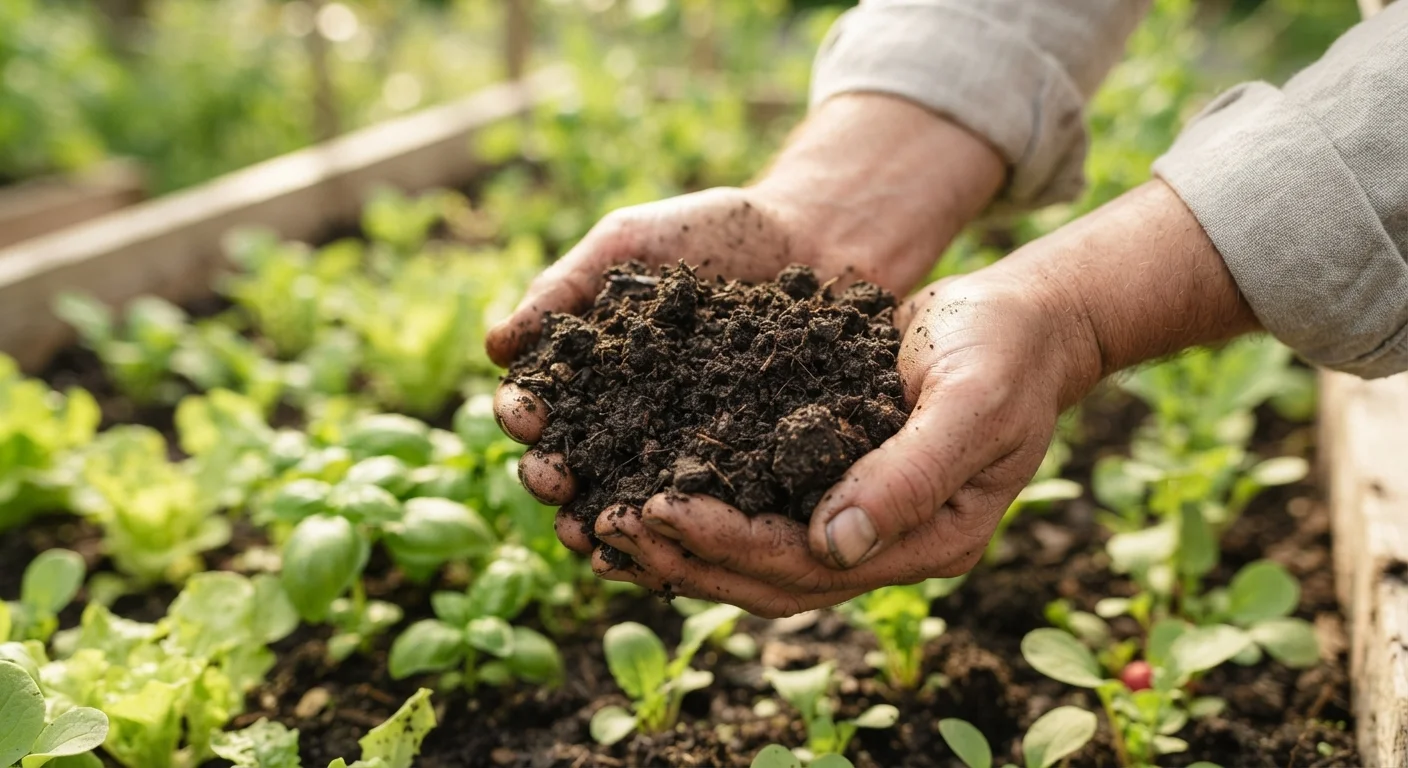
Strong, well-nourished plants are also naturally more resistant to pest pressure. See our guide to soil health for a deeper look at how soil quality underpins plant resilience from the ground up.
Best Practices for Natural Pest Management
The following practices form a layered defense that works with your garden's existing ecology rather than against it.
Use companion planting to confuse and deter common pests.
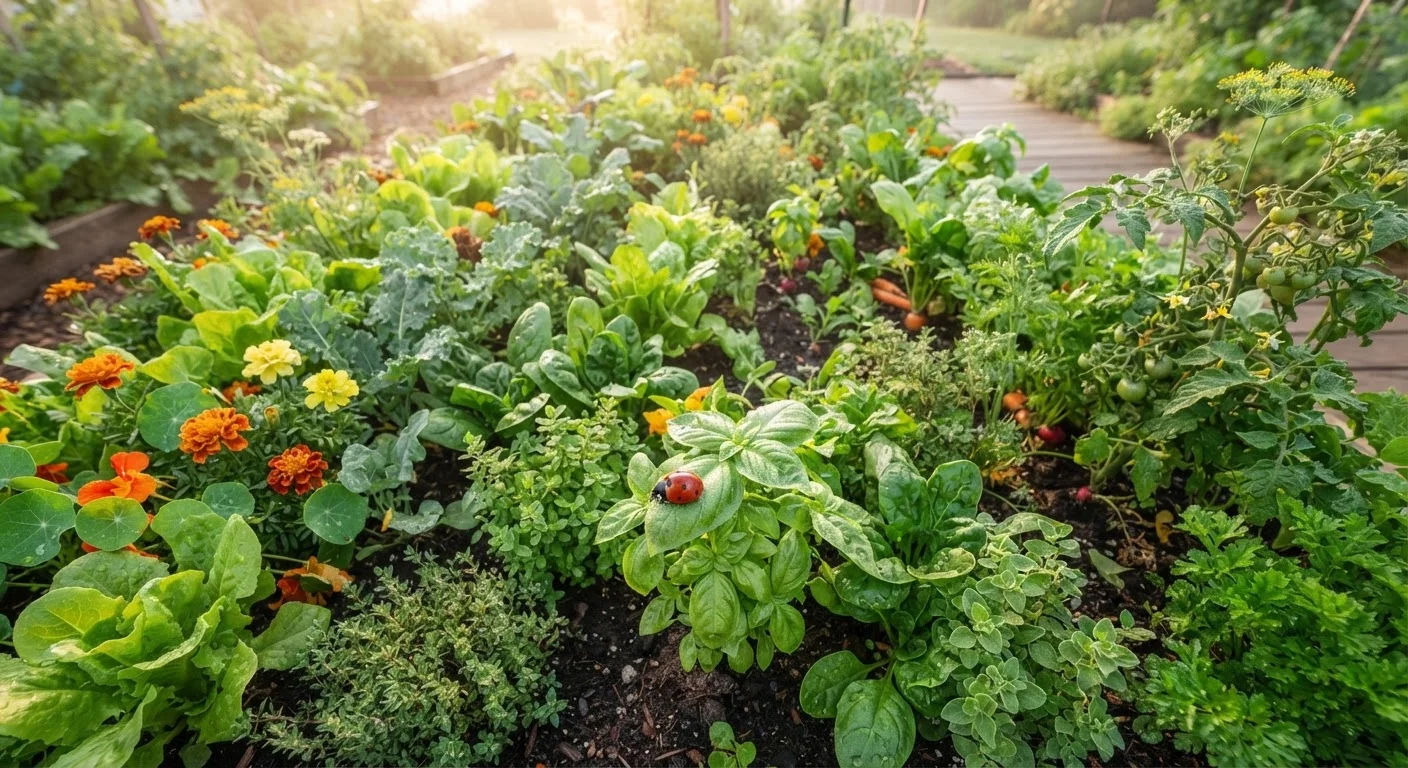
Many pests locate host plants by scent. Interplanting strong-smelling herbs and flowers disrupts these chemical cues, making it harder for insects like aphids and whiteflies to find their targets. It also draws in generalist predators that feed on multiple pest species.
Attract and support beneficial predatory insects.
Ladybugs, lacewings, parasitic wasps, and hoverflies feed on aphids, caterpillar eggs, and other soft-bodied pests. Providing them with nectar-rich flowers ensures they stay in your garden and reproduce, creating a self-sustaining biological control system.
Install physical barriers at the first sign of vulnerability.
Row covers made from lightweight fabric exclude flying insects before they lay eggs, while copper tape creates a barrier slugs and snails are reluctant to cross. Physical barriers are particularly effective for brassicas, which are highly attractive to cabbage moths and caterpillars.
Practice crop rotation to break pest and disease cycles.
Many soil-dwelling pests and pathogens are host-specific, meaning they build up in soil where the same plant family grows repeatedly. Moving plant families to different beds each season denies these pests their preferred host and interrupts their life cycle.
Hand-pick pests during regular garden walks.
For many common pests - including caterpillars, squash bugs, and Colorado potato beetles - hand removal is highly effective when done consistently. It requires no products, carries no ecological risk, and when done early, prevents populations from establishing.
Reduce standing water and dense debris to limit pest habitat.
Slugs, fungus gnats, and mosquitoes all thrive in moist, sheltered conditions. Removing unnecessary moisture sources and keeping beds free of decomposing debris eliminates the habitat these pests need to reproduce.
Quick Actions You Can Take This Weekend
Natural pest management doesn't require a complete garden overhaul. Several high-impact steps can be taken immediately with minimal cost or effort.
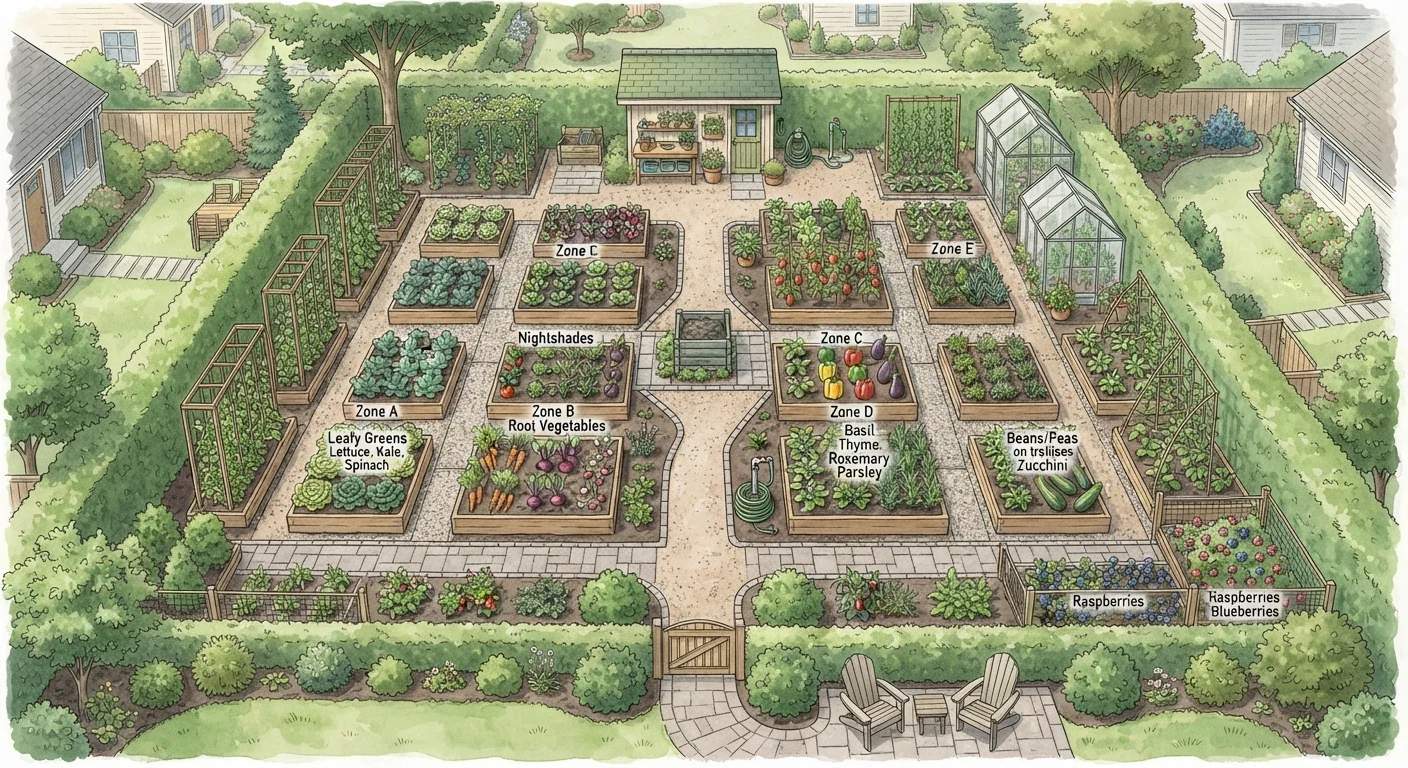
For broader context on how layout and spacing affect pest vulnerability, explore our garden layout principles - thoughtful design reduces hiding spots and improves airflow, both of which discourage pests.
Building a Garden That Defends Itself Over Time
The most resilient pest-resistant gardens are diverse ones. Monocultures - large patches of a single plant - create easy feeding grounds for specialist pests and offer little habitat for their natural enemies. Mixing flowering plants among vegetables, alternating plant families across seasons, and incorporating native species all raise the biological complexity that keeps pest populations in check.
Let Some Plants Flower and Go to Seed
Allowing herbs like dill, cilantro, and fennel to bolt and flower provides a reliable nectar source for beneficial insects throughout the season. Many gardeners remove bolting plants out of habit, but leaving a few in place meaningfully increases the population of pest-predating insects in the garden.
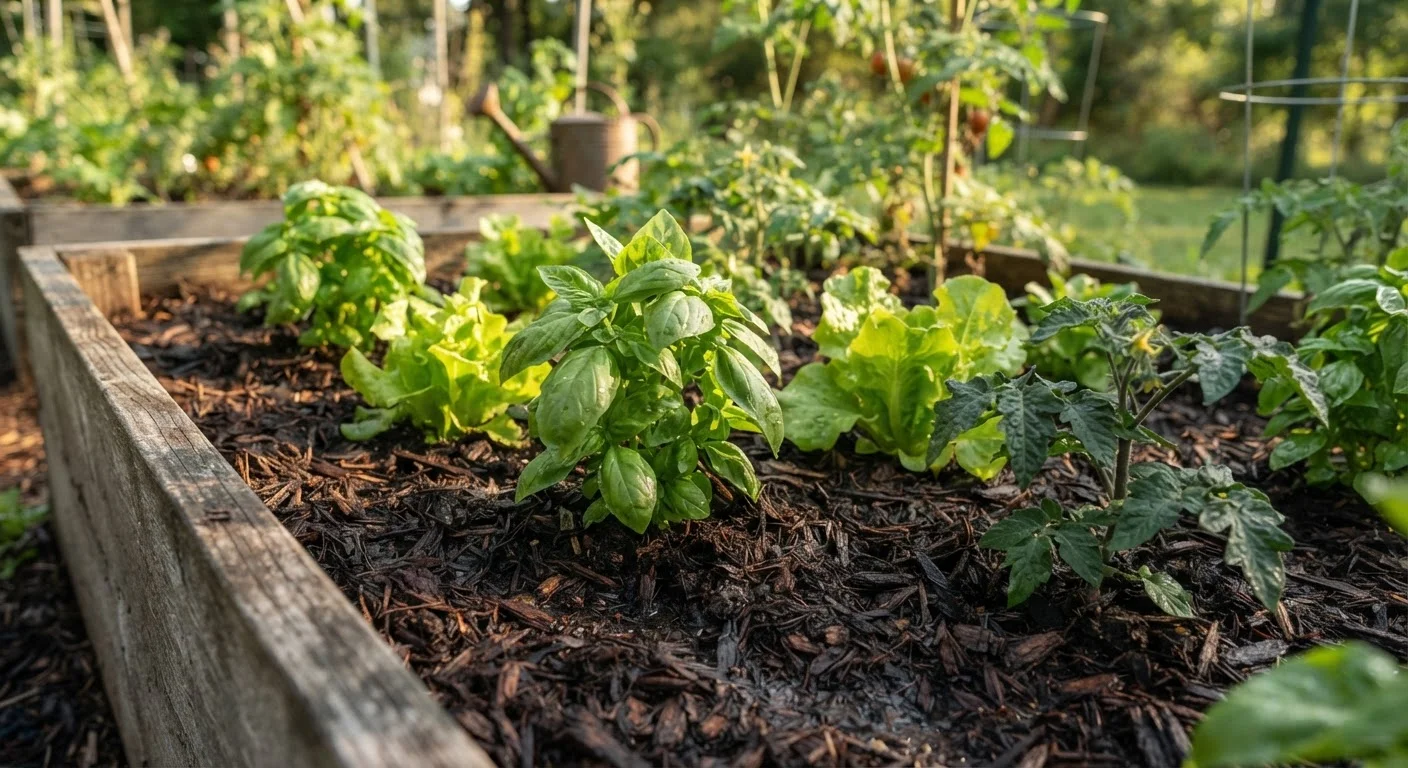
Mulching around your plants also plays a role: it shelters ground-dwelling predators like ground beetles and spiders that hunt soil-level pests overnight. Our mulching guide covers materials and depth recommendations. Similarly, a home compost system builds the rich organic matter that feeds soil life - the foundation of a robust garden. See our composting guide to get started.
Natural pest control is cumulative. Each season you invest in habitat diversity, soil quality, and beneficial insect support, your garden becomes progressively more self-regulating - requiring less intervention and rewarding you with healthier harvests.