Why Shaded Spots Deserve a Second Look
Most garden advice is written with full-sun beds in mind, which leaves homeowners staring at shaded corners under trees, along north-facing fences, or beside the house and wondering what to do. The instinct is often to give up - to mulch it over and call it done. That's a missed opportunity.
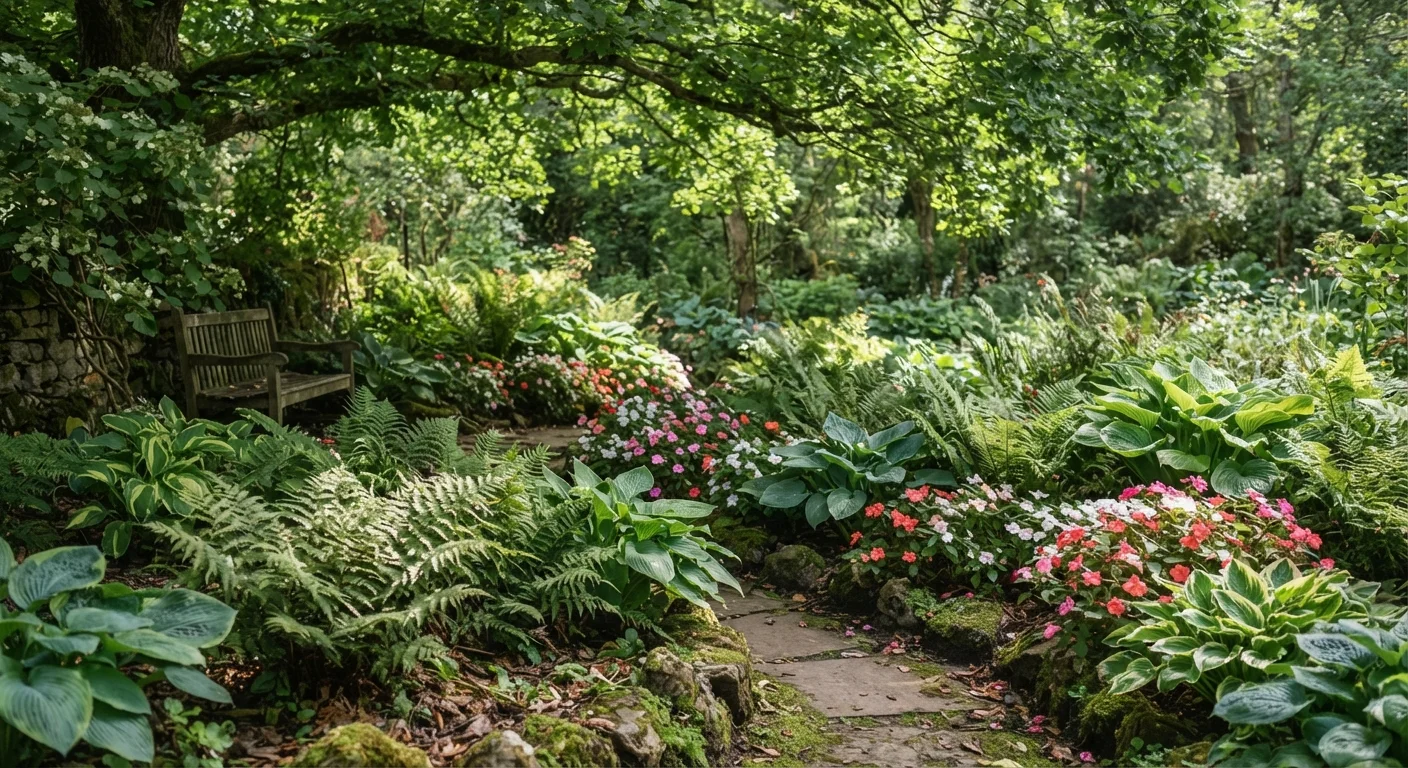
Shade gardens, when planted with intention, can be some of the most visually striking and low-effort areas of a yard. Foliage textures, cool color palettes, and the natural quiet of a canopy environment all contribute to a garden that feels designed rather than abandoned. The key is understanding what kind of shade you're working with.
Partial shade means two to four hours of direct sun daily. Full shade means fewer than two hours. Most "shade-tolerant" plants actually prefer partial shade, so observe how light moves through the space before planting. And because tree roots compete aggressively for moisture and nutrients, you'll also want to pay attention to your soil. Our article on building healthy garden soil covers how to improve structure and organic matter - both especially relevant under tree canopies.
Hostas
Hostas are the most reliable shade perennials available to US gardeners, and for good reason. They produce bold, architectural foliage in a range of sizes - from compact mounds about six inches tall to giants exceeding four feet across - and return reliably each spring from hardy root systems.
Leaf color ranges from deep green to blue-gray to chartreuse, with many varieties offering cream or white margins. While hostas do produce lavender flower spikes in midsummer, foliage is their real strength. They perform well in both partial and full shade, though the lighter-colored varieties tend to hold color better with a few hours of morning sun. Plant in moisture-retentive, well-amended soil and divide clumps every three to five years to keep them vigorous.
Hostas offer bold foliage in blue, green, and gold - thriving where most plants won't even survive.
Ferns
Ferns bring a soft, layered texture to shade gardens that's difficult to achieve with any other plant group. For North American gardeners, native ferns are particularly worth prioritizing - ostrich fern (Matteuccia struthiopteris) produces dramatic vase-shaped fronds up to five feet tall, while the autumn fern (Dryopteris erythrosora) emerges copper-red before settling into deep green, offering two-season color interest.
Most ferns prefer consistent moisture and dislike drought, so they're well-suited to spots where water tends to collect. They're also excellent at filling the dry shade under dense tree canopies when given a good start with compost-enriched soil. Many are deer-resistant, which is a practical bonus in suburban and rural settings.
Native ferns fill dry, difficult tree-root zones with soft texture and genuine resilience.
Astilbe
For gardeners who want flowering color in partial shade, astilbe delivers reliably. The feathery plume-like flower spikes appear in midsummer in shades of white, pink, red, and lavender, rising above finely cut, fern-like foliage. Plants typically grow between one and four feet tall depending on variety.
Astilbe prefers consistently moist soil and will struggle in dry conditions - it's an ideal choice for shaded spots near downspouts or low areas that stay damp. Once established, it's low-maintenance and long-lived. Deadheading isn't required; the spent plumes dry attractively and provide winter structure. Divide every three to four years in early spring to maintain vigor and spread the planting.
Astilbe delivers vivid summer color in partial shade, thriving in the moist spots other plants avoid.
Epimedium (Barrenwort)
Epimedium is one of the most underused shade groundcovers in American gardens, despite being exceptionally tough. It tolerates dry shade under established trees - one of the most challenging conditions in any yard - and spreads steadily to form a weed-suppressing mat of heart-shaped leaves.
In spring, delicate flowers appear in yellow, white, pink, or purple, depending on variety, held just above the foliage on wiry stems. The leaves often develop attractive reddish tints in fall and may be semi-evergreen in milder climates. Once established, epimedium needs little attention and holds its ground even against aggressive tree roots. It's an especially practical choice for the dry, root-dominated zone directly under large deciduous trees.
Epimedium conquers dry shade under trees - one of gardening's most persistent challenges.
Lungwort (Pulmonaria)
Lungwort earns its place in shade gardens through early bloom time and distinctively spotted foliage. Flowers appear in early spring - often while trees are still bare - in pink, blue, or white, making them among the first color in the season. The silver-spotted leaves remain attractive through summer, providing long-season interest even after flowering ends.
Plants prefer partial shade and consistently moist, humus-rich soil. In hot, dry conditions, the leaves may scorch at the edges by midsummer; keeping moisture consistent and siting in deeper shade during peak summer heat addresses this. Lungwort is also a valuable early nectar source for bees before most other flowers open.
Lungwort blooms before most shade plants wake up, bringing early color when gardens need it most.
Wild Ginger (Asarum canadense)
For native plant enthusiasts, wild ginger is an outstanding low-growing groundcover for full to partial shade. It spreads slowly by rhizome to form a dense, uniform carpet of kidney-shaped leaves that stay at around six inches in height - effective for smothering weeds without becoming invasive.
While the small, brownish flowers it produces at ground level in spring are easily overlooked, the foliage is attractive from spring through fall and holds up well even under competitive tree roots. It's well-adapted to the woodland floor conditions common in eastern and midwestern US gardens. Note that this plant is not related to culinary ginger and should not be consumed.
Wild ginger forms a tidy native groundcover, outcompeting weeds in even deep, root-filled shade.
Lettuce and Arugula
Not all shade-tolerant plants are ornamental. Lettuce and arugula are among the few edible crops that genuinely benefit from partial shade, especially in warmer parts of the country where full sun accelerates bolting (when the plant shifts to seed production and leaves turn bitter).
A spot that receives two to three hours of morning sun and afternoon shade can extend the harvest window by several weeks compared to a full-sun bed. Loose-leaf varieties perform particularly well. This makes partially shaded vegetable garden edges, or even spots near the base of a fence, practical growing areas rather than wasted space. Those exploring productive small-space growing in shaded conditions may also find useful ideas in container gardening for balconies and patios.
Partial shade actually extends the lettuce and arugula harvest by slowing the bolting process.
Putting It All Together in Your Outdoor Space
Shade plants are most effective when they're treated as a design layer rather than an afterthought. Think about height variation - groundcovers at the base, medium-height perennials in the middle, and taller ferns or shrubs at the back - to give the bed a sense of fullness even without flowers.
Start with a Soil Boost Before Planting
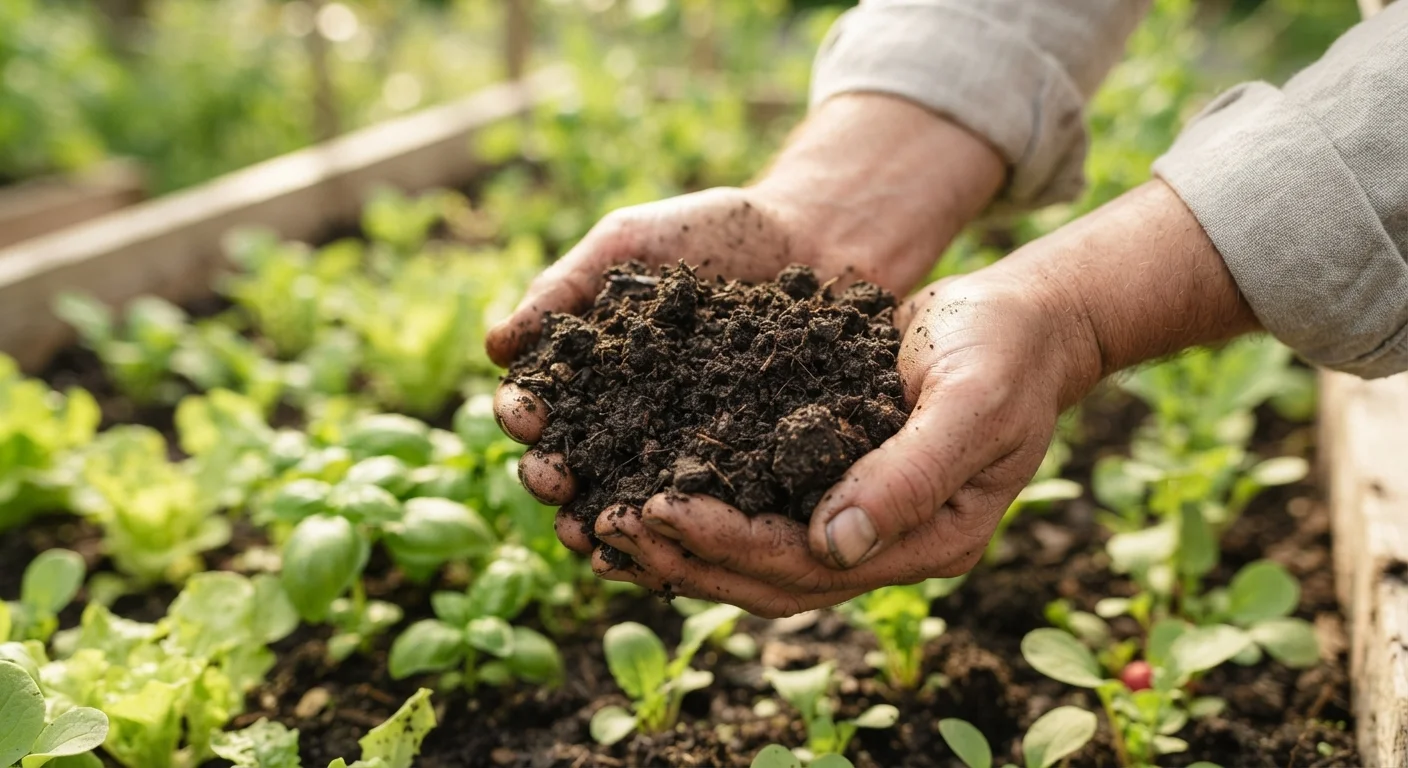
Shaded areas under trees often have compacted, root-filled soil that's low in moisture and nutrients. Before planting, work two to three inches of compost into the top layer of soil wherever roots allow. This improves moisture retention and gives new plants a better start without disturbing tree roots significantly. Avoid mounding soil against tree trunks, which can cause long-term bark damage.
If you're working through a broader yard improvement project, this outdoor space planning checklist can help you assess shade, seating, and planting zones together. And for those thinking about long-term garden structure, the layout principles used by experienced gardeners apply just as well to shaded areas as to sunny borders.
Shaded corners don't require elaborate effort - they require the right plants. Once established, many of the species below need minimal watering, little feeding, and almost no intervention to look their best season after season.