Why New Owners Are Often Caught Short
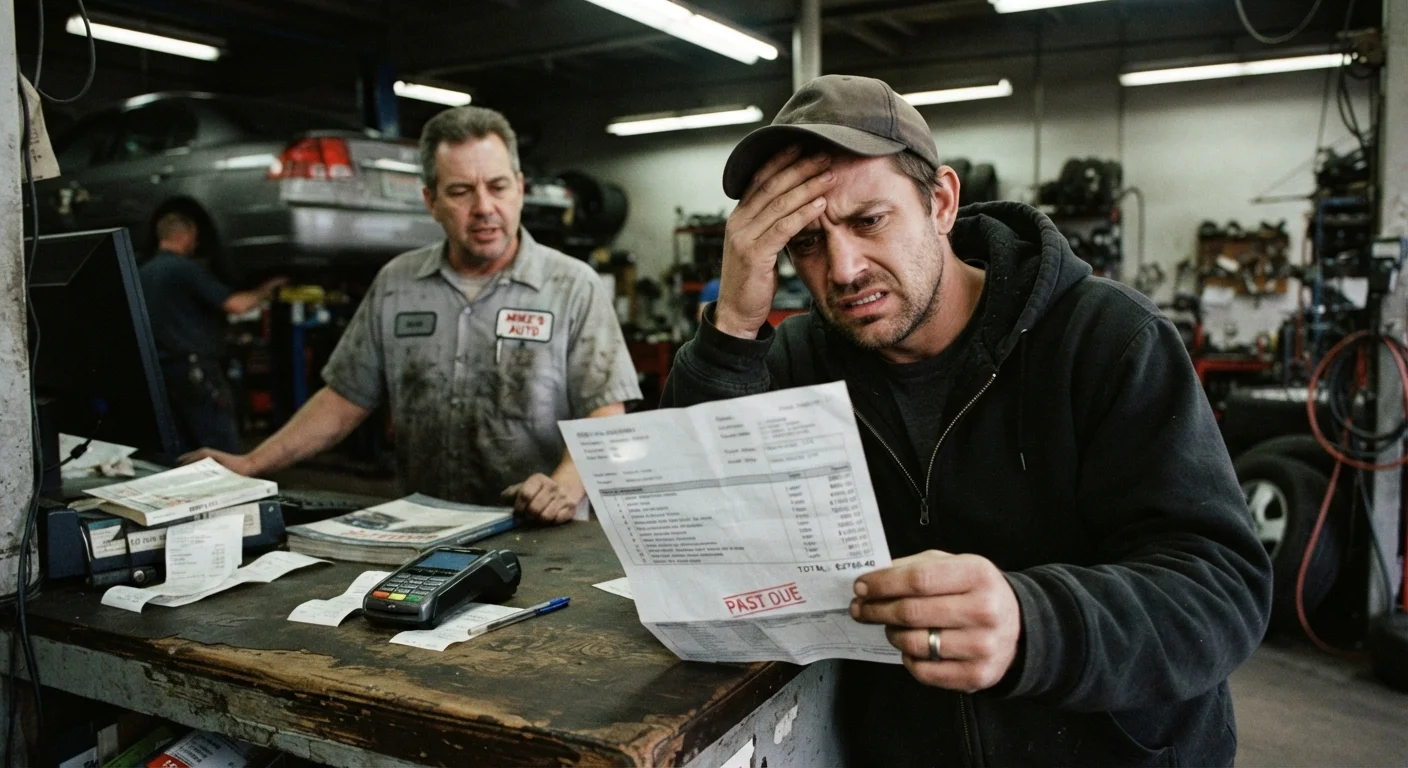
Buying a car tends to consume so much financial and mental energy that the ongoing costs of ownership can feel like an afterthought - until the bills start arriving. The purchase price and monthly loan payment dominate most buyers' thinking, but they represent only a portion of what a vehicle actually costs to run each year.
Fees that inflate the cost of buying a car are well documented, but the recurring expenses that follow can be just as disruptive to a household budget. Research consistently shows that many drivers - especially in their first year of ownership - underestimate total vehicle costs by a significant margin. Car-related spending is one of the categories Americans most routinely underestimate, according to personal finance research.
The seven costs below are among the most commonly overlooked. Understanding them before they arrive gives you the best chance of absorbing them without derailing your broader financial plan.
Tyre Replacement Costs
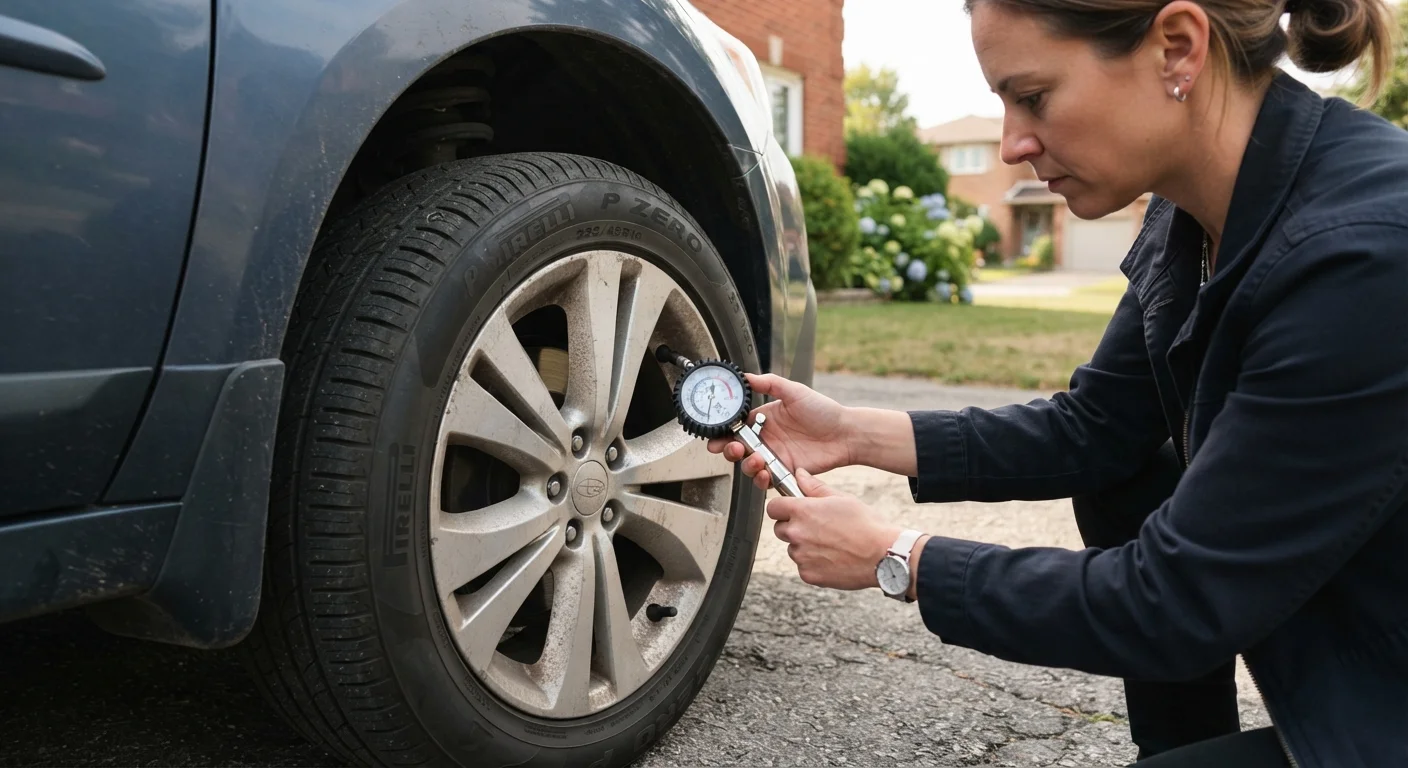
New car owners frequently budget for fuel and insurance but rarely set money aside for tyres - until a set needs replacing all at once. A full set of four tyres for a mid-size sedan can range from several hundred to well over a thousand dollars depending on the vehicle and tyre grade. Factors like driving habits, road conditions, and whether you keep up with rotations and alignment checks all affect how quickly tread wears down.
The legal minimum tread depth in most US states is 2/32 of an inch, but handling and wet-weather braking begin degrading noticeably above that threshold. Monitoring tyre pressure and tread depth regularly helps you anticipate replacement rather than be ambushed by it.
A full set of tyres can arrive as an unexpected four-figure expense if you haven't planned for it.
Vehicle Registration and Renewal Fees
Annual registration renewal is a non-negotiable expense that varies considerably by state. Some states charge a flat fee; others base it on the vehicle's value, weight, or age - meaning a newer or higher-value car can carry a noticeably steeper renewal bill. Owners who financed a vehicle sometimes assume this cost is wrapped into their loan payments, which it is not.
In states that tie registration fees to vehicle value, the cost steps down each year as the car depreciates, but the first few years can still run into the hundreds of dollars. Factor renewal fees into your annual vehicle budget from day one.
In some states, first-year registration renewal runs several hundred dollars based on the car's assessed value.
Emissions and Safety Inspection Fees
Many US states require periodic smog or emissions testing as a condition of registration, and some also mandate a separate safety inspection. These tests carry their own fees, and if your vehicle fails, you're on the hook for both the retest and any repairs needed to bring it into compliance.
Catalytic converter issues, oxygen sensor failures, or a loose gas cap can all trigger a failed emissions test. Even minor repair costs - a diagnostic fee plus a replacement sensor - can push total inspection-related spending well past what most owners anticipate in a given year.
A failed emissions test means repair costs on top of the inspection fee, with no guarantee of a quick pass.
Parking Permits and Urban Fees
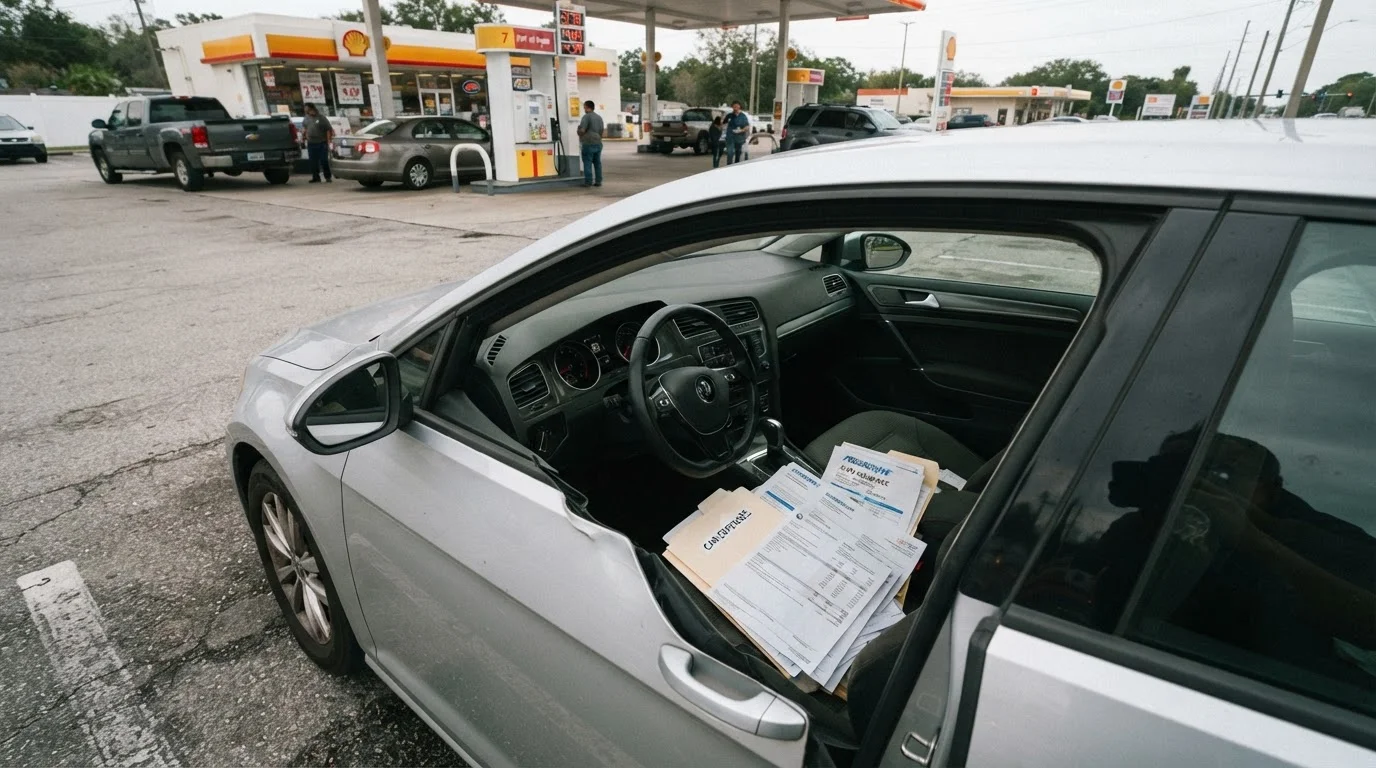
Drivers moving into or near urban areas are often caught off guard by the cost and complexity of residential parking permits. Many cities charge annual permit fees, and in competitive zones, availability isn't guaranteed even after payment. Metered street parking, garage fees, and permit renewals can collectively add hundreds of dollars per year to ownership costs.
On top of that, parking violations carry fines that compound quickly if left unpaid. Some municipalities also charge for preferential or overnight permit zones on top of a base residential permit. It's worth researching your city or county's specific parking rules before you finalize where you'll keep the vehicle.
Urban parking permits, meter costs, and violation fines can quietly add hundreds to annual car expenses.
Roadside Assistance and Breakdown Cover
Many new car owners assume that manufacturer warranties or auto insurance automatically include roadside assistance - and some do, but often only for a limited period or with restrictions on mileage and service type. Once that initial coverage lapses, towing a vehicle even a short distance can cost well over a hundred dollars out of pocket.
Standalone roadside assistance plans through motor clubs or insurance add-ons offer a cost-effective safety net, but they represent an ongoing subscription expense that needs to be budgeted. Weigh the annual cost against the realistic risk of needing a tow, jump-start, or lockout service in your driving environment.
Manufacturer roadside coverage is often time-limited - don't assume you're still protected after the first year.
Depreciation as a Real Financial Cost
Depreciation isn't a bill you receive, but it's arguably the largest single cost of car ownership over time. Most vehicles lose a significant portion of their value within the first few years - sometimes 20% or more in the first year alone. If you plan to sell or trade in the vehicle later, that lost value directly affects your financial position.
For drivers carrying a loan, rapid depreciation in the early years can create a situation where you owe more than the car is worth - commonly called being "underwater" on a loan. Understanding total ownership costs, including depreciation, gives you a more honest picture of what the car is actually costing you each year.
Depreciation is the cost you never invoice for - yet it can dwarf fuel and insurance combined over time.
Scheduled Maintenance Beyond Oil Changes
Many new owners budget for oil changes but underestimate the cost of scheduled maintenance items that fall due at specific mileage intervals - cabin air filter replacement, spark plugs, transmission fluid, brake fluid flushes, and timing belt or chain inspections. These are not optional; deferring them typically leads to more expensive repairs down the line.
Your vehicle's owner's manual outlines the manufacturer's recommended service schedule. Common car ownership myths often lead drivers to skip or delay these services, believing modern cars need less upkeep than they actually do. Setting calendar reminders tied to mileage milestones helps you plan and save in advance.
Interval-based maintenance - spark plugs, fluid flushes, filters - arrives predictably but still surprises most first-time owners.
Planning Ahead Makes the Difference
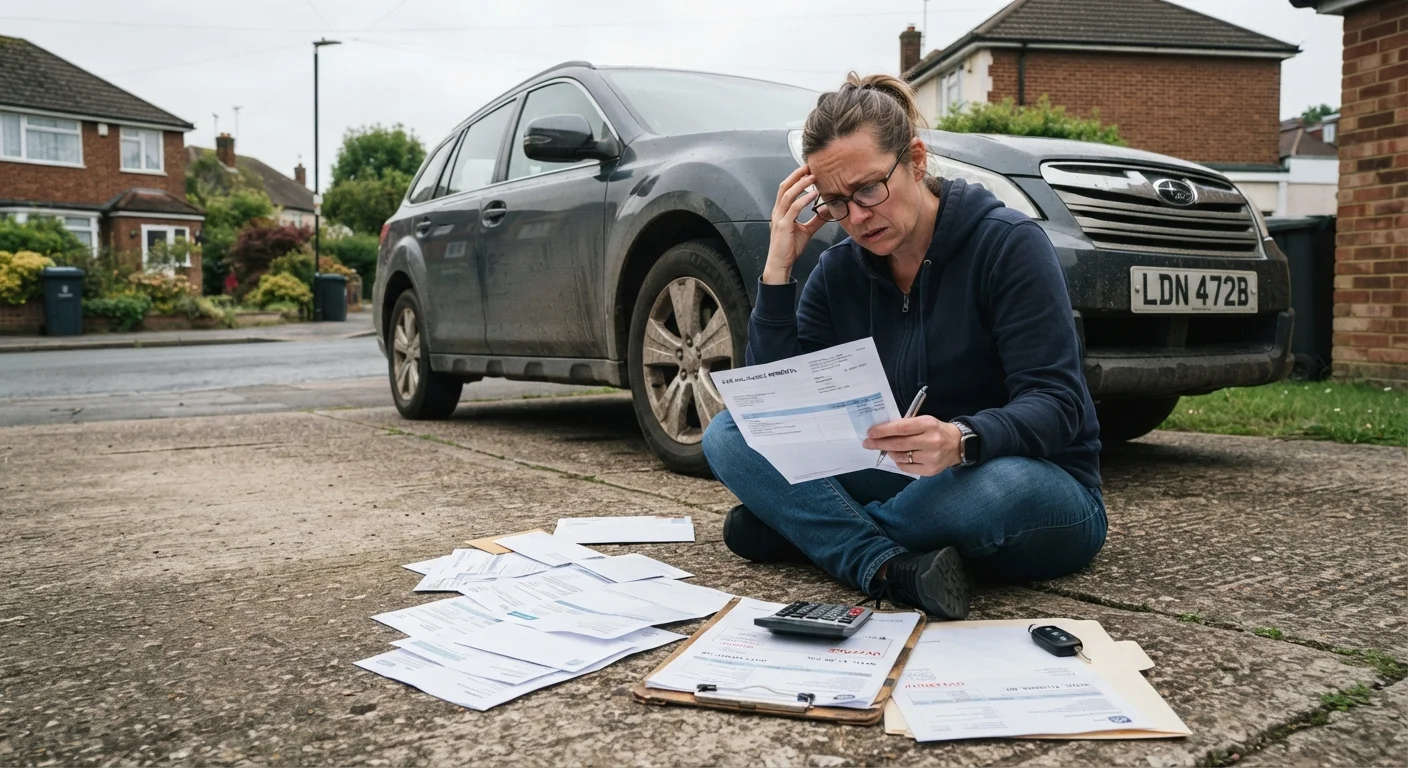
None of the costs on this list are unavoidable - but all of them are foreseeable. The drivers who feel blindsided are typically those who planned only for predictable monthly expenses and didn't account for the irregular, lump-sum nature of items like tyre sets, registration renewals, and scheduled service intervals.
Build a dedicated car expense fund
Set up a separate savings account for vehicle-related costs and contribute a fixed amount each month. Aim to cover not just fuel and insurance, but irregular expenses like tyres, registration, and maintenance. Even a modest monthly contribution smooths out the financial impact of larger, infrequent bills. A structured annual car budget can help you calculate a realistic target.
Owners of older, higher-mileage vehicles face a particularly unpredictable cost profile, but even drivers of newer cars should expect these expenses to emerge within the first few years. Reviewing your recurring financial commitments periodically - including vehicle costs - helps you catch budget drift early. Auditing your recurring costs is a useful habit that applies just as much to car-related expenses as to digital subscriptions.
This article provides general financial and automotive information for educational purposes only. It does not constitute personalised financial or legal advice. Costs vary by state, vehicle, and individual circumstances. Consult a qualified professional for guidance specific to your situation.