What DIY Car Maintenance Actually Covers
The phrase "DIY car maintenance" covers a wide spectrum - from wiping down a cabin air filter to attempting a brake caliper rebuild. The gap between those two tasks is enormous, both in terms of required skill and the consequences of getting it wrong. Understanding where you sit on that spectrum is the starting point for every decision you make under the hood.
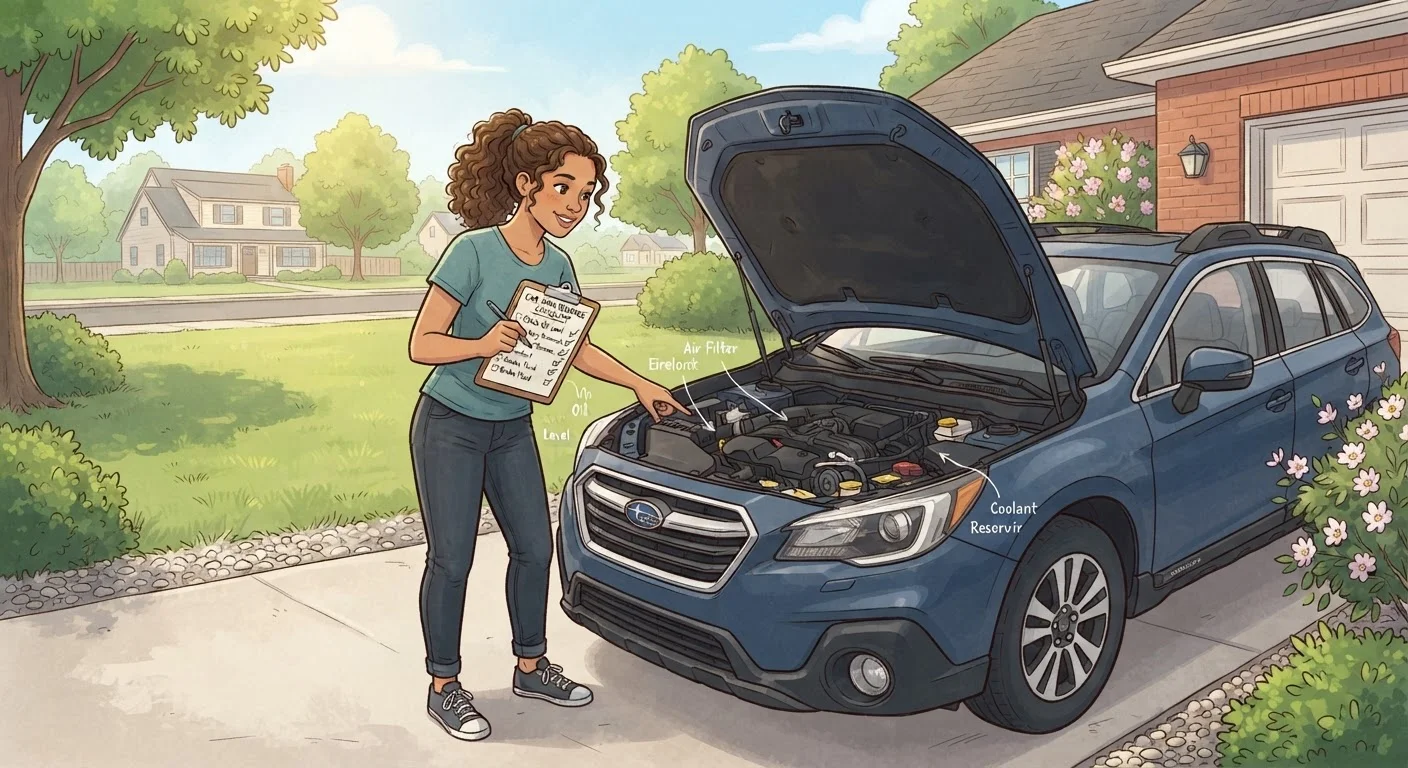
If you're new to vehicle ownership, a good starting point is our introduction to car maintenance for new drivers, which walks through key service intervals and foundational habits. For those ready to go deeper, knowing how to read your car's fluid levels at home is one of the highest-value skills you can develop - it costs nothing and can catch serious problems early.
At its core, DIY maintenance works best when the task is well-documented, the tools are widely available, the stakes of a mistake are low, and the results are easy to verify. When any of those conditions breaks down, the calculation shifts.
Reduces routine maintenance costs meaningfully
Labour accounts for a significant portion of most service bills. Handling simple tasks yourself - fluid checks, filters, wipers - can reduce what you spend at the shop over time.
Builds genuine vehicle knowledge over time
Drivers who engage with their car's maintenance develop a much sharper instinct for unusual sounds, smells, or behaviour - catching problems earlier and communicating them more accurately to mechanics.
Flexible scheduling with no appointment needed
Routine checks and minor replacements can happen on your schedule, without waiting for a workshop opening or arranging alternative transport.
Immediate satisfaction and sense of ownership
Completing a maintenance task correctly reinforces confidence in your ability to care for the vehicle and makes future tasks feel more approachable.
Allows close inspection of your vehicle's condition
Getting under the hood regularly means you're more likely to notice developing issues - worn belts, low fluids, corroded connections - before they become expensive failures.
Where Home Mechanics Run Into Trouble
Even well-intentioned, methodical home repairs can go wrong - and in the automotive context, "going wrong" can mean anything from a stripped bolt to a safety failure on the highway. The most common pitfalls aren't a lack of effort; they're a lack of the right tools, the right diagnostic information, or an accurate picture of the job's actual complexity.
Incorrect repairs can create costlier problems
A stripped oil drain plug or over-tightened wheel nut can turn a simple job into a workshop repair. Without the right torque specs and tools, small errors compound quickly.
Safety-critical errors carry serious consequences
Brake, steering, and suspension systems directly affect vehicle control. An improperly performed repair on these systems can create a failure that puts lives at risk.
Modern vehicles are increasingly complex
Electronic control systems, turbocharged engines, and hybrid drivetrains require specialist diagnostic equipment and training that most home mechanics don't have access to.
Risk of voiding manufacturer warranty
Certain DIY repairs - particularly if poorly documented or using non-approved parts - can give a manufacturer grounds to dispute warranty claims on related components.
Incomplete jobs can be worse than doing nothing
A partially bled brake system or a coolant flush without a proper flush of the old fluid can leave a vehicle in a worse mechanical state than before the work began.
Brake system work is a frequent area where DIYers overstep. While replacing brake pads is often cited as a beginner task, the job requires proper torque specs, correct bleeding procedures, and an understanding of how the hydraulic system behaves. Similarly, anything touching the fuel system, high-voltage hybrid components, or airbag systems should be handled only by a qualified mechanic - the risks are simply too high to accept otherwise.
For context on what separates manageable from complex repairs, see what mechanics wish every customer understood.
Tasks That Are Genuinely DIY-Friendly
A meaningful range of maintenance tasks sits comfortably in DIY territory for drivers with basic mechanical confidence and the right information. These include:
- Engine air filter replacement: Typically tool-free, with a straightforward housing to open and inspect.
- Cabin air filter swap: Usually behind the glove box or under the dash; most owner's manuals walk through it step by step.
- Windshield wiper blades: Clip-on replacement takes minutes; incorrect sizing is the main risk, easily avoided by checking your owner's manual.
- Tyre pressure checks and top-ups: Essential for fuel economy and tyre wear - a quality gauge and a few minutes is all it takes.
- Battery terminal cleaning: Corrosion on terminals can cause starting problems; a wire brush and baking soda solution handles it safely. For a fuller picture of battery health, see our guide to car battery health.
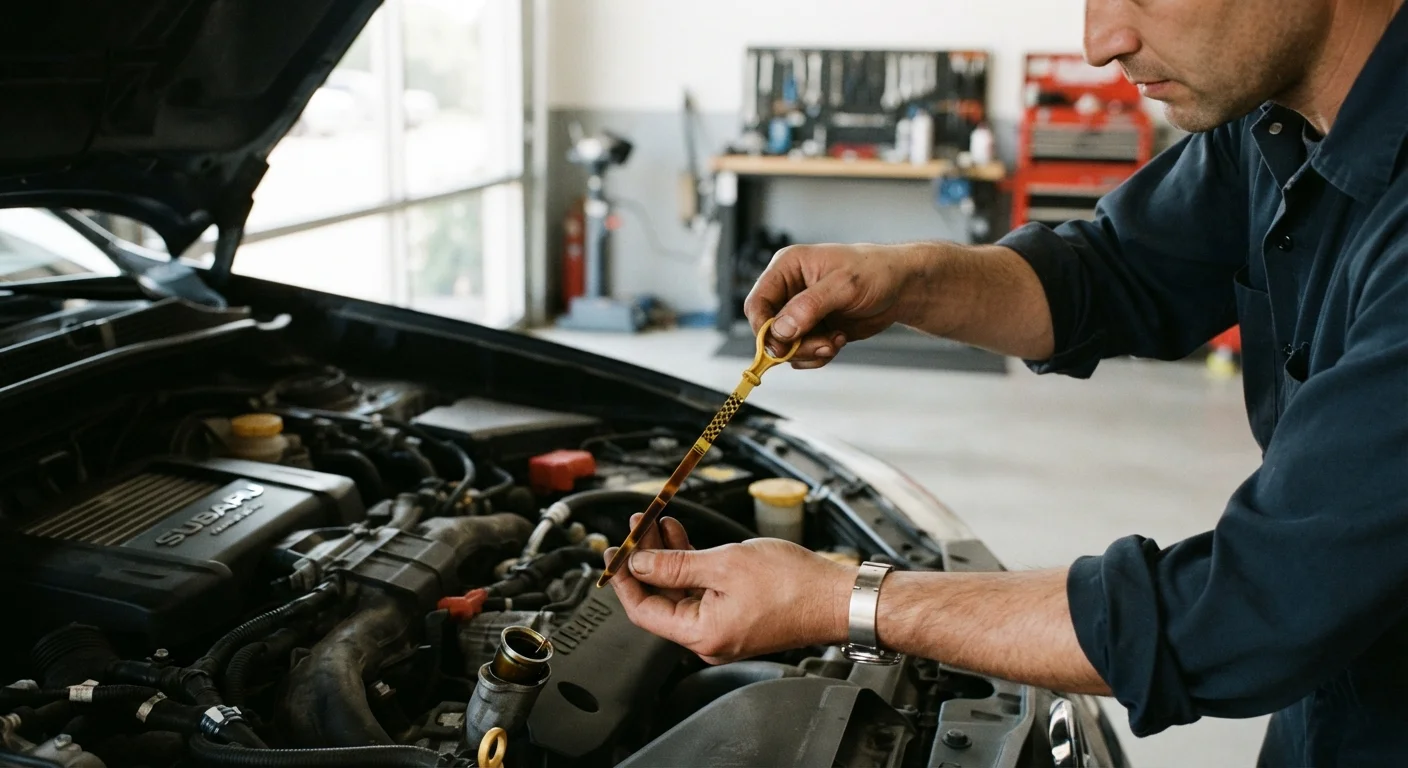
- Fluid level checks: Oil, coolant, washer fluid, and brake fluid are all visible via reservoir markings - no tools required.
Always Start With Your Owner's Manual
Your vehicle's owner's manual is the single most authoritative source for maintenance intervals, fluid specifications, and component locations specific to your make and model. Generic advice found online may not account for your engine type, model year, or regional emissions requirements. Before attempting any maintenance task, confirm the procedure and specifications in your manual - or a manufacturer-approved service guide.
Tyre-related services, however, aren't all created equal. Checking pressure is DIY-friendly; rotation, balancing, and alignment require workshop equipment. Understanding the difference between tyre rotation, balancing, and alignment helps you know when to book a professional rather than assume you've handled it.
Making the Call: A Practical Decision Framework
Before starting any maintenance task, run through these four questions:
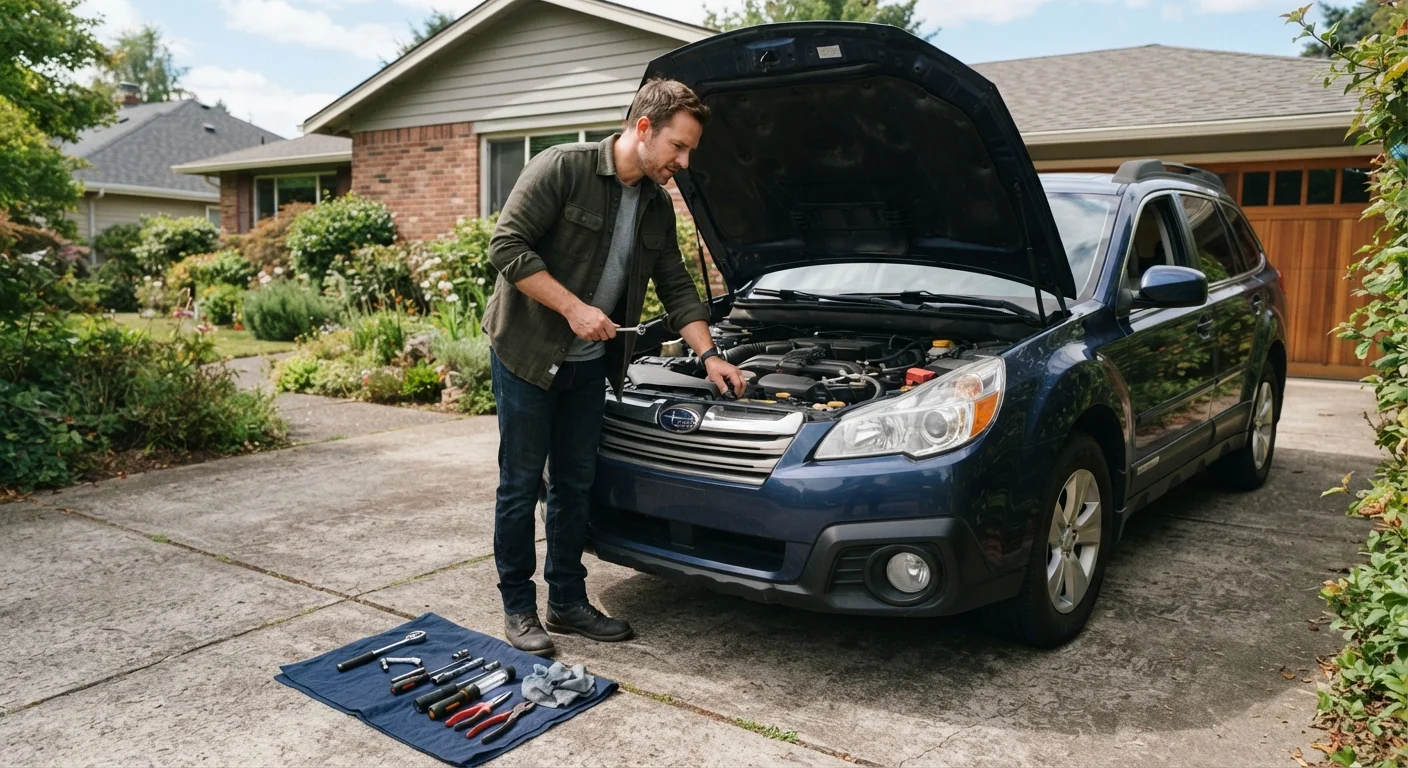
- Do I have the right tools? Improvising with the wrong wrench size or skipping a torque wrench on a critical fastener is where many DIY repairs go sideways.
- Can I verify the result? A replaced wiper blade is easy to test. A bled brake line is not - without a pressure gauge and road test knowledge, you may not catch an issue before it matters.
- What's the consequence of a mistake? Cosmetic errors are forgivable. Safety-critical errors are not.
- Does my warranty or lease agreement allow it? Some manufacturer warranties and lease contracts specify that service must be performed by a certified technician. Check before you proceed.
~35%
Portion of a service bill typically covering labour
Industry estimates suggest labour commonly represents 35-50% of a repair bill, which is where DIY savings are most directly realised.
1 in 3
Drivers who attempt DIY repairs without proper guidance
Consumer surveys in the US have consistently found a significant share of drivers attempt maintenance tasks without consulting the owner's manual or a reliable repair guide.
If you're on the fence about a repair, a diagnostic visit to a qualified mechanic - often available at low or no cost as an inspection - gives you a professional's assessment without committing to a full repair bill. That's almost always better than a misjudged DIY attempt on a complex system. The same logic applies across contexts: as our framework for DIY vs. hiring a tradesperson illustrates, the smartest move is knowing your limits before you start.