Why Budgets Break Down Before the Month Ends
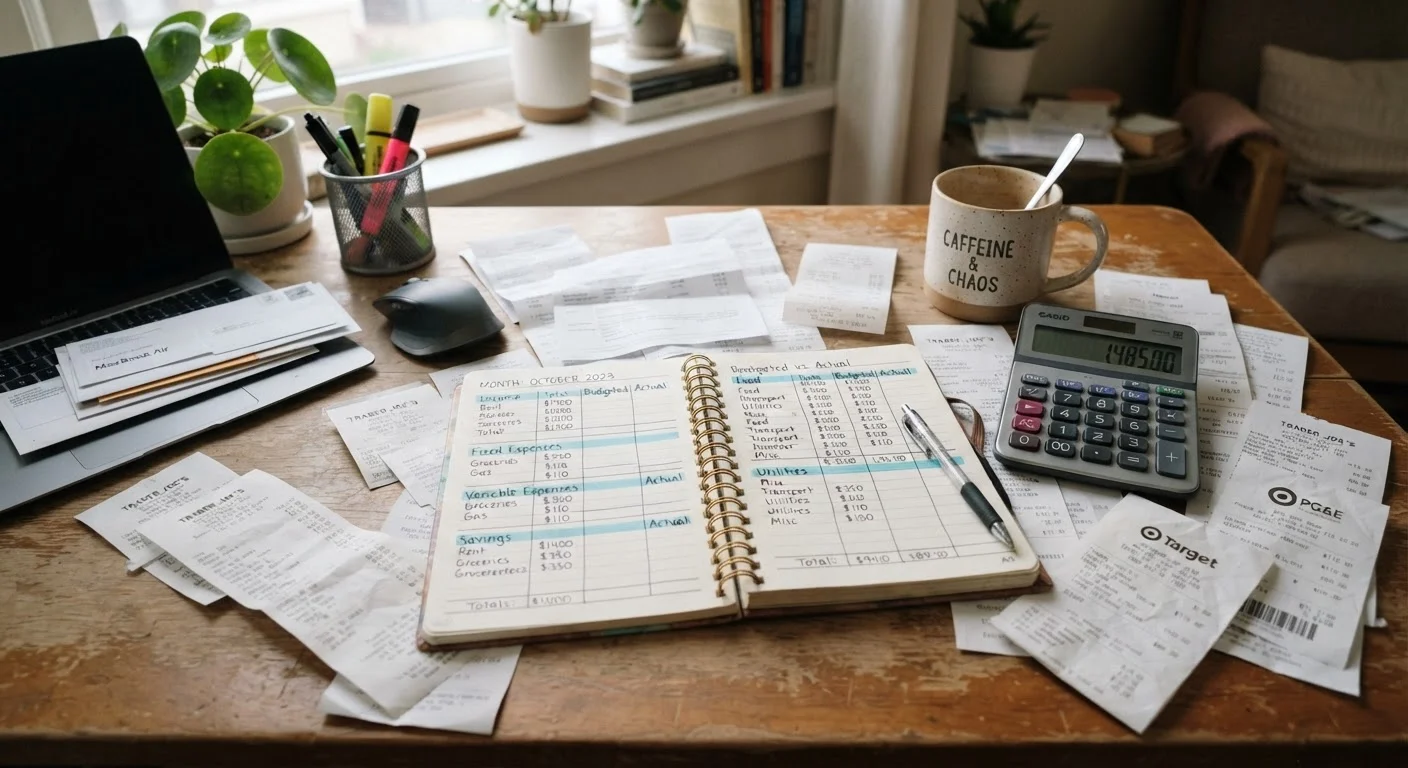
Most people underestimate their spending - not because they're careless, but because standard budgeting advice focuses on monthly fixed costs while glossing over the irregular, variable, and easy-to-forget categories that quietly consume cash. A budget that only captures rent, utilities, and groceries will fail regularly, because real life doesn't bill on a predictable monthly schedule.
The categories below are consistently underestimated by American households. Recognizing them is the first step toward a budget that actually reflects how money moves. This article is general financial education - for guidance tailored to your situation, consult a licensed financial professional.
Vehicle maintenance and repairs
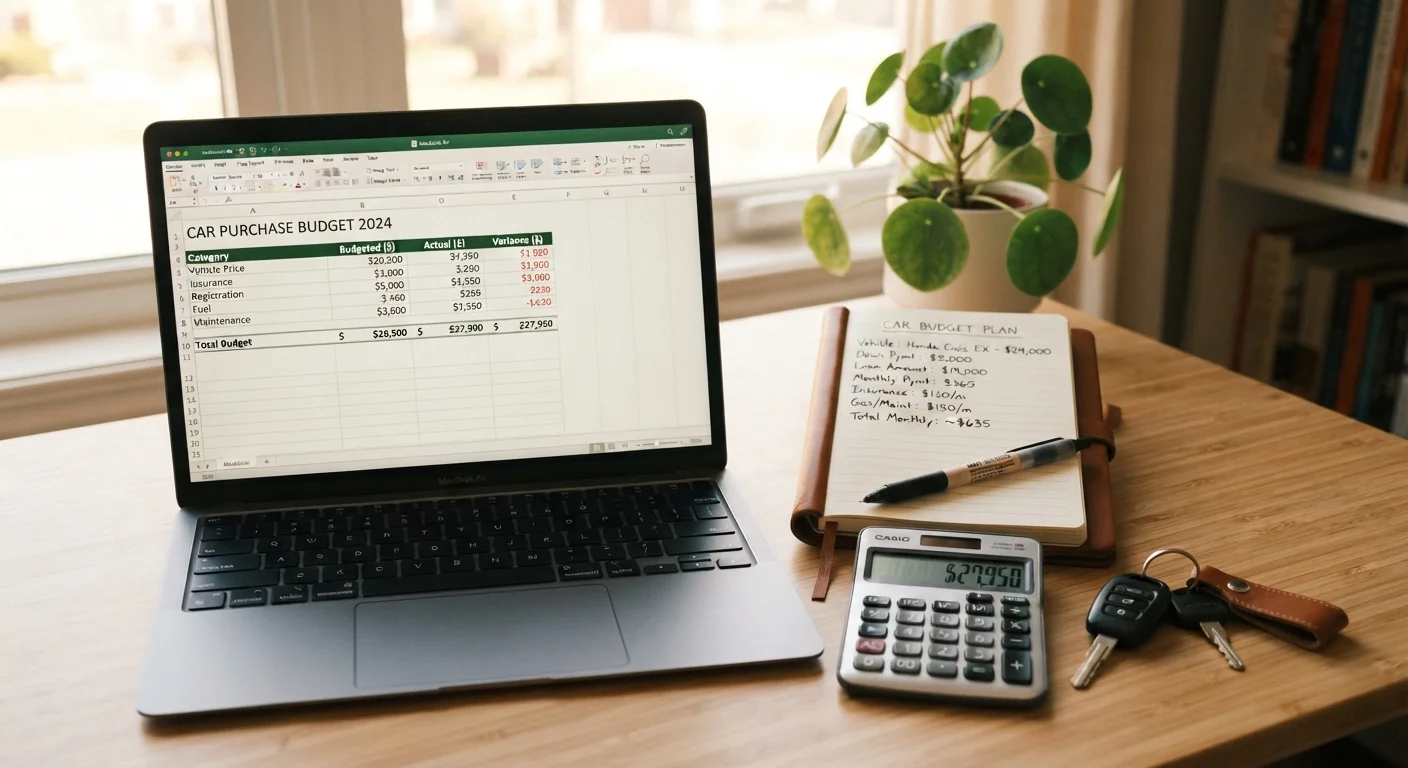
Most drivers budget for gas and insurance but leave vehicle maintenance off the monthly ledger entirely. Oil changes, tire rotations, new brakes, and the occasional unexpected repair are irregular - but guaranteed over time. AAA has consistently found that Americans routinely underestimate total vehicle operating costs when surveyed about their budgets.
A useful framework: estimate your annual maintenance costs based on your vehicle's age and mileage, then divide by 12 and move that amount monthly into a car-specific savings account. For a detailed breakdown of what to anticipate, building a realistic annual car budget walks through every predictable and unpredictable vehicle expense category. New owners especially should review running costs that catch new car owners off guard.
Vehicle repairs are guaranteed over time - only their timing is uncertain.
Healthcare out-of-pocket costs
Having insurance doesn't mean healthcare is free. Deductibles, copays, coinsurance, and costs for services that fall outside network coverage can add up to thousands of dollars per year - far more than most households set aside. Dental and vision care, which are often excluded from standard health plans, catch many people off guard as separate annual expenses.
Rather than hoping for a healthy year, treat your plan's deductible as a predictable annual cost and set aside a monthly fraction of it. If your employer offers a Health Savings Account (HSA) or Flexible Spending Account (FSA), those tax-advantaged tools are specifically designed for this purpose. Check IRS guidance and your plan documents for contribution limits and eligible expenses.
Your plan's deductible is a predictable annual cost - budget for it before you need it.
Subscription and membership fees
Streaming services, gym memberships, software subscriptions, premium app tiers, cloud storage plans, and annual product memberships each seem modest on their own. Collectively, they can easily exceed $150-$300 per month for a household that hasn't audited them recently. The problem is compounded by annual billing cycles - a $99 charge appearing once a year is easy to forget when it hits.
A practical audit: pull three months of bank and credit card statements and highlight every recurring charge. You'll likely find at least one service you forgot you were paying for. Cancel unused subscriptions immediately; set calendar reminders before annual renewals so you can make a conscious decision to renew rather than defaulting to it.
Most households are paying for at least one subscription they've completely forgotten about.
Home maintenance and repairs
Homeowners are often advised to budget 1%-2% of their home's value annually for maintenance - a figure that surprises many first-time buyers. Appliance replacements, HVAC servicing, roof repairs, plumbing issues, and seasonal upkeep don't follow a convenient monthly schedule. Renters aren't immune either: renter's insurance, moving costs, and replacing personal property when something breaks are real expenses that rarely appear in a basic budget.
Because these costs are highly variable by region, home age, and individual circumstances, the key is building a dedicated home repair reserve rather than treating any given year's lack of problems as proof you don't need one.
A year without major home repairs isn't proof you don't need a maintenance reserve - it's a lucky year.
Gifts and celebrations
Birthdays, holidays, weddings, baby showers, and graduation gifts recur on a predictable calendar - yet most budgets treat them as surprises. The winter holiday season alone can represent a significant spike in spending that derails months of careful saving when it isn't planned for in advance.
List every gift-giving occasion you expect in the next 12 months and estimate a realistic total. Divide by 12 and set that amount aside monthly. This converts a lumpy, stressful annual expense into a managed monthly line item.
Holiday and gift spending is predictable by the calendar - budget for it year-round.
Travel and leisure costs
Vacation planning often focuses on flights and hotels while underestimating ground transportation, meals, activity fees, baggage charges, and incidentals. These add-ons routinely push actual trip costs 20%-40% above the initial estimate. Hidden costs most travellers forget to budget for covers specific line items - like visa fees, tourist taxes, and tipping norms - that quietly derail well-planned trips. For a broader framework, travel budget fundamentals explains what each major cost category actually covers.
Even for people who don't take formal vacations, leisure spending - dining out, concerts, weekend activities - tends to be systematically underestimated in self-reported budgets relative to what bank statements actually show.
Actual vacation costs regularly run 20%-40% higher than initial estimates due to overlooked line items.
Building a Budget That Holds
The common thread across all these categories is irregular timing. Costs that don't appear on a monthly statement are easy to exclude from a monthly budget - but they're just as real. One reliable fix is the sinking fund approach: divide each annual or irregular expense by 12 and set that amount aside each month in a dedicated savings bucket. When the bill arrives, the money is already waiting.
Use Your Bank Statements, Not Your Memory
When estimating how much you spend in any category, pull 12 months of actual bank and credit card statements rather than relying on what feels right. Memory consistently underestimates irregular spending. Most banking apps and credit card portals offer spending category summaries that make this review faster than building a manual spreadsheet from scratch.
For more on the small, high-frequency decisions that quietly drain accounts, see small daily habits that quietly erode a budget. And if grocery costs feel stubbornly high, grocery spending myths that keep food bills higher than necessary covers common misconceptions worth revisiting.
The Everyday Money Moves hub offers additional frameworks for managing money in daily life, while the Saving & Debt section covers building financial buffers over time.
This article is for general informational and educational purposes only and does not constitute personalized financial advice. Consult a qualified financial professional before making decisions about your own financial situation.