Why the 'Paid-Off Car' Advantage Is Real
The most immediate financial benefit of owning an older vehicle is straightforward: no monthly loan payment. For many households, a car payment represents $400-$700 or more each month. Eliminating that obligation frees up cash that can go toward an emergency fund, debt reduction, or simply breathing room in a tight budget.
Depreciation is the other major win. New vehicles typically lose a significant portion of their value in the first few years of ownership - a cost that shows up silently whether you notice it or not. An older car has already absorbed that steepest depreciation curve, meaning its value stabilizes and you're not hemorrhaging equity with each passing month. For a deeper look at how depreciation fits into the full cost picture, see what a car actually costs you each year.
No monthly loan payment frees up cash
Eliminating a car payment can free hundreds of dollars per month, which can be redirected toward savings or other financial priorities.
Steep depreciation already absorbed
Older vehicles have passed through the sharpest part of their depreciation curve, so your equity isn't eroding rapidly each month.
Generally lower insurance premiums
Older vehicles typically qualify for lower comprehensive and collision premiums, and owners may choose to drop those coverages once market value drops sufficiently.
Simpler, more accessible repair ecosystem
Many older vehicles have well-understood mechanical systems, with widely available aftermarket parts and a large pool of mechanics familiar with common failure points.
The Hidden Costs That Erode Those Savings
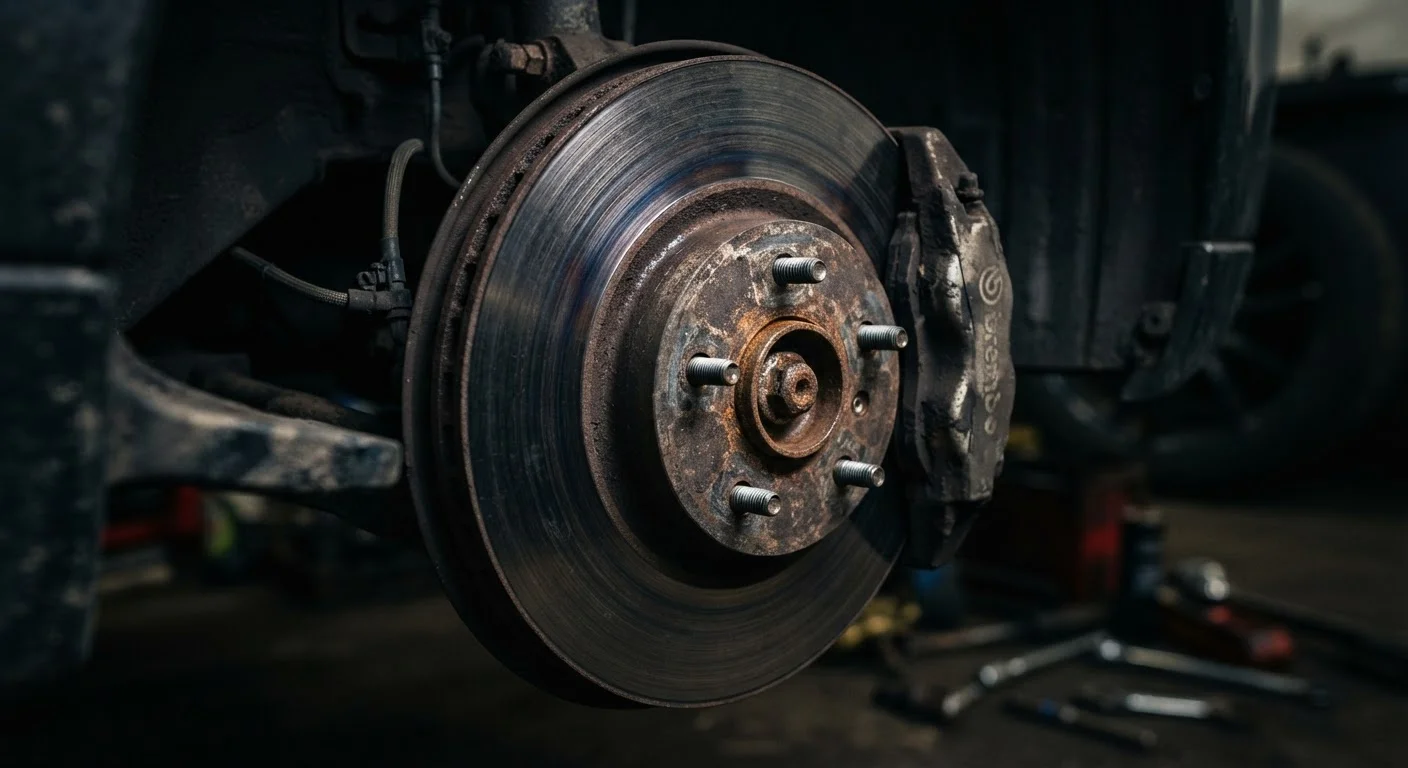
Here's the tension that rarely gets acknowledged: the money you save on payments and depreciation can quietly migrate into a different column - repairs. As vehicles age past 100,000 miles, wear items like timing belts, water pumps, suspension components, and brake systems reach the end of their service lives in overlapping waves. A year with two or three significant repairs can eliminate the payment savings entirely.
Fuel economy is another overlooked gap. Older vehicles generally return worse fuel efficiency than their modern equivalents, and that difference compounds over tens of thousands of miles annually. Similarly, older cars lack the advanced driver-assistance systems - automatic emergency braking, lane-keeping assist, blind-spot monitoring - now standard on newer vehicles. These aren't just convenience features; they have documented effects on crash frequency. Understanding how everyday driving patterns affect mechanical wear becomes especially important when those components are already aging.
Repair costs become less predictable over time
As components age simultaneously, repair bills can cluster - meaning a single calendar year might bring two or three significant expenses rather than one.
Lower fuel efficiency than modern equivalents
Older engines and drivetrains typically deliver worse fuel economy than current models, a gap that translates into measurable extra spending over high annual mileage.
Missing modern safety technology
Features like automatic emergency braking, rear cross-traffic alert, and lane departure warning are now standard on newer vehicles and have documented effects on crash rates.
Potential financing and insurance complications
Some lenders and insurers apply restrictions or surcharges to very old or high-mileage vehicles, which can limit your options or add unexpected costs.
Insurance premiums are generally lower on older vehicles, particularly if you opt to drop comprehensive and collision coverage once the car's market value no longer justifies those premiums. However, dropping that coverage means you bear the full financial risk of an at-fault accident or theft.
Building a Financial Strategy Around an Older Vehicle
The drivers who come out ahead with older cars are almost always the ones who treat maintenance as a non-negotiable budget line rather than an occasional surprise. Setting aside a fixed monthly amount - many mechanics suggest $100-$200 as a baseline, adjusted upward for higher-mileage vehicles - creates a buffer that smooths out the inevitable repair spikes.
~$150/mo
Suggested monthly repair reserve for older vehicles
Industry mechanics commonly recommend setting aside $100-$200 monthly as a maintenance buffer for vehicles past 100,000 miles, adjusted for vehicle condition.
15-25%
Typical new-car value lost in year one
Automotive valuation analysts broadly estimate new vehicles lose roughly 15-25% of their purchase price within the first 12 months of ownership.
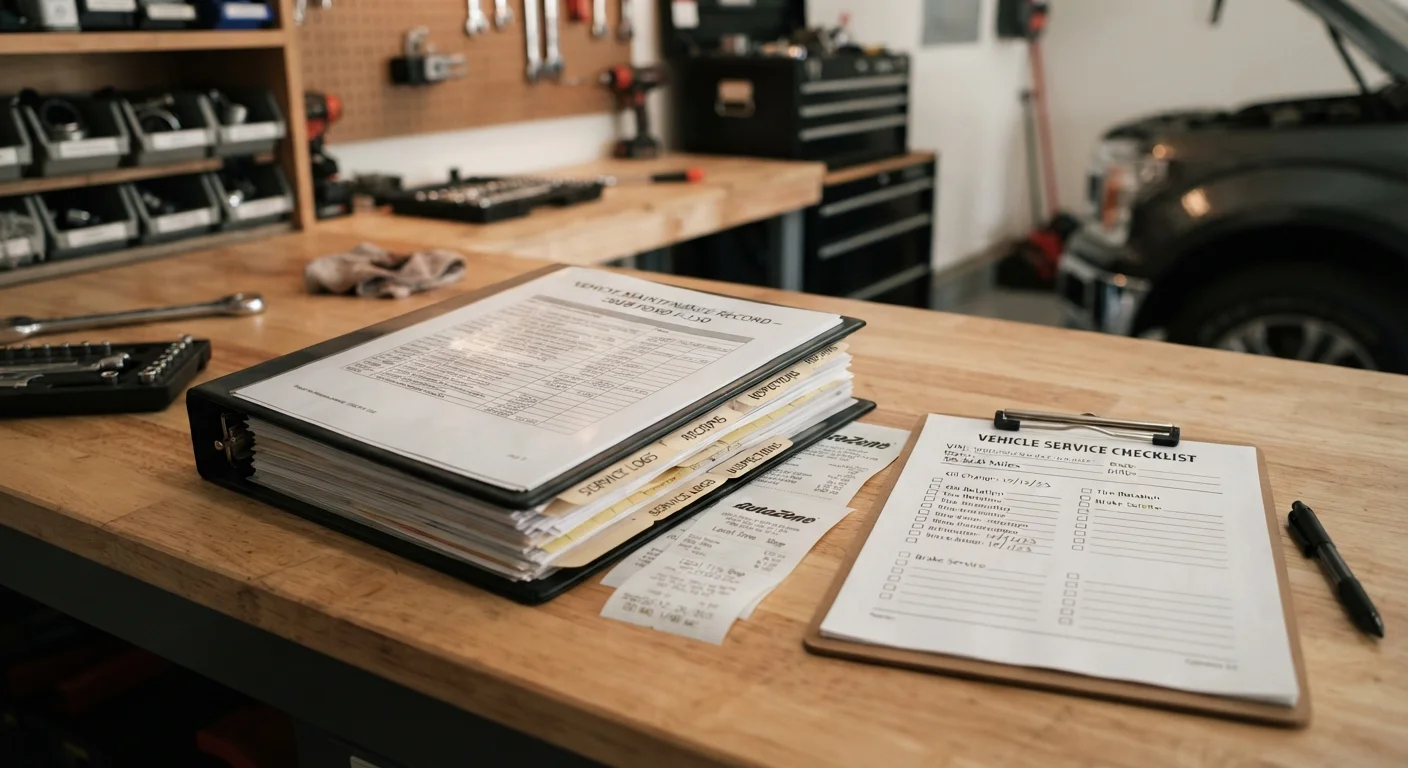
Keeping detailed service records matters more than most owners realize. A documented maintenance history not only helps your mechanic spot patterns before they become failures, it also preserves resale or trade-in value. See why the paper trail matters more than you think for practical guidance on what to log and how to store it.
Annual budgeting is the other critical discipline. Predictable costs - registration, oil changes, tires, inspections - should be projected 12 months out so they never arrive as surprises. Our guide to building a realistic annual car budget walks through that framework in detail. For a broader view of costs drivers routinely underestimate, running costs that catch owners off guard is worth a read alongside it.
When to Involve a Mechanic in the Decision
If you're unsure whether your older vehicle is worth continued investment, a pre-inspection by a trusted independent mechanic can give you an objective assessment of what repairs are imminent versus optional. This typically costs $100-$150 and can clarify whether the vehicle has another reliable two or three years of life - or whether significant costs are looming. It's a low-cost way to make a high-stakes decision with better information.
When Keeping the Old Car Stops Making Sense
There's a point at which repair costs stop being a reasonable trade-off. A useful rule of thumb: when the projected annual repair bill approaches or exceeds 50% of the vehicle's current market value, it's worth running the numbers on alternatives. A single catastrophic repair - engine, transmission, or major electrical failure - can instantly push an older vehicle past that threshold.
Reliability also has a non-monetary cost. If your older vehicle strands you regularly, the downstream consequences - missed work, emergency towing, rental car expenses - are real financial losses that don't always show up in simple payment comparisons. Common car ownership myths can also lead people to hold onto a vehicle longer than makes sense, or to skip services that could have extended its life. Revisiting your assumptions periodically keeps the decision rational rather than emotional.
If you do decide to move on, understanding your options matters. Selling privately versus trading in involves meaningful differences in effort, risk, and return - worth evaluating before you commit to either path.