
Why Car Ownership Myths Are Expensive
Automotive folklore spreads easily - handed down from parents, shared at gas stations, and repeated so often that it starts to feel like common sense. The problem is that many of these beliefs are either outdated, misapplied, or simply wrong. Acting on them costs money in three ways: wasted spending (like paying for premium fuel you don't need), missed maintenance that leads to expensive repairs, and insurance or legal missteps that inflate your costs long after the fact.
Understanding what car ownership actually costs beyond the purchase price is the first step. The second is clearing out the myths that quietly add to that total.
Myth
You need to warm up your engine for several minutes before driving in cold weather.
Fact
Modern fuel-injected engines warm up more efficiently by driving gently, not idling in your driveway.
This habit made sense for carbureted engines built before the 1980s, which needed time to stabilize fuel delivery in cold conditions. Today's engines are managed by electronic control units that adjust fuel mixture instantly. Extended idling actually washes oil from cylinder walls, increases fuel consumption, and adds unnecessary wear. The fastest way to reach optimal operating temperature - and the point at which your engine runs most efficiently - is to drive at moderate speeds for the first few minutes. In cold climates, 30 seconds of idling to allow oil to circulate is generally sufficient.
Myth
Premium fuel will make any car run better and last longer.
Fact
Premium fuel only benefits engines specifically designed or tuned to require higher octane ratings.
Octane rating measures a fuel's resistance to engine knock (uncontrolled combustion). High-performance engines with higher compression ratios genuinely need it. If your owner's manual says "regular unleaded recommended," using premium is unlikely to improve power, fuel economy, or engine longevity - you're simply paying more at the pump for no measurable gain. Check your manual: if it says "premium recommended" rather than "premium required," regular fuel is acceptable in most driving conditions. Save premium for engines that genuinely call for it.
Myth
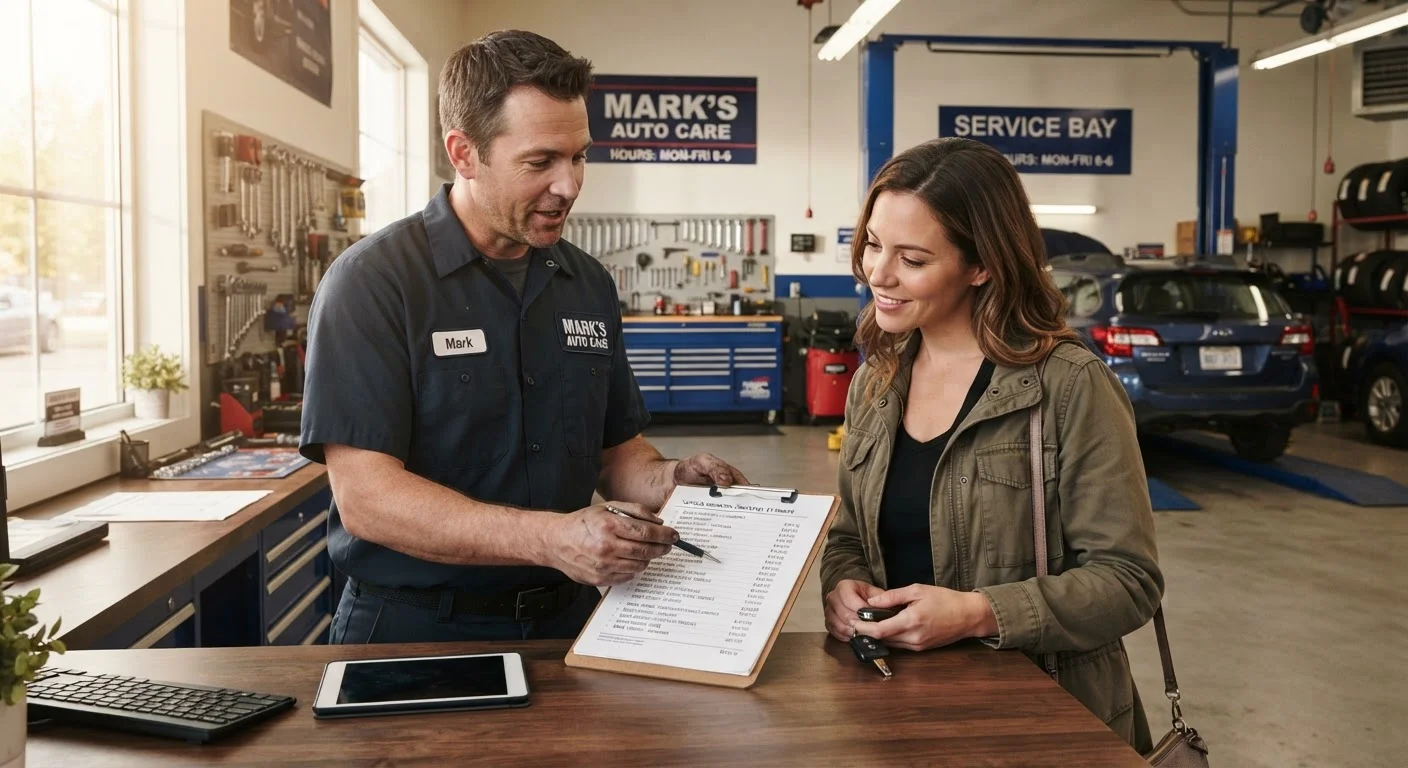
You must get your car serviced at the dealership to keep the warranty valid.
Fact
In the US, the Magnuson-Moss Warranty Act generally prohibits manufacturers from voiding warranties solely because you used an independent mechanic.
Many drivers assume that taking their new vehicle anywhere other than the dealership voids the manufacturer warranty. Under the Magnuson-Moss Warranty Act, a manufacturer typically cannot void your warranty simply because you had routine maintenance performed elsewhere, as long as the work meets the manufacturer's specifications and is properly documented. Keep detailed records - receipts, mileage, and the type of service performed - whether you use a dealership or a qualified independent shop. That paper trail is your protection. Independent mechanics can offer excellent value when you know what to ask and what records to keep.
Myth
Skipping one or two oil changes won't make any real difference to your engine.
Fact
Degraded oil loses its protective properties and can accelerate engine wear significantly over time.
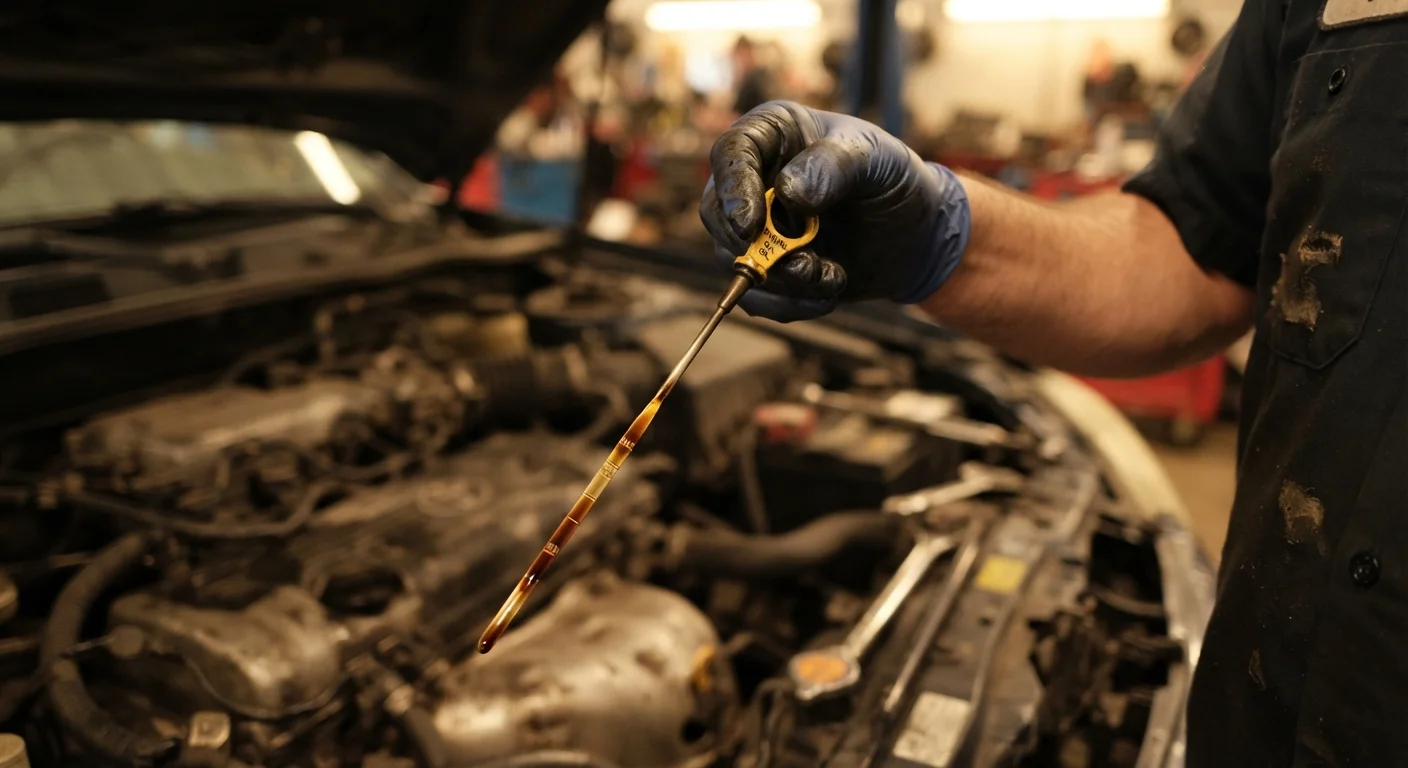
Engine oil doesn't just lubricate - it suspends contaminants, manages heat, and prevents metal-on-metal contact. As it ages, it breaks down and becomes less effective at all three. Skipping intervals allows sludge to build up, which can block oil passages and starve components of lubrication. The cost of neglect compounds quietly: you won't notice damage after one missed change, but the cumulative effect over years can shorten engine life or lead to costly repairs. Understanding oil grades and service intervals helps you make smarter, cheaper maintenance decisions.
Myth
Letting your car insurance lapse for a short period is no big deal if you're not driving.
Fact
Even a brief lapse in coverage is typically recorded and can raise your future premiums substantially.
Insurers treat a coverage gap as an elevated risk indicator, regardless of the reason. When you reinstate or seek new coverage, many providers will quote higher rates because you're now classified as having had a lapse. In some states, if your vehicle is registered but uninsured - even temporarily - you may also face fines or license suspension. If you're storing a vehicle for an extended period, ask your insurer about a comprehensive-only or storage policy rather than canceling outright. The administrative cost of maintaining some form of coverage almost always beats the financial hit of a lapse.
Myth
Bigger tires always improve a car's performance and handling.
Fact
Incorrectly sized tires can compromise safety systems, fuel economy, and ride quality.
Wider or larger tires can improve grip in specific conditions, but only when they're within the manufacturer's approved size range for your vehicle. Fitting tires that are too wide or have the wrong aspect ratio can interfere with speedometer accuracy, antilock braking system (ABS) calibration, and clearance within the wheel arch. They can also increase rolling resistance, which hurts fuel economy. Always consult your owner's manual or a qualified tire professional before deviating from the factory specification. Proper tire selection and maintenance is one of the highest-impact safety decisions a driver makes.
The Financial Reality Behind These Misconceptions
Each myth above has a real cost attached - whether it's extra dollars at the pump, accelerated engine wear, or an insurance premium spike. Taken together, they illustrate a broader pattern: assumptions that were reasonable in a different era of car technology, or that got distorted in the retelling, end up costing modern drivers real money.
Skipping Services Rarely Saves Money Long-Term
Deferred maintenance feels like a saving in the short term but routinely leads to larger repair bills. A missed coolant flush or timing belt inspection, for example, can result in engine damage that costs far more than the service itself. Cooling system neglect is one of the most common and preventable causes of major engine failures. Follow your manufacturer's service schedule rather than guessing or indefinitely postponing.
The antidote is documentation and curiosity. Read your owner's manual - it's the single most underused resource in car ownership. Keep service records, understand what your warranty actually covers, and question advice that doesn't come with a clear mechanical explanation. Drivers who treat their vehicle as a significant financial asset, which it is, make sharper decisions about maintaining it. For a fuller picture of where money goes over a vehicle's lifetime, see our look at the financial realities of keeping an older car and how depreciation shapes the true value of your vehicle over time.