Why the Sticker Price Is Just the Starting Point
When drivers shop for a vehicle, attention naturally gravitates to the price on the window sticker. But that number represents only the entry fee. From the moment you drive off the lot, a range of ongoing expenses begins accumulating - and together they often dwarf the original purchase price over a typical ownership period of five to seven years.
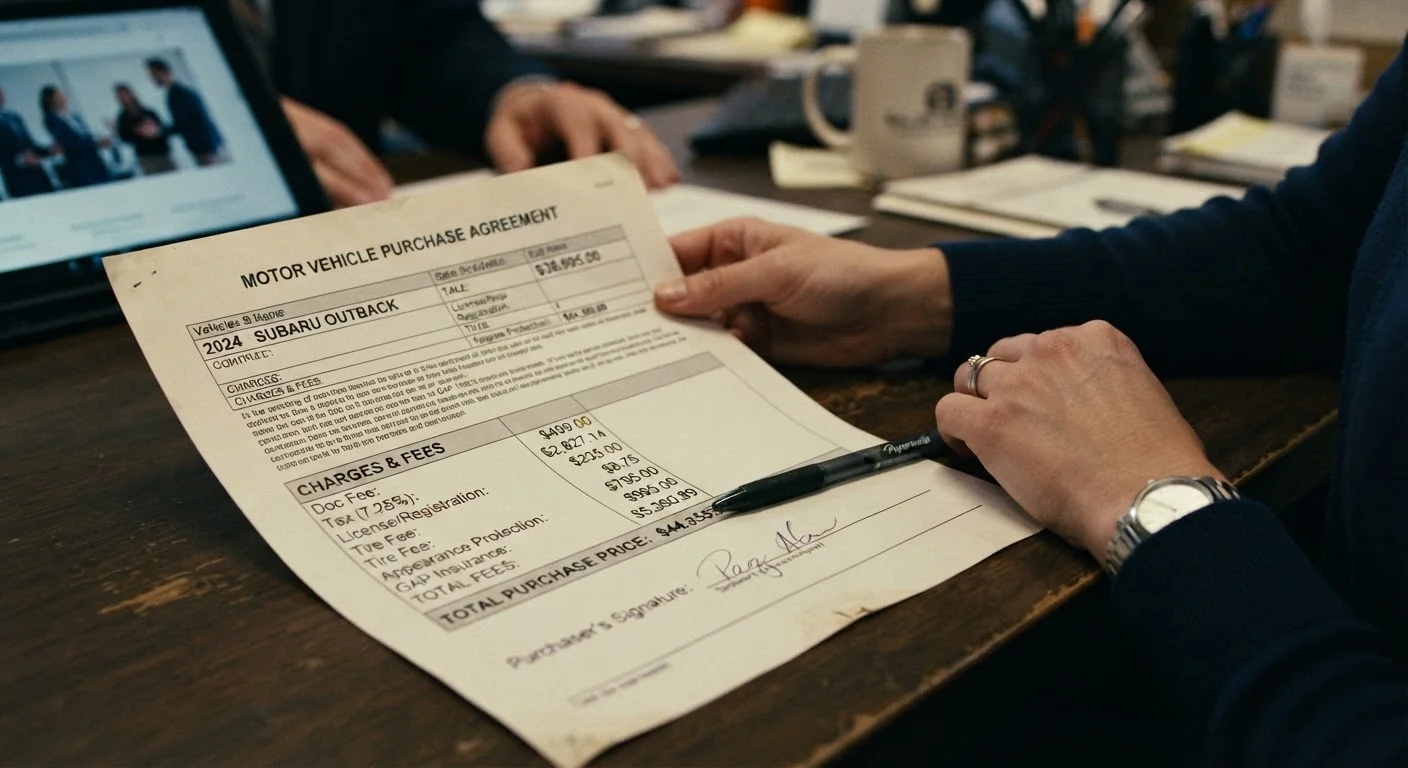
Understanding the full picture before you buy gives you real negotiating power and prevents the budget shock that catches so many drivers off guard. Hidden fees at the dealership can also add hundreds to the bill before ownership costs even begin, so it pays to know what you're agreeing to at every stage.
~$11,000
Estimated average annual car ownership cost
Industry cost-of-ownership analyses have placed total annual expenses for a new vehicle - including depreciation, insurance, fuel, and maintenance - in the $10,000-$12,000 range for average US drivers.
40-50%
Share of five-year costs attributable to depreciation
Depreciation consistently ranks as the largest single component of vehicle ownership cost in long-term cost analyses, particularly pronounced in the first three years.
15,000
Average annual miles driven by US drivers
The Federal Highway Administration has estimated that US drivers average around 15,000 miles per year, a key variable in calculating both fuel and wear-related maintenance costs.
Depreciation: The Silent Budget Drain
Depreciation is the reduction in your vehicle's market value over time, and it is almost always the largest single ownership cost. A new vehicle can lose a substantial portion of its value within the first few years - meaning a significant part of your initial outlay simply evaporates as the car ages.
The rate of depreciation varies by make, model, and market conditions, but the general pattern is consistent: the steepest losses occur early. Buying a vehicle that is two or three years old means someone else has absorbed that initial drop, which is one reason pre-owned vehicles can represent a meaningfully different financial proposition. For a broader perspective on the financial realities of keeping an older vehicle long-term, our piece on owning an older car is worth reading alongside this one.
Insurance, Fuel, and Financing: The Three Recurring Giants
Insurance is a non-negotiable ongoing expense, and its cost depends on your driving record, location, the vehicle itself, and the level of coverage you carry. Comprehensive and collision coverage on a newer or financed vehicle is typically required by lenders and is considerably more expensive than liability-only coverage on an older paid-off car.
Fuel costs accumulate steadily and are heavily influenced by your vehicle's efficiency rating and your annual mileage. A vehicle that gets significantly fewer miles per gallon than alternatives you considered will cost meaningfully more to operate each year - a gap that compounds over time.
Financing costs are easy to overlook because they're folded into monthly payments. Yet the interest paid over the life of a standard auto loan can add thousands of dollars to what you effectively pay for the vehicle. Just as minimum credit card payments quietly inflate what you owe, low monthly car payments stretched over long loan terms can conceal a high total cost.
Calculate Total Loan Cost Before You Sign
Before agreeing to a financing deal, ask for - or calculate - the total amount you will repay over the full loan term, not just the monthly payment. Multiply the monthly payment by the number of months and compare that figure to the vehicle's purchase price. The difference is what financing costs you in real dollars. This single step can significantly sharpen your assessment of whether a loan's terms work for your budget.
Maintenance, Repairs, and Registration
Routine maintenance - oil changes, tire rotations, brake inspections, fluid top-ups - is predictable and budgetable. Skipping or delaying these services is a false economy: small problems left unaddressed reliably grow into larger and costlier ones. Our car maintenance hub covers the core upkeep tasks every owner should understand.
Unexpected repairs are harder to predict but statistically inevitable. Setting aside a dedicated vehicle emergency fund - even a modest monthly amount - smooths out the financial impact when a repair bill arrives. Registration and title renewal fees, emissions testing costs, and any applicable state or local taxes are recurring line items that belong in any honest car budget.
For drivers ready to put all of this into a workable plan, building a realistic annual car budget provides a practical framework for estimating both predictable and unexpected vehicle expenses. And if you're questioning assumptions you've long held about car care, common ownership myths that quietly drain wallets are worth examining.