
Why Recurring Costs Are So Easy to Overlook
Recurring charges are designed for convenience - and that convenience makes them easy to ignore. A $9.99 monthly fee barely registers in isolation, but ten of them add up to nearly $1,200 a year leaving your account with little deliberate thought. Research from financial services firms consistently finds that people underestimate their monthly subscription spend, often by a significant margin.
These "silent drains" cluster across different payment methods, which makes them harder to catch in a single scan. A streaming service hits your credit card. A news site charges your debit account. An insurance add-on rolls into an annual bank debit. Without a structured audit, it's genuinely difficult to see the full picture - and that's exactly what this checklist is designed to fix. As part of any solid budgeting fundamentals practice, a subscription audit belongs on your regular schedule.
Free Trials Are a Common Entry Point
Many subscriptions begin as free or discounted trials that auto-convert to full-price plans. If you don't recognise a charge, check your email for trial sign-up confirmations before assuming fraud. Contact the provider promptly - some offer refunds for recent auto-renewals if you haven't used the service.
What You Need Before You Start
Gather your materials before working through the checklist. Having everything in one place prevents you from missing charges that live on less-frequently checked accounts.
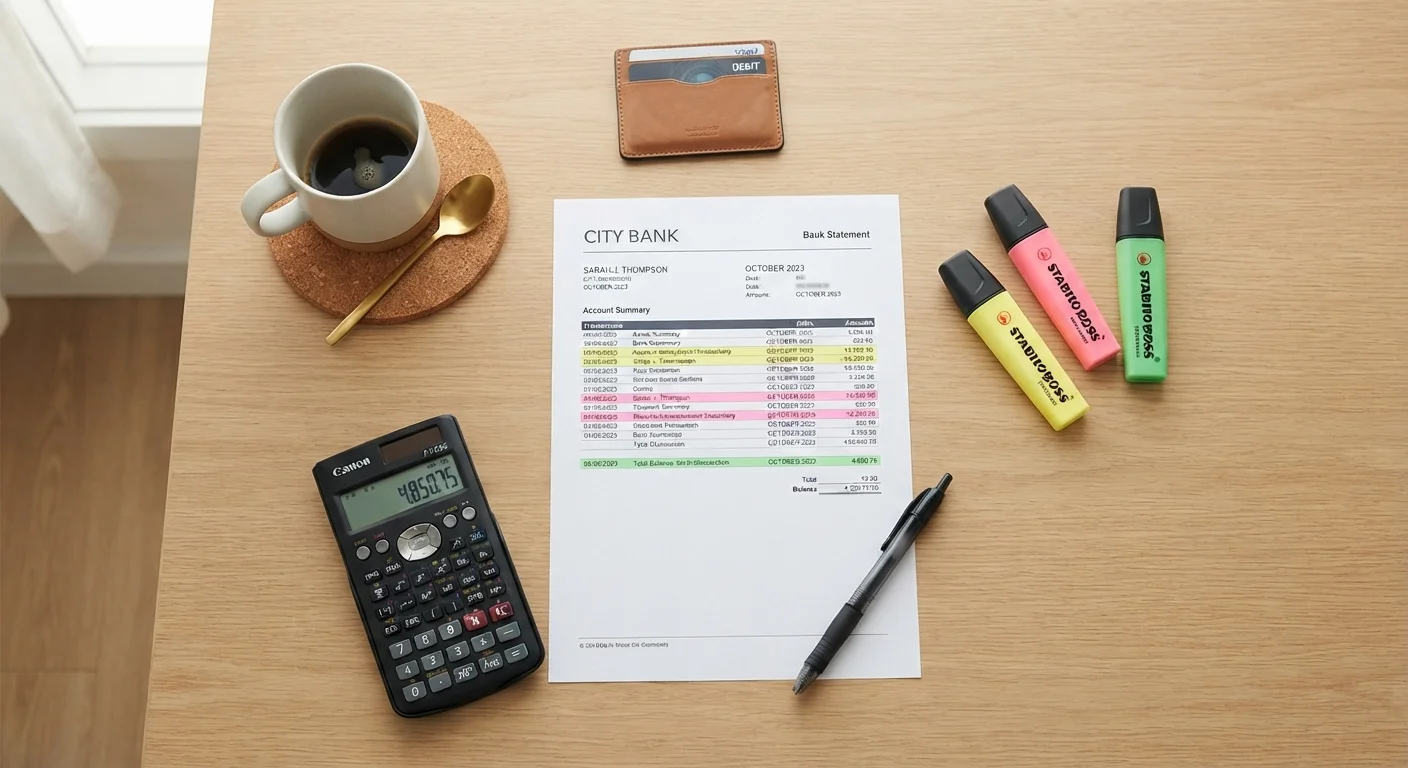
Bank and credit card statements (3 months)
Primary source for identifying every recurring charge across your accounts.
Spreadsheet or note-taking app
Used to log each recurring charge with its amount, frequency, and your usage rating.
Email search
Surfaces subscription confirmations and annual renewal notices that may not appear on statements yet.
Digital wallet account history (PayPal, etc.)
Catches recurring billing agreements that are processed outside your main bank or credit card.
The Audit Checklist
Work through each group in order. Mark items as you go - a simple spreadsheet or even a sheet of paper works fine. The goal is to build a complete, annotated list of every recurring charge before making any decisions about what to cut.
Gather Your Sources
Identify Every Recurring Charge
Evaluate Each Charge
Take Action
Prevent Future Drift
Once you have a complete picture, prioritise cancellations that combine low usage with higher cost. Even pausing a service temporarily can help you test whether you genuinely miss it. For more on the small, consistent habits that compound into real financial change, see our piece on everyday money habits that quietly erode a budget.
Cancelling Is Not Enough - Confirm It
Initiating a cancellation does not always stop billing immediately. After cancelling any subscription, check your next statement to confirm the charge no longer appears. Some services require a follow-up confirmation step or have a notice period during which billing continues. Keep a record of your cancellation confirmation email or reference number as evidence if a dispute arises.
Keeping the List Clean Going Forward
The hardest part of a subscription audit isn't the initial review - it's preventing the list from silently growing again. A few structural habits help. First, route all recurring charges through one credit card if possible, so every subscription appears in a single statement. Second, set a recurring calendar reminder every quarter to repeat a lighter version of this audit. The seasonal declutter audit framework applies equally well to digital and financial commitments.
Third, adopt a one-in-one-out rule: before adding any new subscription, identify one you'll cancel or downgrade. This prevents the natural accumulation that tends to happen when sign-up friction is low but cancellation friction is higher. For a fuller view of the budget categories most people underestimate, including how subscriptions fit into a broader pattern of spending blind spots, see spending categories Americans routinely underestimate.
If you want to track overall spending without turning it into a second job, our guide on tracking spending without obsessing over every dollar offers a sustainable framework that pairs well with this audit approach.
This article is for general informational purposes only and does not constitute personalised financial advice. For guidance specific to your financial situation, consider consulting a qualified financial professional.