Why Everyday Habits Matter More Than Mileage
Most drivers think of vehicle wear in terms of miles. But how you cover those miles matters just as much as how many you accumulate. Two vehicles with identical odometer readings can be in dramatically different mechanical condition depending on the driving patterns they've experienced.
Aggressive habits stress components through heat, friction, and mechanical shock - the same physical forces that drive wear in any machine. The good news is that awareness of these patterns is the first step to changing them. Understanding the mechanical cost of each habit makes the correction feel worthwhile, not just inconvenient. For a broader look at how small repeated behaviors create unexpected costs, see our article on how daily habits erode a budget.
Mechanical Damage Often Builds Silently
Many of the habits described here cause cumulative wear that isn't immediately obvious. By the time symptoms appear - vibration, spongy brakes, excessive oil consumption - the damage is already advanced. Early awareness and small behavioral corrections are significantly less expensive than component replacement.
The Most Damaging Driving Habits - and How to Break Them
The mistakes below span braking, acceleration, clutch use, and tire care. Each one is common, each one is correctable, and each one has a measurable effect on repair frequency and component longevity.
Braking hard and late instead of decelerating gradually.
Why it happens: Drivers often brake reactively rather than anticipating traffic ahead, especially in stop-and-go conditions or when distracted.
Taking frequent short trips without allowing the engine to warm up fully.
Why it happens: Convenience drives most short-trip decisions - a quick errand, a school run, a nearby store. The mechanical consequences simply aren't visible.
Riding the clutch - resting a foot on the pedal while driving in a manual vehicle.
Why it happens: It feels like a comfortable foot position, especially in heavy traffic, and the feedback is subtle until the clutch begins to slip noticeably.
Driving on tires that are consistently underinflated.
Why it happens: Tire pressure drops gradually, so drivers rarely notice the change until it's severe. Many people only check pressure when a warning light activates.
Aggressive acceleration from a standstill, especially in cold conditions.
Why it happens: Lead-footed departures feel natural to some drivers, and the habit is reinforced because the immediate damage isn't apparent.
Ignoring small vibrations, noises, or warning lights until they worsen.
Why it happens: Drivers often habituate to gradual changes, or defer action because of cost concerns, assuming a minor symptom can wait.
Short Trips Are Harder on Engines Than You Think
When an engine doesn't reach full operating temperature, condensation and fuel residue can contaminate the oil. Over many short trips, this accelerates internal corrosion and degrades oil quality faster than the mileage alone would suggest. If most of your driving is short-distance, consider shortening your oil change intervals and consulting your owner's manual for 'severe duty' service schedules.
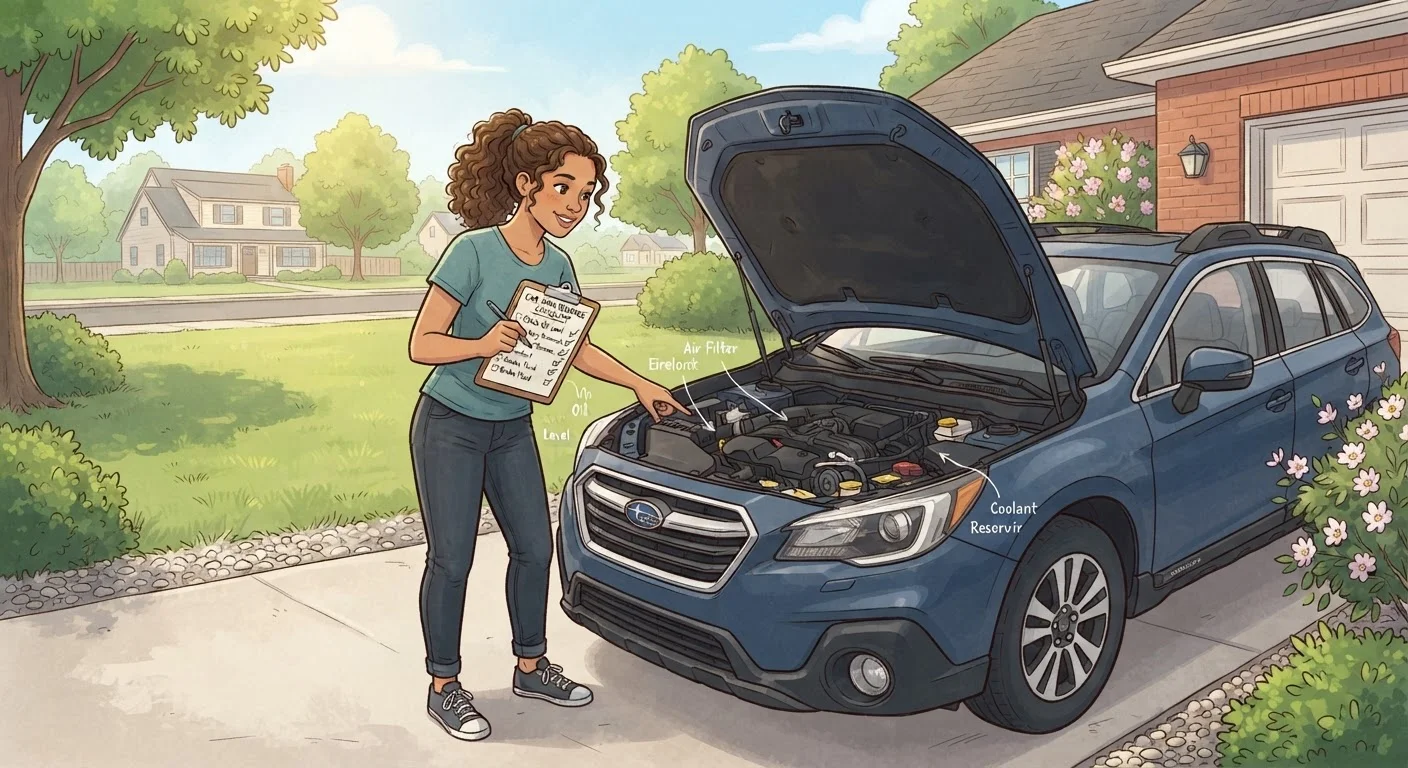
If you're newer to car ownership, the introduction to car maintenance is a useful companion to this article - it covers the service intervals that keep these wear patterns in check.
The Cumulative Financial Picture
Each of these habits, in isolation, might seem minor. Collectively, they can significantly shorten the service life of brakes, clutches, tires, and engine internals - components that carry substantial replacement costs. Clutch replacement, for example, can run into several hundred dollars in parts and labor depending on the vehicle. Premature brake rotor replacement adds up similarly over a few ownership cycles.
~70%
Of brake wear caused by last 30% of stopping distance
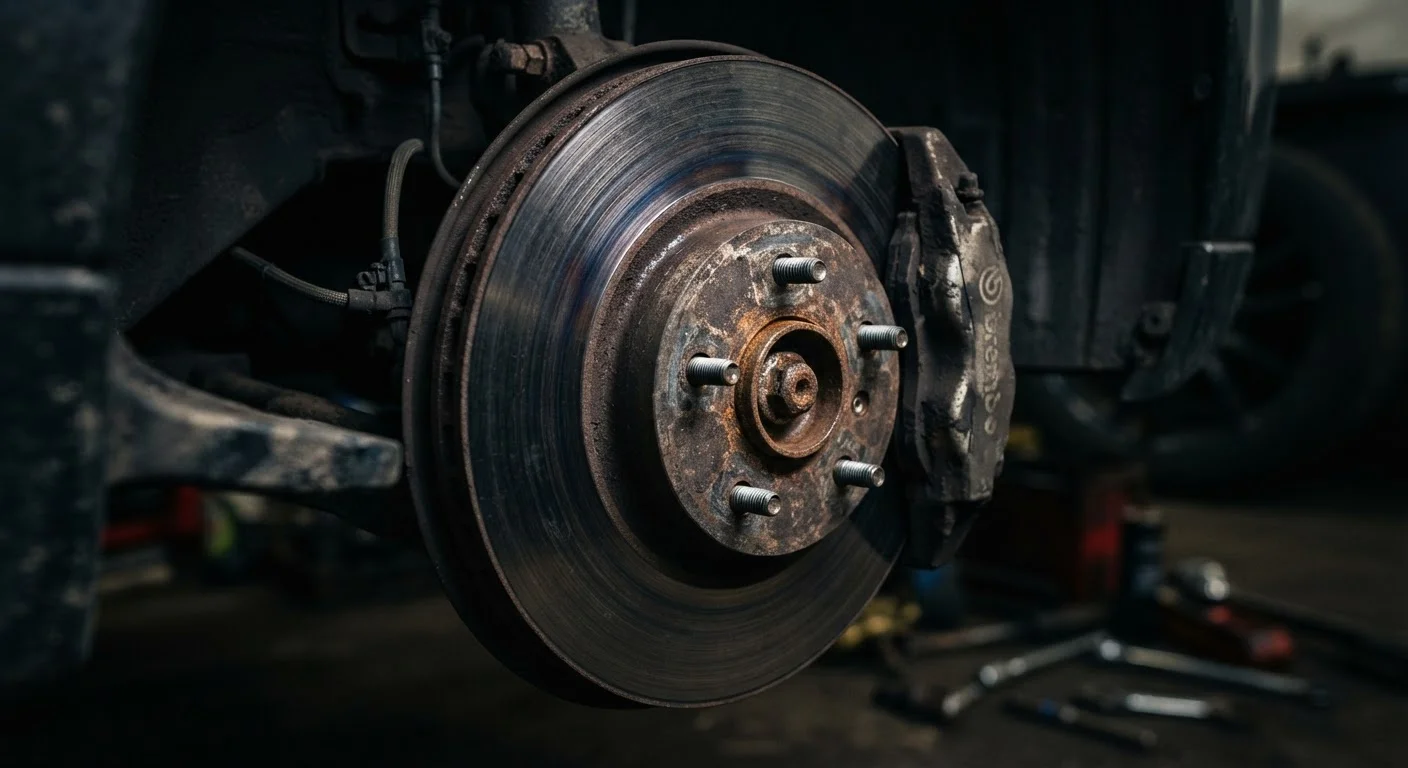
Brake engineers widely note that the majority of pad and rotor wear occurs during hard, late braking rather than gradual, early deceleration.
25%
Tire life reduction from chronic underinflation
The U.S. Department of Energy has noted that underinflated tires wear faster and reduce fuel efficiency, with tread life degrading significantly under sustained low pressure.
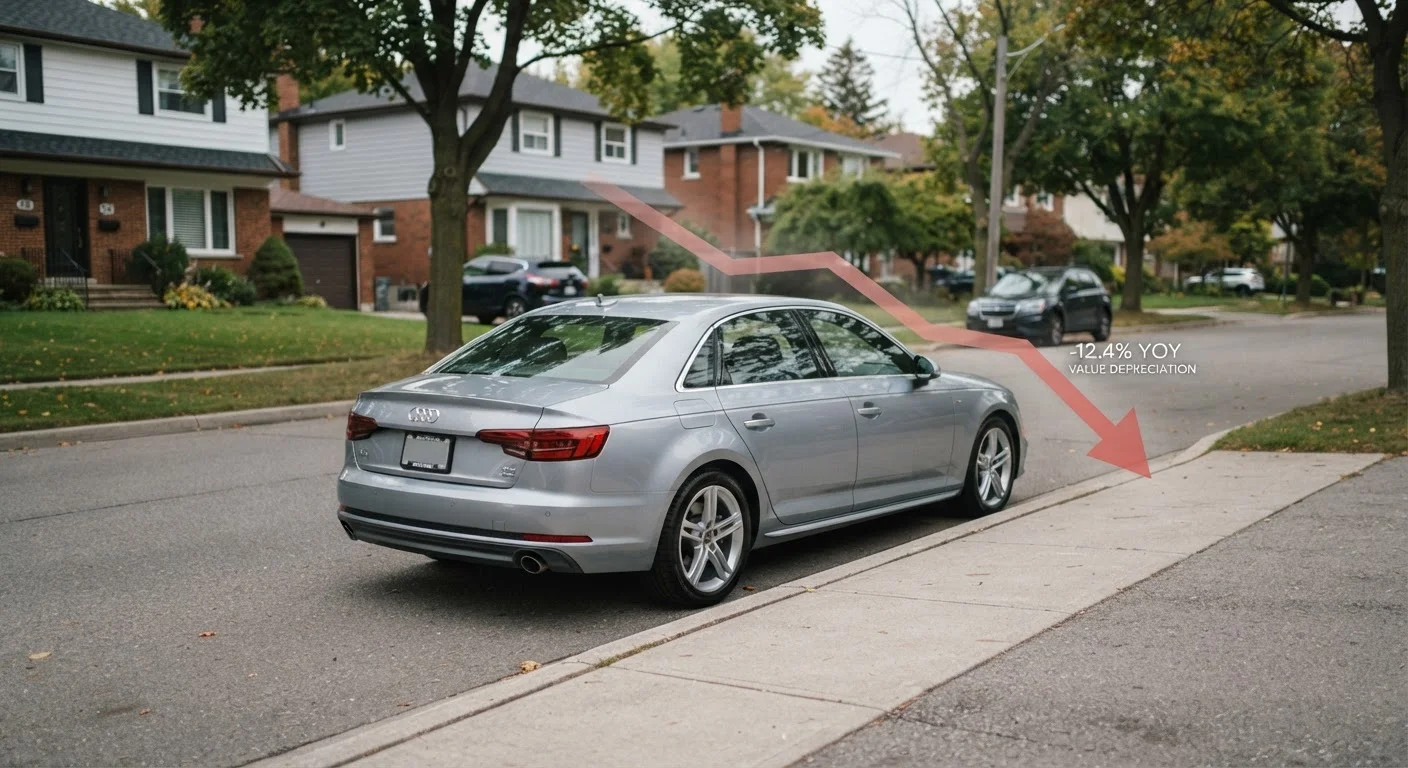
Driving habits also interact with depreciation. A vehicle with obvious mechanical wear - rough-shifting transmission, uneven tire wear, brake vibration - signals poor maintenance history to prospective buyers and appraisers. Our piece on vehicle depreciation explains how condition feeds into resale value. For a fuller picture of ongoing ownership expenses, running costs that catch new car owners off guard is worth reading alongside this article. You can also explore engine oil intervals and grades to understand how driving style affects your service schedule.