The Core Financial Difference
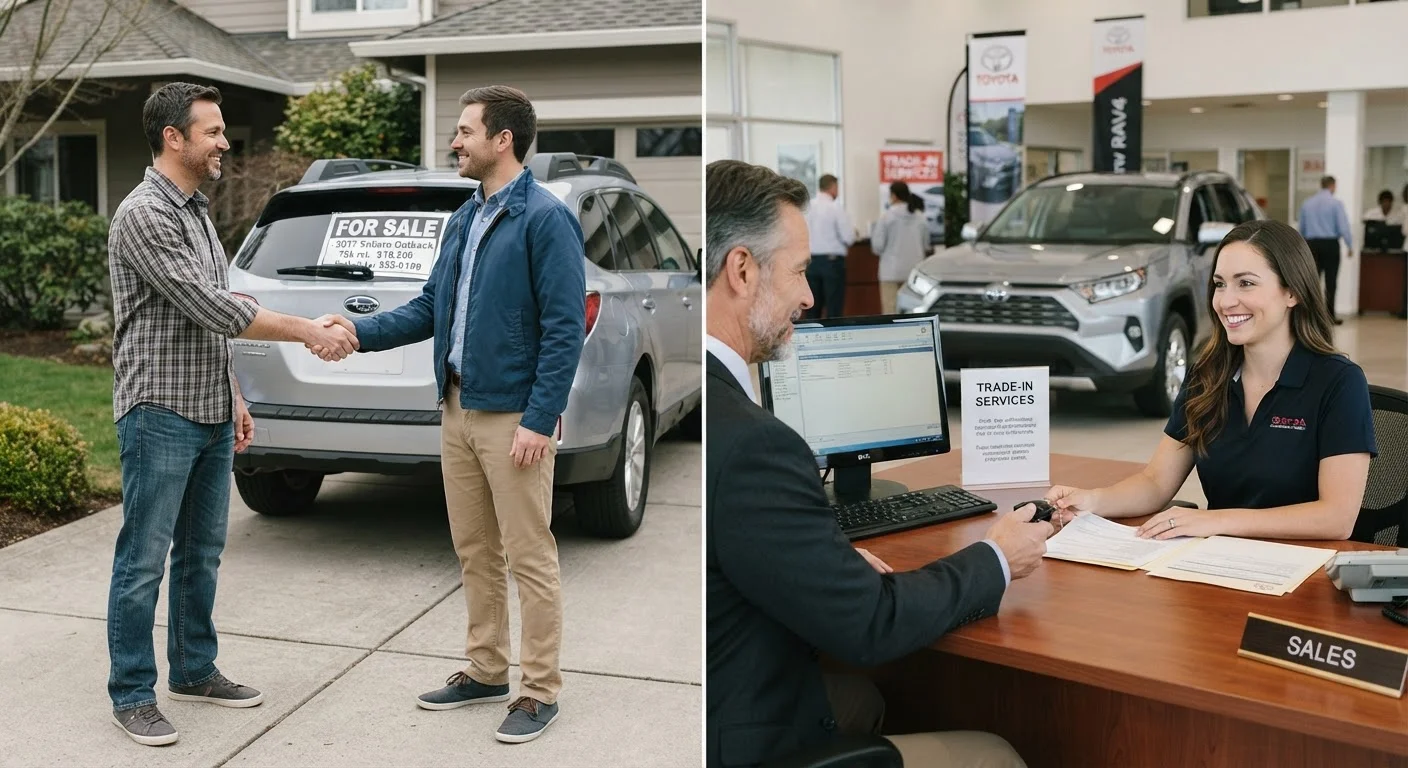
When comparing a private sale to a dealer trade-in, the most cited difference is money - and it's real. Dealers need to profit on your vehicle when they resell it, so their offer accounts for reconditioning costs, lot fees, and their own margin. That gap between what a dealer offers and what a private buyer might pay can range from a few hundred to several thousand dollars depending on the vehicle.
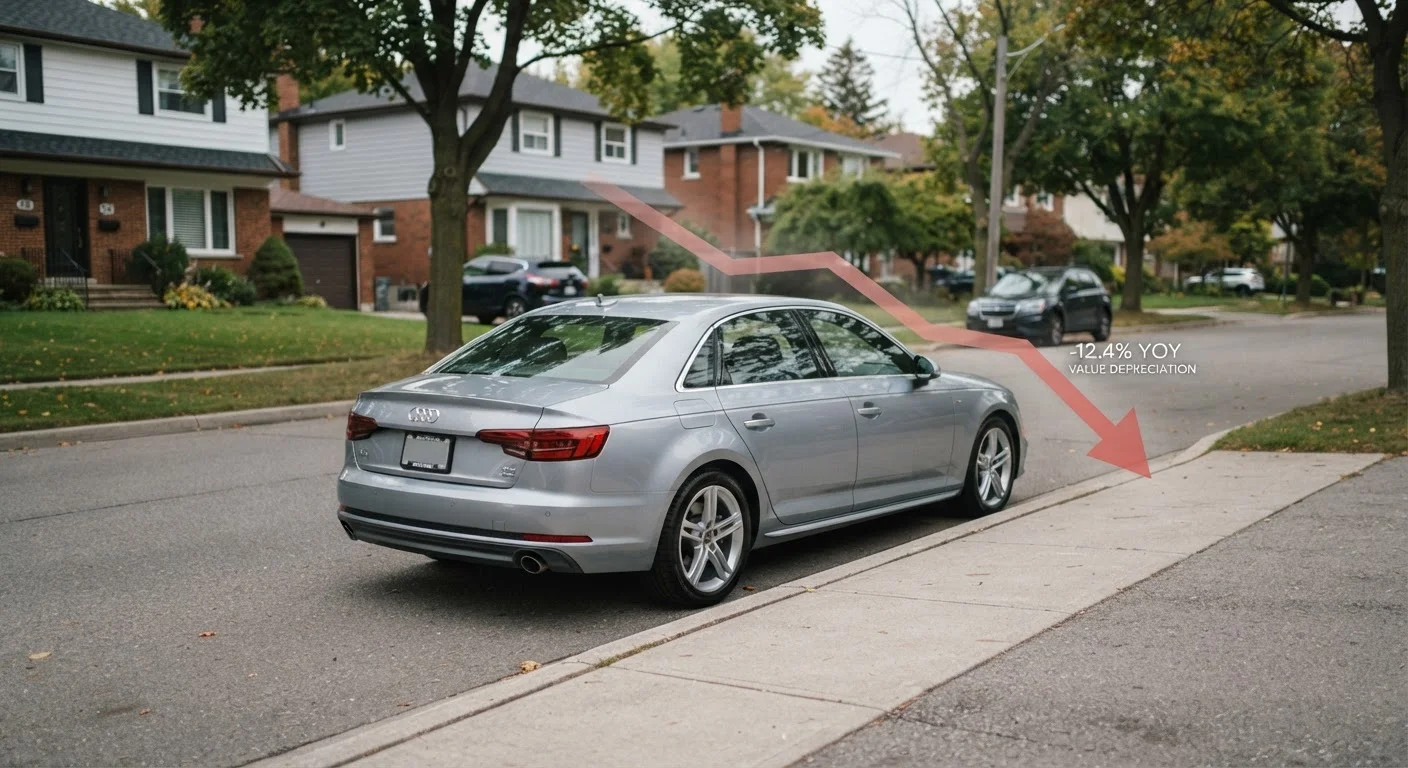
Before you list or negotiate anything, establish your car's current market value using reputable valuation tools and recent comparable sales in your region. Understanding how depreciation has affected your vehicle's worth gives you a realistic starting point rather than an emotional one.
$1,000-$3,000+
Typical private sale premium over trade-in
Industry estimates suggest private sellers often net meaningfully more than trade-in offers, though the gap varies widely by vehicle type, condition, and market demand.
2-4 weeks
Average private sale timeline
Market conditions, pricing, and vehicle desirability all affect how quickly a private sale closes; some vehicles sell in days, others take longer.
One financial factor many sellers overlook: in most US states, trading in a vehicle reduces the taxable purchase price of the new car you're buying. If you're simultaneously acquiring another vehicle, this sales tax offset can narrow the gap between trade-in and private-sale proceeds considerably. Run the numbers for your state before assuming private sale always wins financially.
What the Process Actually Looks Like
A dealer trade-in is straightforward: bring the vehicle in, receive an appraisal, negotiate briefly, and apply the value toward your next car or collect a check. Most transactions complete in a single visit. The dealer handles title transfer, lien payoffs (if applicable), and the logistics of removing the car from your name.
A private sale involves considerably more steps. You'll need to prepare the vehicle, photograph it thoroughly, write an accurate listing, field inquiries, schedule test drives with strangers, negotiate in real time, and manage all the paperwork yourself. Title transfer requirements vary by state, and if your car has an outstanding loan, coordinating payoff with a private buyer adds another layer of complexity.
Protect Yourself During Private Test Drives
Always verify the prospective buyer's driver's license before handing over your keys, and consider accompanying them rather than allowing a solo drive. Notify your insurer that you're selling the vehicle privately - some policies have specific provisions for this period. A brief checklist before each showing reduces risk without complicating the process.
Neither path is inherently difficult, but private sales demand sustained attention over days or weeks. For sellers managing busy schedules or those unfamiliar with the paperwork, the convenience premium of a trade-in has genuine value - even if it doesn't show up as a dollar figure.
Risk, Safety, and Paperwork Realities
Private sales introduce risks that dealer trade-ins simply don't carry. Meeting unknown buyers, allowing test drives, and accepting payment require careful planning. Cashier's checks can be fraudulent; cash in large amounts carries its own concerns. Accepting payment via a verified bank wire or meeting at a bank branch to confirm funds are legitimate practices worth adopting.
Don't Skip the Notice of Sale
Many states require sellers to file a notice of sale or release of liability with the DMV promptly after a private transaction completes. Failing to do so can leave you responsible for traffic violations, tolls, or accidents involving the vehicle after you've sold it. Check your state DMV's website for the specific form and filing deadline before you finalize any private sale.
Paperwork is another area where private sellers must be precise. Signing over a title incorrectly, failing to file a notice of sale with your state DMV, or not obtaining a proper bill of sale can leave you liable for incidents involving the vehicle after it's left your possession. Research your specific state's requirements - they vary significantly.
On the trade-in side, the dealer absorbs all post-sale liability once the transaction closes. That administrative protection has real value, especially for sellers who aren't familiar with vehicle title law or who simply want a clean break.
What Stays the Same Regardless of Route
Certain realities don't change based on how you sell. Your vehicle's condition, mileage, and history determine its value ceiling in either scenario. A car with accident history, deferred maintenance, or high wear will reflect that in every offer it receives. Presenting your vehicle honestly - and addressing obvious issues beforehand when cost-effective - serves you well in both channels.
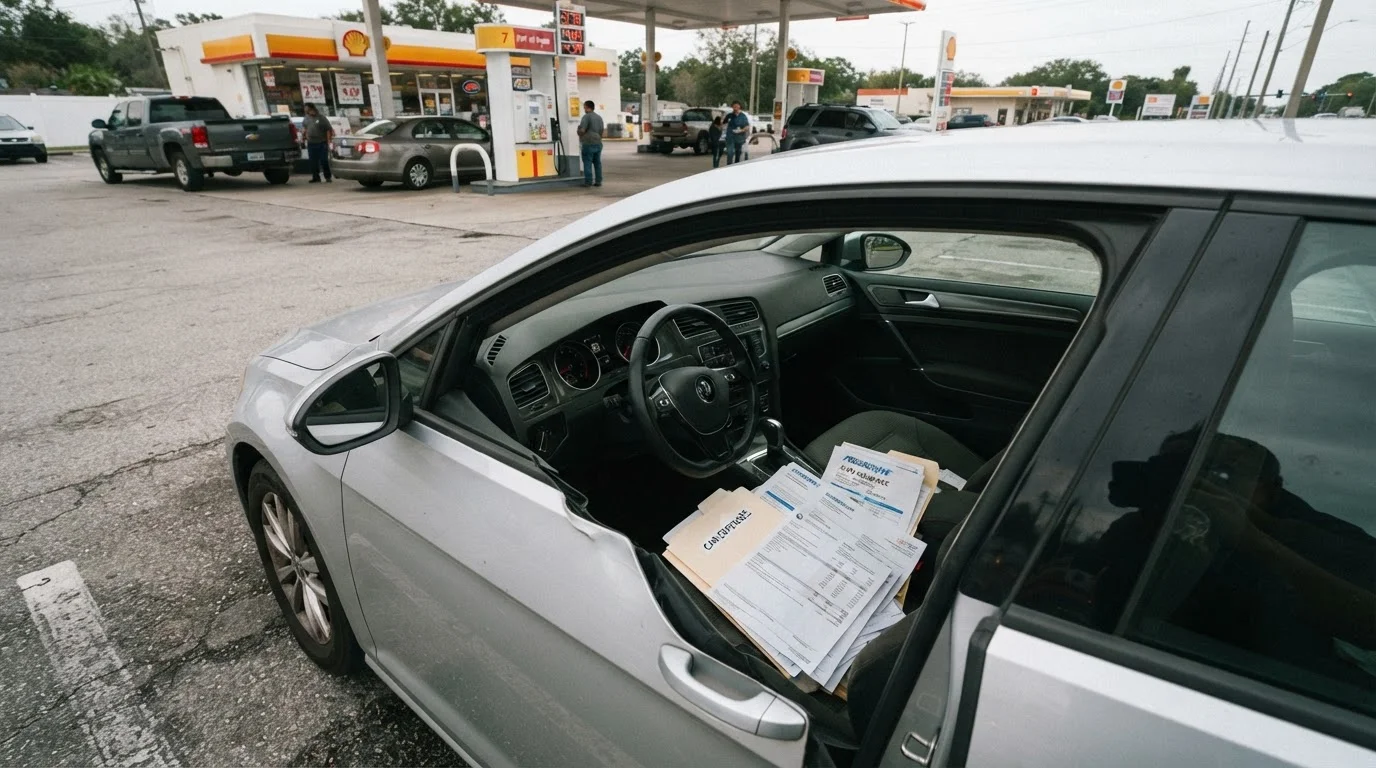
Documentation matters equally in both cases: service records, the original title, a valid smog or inspection certificate where required, and any warranty paperwork add credibility and can support a stronger offer or asking price. The full cost of vehicle ownership - including what you've spent on upkeep - can help you contextualize the return you're realizing when you finally sell.
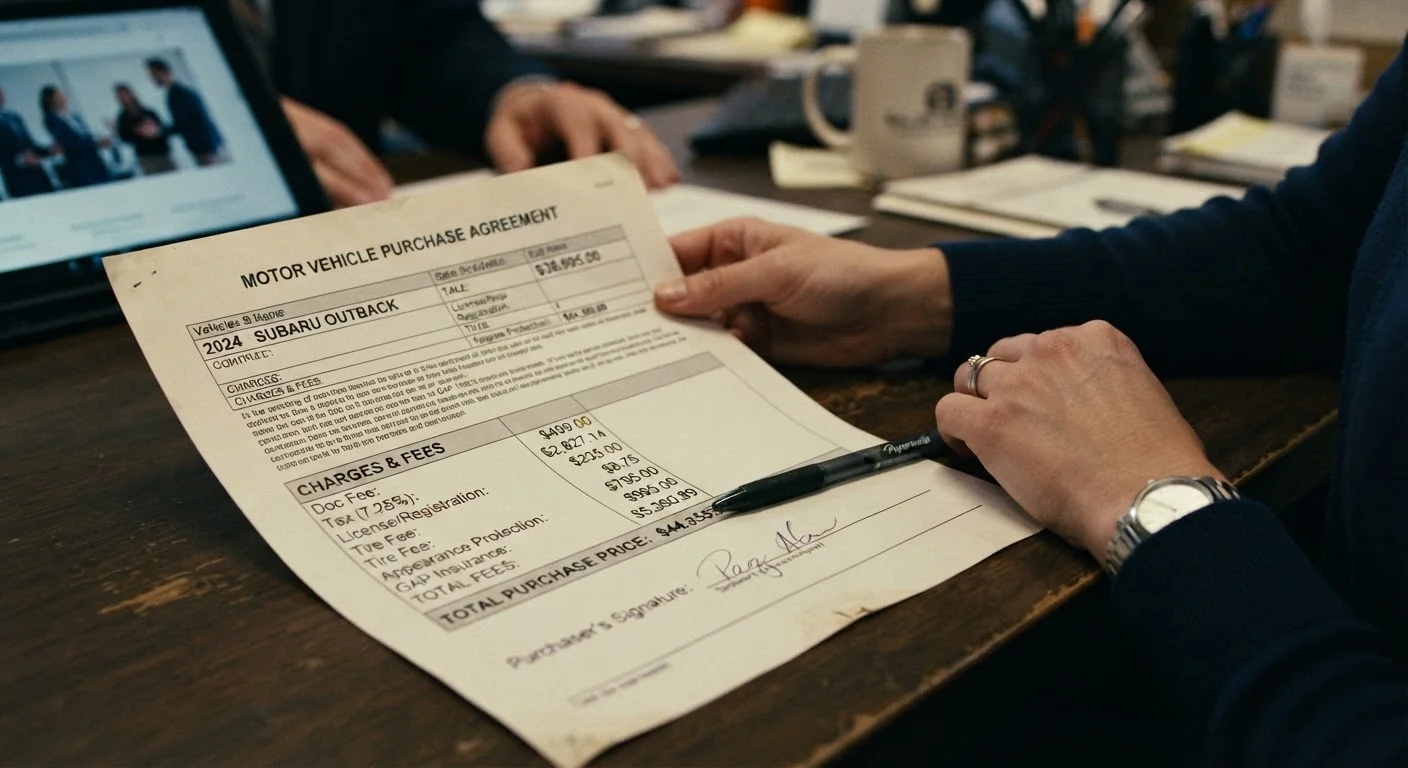
If you're buying another vehicle after selling, the financial dynamics of that purchase deserve equal scrutiny. Understanding fees that can inflate a car's purchase price ensures you don't recoup money on the sale only to lose it in the purchase. The two transactions are connected, and treating them in isolation can distort your overall financial picture.
How to Decide
Start with an honest self-assessment. If your vehicle is in strong condition, you have flexibility on timing, and you're comfortable with negotiation and some administrative work, a private sale is worth pursuing. The additional return - even after accounting for your time - is often meaningful.
If you're on a tight timeline, purchasing a new vehicle simultaneously, or dealing with a vehicle that has high mileage or mechanical issues that make private buyers hesitant, a dealer trade-in may produce a comparable net outcome with far less friction. Some dealers also specialize in used-vehicle acquisition and may offer more competitive appraisals than you'd expect, particularly for in-demand models.
| Private Sale | Dealer Trade-In | |
|---|---|---|
| Typical return | Higher (closer to market value) | Lower (accounts for dealer margin) |
| Time required | Days to weeks | Same day or next day |
| Effort level | High (listing, showings, negotiation) | Low (single appraisal visit) |
| Paperwork burden | Seller manages all of it | Dealer handles most of it |
| Buyer safety risk | Moderate (unknown buyers) | None |
| Sales tax offset on new car | No benefit | May reduce taxable purchase price |
| Best for vehicles with issues | Harder - buyers are cautious | Easier - dealer absorbs risk |
Whatever you choose, go in with verified numbers rather than assumptions. The decision you'll be most satisfied with is the one made with clear eyes about the trade-offs - not the one made fastest or by default. For broader context on the financial realities of vehicle ownership, see our guide on the true financial realities of keeping an older car.