Why a Pre-Departure Safety Checklist Is Non-Negotiable
The most avoidable travel disasters share a common thread: they were preventable with a few hours of preparation. Whether you're heading to a neighboring state or crossing an ocean, building a structured safety routine into your pre-departure process is one of the highest-return investments a traveler can make.
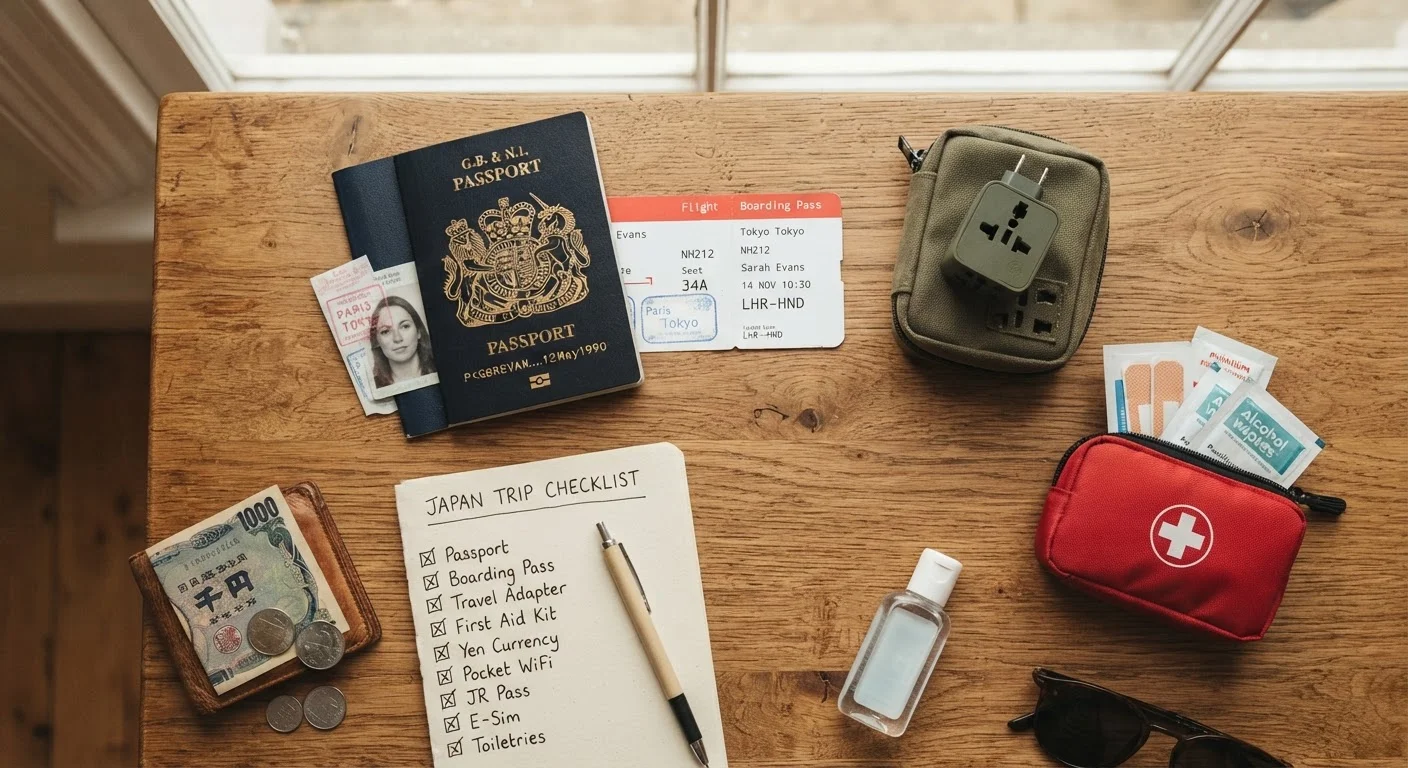
This checklist is designed to cover the critical categories - documents, health, communications, digital security, and on-the-ground awareness - that seasoned travelers review before every trip. Think of it as your pre-flight inspection. For a broader look at how this fits into the overall planning process, see our complete trip planning framework.
Documents & Identity
Health & Medical Prep
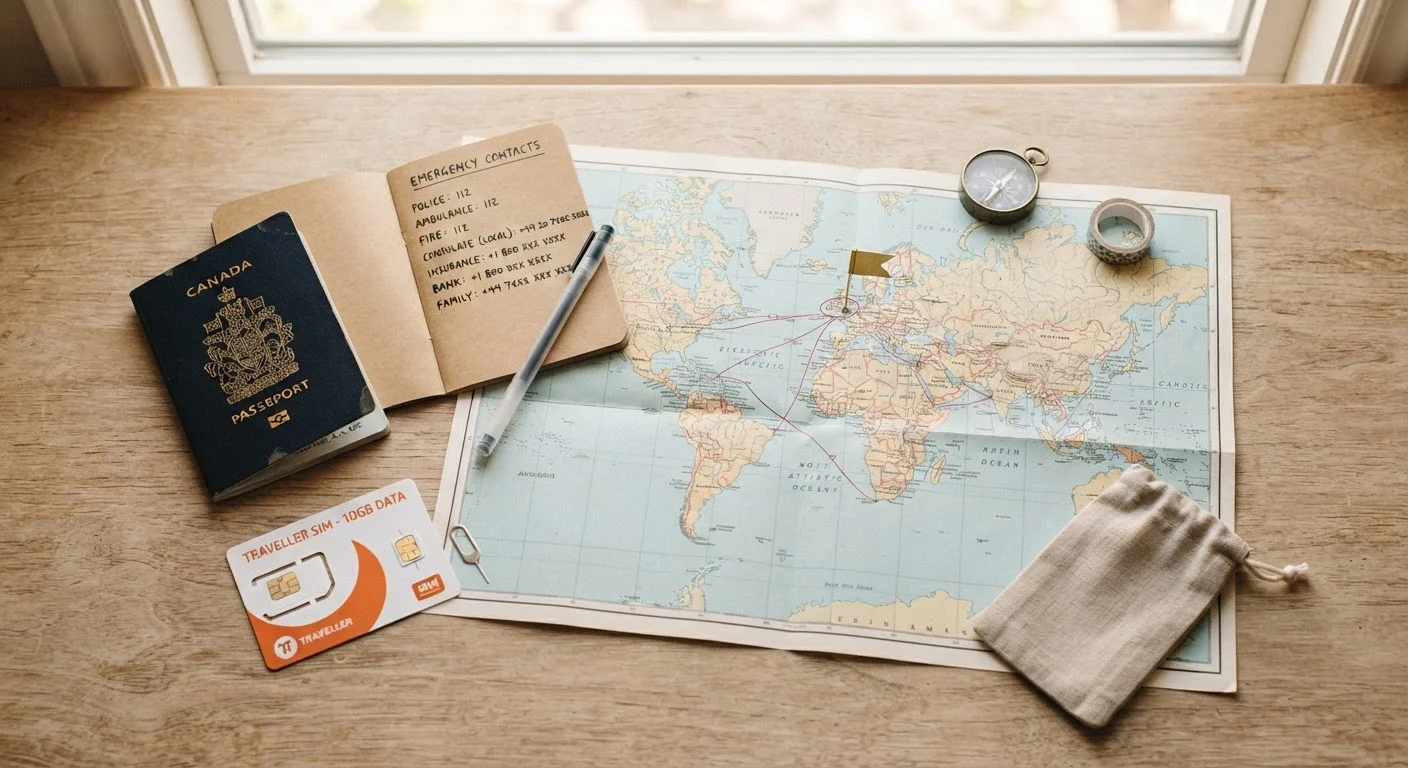
Communications & Emergency Contacts
Digital & Financial Security
What You'll Need to Work Through This Checklist
Before diving in, gather the tools that make this process efficient. You don't need much - mostly access to your existing documents and a few minutes of focused attention for each category.
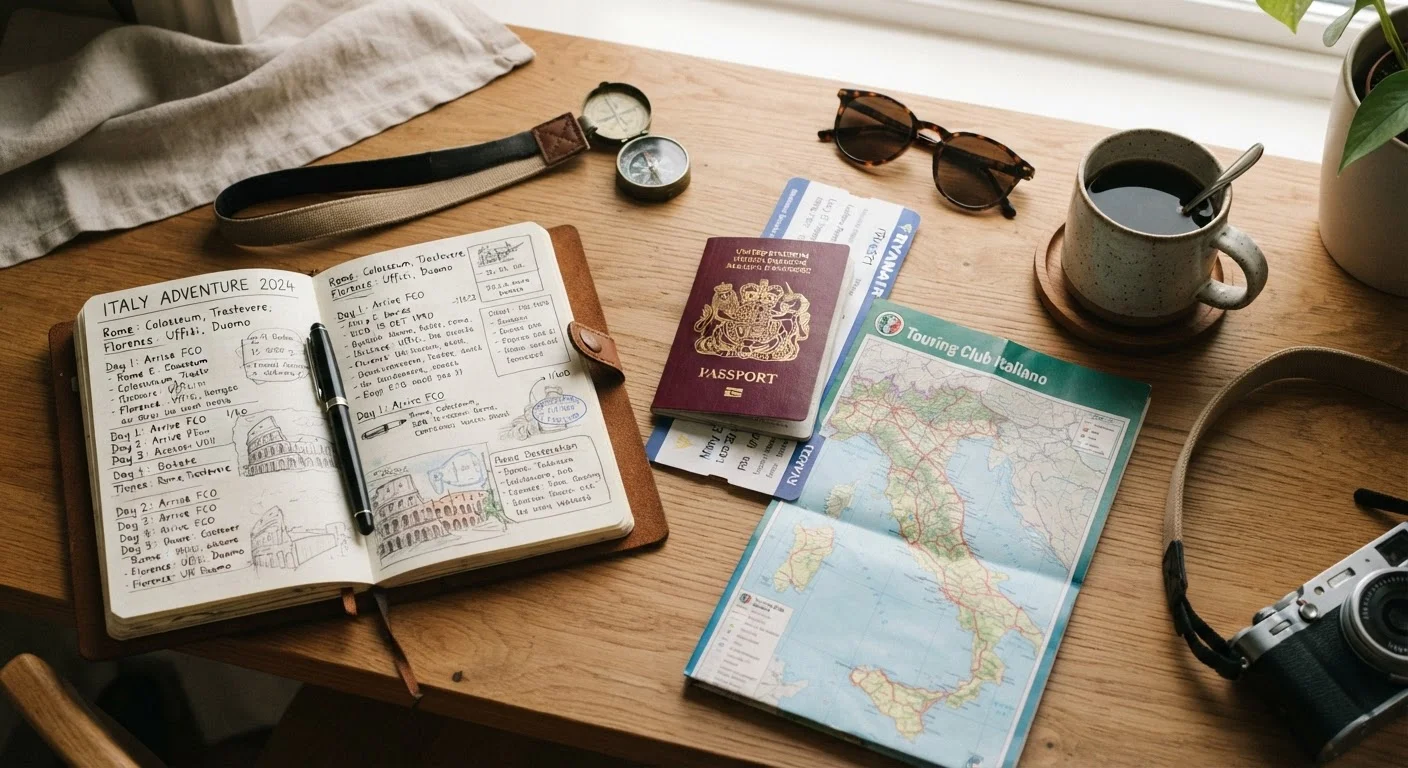
Passport and travel documents
Needed to verify expiration dates, visa stamps, and to make photocopies before you leave.
Travel insurance policy documents
Review coverage limits for medical, evacuation, and cancellation before departure.
Encrypted cloud storage or secure app
Stores digital copies of your documents in a location accessible from any device.
Offline maps app
Ensures you can navigate without cellular data once you arrive at your destination.
VPN application
Helps protect your internet connection when using public Wi-Fi networks abroad.
Once you have these ready, work through the checklist categories in order. The document and health sections require the most lead time, so start those first - ideally one to two weeks before departure. Digital and communications prep can often be completed the day before you leave.
Don't Leave Visa Research to the Last Minute
Visa and entry requirements can change with little public notice, and some visas require weeks or months to process. Always verify current requirements directly with the official embassy or consulate of your destination country - not third-party sites - well before your departure date. Last-minute processing or incorrect documentation can result in denied boarding or entry.
Travel Insurance Fine Print Matters
Not all travel insurance policies cover adventure activities, pre-existing medical conditions, or travel to regions under government advisories. Read your policy carefully before assuming you're covered. If your itinerary includes hiking, water sports, or travel to higher-risk destinations, verify that your specific activities are explicitly included.
Staying Alert Once You Arrive
The checklist doesn't end at the boarding gate. A few habits can make a significant difference once you're on the ground. Register with your country's embassy or consulate notification system if traveling internationally - the U.S. State Department's STEP program (Smart Traveler Enrollment Program) is a free service worth using. Keep digital and physical copies of your passport in separate bags, and memorize or store offline the local emergency number for your destination. For a handy reference, our global emergency numbers guide compiles key contacts in one place.
If your trip involves driving - whether a road trip or rental - also review vehicle-specific safety considerations. Our pre-drive safety walkthrough covers the quick checks that apply every time you get behind the wheel.
Digital safety is its own discipline while traveling. Public Wi-Fi in airports, hotels, and cafes poses real risks. Our guide to staying safe online while traveling walks through practical, no-fuss steps to protect your data on the road. Pair that with our carry-on only travel field guide if you're also aiming to streamline what you pack.
Always Verify Official Advisories Before You Go
Government travel advisories can change rapidly due to political events, natural disasters, or public health situations. Before any trip, check your government's official travel advisory site - for U.S. travelers, that's travel.state.gov - and verify entry requirements directly with the destination country's embassy. Conditions described in travel content may not reflect the situation at the time of your travel.
This article is for general informational and educational purposes only. Always verify entry requirements, health advisories, and safety conditions with official government and health authority sources before traveling. Consult a qualified healthcare provider for personalized medical advice related to travel health.