Phase 1: Destination Research and Trip Framing
Every trip starts with a question: What kind of experience do I actually want? Before you dive into booking anything, invest time in honest destination research. This means looking beyond the highlight reel - understanding what a place is genuinely like during your travel window, not just what it looks like in promotional photography.
Start by establishing your trip's core parameters: How many days do you have? Are you traveling solo, with a partner, or with a group? What's your tolerance for complexity - are you energized by navigating unfamiliar transit systems, or do you prefer a more contained experience? Answers to these questions will shape every downstream decision.
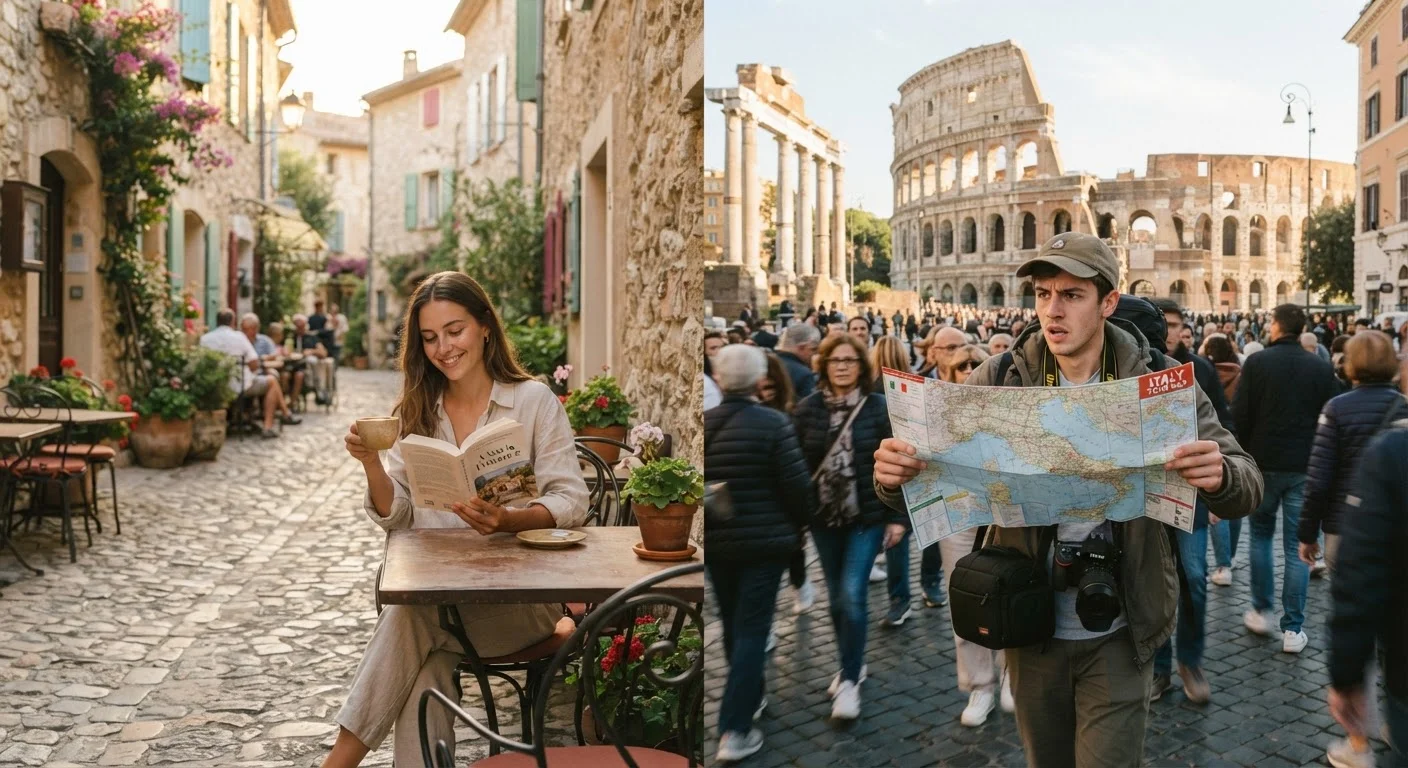
Use this phase to compare destination options honestly. Consider seasonality (weather, crowds, pricing patterns), accessibility from your home city, and how well the destination aligns with your interests. If you're weighing a packed sightseeing trip against a slower, more immersive experience, it helps to understand the trade-offs - our article on slow travel versus itinerary-heavy trips lays them out clearly.
Phase 2: Building a Realistic Budget
Budgeting is where many trips quietly go off track - not from a single big splurge, but from consistently underestimating smaller costs. A realistic travel budget covers five core categories: transportation (flights, trains, local transit), accommodation, food and drink, activities and entry fees, and a contingency buffer of roughly 15-20% for unexpected expenses.
15-20%
Recommended contingency buffer in a travel budget
Travel financial planners generally suggest reserving 15-20% of your total trip budget for unexpected costs, delays, or opportunities.
3-6 months
Recommended lead time for international trip planning
Travel advisors commonly recommend starting international trip planning three to six months ahead to allow time for visas, vaccinations, and optimal booking windows.
Research average daily costs for your destination using reputable travel resources and recent traveler reports. Factor in currency exchange rates if you're traveling internationally, and don't forget costs that occur before you leave home - travel insurance, luggage fees, or required vaccinations. The same principles that underpin personal budgeting apply directly to trip planning; if you want a stronger foundation, budgeting fundamentals can sharpen your approach.
Set your budget before you book anything. This prevents the common trap of committing to flights and accommodation, then discovering your remaining daily budget is unsustainable for your destination.
Phase 3: Logistics, Entry Requirements, and Safety
Logistics planning is the phase most travelers under-invest in - until something goes wrong. This phase covers the practical scaffolding that holds a trip together: visa requirements, passport validity, vaccination recommendations, travel advisories, accommodation bookings, and transportation between destinations.
Check Entry Requirements Early - Not Last Minute
Passport validity rules, visa processing times, and vaccination requirements can take weeks or months to resolve. Build this research into Phase 3 as early as possible - ideally three to six months before departure for international trips. Always use official government sources rather than third-party travel sites for entry requirement information, as rules change frequently and errors can have serious consequences.
Entry requirements vary significantly by destination and can change with little notice. Always verify visa and passport requirements through the official embassy or consulate of your destination country. For health-related travel requirements, consult the CDC's traveler health page and your own healthcare provider well in advance. The U.S. Department of State's travel advisory system is the authoritative source for safety information - check it regardless of how familiar or "safe" a destination seems.
Build your accommodation and major transport bookings around your budget ceiling, not the other way around. And map your in-destination transit: how will you get from the airport to your hotel? What's the local transit system like? Answering these questions at home, rather than on arrival, saves time and reduces stress considerably.
Phase 4: Itinerary Building and Day-Of Readiness
A good itinerary is a guide, not a contract. Structure your days around anchor experiences - the two or three things per day that genuinely matter to you - then leave the surrounding time flexible. This approach gives each day a sense of purpose while preserving the breathing room that makes travel enjoyable rather than exhausting.
Planning and Spontaneity Aren't Opposites
A well-planned trip actually creates more room for spontaneity, not less. When your logistics are sorted and your budget is clear, you can say yes to unexpected opportunities - a local festival, a detour to a hidden beach, a longer lunch - without anxiety. The goal of planning is freedom of mind, not a rigid schedule to obey.
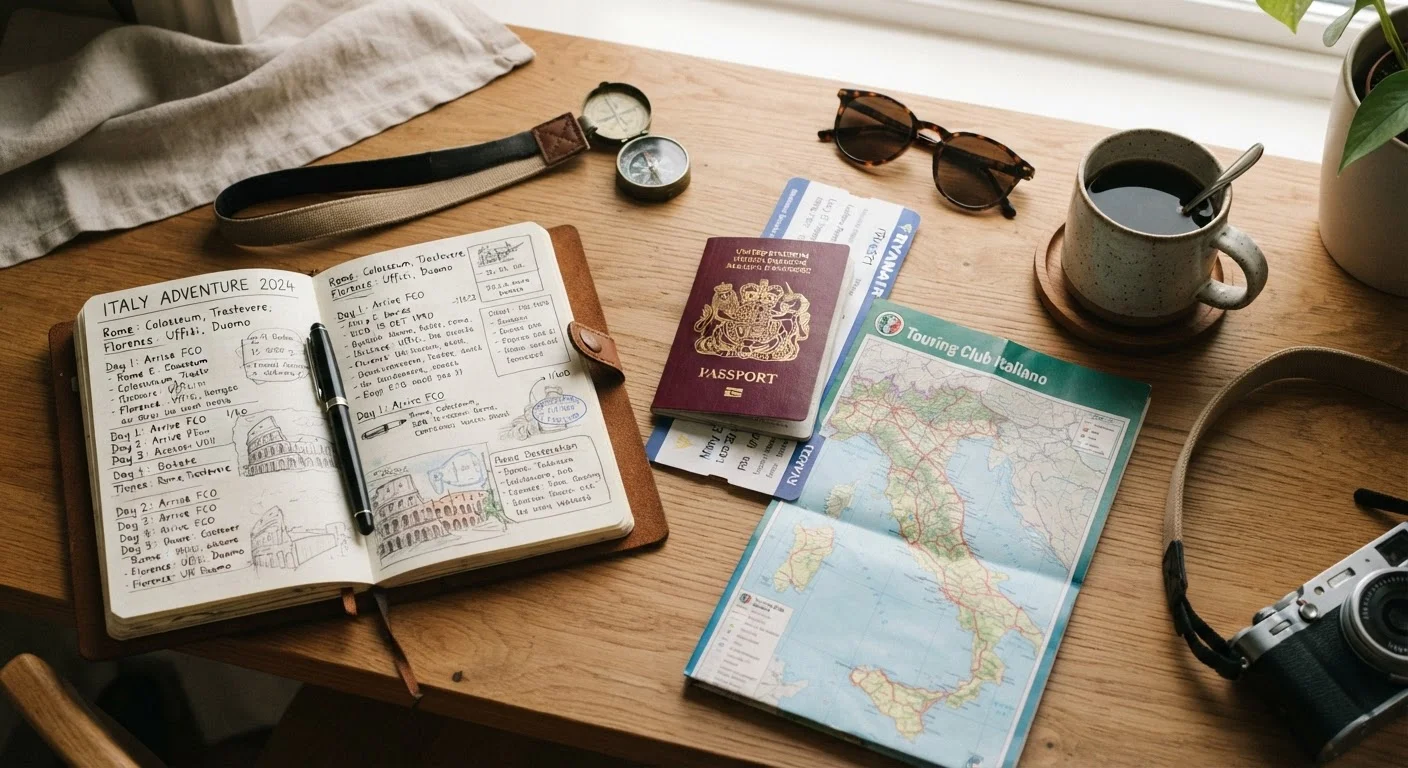
Day-of readiness is its own planning layer that many travelers overlook until they're at the departure gate. Before you leave home, confirm: Do you have local currency or a card that works abroad? Have you downloaded offline maps? Do you have copies of important documents stored separately from the originals? Is someone at home aware of your general itinerary?
Think of trip planning less like a checklist to complete and more like a skill to develop - one that gets sharper with each journey. The Travel Smart hub offers ongoing guidance for travelers looking to build that skill set over time, from packing strategies to staying safe in unfamiliar environments.