Why 'I'll Do It Later' Becomes Expensive
Every home is a system of interdependent parts. When one component degrades unchecked, it rarely stays isolated - it pulls adjacent materials and systems into the failure. A hairline crack in exterior caulk lets moisture behind siding. That moisture softens sheathing. Softened sheathing invites mold and insects. What began as a $15 tube of caulk becomes a multi-thousand-dollar remediation project.
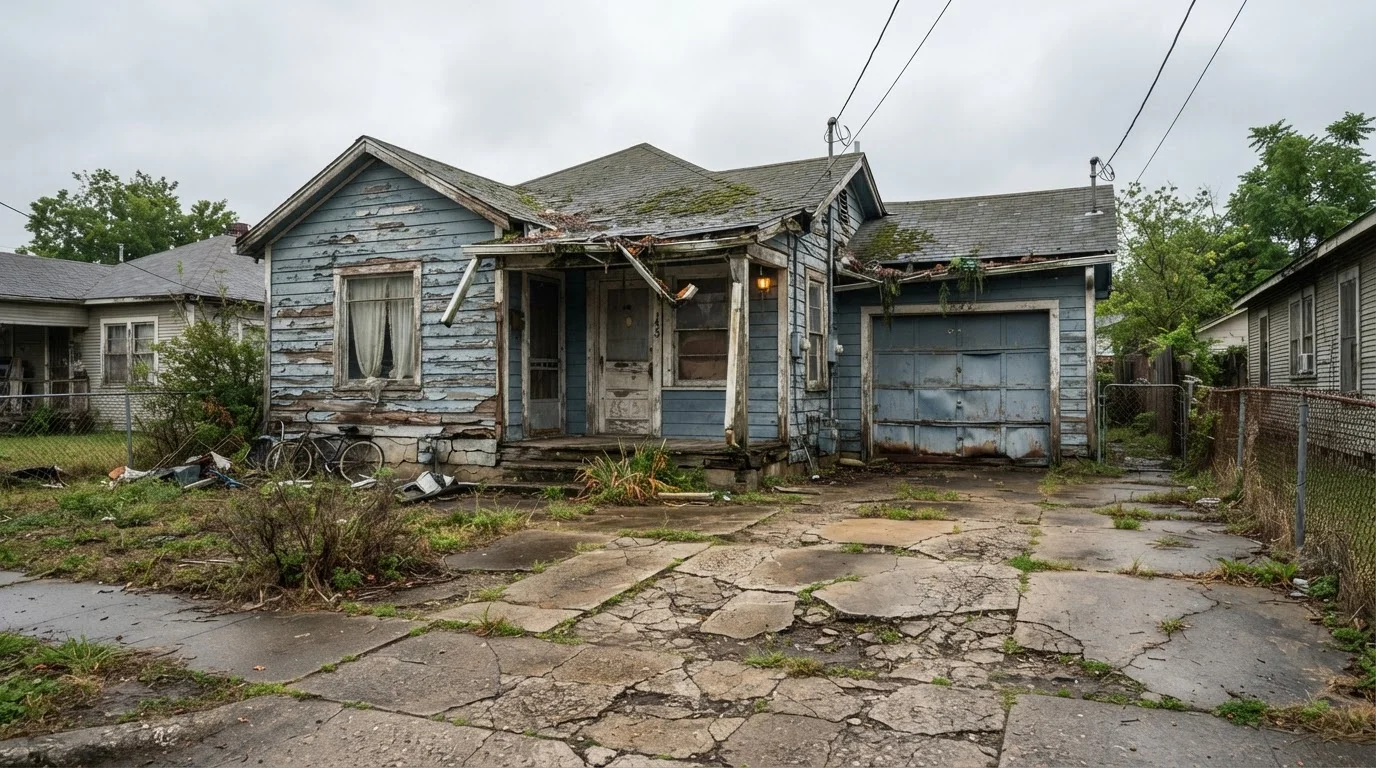
This compounding effect is the defining characteristic of deferred maintenance. It isn't simply that repairs get more expensive over time - it's that neglected problems multiply in scope. The same pattern repeats across roofing, plumbing, HVAC, gutters, and foundation systems. Understanding it changes how homeowners think about routine upkeep: not as optional spending, but as cost control.
1-2%
Of home value recommended for annual maintenance
This general guideline, widely cited by housing economists and home inspectors, helps homeowners budget proactively rather than reactively.
$3,000+
Typical starting cost for mold remediation
The EPA and remediation industry data indicate costs escalate sharply when moisture damage reaches wall cavities or structural framing.
35%
Of home insurance claims related to water damage
Industry data from the Insurance Information Institute consistently places water and freezing damage among the most frequent homeowner insurance claims.
Water: The Silent Escalator
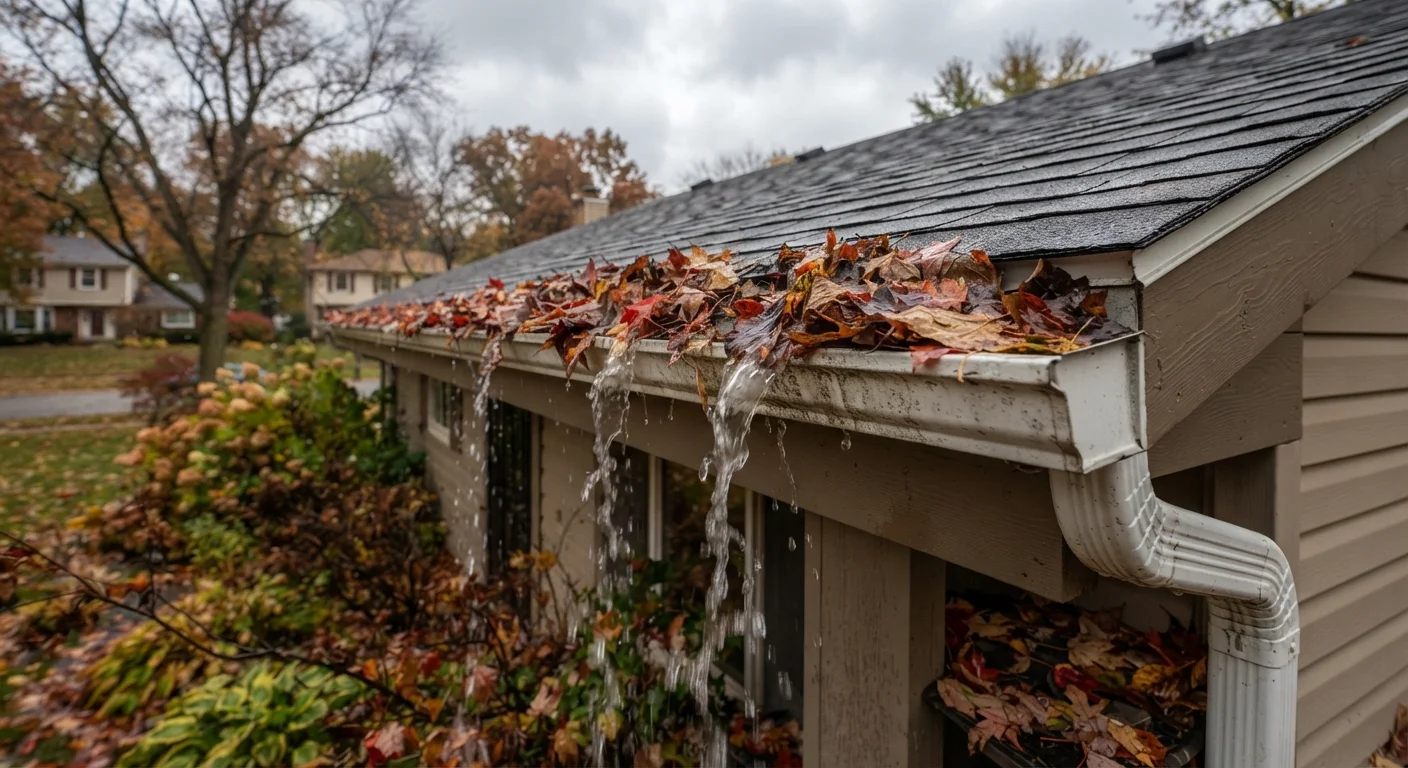
Water intrusion is the single most common thread running through expensive home repairs. Roofs, gutters, grading, window seals, and plumbing connections all exist, in part, to keep water moving away from the structure. When any of these systems fail quietly - a slow drip under a sink, a sagging gutter that pools against the fascia - moisture accumulates in hidden spaces where it can work for months or years before detection.
As the impact of neglected gutters illustrates, even a relatively simple system like a gutter can trigger foundation settlement, rotted fascia boards, and basement flooding when left clogged season after season. Keeping water-management systems clear and functional is among the highest-return maintenance habits a homeowner can build.
Do a Monthly Under-Sink Check
Open the cabinet doors beneath every sink in your home once a month and look for moisture, staining, or soft cabinet floors. Slow drips from supply lines and drain connections are among the most common hidden water sources in a home. Catching them early costs nothing; missing them for a year can mean mold, cabinet replacement, and subfloor repair.
The Real Numbers Behind Routine Upkeep
A commonly cited rule of thumb in home economics suggests setting aside roughly 1-2% of a home's purchase price annually for maintenance. On a $300,000 home, that's $3,000-$6,000 per year - a figure that feels significant until compared to the cost of a single major repair event. A full HVAC replacement can run $7,000-$12,000 or more. Mold remediation after a sustained leak routinely exceeds $3,000, and can climb much higher when structural material is involved.
Skipping maintenance doesn't eliminate these costs - it defers and amplifies them. This dynamic mirrors the broader pattern described in how small daily habits quietly erode a budget: low-visibility, low-urgency decisions accumulate into large financial exposure over time.
Building a Maintenance Practice That Sticks
The most effective maintenance approach is a calendar-anchored checklist covering tasks by frequency. Monthly checks include HVAC filter inspection, smoke and carbon monoxide detector tests, and a quick scan under sinks for moisture. Seasonal tasks - gutter clearing, caulk and weatherstripping inspection, exterior drainage checks - align naturally with the rhythms of the year. Our seasonal home maintenance guide provides a full task-by-task breakdown.
Annual walk-throughs of the roof (safely, from the ground or with a professional), attic insulation and ventilation, and foundation perimeter can catch the early warning signs described in detail in reading your home's early warning signs. New homeowners especially benefit from establishing these habits early - the first-time homeowner's primer is a practical starting point.
For each task, it's worth asking honestly whether it falls within your skill set and safety comfort. Knowing when to hire a tradesperson versus tackling a job yourself isn't just about cost - it's about preventing the secondary damage that comes from an improperly executed repair.
“The most expensive repair in a home is always the one that was ignored the longest. Maintenance isn't a cost - it's the price of avoiding a much larger one.”
— A licensed home inspector with over two decades of residential inspection experience, Residential Home Inspector