A practical seasonal breakdown of home maintenance tasks to keep your property safe, efficient, and repair-free all year long.
Key Takeaways
Seasonal maintenance prevents small issues from becoming expensive structural repairs.
Most checklist tasks are DIY-friendly and require only basic tools and observation.
Spring and fall are the two highest-priority seasons for comprehensive home checks.
Tracking completed tasks in a log strengthens warranty claims and resale value.
Knowing when to call a licensed professional is as important as doing the work yourself.
Why a Seasonal Schedule Beats Reactive Repairs
Most home damage doesn't happen overnight. A small roof crack, a slow gutter clog, or a failing weatherstrip quietly worsens over months until you're facing a repair bill that dwarfs what prevention would have cost. A seasonal maintenance schedule turns that reactive cycle into a proactive one - giving you a predictable, manageable cadence instead of emergency scrambles.
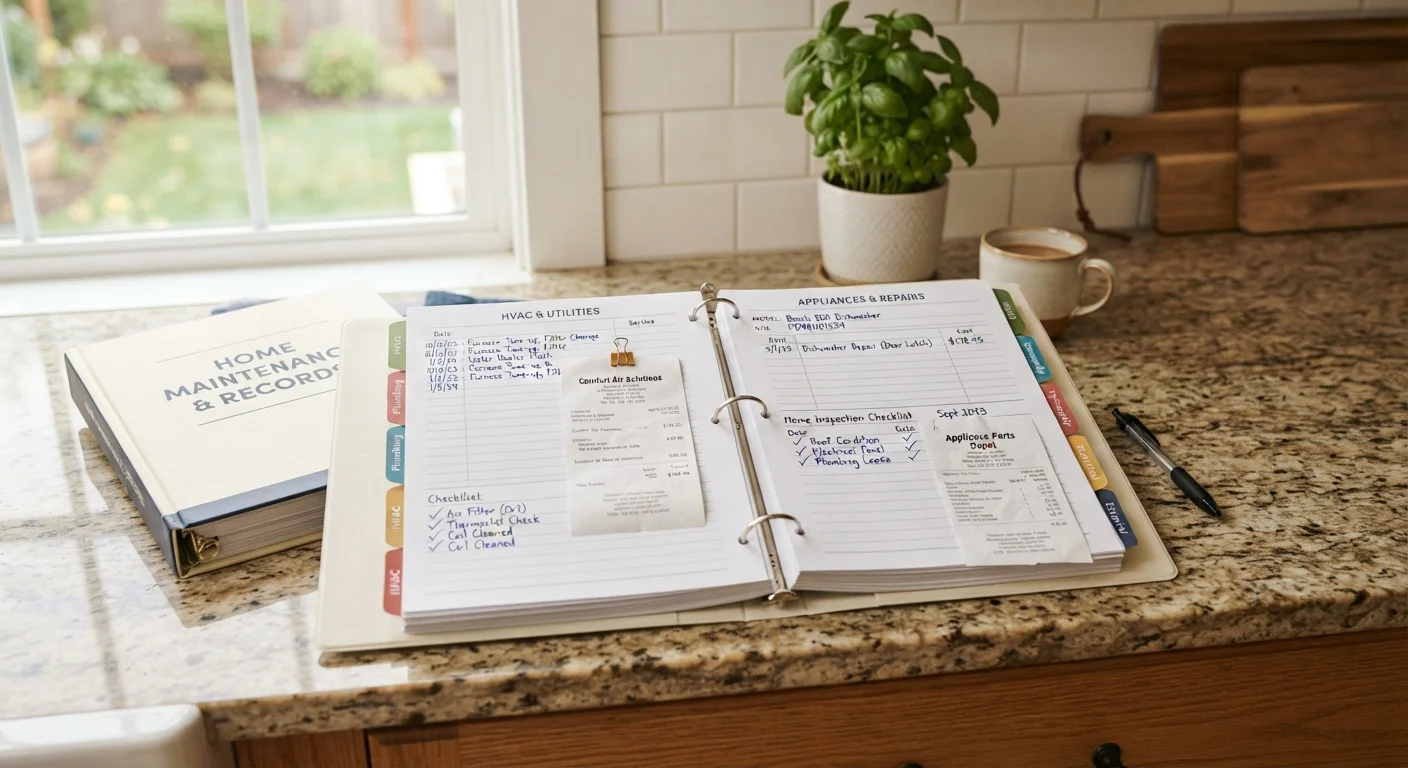
If you're newer to homeownership, our first-time homeowner's maintenance primer is a strong foundation to read alongside this checklist. And once you start completing tasks, consider keeping a maintenance log - it supports warranty claims and makes future home sales smoother.
Use the checklist below as a living reference. Pull it out at the start of each season, work through it methodically, and note what you find. The items are grouped by season, then by priority so you know where to start if time is tight.
Required
Extension ladder
Safely access gutters, fascia, and low roofline areas during exterior inspections.
Required
Flashlight or headlamp
Illuminate attic spaces, crawl spaces, and dark corners where moisture or pests may hide.
Required
Caulking gun and weatherstrip material
Seal gaps around windows, doors, and penetrations to prevent drafts and water intrusion.
Required
Garden hose with spray nozzle
Test gutter drainage and check for pooling or slope issues around the home's foundation.
Required
Screwdriver set and pliers
Tighten loose hardware, open access panels, and make minor adjustments during walkthroughs.
Optional
Smoke and CO detector tester spray
Verify that smoke and carbon monoxide detectors respond correctly to simulated alarm conditions.
Optional
Moisture meter
Detect elevated moisture levels in walls, floors, or framing before visible mold or rot appears.
Your Four-Season Checklist
This checklist covers the most universally applicable tasks for a typical US single-family home. Climate and construction type vary, so adjust for your region - homes in the Pacific Northwest face very different moisture risks than those in the desert Southwest.
Spring - Post-Winter Recovery
Inspect the roof for missing, cracked, or lifted shingles after winter freeze-thaw cycles. Note any granule loss in gutters as an indicator of shingle wear.Must
Clean and flush gutters and downspouts, confirming water flows away from the foundation. Ensure downspout extensions direct water at least 6 feet from the house.Must
Walk the foundation perimeter and check for new cracks, settled soil, or pooling water that may have developed during frost heave.Must
Test all smoke detectors and carbon monoxide detectors; replace batteries and note the manufacture date - most units should be replaced every 10 years.Must
Reconnect and test outdoor hose bibs after turning off winter shutoffs; inspect for cracked pipes that may have frozen.Should
Check window and door weatherstripping and caulking for gaps or deterioration introduced by winter temperature swings.Should
Summer - Heat, Humidity, and Pests
Have your central air conditioning system serviced by a qualified HVAC technician before peak cooling season - include coil cleaning, refrigerant check, and filter replacement.Must
Inspect attic ventilation to confirm hot air can escape; blocked soffit or ridge vents trap heat and accelerate shingle aging and moisture buildup.Must
Check crawl spaces and basement walls for signs of moisture intrusion, efflorescence (white mineral deposits), or mold growth as humidity rises.Must
Seal exterior gaps around pipes, utility lines, and vents with appropriate caulk or mesh to limit pest entry during warm months.Should
Trim tree branches that overhang the roofline by less than 10 feet - overhanging limbs deposit debris, retain moisture, and can cause damage in storms.Should
Test your sump pump by pouring water into the pit and confirming the float activates the pump promptly.Nice to have
Fall - Pre-Winter Preparation
Have your furnace or heating system inspected and serviced by a licensed HVAC technician before the first cold snap - this is the single highest-value fall task.Must
Clean gutters after leaves have fully fallen; check that hangers are secure and gutters pitch correctly toward downspouts.Must
Shut off and drain outdoor hose bibs and irrigation systems before the first freeze to prevent pipe bursts.Must
Inspect and clean the fireplace or wood stove flue - creosote buildup is a leading cause of chimney fires; hire a certified chimney sweep if you use the fireplace regularly.Must
Recaulk around windows, doors, and exterior penetrations to reduce drafts and heating costs through winter.Should
Check roof flashing around chimneys, skylights, and vents for lifted edges or cracking sealant before winter precipitation begins.Should
Winter - Indoor Systems and Safety
Check pipes in unheated spaces (garage, crawl space, exterior walls) during cold snaps; keep cabinet doors open under sinks on exterior walls to allow warm air circulation.Must
Test GFCI (ground fault circuit interrupter) outlets in bathrooms, kitchens, and garages using the test/reset buttons - replace any that don't trip or reset correctly.Must
Inspect and replace HVAC filters monthly during heavy heating use; a clogged filter forces the system to work harder and reduces air quality.Must
Check attic insulation for settled areas and confirm bathroom and kitchen exhaust fans vent to the exterior, not into the attic, to prevent winter condensation damage.Should
Test garage door auto-reverse safety feature by placing a 2x4 flat on the ground in the door's path - the door should reverse on contact.Should
Review your home emergency kit: confirm first-aid supplies, flashlights, batteries, and any backup heating equipment are stocked and functional.Nice to have
Roof and chimney work carries real fall risk
Walking on a roof without proper equipment and training is one of the leading causes of serious DIY injuries. Limit your visual inspection to what you can see safely from the ground or a stable ladder at eave height. For anything beyond that - including flashing repairs, shingle replacement, or chimney work - hire a licensed contractor. Our guide on common roof maintenance missteps explains what professional roofers look for during an inspection.
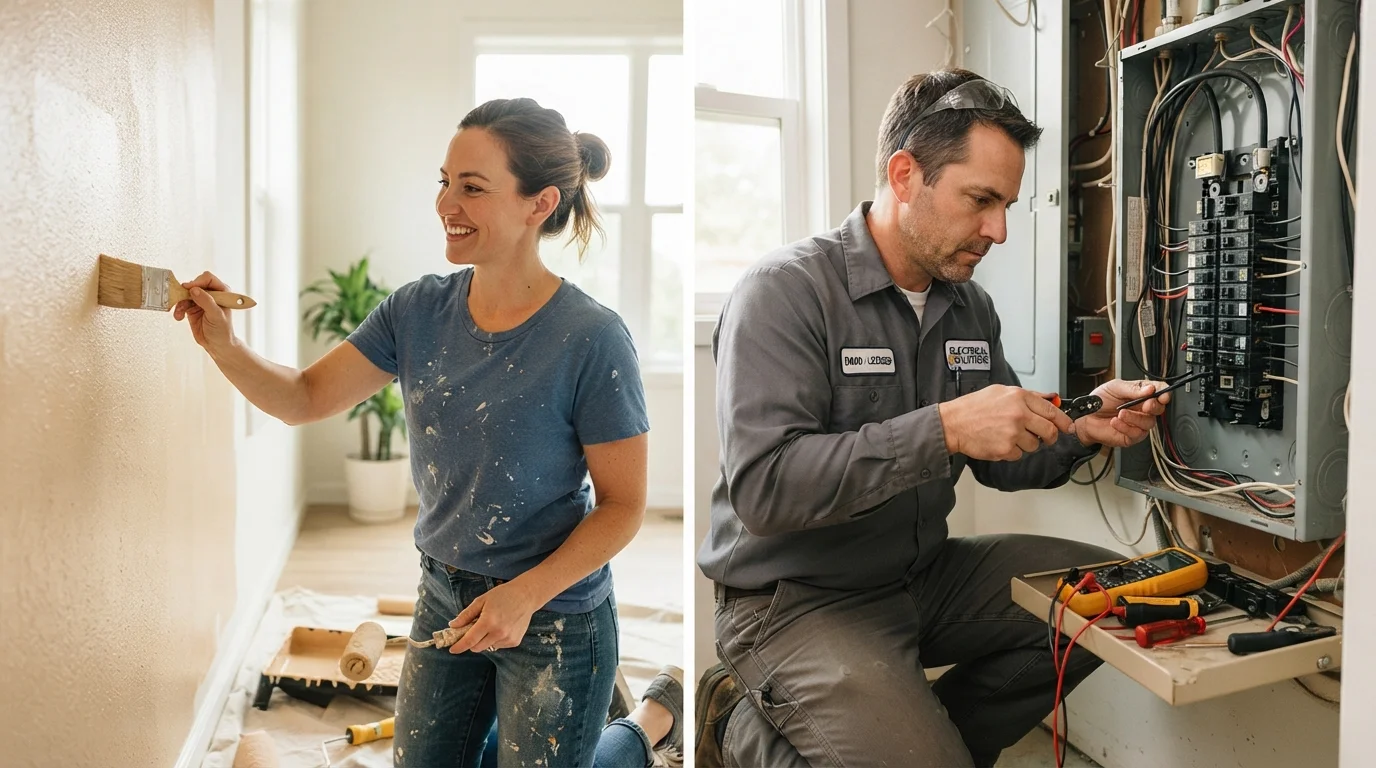
Not every task is right for every skill level. Our guide to deciding between DIY and hiring a tradesperson can help you draw that line confidently. For tasks involving electrical panels, gas lines, structural elements, or major roofing work, always consult a licensed professional - these areas carry real safety and code compliance risks.
Permits and codes apply to more than you might expect
Many seemingly minor projects - adding attic insulation, replacing a water heater, or modifying HVAC ducts - may require a permit or licensed contractor in your municipality. Unpermitted work can complicate home sales, void homeowner's insurance claims, and create safety hazards. Always check with your local building department before starting any project that touches structural, electrical, plumbing, or mechanical systems.
Home & Living Editorial Team is the collective byline for our editorial team and contributor network. Articles published under this byline or an editorial pen name are researched, written, and reviewed according to our editorial standards for clarity, consistency, and independence before publication.
The content provided on our blog site traverses numerous categories, offering readers valuable and practical information. Readers can use the editorial team’s research and data to gain more insights into their topics of interest. However, they are requested not to treat the articles as conclusive. The website team cannot be held responsible for differences in data or inaccuracies found across other platforms. Please also note that the site might also miss out on various schemes and offers available that the readers may find more beneficial than the ones we cover.