
The Budget Leaks You Don't See Coming
Most budget problems aren't caused by one catastrophic purchase. They're caused by dozens of small ones - each individually defensible, collectively destructive. A $4 coffee, a $2.99 app, a last-minute delivery fee: none of these feels like a financial decision. That's precisely what makes them dangerous.
Research in consumer behaviour consistently finds that people dramatically underestimate spending in high-frequency, low-cost categories. It isn't a willpower failure - it's a visibility problem. When transactions are small and automatic, the brain doesn't flag them as meaningful. The result is what financial planners sometimes call budget leakage: money that exits your account without a conscious choice attached to it.
If you've ever felt like your paycheck disappears faster than your lifestyle suggests it should, the answer is almost certainly hiding in daily habits. The list below targets the most common culprits - not to shame the behaviour, but to make it visible. Visibility is where change begins. For a broader look at where spending tends to surprise people, see categories Americans routinely underestimate.
Convenience food and drink purchases
Grabbing a coffee on the way to work, ordering lunch because the fridge looked uninspiring, adding a drink to a takeout order - these feel like minor comfort decisions. Over 22 working days a month, even a modest daily $8 spend on convenience food adds up to $176. Over a year, that's more than $2,100 directed at a category most people don't budget for at all.
The fix isn't to eliminate the habit entirely. It's to make it intentional. Designating two or three days a week as "buy lunch" days, rather than defaulting to it daily, can cut the cost significantly without eliminating the enjoyment. Common grocery spending myths also reveals how shopping habits at the store level can quietly compound the problem.
A modest $8 daily food habit can quietly cost over $2,100 a year without ever feeling extravagant.
Forgotten and underused subscriptions
Subscription businesses are designed around one behavioural truth: people are far less likely to cancel something they're passively using than something they're actively choosing each month. A streaming service used twice, a fitness app opened in January, a news paywall kept "just in case" - each auto-renews quietly, often at prices that have crept up since signup.
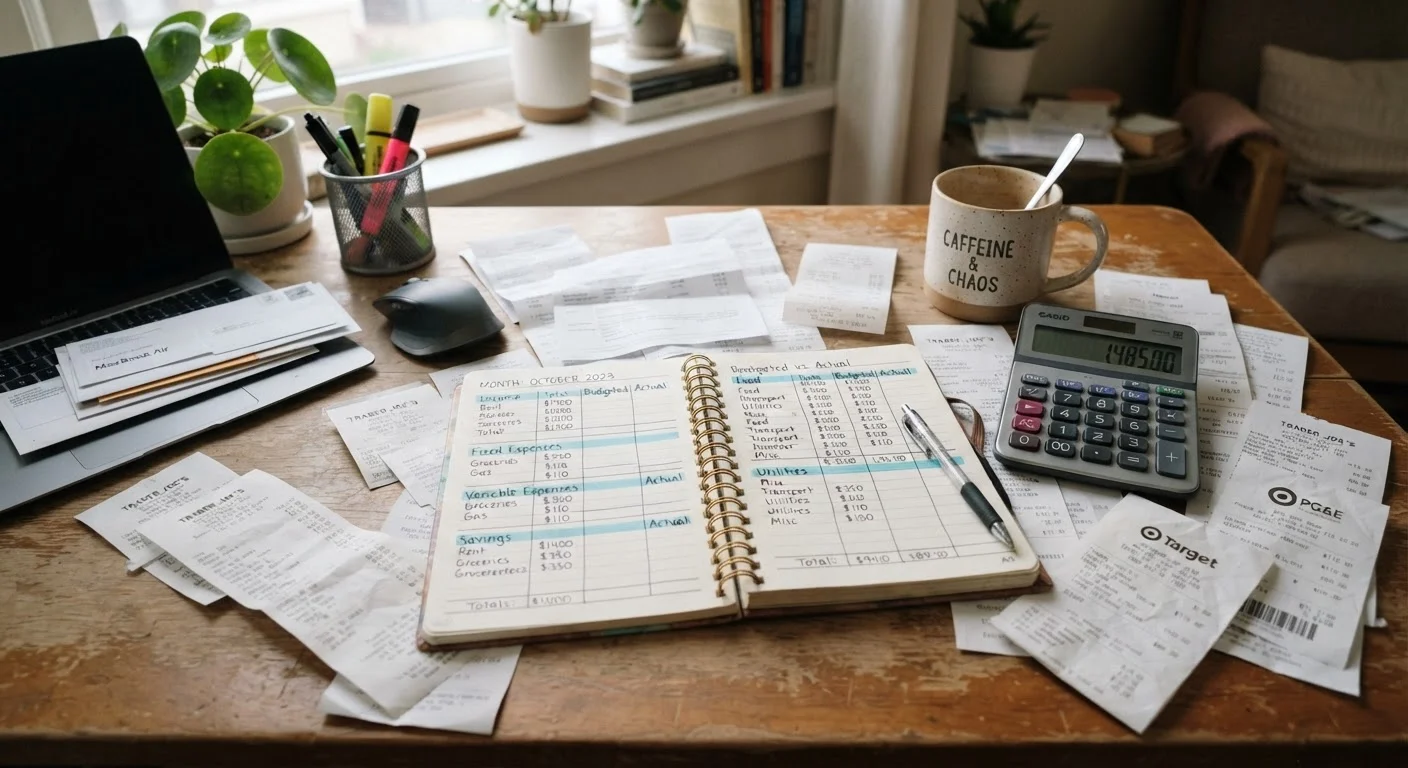
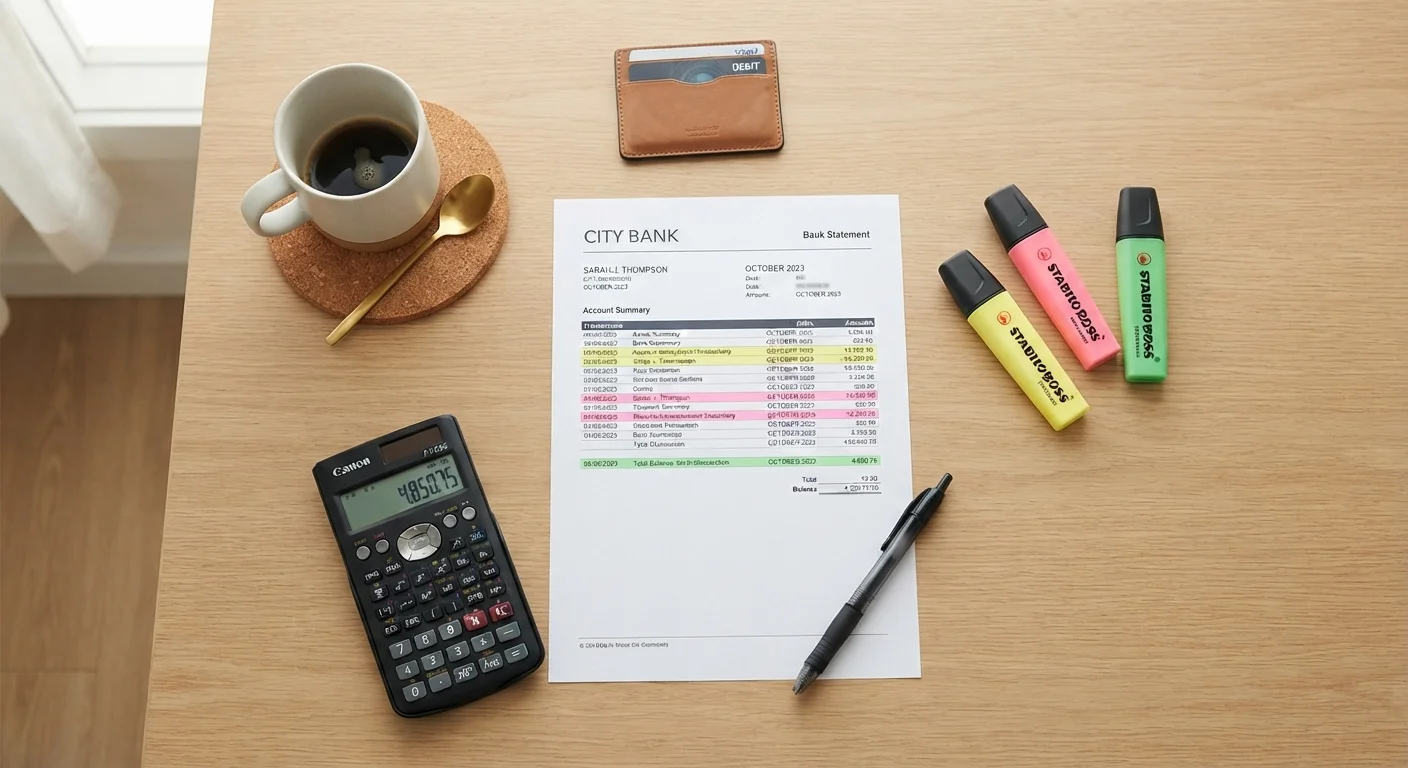
A straightforward audit - pulling three months of bank and credit card statements and flagging every recurring charge - typically surfaces at least two to four subscriptions people had genuinely forgotten about. Cancelling or downgrading even two $15/month services saves $360 annually with a single afternoon's effort. This is one of the highest-return financial tasks available to almost anyone.
Most households carry at least two forgotten subscriptions - cancelling them costs nothing but a few minutes.
Impulse add-ons at checkout
Online checkout flows are engineered to increase cart value. Suggested items, bundled "deals," warranty upsells, and one-click add-ons exploit the moment when a purchase decision is already made and psychological resistance is low. The same dynamic plays out in physical retail at the register - items placed there aren't accidental.
A practical defence is to enforce a cart review step: add items, then leave the cart for 24 hours before completing the purchase. Research on consumer behaviour consistently finds that a meaningful proportion of add-ons are abandoned when a brief waiting period is introduced. The item felt necessary in the moment; it doesn't the next morning.
Checkout add-ons exploit the moment your resistance is lowest - a 24-hour pause neutralises most of them.
Paying for convenience rather than value
Convenience pricing is real and sometimes worth it - but it's worth knowing when you're paying it. Same-day delivery fees, airport or stadium food markups, vending machine pricing, and hotel minibar items all charge a premium for proximity and immediacy. None of these are irrational choices in isolation. The problem is when convenience pricing becomes the default rather than the exception.
A useful mental habit is to mentally flag the convenience fee whenever it applies: "I'm paying an extra $4 for this to arrive today instead of Thursday." That framing doesn't make you stop - but it makes the cost conscious rather than invisible, which is enough to shift choices over time.
Naming the convenience fee - even silently - turns an invisible cost into a conscious trade-off.
Spending triggered by emotional states
Boredom, stress, mild anxiety, and low-grade dissatisfaction are among the most reliable spending triggers in everyday life. Retail therapy is a real phenomenon, documented in consumer psychology research - purchases made in a negative emotional state provide a temporary sense of control or reward that reinforces the behaviour. Online shopping in particular is structured to be frictionless precisely when friction would be most useful.
Recognising your personal triggers - a stressful afternoon at work, scrolling social media late at night - allows you to build a non-spending alternative into that specific context. A walk, a call to a friend, or even a glass of water introduced between the trigger and the browser tab interrupts the loop. This approach doesn't address why the stress exists, but it does redirect its financial cost. For perspective on how daily habits interact with overall wellbeing, low-effort self-care practices offers a useful complement.
Identifying your personal spending triggers is the first step to separating emotional relief from financial cost.
Not using what you've already paid for
Budget leakage isn't only about what you buy - it's also about what you buy and don't use. Groceries that spoil, gym memberships accessed once a month, bulk purchases that expire, gift cards that sit unused: these represent money already spent that delivers zero return. The initial purchase felt like good value; the follow-through made it expensive.
A weekly fridge audit, a monthly check of stored gift card balances, and a quarterly review of memberships against actual usage are low-effort habits that close this particular leak. The goal is a simple ratio: if you're paying for something, it should be delivering roughly equivalent value. When it isn't, cancelling or adjusting is the financially sound move - not a sacrifice. See why budgets fail in the second month for related patterns that undermine good financial intentions over time.
Paying for something you don't use is a guaranteed loss - regular audits recover that money with minimal effort.
Turning Awareness Into Lasting Habit Change
Knowing about a habit and changing it are two different skills. The most effective approach isn't willpower - it's friction. Add a small obstacle between impulse and action: delete a delivery app, move your credit card out of mobile wallets, or set a 10-minute rule before any unplanned purchase. These micro-barriers interrupt the automatic loop without requiring sustained self-discipline.
Start with just one category
Trying to fix every spending habit at once typically leads to burnout and backsliding. Pick the single category you suspect is your biggest leak - convenience food, subscriptions, or impulse buys - and track it exclusively for 30 days. The data you gather will be more motivating than any general estimate, and the focused effort is far easier to maintain than a whole-budget overhaul.
For those who find tracking tedious, the goal isn't to log every dollar permanently - it's to run a 30-day audit of one or two leaky categories to calibrate your mental map. The art of tracking spending without obsessing covers sustainable approaches that don't require spreadsheet obsession. And if recurring charges are part of the picture, auditing your recurring costs is a practical next step.
Small daily habits built the leak. Small daily habits can close it - but only once you can see where the water is going.
This article is for general informational purposes only and does not constitute personalised financial advice. Consider consulting a qualified financial professional for guidance tailored to your situation.