Why Your Home Sends Signals Before It Breaks
Most significant home repairs don't arrive without warning. They announce themselves quietly - a hairline crack here, a musty corner there, a door that suddenly sticks. The trouble is that these signals are easy to dismiss as cosmetic quirks, especially in an older home. Learning to read them accurately is one of the most valuable skills a homeowner can develop.
Think of your home the way you'd think about a car's dashboard. Warning lights exist so small problems don't become engine failures. Your walls, floors, and ceilings operate the same way. The key is knowing which signals demand immediate attention and which ones are safe to monitor. As a starting point, pair this guide with our seasonal home maintenance checklist to build a regular inspection rhythm.
| Most common hidden damage type | Water intrusion (leaks, moisture, seepage) (Widely cited by home inspection associations) |
| Crack types most worth monitoring | Horizontal, diagonal from corners, stair-step in masonry |
| Efflorescence indicates | Water moving through masonry or concrete |
| When permits are typically required | Structural, electrical, plumbing, and roofing work (Requirements vary by locality - verify with your local authority) |
| First sign of subfloor rot | Soft or spongy spots in flooring near water fixtures |
| Recommended monitoring method | Dated photographs stored in a dedicated folder |
A Room-by-Room Guide to Warning Signs
Walls and Ceilings
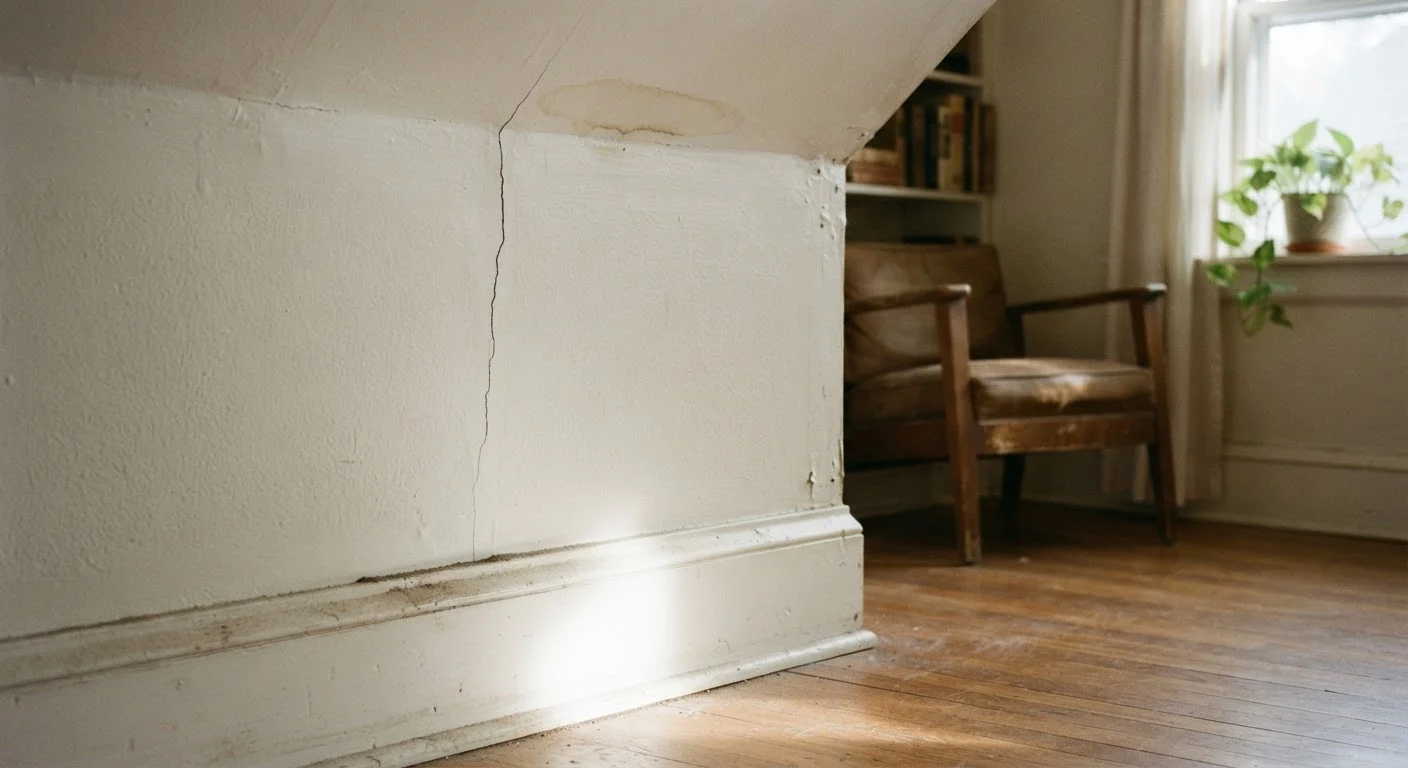
- Horizontal or stair-step cracks in drywall or plaster can indicate foundation movement or settling. Diagonal cracks running from window corners are especially worth monitoring.
- Yellow or brown water stains on ceilings signal a leak from above - whether a roof, a plumbing line, or an upstairs bathroom. A dry stain may be old, but an expanding one needs prompt investigation.
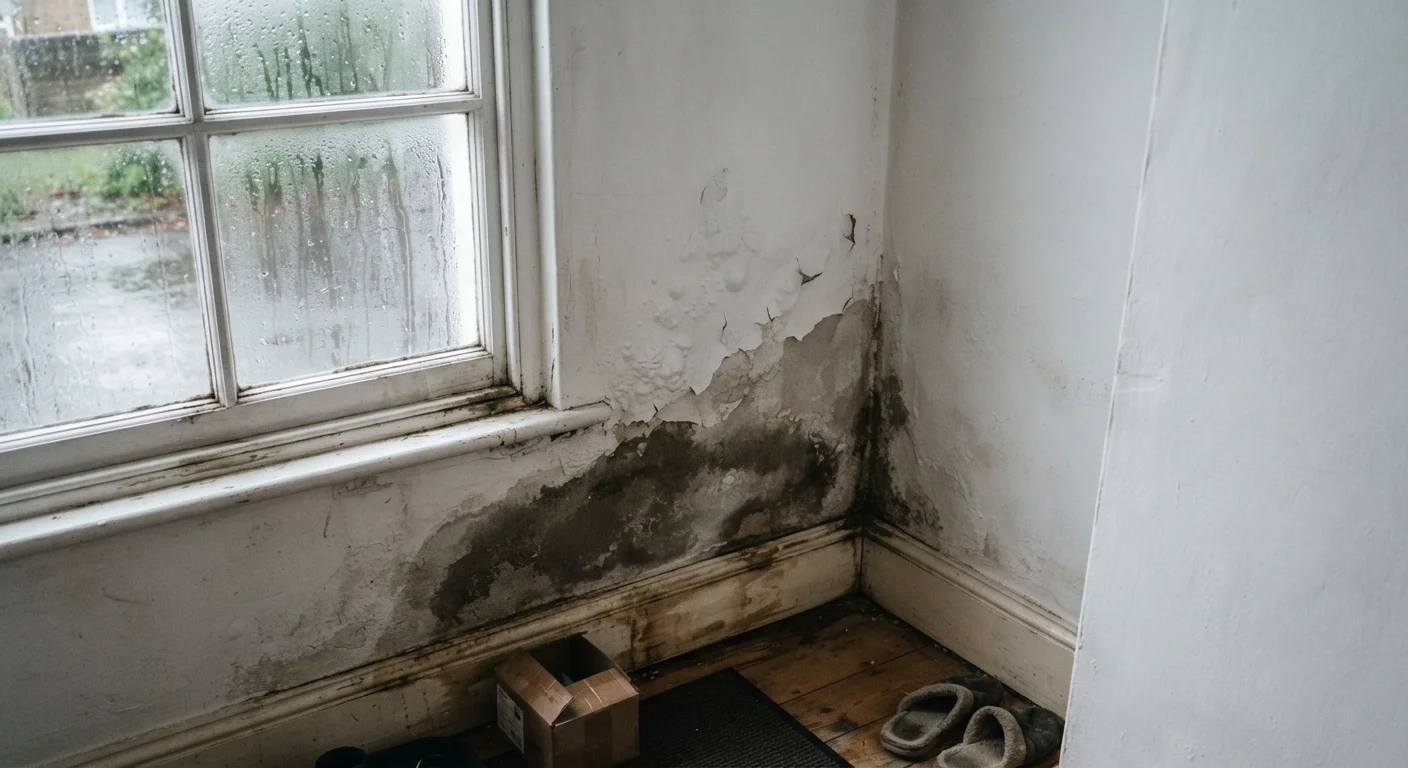
- Bubbling or peeling paint on interior walls, particularly in bathrooms, often points to moisture trapped behind the surface.
Floors
- Soft or spongy spots underfoot - especially near sinks, tubs, or toilets - can indicate subfloor rot from a slow leak.
- Gaps widening between floorboards seasonally may simply reflect humidity changes, but gaps that persist year-round can suggest foundation shift.
- Tiles cracking or grout lines separating without any impact damage may point to movement in the subfloor beneath.
Doors and Windows
- Doors that suddenly stick or swing open on their own can indicate the frame has shifted - sometimes a sign of foundation settling or structural movement.
- Drafts around closed windows and doors are often a weatherproofing failure. Our guide on caulking vs. weatherstripping explains how to seal gaps correctly.
Basement and Crawlspace
- White powdery residue on concrete walls (called efflorescence) is mineral deposits left by water moving through the wall - a reliable moisture indicator.
- A persistent musty smell in lower levels often precedes visible mould. See our article on damp and rising moisture for help identifying the source.
Efflorescence
A white, powdery deposit that forms on concrete or masonry surfaces when water carries dissolved minerals through the material and deposits them as it evaporates. It is a reliable indicator of moisture movement through a wall.
Subfloor
The structural layer of flooring beneath your finished floor surface (tile, hardwood, carpet). It is typically made of plywood or OSB and is vulnerable to rot when exposed to persistent moisture.
Foundation settling
The gradual downward movement of a building's foundation as the soil beneath it compacts over time. Minor settling is normal in most homes, but uneven or rapid settling can cause structural problems.
Stair-step crack
A crack that follows the mortar joints in a brick or block wall in a diagonal stair-step pattern. This crack type is commonly associated with differential foundation movement.
When to Monitor vs. When to Call a Professional
Not every warning sign requires an immediate contractor call - but some do. A general rule: if a problem involves structural elements, active water intrusion, electrical components, or gas lines, contact a licensed professional rather than attempting a DIY fix. Unpermitted or unsafe work can create liability and safety risks that far outweigh the cost savings.
For issues that appear cosmetic but recur after repair - a crack that you fill and it returns, or paint that peels again within weeks - treat the recurrence as evidence of an unresolved underlying cause. That's the moment to bring in a professional eye.
Keep a simple log of what you notice and when. Dated photos stored on your phone are sufficient. This record helps contractors diagnose faster and helps you spot patterns over time. To understand what deferred action can cost you financially, our article on the real cost of skipping routine maintenance lays it out clearly. And if you're weighing a DIY repair against hiring help, our guide on DIY vs. hiring a tradesperson provides a practical decision framework.
Document Before You Repair
Before patching any crack, stain, or gap, photograph it with a ruler or coin for scale. Note the date and location in a simple home log. If the problem returns after repair, that documentation helps a contractor identify the true source quickly - and can be valuable for insurance claims.
This article is for general informational and educational purposes only. Always verify local building codes and consult a licensed professional before undertaking structural, electrical, plumbing, or other regulated repairs.