
Why Maintenance Matters More Than You Think
Owning a home is one of the most significant financial commitments most people make - and the building itself requires ongoing attention to stay safe, comfortable, and valuable. The core truth of homeownership is simple: small problems left unaddressed become expensive ones. A slow drip under a sink can quietly rot a cabinet floor over months. A clogged gutter can direct water into a foundation. A missed furnace filter can reduce efficiency and shorten the unit's lifespan.
Proactive maintenance is far less expensive than reactive repair. According to general industry guidance, catching and correcting minor issues early can cost a fraction of what deferred problems ultimately demand. First-time homeowners who build maintenance awareness early set themselves up to protect both their comfort and their investment. For a deeper look at what your home may already be trying to tell you, see early warning signs of hidden damage.
The Core Systems Every Homeowner Must Know
Your home is made up of several interconnected systems. Understanding the basics of each one helps you spot trouble early and communicate clearly with professionals when needed.
HVAC
Short for Heating, Ventilation, and Air Conditioning - the system that controls your home's temperature and air circulation, including furnaces, air conditioners, and ductwork.
Shut-off valve
A valve that stops water flow to all or part of your plumbing system. Knowing where your main shut-off valve is lets you quickly stop water damage in an emergency.
Caulk
A flexible, waterproof sealant applied around windows, doors, tubs, and sinks to prevent water, air, and pests from entering gaps.
Breaker panel
The electrical panel - usually in a basement, garage, or utility closet - that contains circuit breakers controlling the flow of electricity throughout your home.
Deferred maintenance
Upkeep tasks that have been postponed, often leading to worsening conditions and higher repair costs over time.
Weather stripping
Sealing material installed around doors and windows to block drafts and moisture, helping maintain indoor temperature and reduce energy use.
- HVAC (Heating, Ventilation & Air Conditioning): Responsible for your home's temperature and air quality. Key tasks include changing air filters regularly, keeping vents unobstructed, and scheduling annual professional inspections of furnaces and air conditioners.
- Plumbing: Encompasses water supply lines, drains, and fixtures. Learn where your main water shut-off valve is - this is the first thing to locate on move-in day. Check under sinks periodically for signs of moisture.
- Electrical: Know where your main breaker panel is and how to safely reset a tripped breaker. Beyond that, electrical work - especially anything involving wiring, outlets, or the panel itself - should be handled by a licensed electrician.
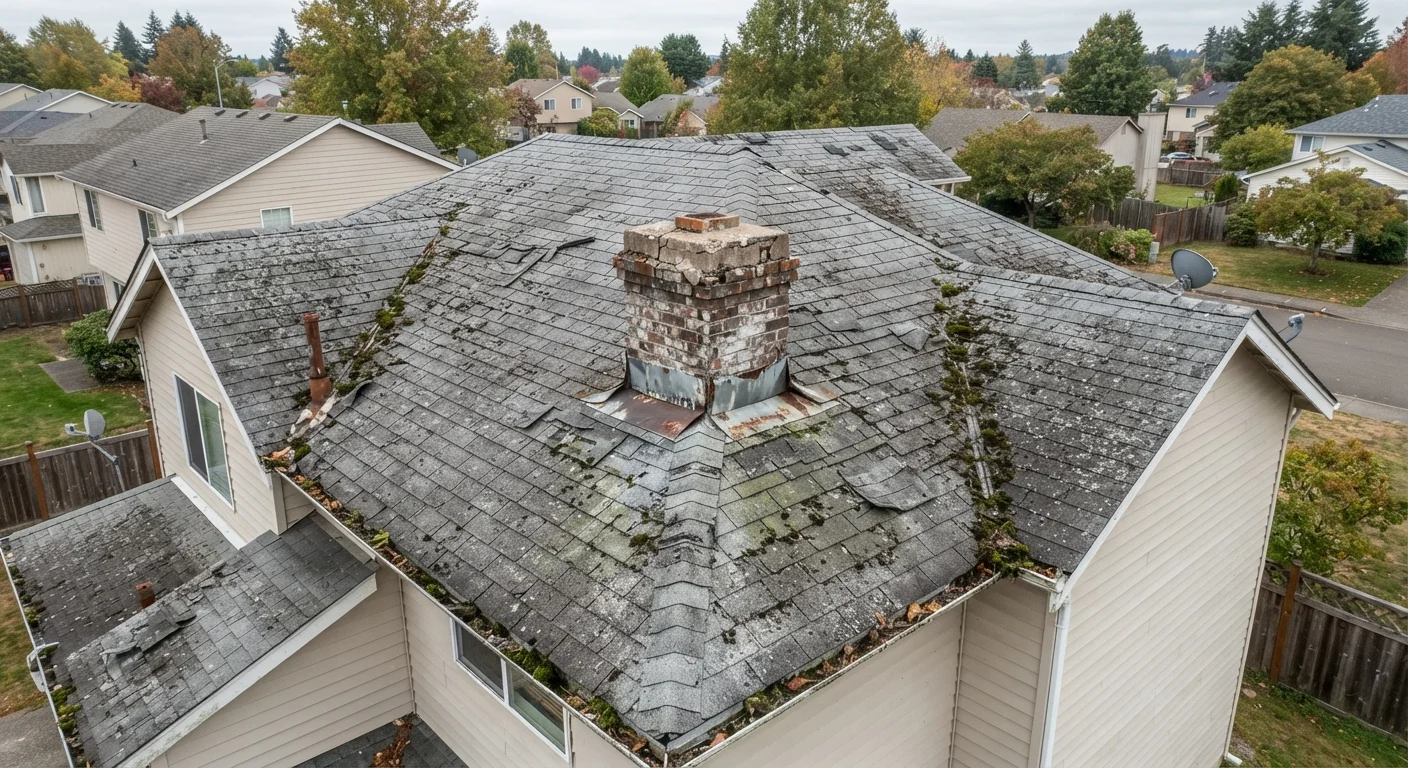
- Roof and Gutters: Inspect the roof visually from the ground after major storms for missing shingles or visible damage. Keep gutters clear of debris, especially in autumn. Our guide on common roof maintenance missteps explains the habits that quietly reduce a roof's working life.
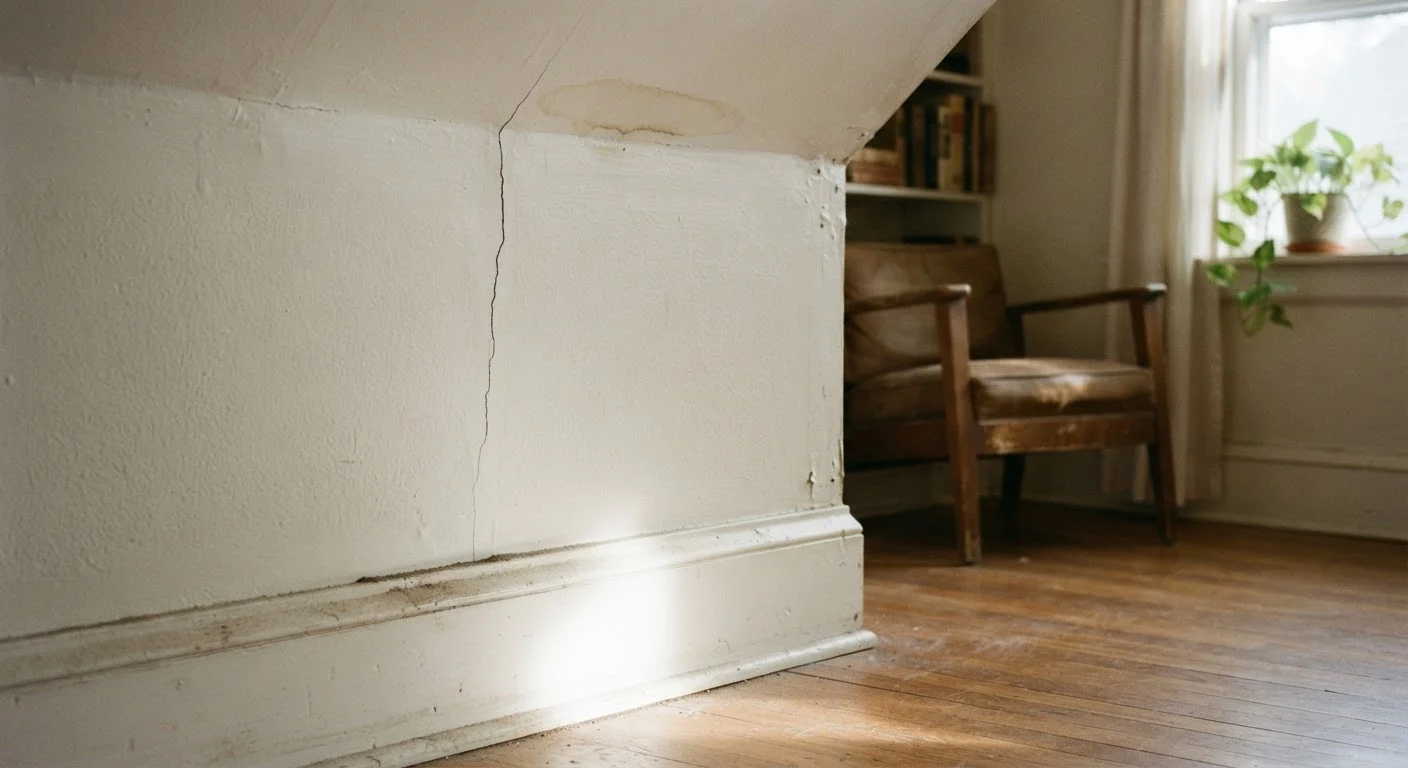
- Foundation and Structure: Hairline cracks in drywall near corners are often normal settling. Horizontal cracks in a foundation wall, however, can signal pressure and warrant professional evaluation. Never ignore widening cracks.
Building a Simple Maintenance Routine
The most effective maintenance strategy is a calendar-based routine that breaks tasks into monthly, seasonal, and annual checkpoints. This removes the burden of trying to remember everything at once.
Start Your Maintenance Log on Move-In Day
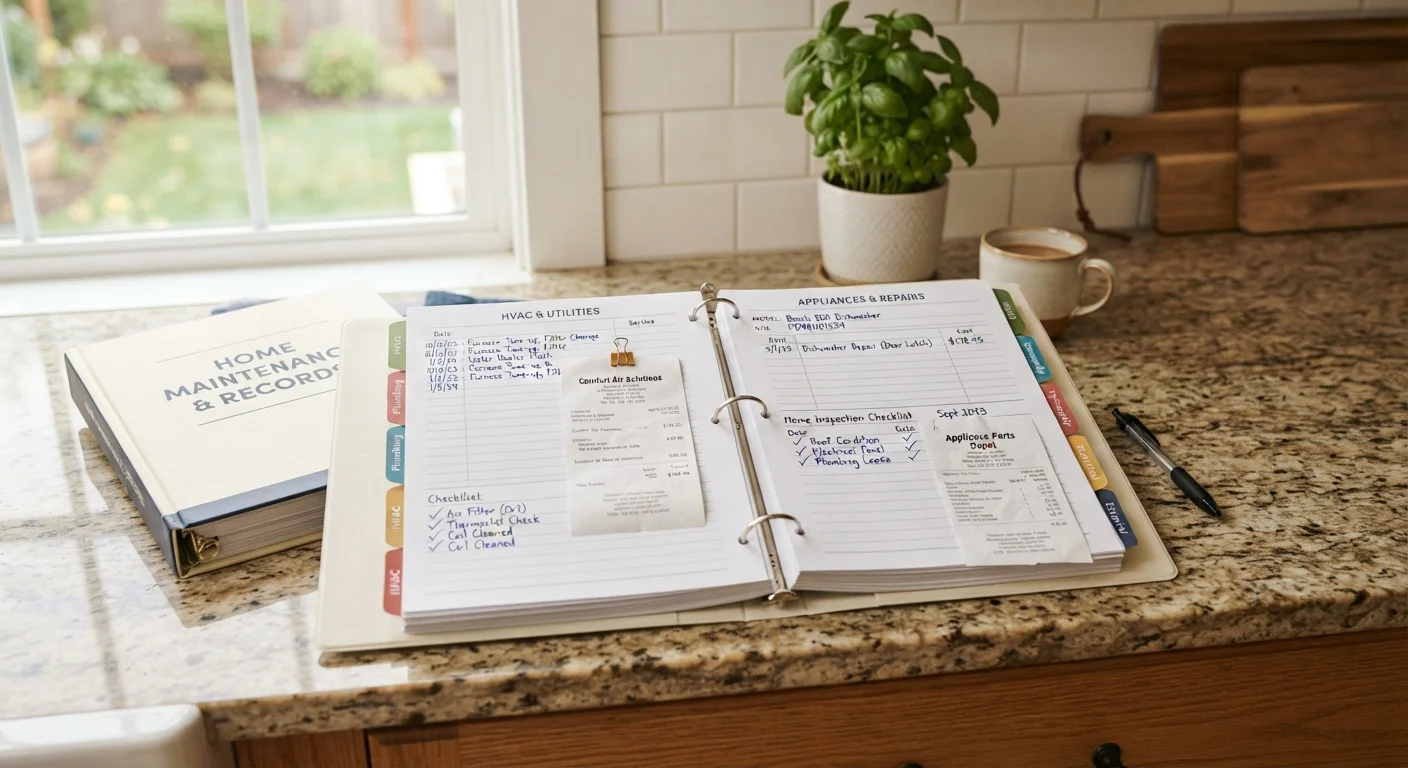
The best time to start tracking your home's systems is before anything breaks. On move-in day, note the age and model number of your water heater, HVAC units, and appliances. Take photos of your electrical panel, plumbing shut-offs, and attic access points. This baseline record will save time and money throughout your ownership.
A useful complement to your calendar is a written maintenance log - a running record of what was serviced, replaced, or repaired and when. This single habit can support warranty claims, simplify budgeting, and strengthen your position when you eventually sell. Learn more in our article on keeping a home maintenance log.
For a complete breakdown of what to check by season, see the seasonal home maintenance checklist - it takes the guesswork out of timing.
- Monthly: Inspect HVAC filters, test smoke and carbon monoxide detectors, check under sinks for leaks.
- Seasonally: Clean gutters (spring and fall), inspect weather stripping, check outdoor faucets before and after winter, service HVAC units before heavy use seasons.
- Annually: Have your furnace or heat pump professionally inspected, check the roof after winter, flush the water heater, inspect caulking around windows, doors, and tubs.
When to DIY and When to Call a Pro
Knowing your limits is just as important as knowing how to fix things. Many routine tasks are genuinely homeowner-friendly: caulking, filter changes, gutter cleaning, painting interior walls, and patching small drywall holes. These require basic tools and patience, not specialized licenses.
Don't Skip Permits on Major Work
It can be tempting to skip the permit process to save time or money, but unpermitted work creates real problems down the road. If a claim is made on your home insurance related to unpermitted work, coverage may be denied. When you sell, unpermitted improvements may need to be disclosed or removed. Always verify local requirements before starting significant projects.
However, certain categories of work carry real safety and legal risk when performed without proper training or licensing. As a general rule, work involving these areas should go to a qualified professional:
- Electrical: Panel upgrades, new circuit wiring, outdoor electrical work - these carry shock and fire risk, and most jurisdictions require a licensed electrician and permit.
- Gas lines: Any work involving gas supply lines, fittings, or appliance connections should always be handled by a licensed plumber or gas technician.
- Structural and roofing: Load-bearing wall changes, major roof repairs, and foundation remediation require professional assessment and, typically, permits.
- Plumbing tie-ins: Connecting to main supply or drain lines often requires a permit and licensed plumber in most US municipalities.
When in doubt, contact your local building department to confirm whether a permit is required. Unpermitted work can complicate home sales and insurance claims later.
Budgeting for Home Upkeep
One of the most common surprises for first-time homeowners is realizing that maintenance is an ongoing cost - not a one-time expense. A widely cited rule of thumb is to set aside 1-2% of your home's purchase price each year for maintenance and repairs. On a $300,000 home, that translates to $3,000-$6,000 annually. Older homes or those in regions with harsh winters or heavy rainfall may trend toward the higher end.
Building this into your broader household budget from the start prevents the financial stress of scrambling when a water heater fails or a roof repair is needed. Consider keeping these funds in a dedicated savings account so they're accessible but not mixed with everyday spending. For help structuring your overall budget, explore the Budgeting Basics hub for practical frameworks.
Seasonal Home Maintenance Checklist
A practical month-by-month breakdown of what to inspect and service throughout the year, so no task slips through the cracks.
Home Maintenance Log Template
A structured format for recording every repair, service, and inspection - useful for budgeting, warranty claims, and future home sales.
Local Building Department Finder
Use your city or county's official website to look up permit requirements, licensed contractor databases, and inspection processes for your area.
Consistent maintenance doesn't just protect your home - it also protects your financial footing. Homes that are well-documented and well-maintained tend to hold their value and attract buyers more readily when it's time to sell. Think of it as a long-term habit with compounding rewards.