Why Long Drives Erode Alertness Gradually
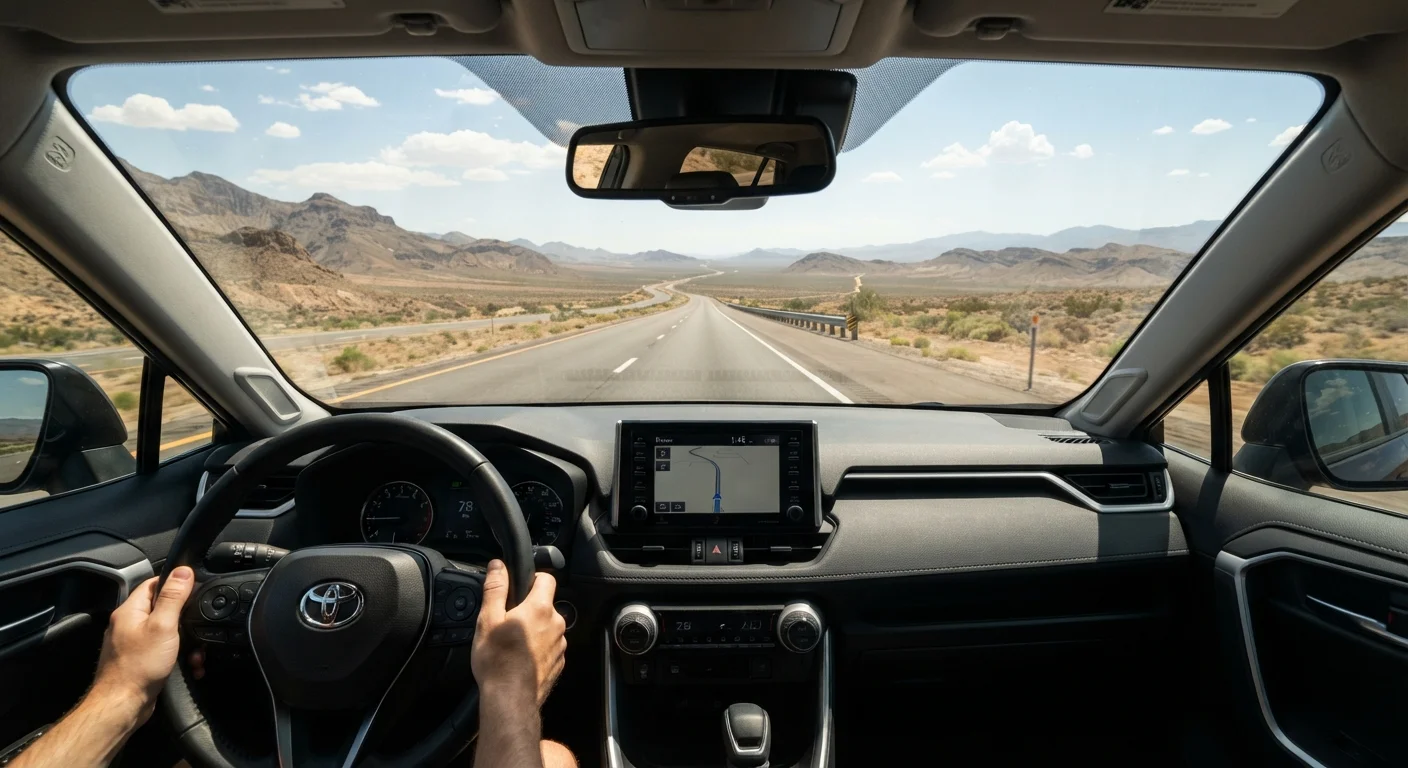
Monotonous highway driving creates a specific cognitive hazard: the road demands just enough attention to keep you awake but not enough to keep your brain fully engaged. Over time, this low-stimulation state causes what researchers call vigilance decrement - a measurable drop in attentional performance that begins within the first 30 to 60 minutes of sustained, repetitive driving. The problem is compounded by the fact that impaired drivers consistently overestimate their own alertness.
Add in cumulative sleep debt, warm cabin temperatures, and hours without movement, and the conditions for a serious lapse of concentration are in place well before most drivers recognize the danger. Understanding this gradual erosion - rather than waiting for an obvious signal - is the foundation of safe long-distance driving.
It's also worth noting that fatigue interacts with other risk factors. Distraction behind the wheel is meaningfully more dangerous when your baseline alertness is already compromised. The two risks compound each other.
What you will need
Building a Road Trip Plan That Accounts for Fatigue
Effective long-distance driving starts with honest trip planning. Most drivers significantly underestimate travel time and overestimate how many hours they can drive safely in a day. If you're planning a route through demanding terrain, consult resources like our Desert Southwest road trip planning guide for examples of how to sequence stops and structure daily mileage realistically.
Practical planning decisions that reduce fatigue risk include: scheduling your longest driving legs in the morning when alertness is typically highest, avoiding driving between 2:00-4:00 a.m. and 1:00-3:00 p.m. (natural dips in circadian alertness), and building one hour of buffer time into every four hours of scheduled driving. Flexibility isn't laziness - it's a safety margin.
Pair a Nap With Caffeine for Best Results
Sleep researchers sometimes call this a 'caffeine nap': drink a cup of coffee, then immediately take a 20-minute rest. Caffeine takes about 20 minutes to absorb, so you wake up at roughly the same moment it begins working. This combination tends to produce sharper alertness than either strategy alone, and is a practical tool during planned rest stops on extended drives.
For the vehicle itself, note that aggressive driving habits that develop on long trips - heavy acceleration, late braking to make exits - carry mechanical costs beyond safety. Our piece on how driving habits quietly accelerate vehicle wear covers the connection between driving style and long-term maintenance needs.
Drowsy Driving Is a Serious Safety Risk
Research from the National Highway Traffic Safety Administration consistently links drowsy driving to thousands of crash fatalities each year in the United States. Unlike alcohol impairment, fatigue can strike with little warning - microsleeps (involuntary sleep episodes lasting one to four seconds) can occur even when you feel only mildly tired. If you feel the urge to close your eyes, pull over immediately at a safe location. Do not attempt to push through.
Get a Full Night of Sleep Before Departing
No in-trip habit compensates for setting out already sleep-deprived. Aim for seven to eight hours the night before your trip. If your schedule forces an early departure, adjust your bedtime several days in advance rather than trying to catch up the night before - sleep debt accumulates and is not resolved by a single good night.
Plan Structured Rest Stops Before You Leave
Build rest intervals into your route before you start driving - don't rely on feeling tired as the trigger. A widely used guideline is to stop every two hours or roughly 100 miles. Mark these stops on your navigation app or a printed map. Knowing a break is coming helps you stay committed rather than bargaining with yourself to push a little further.
Recognise Early Fatigue Warning Signs
Fatigue rarely announces itself dramatically. Watch for these early signals: frequent yawning, heavy eyelids, difficulty maintaining your lane, missing exits or signs you just passed, and trailing off mid-thought during conversation. Situational awareness typically degrades before you consciously feel impaired - so trust the physical cues, not your confidence level.
Use Rest Stops for Genuine Recovery
When you stop, actually rest. Park, turn off the engine, and either walk briskly for five to ten minutes to stimulate circulation or take a 20-minute nap in a reclined seat. Avoid spending the entire break on your phone, which is mentally stimulating without being physically restorative. If you have a travel companion, this is also the right moment to switch drivers.
Manage In-Cabin Environment and Distractions
A warm, stuffy cabin accelerates drowsiness. Keep the temperature cool, ensure adequate fresh air circulation, and use ventilation rather than heavy recirculated air. Limit cognitive distractions: hands-free phone calls carry a measurable attention cost even without device contact - see the real trade-offs of hands-free phone use for what the research shows. Podcasts and music at moderate volume are lower-risk ways to stay engaged without fragmenting focus.
Know When to Stop for the Night
Long-distance trips with overnight requirements deserve honest scheduling. Avoid setting a departure time that forces you to drive after midnight unless you are fully rested and have a co-driver. Book accommodation in advance at a realistic daily mileage - generally 400 to 500 miles is a manageable single-day target for most drivers, not 700 to 800. Arriving a day later is far preferable to not arriving safely.