
Why Anticipation Beats Reaction Every Time
Most crashes happen not because drivers are reckless, but because they're only watching what's directly in front of them. Situational awareness - the ability to read what traffic is about to do before it does it - is the single most transferable skill in safe driving. It's the foundation of defensive driving and the difference between a controlled stop and a rear-end collision.
Reaction time for the average driver is roughly 1.5 seconds. At 60 mph, your vehicle travels about 132 feet before you even begin to brake. The only way to shrink that gap is to see the problem coming earlier. The habits below are the ones experienced drivers build - consciously or not - to stay consistently ahead of the flow.
Practice One Habit at a Time
Trying to overhaul every scanning habit simultaneously tends to create cognitive overload rather than improvement. Pick one habit - say, extending your visual horizon - and consciously practice it for a full week of commutes. Once it feels automatic, layer in the next. Incremental practice embeds habits far more reliably than one-time effort.
Seven Habits That Build Real Traffic Awareness
Extend Your Visual Horizon to 12-15 Seconds Ahead
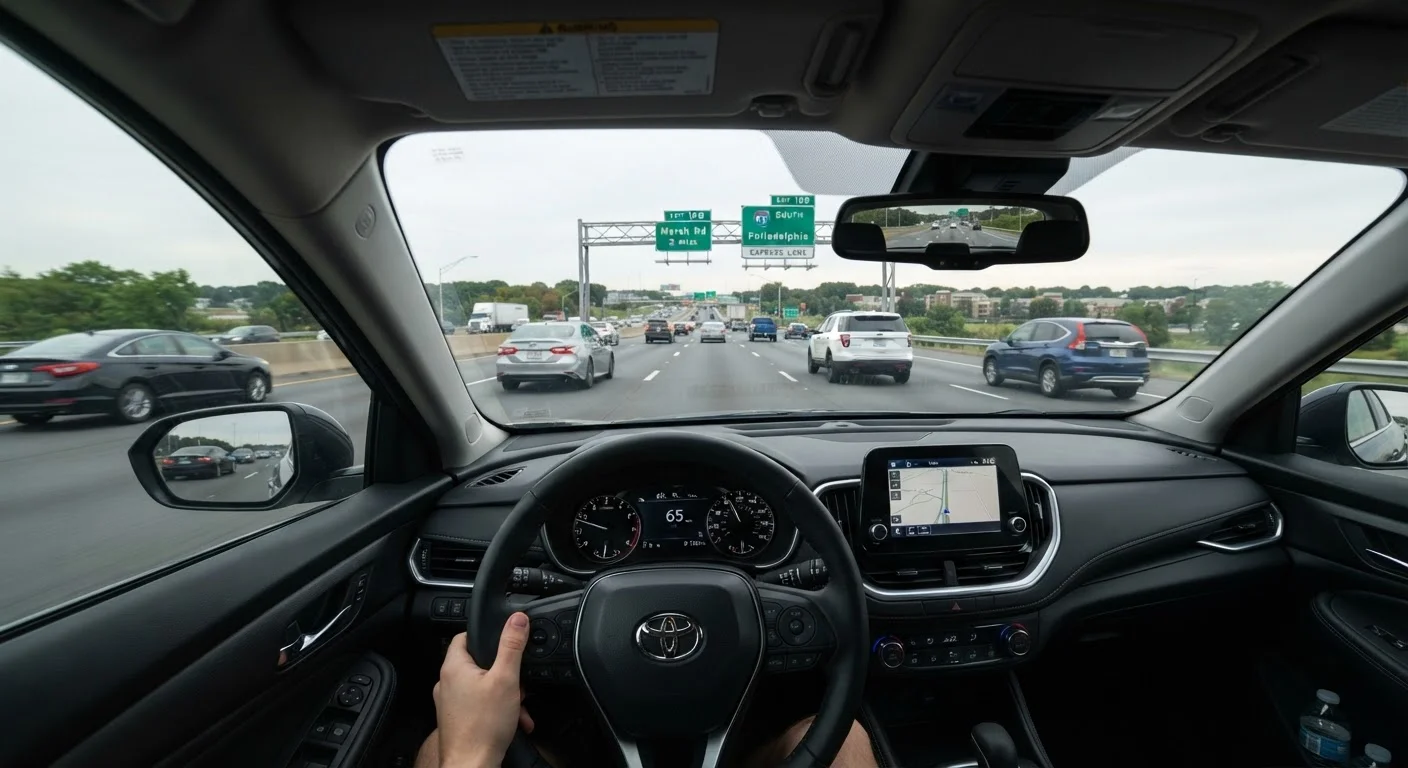
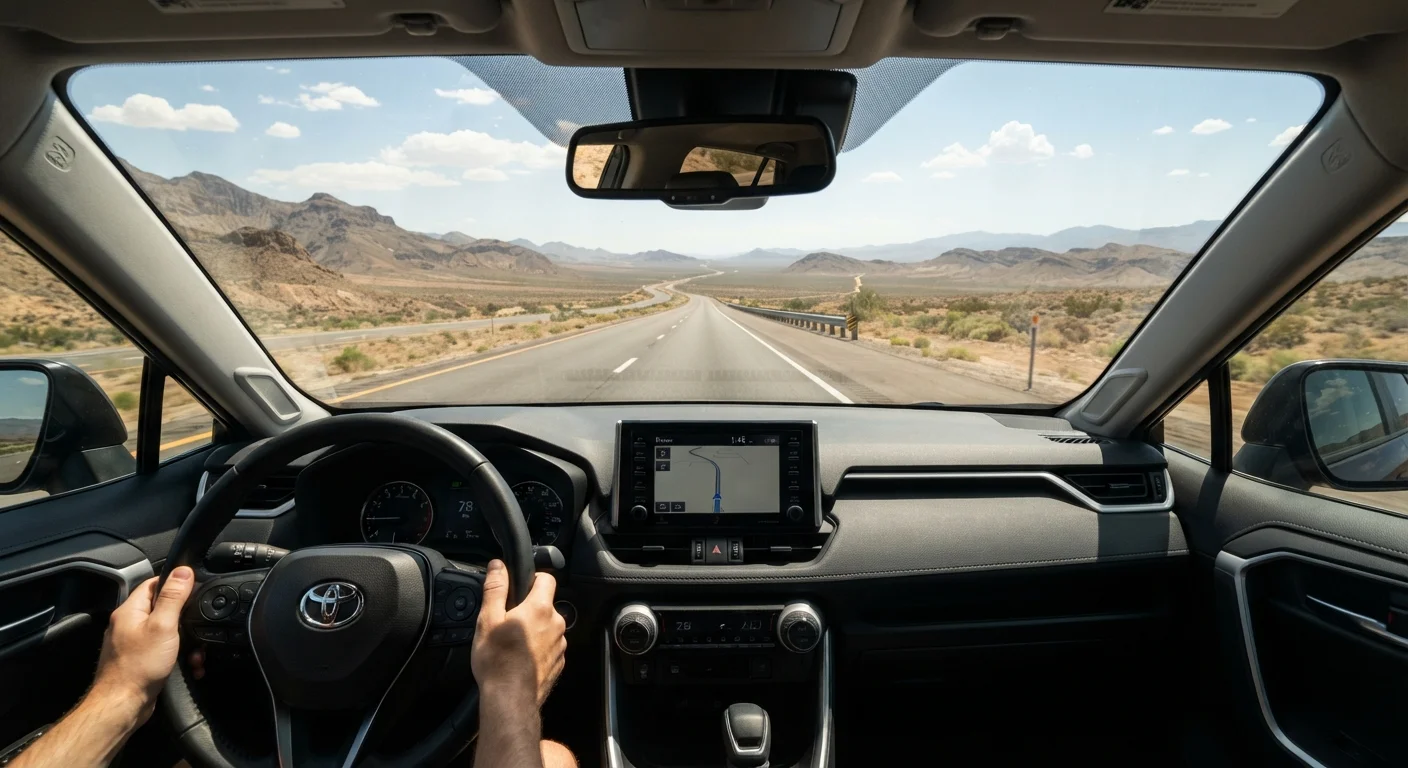
Most drivers fixate on the bumper in front of them. Experienced drivers look 12 to 15 seconds down the road - roughly a quarter mile at highway speeds. This expanded horizon gives you time to process lane shifts, slowing vehicles, or merging traffic before you're forced into a reactive maneuver. In urban driving, 12 seconds is roughly half a city block. Practice by deliberately picking a landmark far ahead and tracking conditions back toward your vehicle.
Looking further ahead is the single fastest way to reduce reactive, last-second driving.
Scan Mirrors on a Regular Cycle
Your mirrors aren't just tools for reversing - they're a constant feed of what's building around you. A structured scan every five to eight seconds (center mirror, left, right, then back ahead) keeps your mental picture of traffic current. When you know a vehicle is pacing you in your blind spot or a motorcycle is closing fast from behind, you make lane decisions with real information instead of assumptions.
A five-to-eight-second mirror cycle keeps your mental map of surrounding traffic accurate and current.
Read Brake Lights Two or Three Cars Ahead
The car immediately in front of you is already reacting by the time you see its brake lights. Focus on the second and third vehicles ahead in your lane and adjacent lanes. A ripple of brake lights two cars forward gives you an extra second or more of processing time. In stop-and-go traffic, this habit alone can dramatically smooth your driving rhythm and reduce unnecessary hard stops.
Brake lights two cars ahead give you twice the warning that the car in front ever can.
Watch Wheel Angle and Steering Inputs
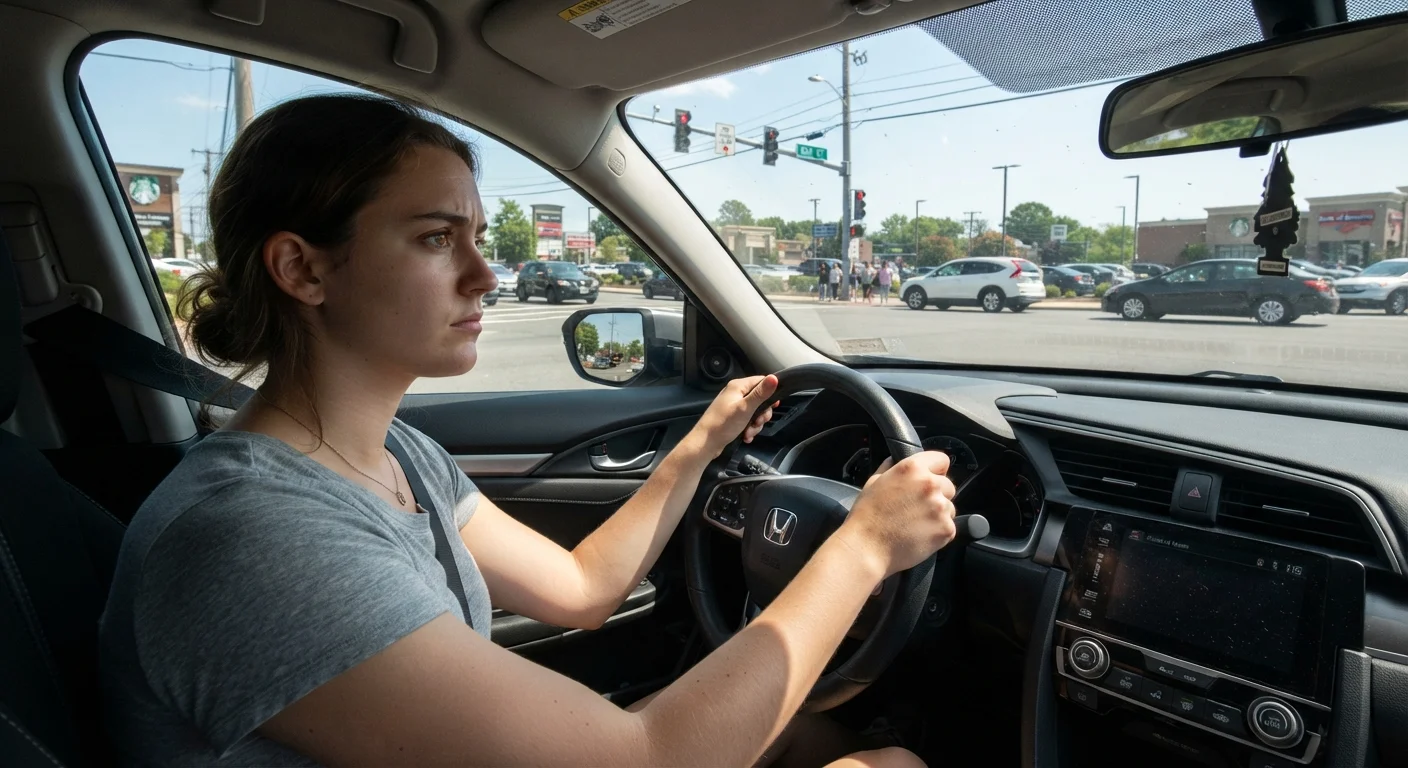
A vehicle's front wheels telegraph intent before the driver signals or accelerates. A car with its wheels turned sharply at an intersection is about to pull out. A truck drifting slightly across the lane line may have an inattentive driver. Watching wheel angle - especially at intersections, parking lot exits, and on-ramps - is a low-effort cue that consistently reveals what's about to happen.
Wheels turned at a stop sign tell you the car is about to move - even before the driver signals.
Identify Escape Routes Before You Need Them
Situational awareness isn't only about predicting hazards - it's about knowing where you can go if things go wrong. At any given moment, identify at least one escape path: the shoulder, a gap in an adjacent lane, or a turn-off. This habit prevents the freeze response that causes drivers to hit whatever is in front of them simply because they hadn't considered an alternative in advance.
Always know where you can go - an escape route identified early is a collision avoided.
Use Following Distance as a Time Buffer, Not a Space Courtesy
The standard three-second following distance rule is a minimum, not a target. Think of following distance as purchased reaction time. In poor weather, low visibility, or heavy truck traffic, extending to four or five seconds gives your scanning habits room to actually work. A compressed following distance collapses your response window to near zero, making every other awareness skill irrelevant.
Following distance isn't about courtesy - it's the reaction time buffer your awareness skills actually need.
Interpret Driver Behavior, Not Just Vehicle Position
Vehicles don't make decisions - drivers do. A car weaving slightly between lane markings may signal a distracted or fatigued driver. A vehicle hovering at the edge of a merge zone without committing suggests an unsure driver likely to brake suddenly. Learning to read behavioral cues - hesitation, erratic speed, excessive mirror-checking - gives you advance warning that vehicle positioning alone cannot provide.
Erratic speed and lane drift are behavioral red flags worth noting and giving extra space.
Awareness Degrades With Fatigue and Distraction
Even experienced drivers lose situational awareness when tired or cognitively overloaded. Research consistently links both fatigue and phone use to scanning failures - not just reaction delays. No scanning technique compensates for a driver whose attention is elsewhere. Staying alert is a prerequisite for every habit on this list.
Making These Habits Stick
Situational awareness isn't a fixed trait - it degrades when you're tired, distracted, or complacent. For long drives, the fatigue management strategies you use matter as much as your scanning technique. And if you're a newer driver still ingraining these patterns, understanding the common first-year errors can help you self-audit before habits harden.
Start every drive with a clean baseline: mirrors set, a quick pre-trip check complete, phone out of hand. From there, the scanning habits above are simply a discipline you repeat. The goal isn't to be anxious behind the wheel - it's to be calm because you've already seen what's coming.