The Three Types of Driving Distraction
Traffic safety researchers categorize distraction into three distinct types, and understanding them is the foundation for assessing real risk:
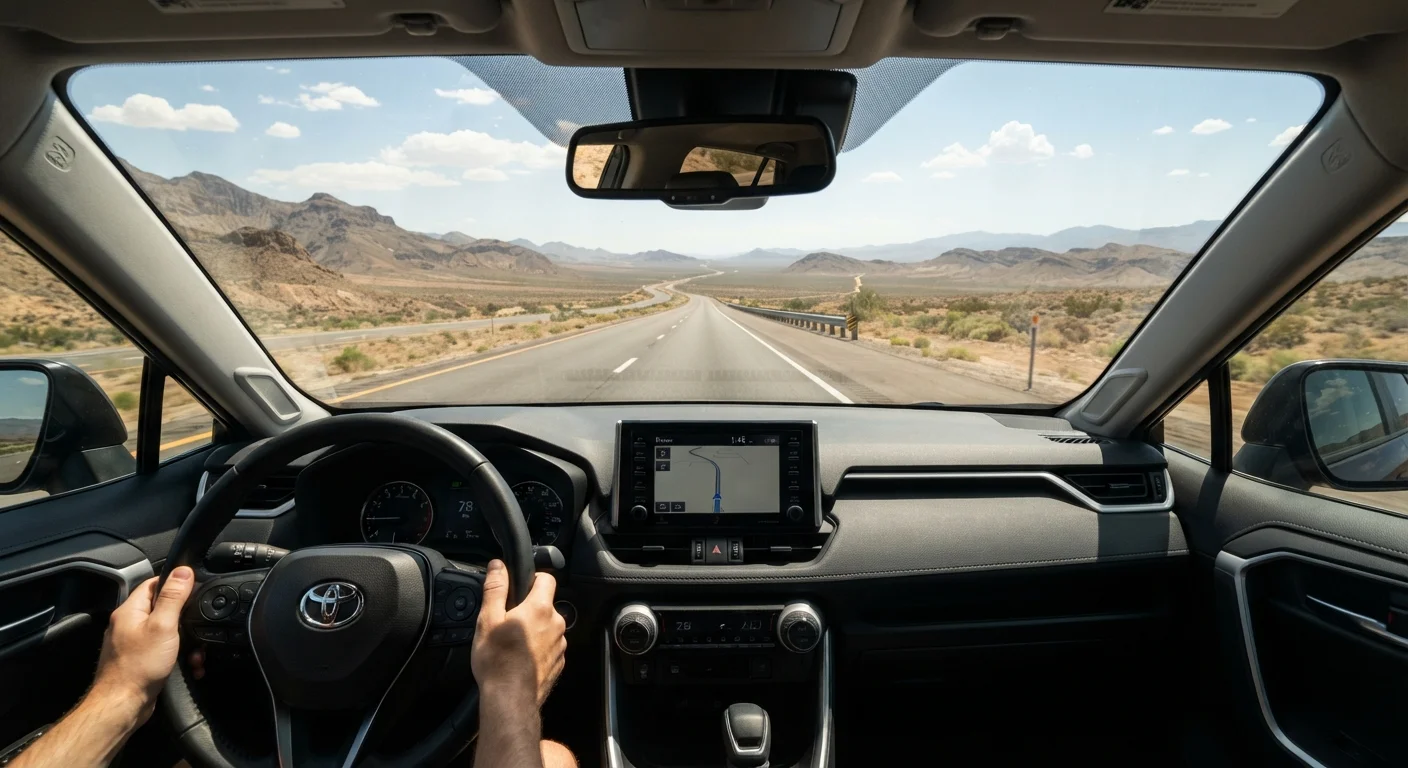
- Visual distraction - eyes move away from the road (glancing at a screen, checking a mirror excessively, looking at passengers).
- Manual distraction - one or both hands leave the wheel (eating, adjusting controls, reaching into the back seat).
- Cognitive distraction - mental attention shifts away from driving, even when eyes are forward (deep conversation, daydreaming, emotional stress).
The most hazardous behaviors are those that combine all three categories at once. At 60 mph, a vehicle travels roughly 88 feet per second. A five-second visual diversion means covering nearly the length of a football field while the driver's brain is not fully processing the scene ahead.
One Habit, Immediate Impact
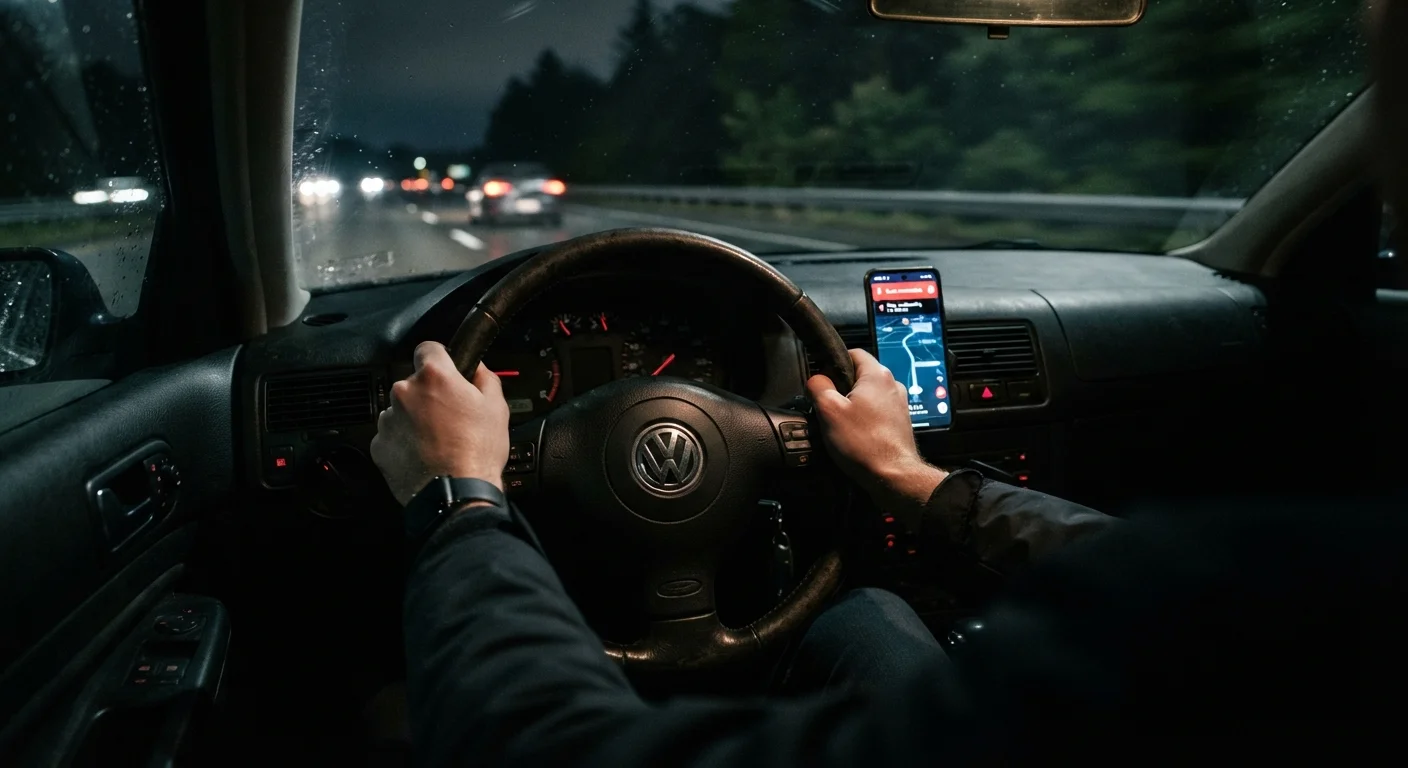
Enabling your phone's driving mode before every trip is one of the simplest, highest-impact changes any driver can make. Most smartphones auto-suppress notifications when motion is detected and can send an auto-reply to incoming texts. Check your device settings - the feature is usually one tap away. Setting this habit once means it runs automatically every time you're on the road.
Ranking Common Distractions by Risk Level
Not all in-car behaviors carry equal danger. Here is how common habits stack up across distraction types:
| Behavior | Visual | Manual | Cognitive | Overall Risk | |
|---|---|---|---|---|---|
| Texting / reading messages | Yes | Yes | Yes | Very High | |
| Handheld phone call | Partial | Yes | Yes | High | |
| Hands-free phone call | No | No | Yes | Moderate-High | |
| Eating or drinking | Partial | Yes | Partial | Moderate | |
| Adjusting in-dash controls | Yes | Yes | Partial | Moderate | |
| Talking to a passenger | No | No | Yes | Low-Moderate | |
| Daydreaming / mind-wandering | No | No | Yes | Moderate |
Texting and app use sit at the top of the risk hierarchy because they engage every distraction category simultaneously. Eating or drinking while driving is often underestimated - it demands both manual attention and periodic visual glances away from traffic. Talking to passengers, by contrast, is primarily cognitive, but passengers can also modulate conversation when road conditions change - something a phone caller cannot do.
Research published by the National Highway Traffic Safety Administration (NHTSA) consistently identifies phone-related distraction as a leading contributing factor in crashes and near-crashes. For context on how similar impairment patterns emerge from fatigue, see the science behind drowsy driving.
Hands-Free Is Not Risk-Free
A widespread assumption is that switching to a hands-free setup eliminates the danger of phone use while driving. It reduces manual and visual distraction - but it does not remove cognitive load. Studies by the AAA Foundation for Traffic Safety found that voice-based tasks can leave drivers in a state of "inattention blindness" for several seconds after completing the interaction, meaning eyes forward does not guarantee the brain is processing what the eyes see.
This matters for how drivers configure their in-car technology. Brief, rehearsed voice commands (e.g., "call home") carry less cognitive cost than composing messages by voice or engaging with complex audio menus. Setting navigation before departure eliminates one of the most common mid-trip distractions entirely.
Voice Commands Still Demand Attention
Completing a voice-activated task can leave cognitive attention depleted for several seconds afterward - a window during which drivers may fail to notice brake lights, pedestrians, or lane changes. If a voice interaction becomes complex or requires multiple prompts, the safest choice is to pull over safely and complete it while stationary. No call or message is worth the elevated crash risk.
Drivers who share long highway stretches with chronic distraction risk should also review strategies covered in managing alertness on long-distance trips.
Building Habits That Reduce Distraction at the Source
The most reliable approach is removing the trigger before the trip begins. A consistent pre-drive routine is low-effort and high-impact:
- Place the phone in Do Not Disturb mode or use a dedicated driving mode that silences non-emergency notifications.
- Set your navigation destination, volume, and climate controls before engaging Drive.
- Secure loose items, arrange any food or drinks, and adjust mirrors before moving.
- Inform passengers - particularly children - of your focus expectations before setting off.
On routes where distraction compounds other hazards, such as reduced visibility after dark, these habits carry additional weight. Our guide to safer night driving covers how distraction interacts with reduced visual conditions. Similarly, understanding how driving behavior affects more than safety - including how habits accelerate vehicle wear - reinforces the value of building consistent, deliberate routines behind the wheel.
This article provides general educational information about driving safety. It is not a substitute for formal driver training or legal advice. Always follow applicable traffic laws and consult qualified road safety resources for guidance specific to your situation.