
Understanding What Each Approach Actually Costs
The sticker price of a car is rarely the whole story. Whether you finance or pay cash, the full financial picture extends well beyond the number on the window. See our breakdown of true vehicle ownership costs for a broader view of what you'll actually spend each year.
With an auto loan, the lender charges interest - expressed as an Annual Percentage Rate (APR) - on the amount borrowed. On a $30,000 loan at 7% APR over 60 months, you'd pay roughly $5,600 in interest over the life of the loan. That's money that delivers no additional value; it's the pure cost of borrowing. Loan terms, your credit score, down payment size, and market conditions all influence your rate significantly.
Paying cash means you pay the agreed purchase price and nothing more in financing costs. But that lump sum represents an opportunity cost - money sitting in a vehicle rather than potentially earning returns in a savings account, investment, or used to pay down higher-interest debt. Neither path is cost-free; the costs just take different forms.
| Criterion | Auto Loan Financing | Paying Cash |
|---|---|---|
| Upfront cost | Low (down payment only) | High (full purchase price) |
| Total cost over time | Higher (interest added) | Lower (no interest) |
| Monthly obligation | Fixed loan payment | None |
| Liquidity impact | Savings largely preserved | Savings significantly reduced |
| Credit score effect | Positive if paid on time | No direct impact |
| Ownership simplicity | Lien until loan is paid off | Clear title immediately |
| Negotiating position | Standard | Potentially stronger |
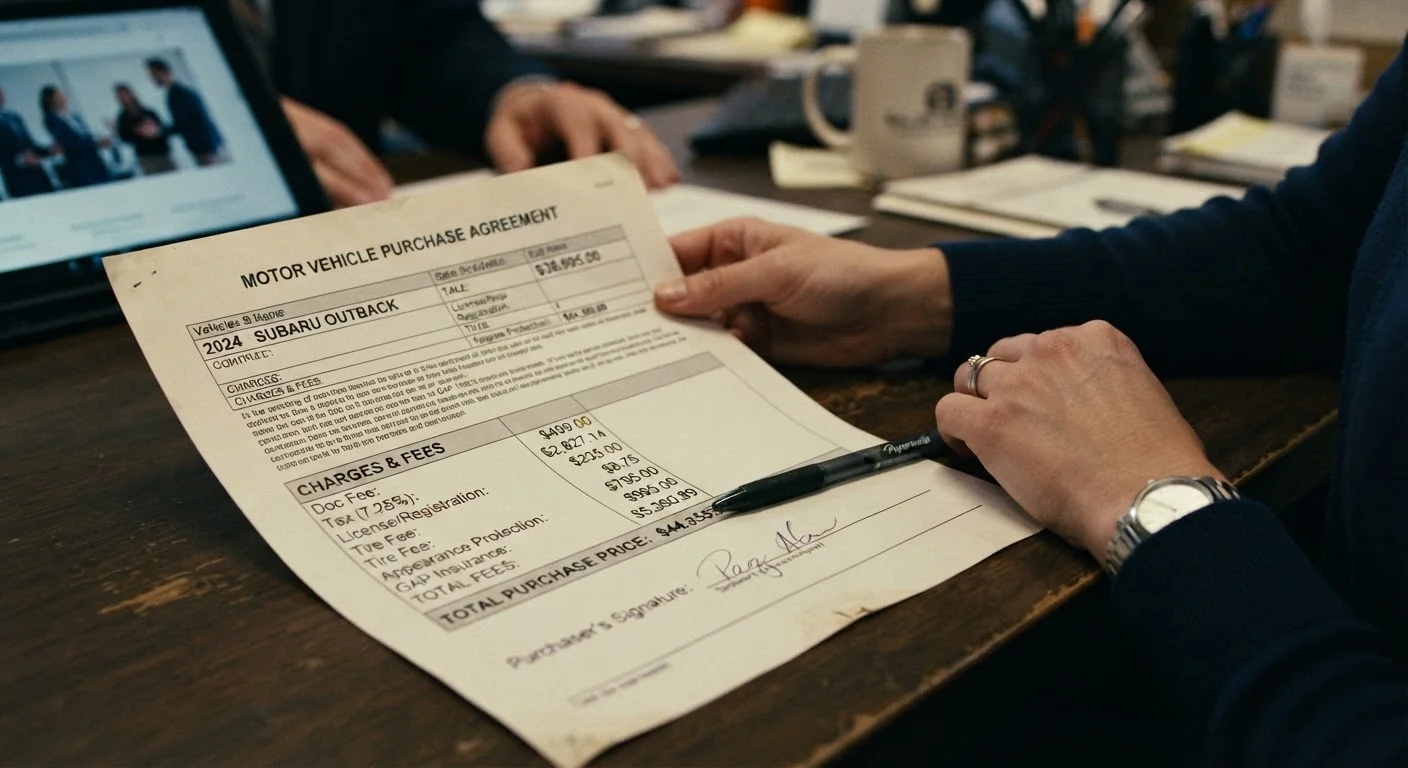
It's also worth being aware of hidden fees that can inflate your purchase price, regardless of how you pay.
Liquidity, Risk, and What Happens to Your Savings
One of the strongest arguments for financing is liquidity preservation. Liquidity refers to how easily you can access cash when you need it. Spending $25,000 outright on a vehicle means that money is locked into a depreciating asset - you can't easily access it in an emergency without selling the car.
~$700
Average monthly new car payment in the US
According to Experian's State of the Automotive Finance Market report, average monthly new vehicle payments have risen substantially in recent years.
85%+
New vehicles purchased with financing
Experian data consistently shows that the large majority of new car buyers in the US use some form of financing rather than paying outright.
7-10%
Typical new-car loan APR range
Average auto loan rates fluctuate with Federal Reserve policy; rates vary significantly based on credit score, loan term, and lender.
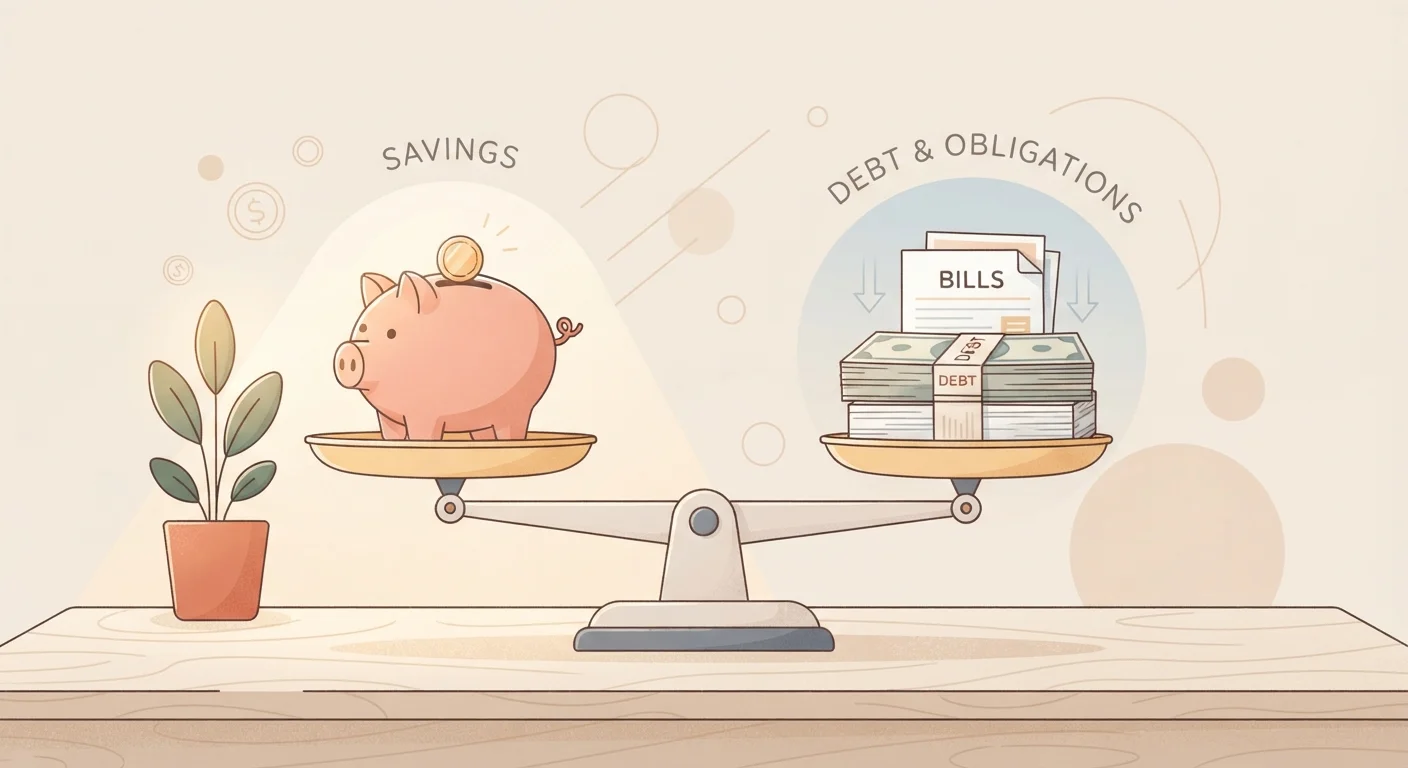
Financial advisors generally recommend maintaining three to six months of living expenses in an accessible emergency fund. If buying a car in cash would reduce that buffer significantly, financing may be the more prudent choice, even if it costs more in interest. The question to ask honestly: if an unexpected expense arrived the month after your cash purchase, how would you handle it? The relationship between savings, debt, and emergency reserves is worth exploring through our guide on balancing emergency funds and debt payoff.
Financing, however, introduces its own risks. Monthly payments are a fixed obligation. If your income drops or unexpected costs arise - such as those associated with owning an older, high-mileage vehicle - a loan payment still comes due. Missing payments damages your credit and can lead to repossession.
Opportunity Cost: The Invisible Factor
When you pay cash for a car, the money you spend is no longer available to work for you elsewhere. If that $25,000 could otherwise earn returns in a diversified investment account, the effective cost of paying cash includes those foregone gains. This is called opportunity cost. However, investment returns are never guaranteed, so this argument for financing only holds if you genuinely invest the difference - and accept the associated risk.
Credit, Negotiating Power, and Practical Considerations
Paying cash can strengthen your negotiating position at a dealership. Without a lender in the picture, the transaction is simpler - and some sellers may be more flexible on price. That said, dealerships also profit from financing arrangements, so in some cases a cash offer receives less enthusiasm than buyers expect. Don't assume cash automatically means a lower price; negotiate on the vehicle price itself, separately from how you plan to pay.
From a credit perspective, a responsibly managed auto loan - with on-time payments and a reasonable balance - can positively affect your credit score. It adds an installment loan to your credit mix and demonstrates repayment reliability. A cash purchase, by contrast, contributes nothing to your credit profile. If you're building credit, this distinction matters. Before committing to a loan, consult our pre-application checklist for personal loans to make sure you've reviewed all the relevant factors.
Finally, consider your exit strategy. When it's time to sell, a fully owned vehicle is simpler to transfer. A financed vehicle has a lien from the lender, which must be cleared before title can transfer to a buyer. For more on the selling process, our comparison of private sale versus trade-in covers what changes and what doesn't.
This article provides general financial information for educational purposes only and does not constitute personalised financial advice. Consult a qualified financial professional before making decisions based on your individual circumstances.