Why the South Deserves a Second Look
The American South gets a lot of advance press - some flattering, some not - but much of what first-time visitors think they know turns out to be incomplete or flat-out wrong. Assumptions formed from pop culture, news headlines, or secondhand accounts can cause travelers to either avoid the region entirely or arrive unprepared for its genuine complexity.
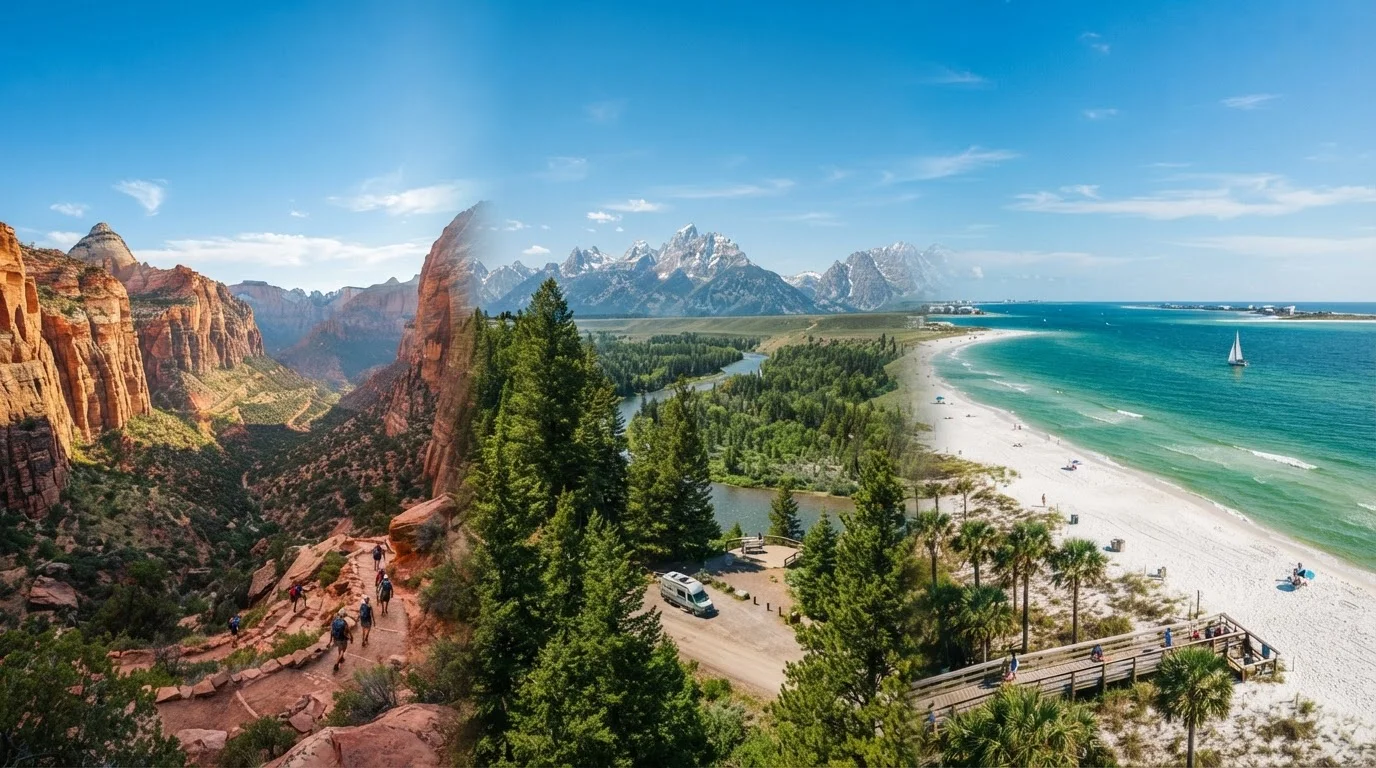
The South rewards curiosity. From the Appalachian highlands of western North Carolina to the bayous of Louisiana, from the Atlantic barrier islands of South Carolina to the Gulf Coast of Mississippi, this region is one of the most geographically and culturally diverse stretches of the United States. Arriving with open expectations - and a few myths corrected - makes all the difference.
If you're newer to planning domestic trips like this, it's worth checking out our guide on common travel planning myths before you book.
Myth
The South is one uniform region with a single culture and landscape.
Fact
The South spans more than a dozen states with radically different geographies, histories, and cultural identities.
Appalachian mountain towns, Gulf Coast beach communities, Mississippi Delta flatlands, and Lowcountry coastal marshes are all part of the same broad region - and they feel nothing alike. Cities like Atlanta, Charlotte, and Nashville are major metropolitan hubs with diverse, internationally connected populations. Travelers who treat the South as a single, homogeneous place will miss most of what makes it interesting.
Myth
Southern food is just fried chicken, biscuits, and sweet tea.
Fact
Southern culinary traditions are extraordinarily diverse, shaped by West African, Indigenous, French, Spanish, and Caribbean influences.
Gullah Geechee cuisine in the Sea Islands centers on rice, okra, and shellfish. New Orleans has a distinct Creole and Cajun culinary tradition with little parallel elsewhere in the US. The Texas Hill Country's German immigrant heritage shaped its barbecue and sausage culture. Appalachian foodways draw on foraged ingredients and preservation traditions. Lumping all of this under one label undersells each tradition significantly.
Myth
Southern cities are slow-paced, small, and relatively undeveloped.
Fact
Several Southern cities rank among the fastest-growing and most economically dynamic metros in the entire country.
Atlanta is home to the world's busiest airport and dozens of Fortune 500 companies. Nashville has seen explosive population growth and a booming healthcare and tech sector. Charlotte is a major US banking center. Miami, while sometimes considered its own category, sits at the southeastern tip of the region. First-timers expecting a sleepy pace may be surprised by gridlock, high-rise skylines, and world-class restaurant scenes.
Myth
It's safe to visit the South at any time of year without weather preparation.
Fact
The South experiences extreme heat, humidity, flooding, tornadoes, and hurricane risk depending on season and subregion.
Summer heat indices in states like Georgia, Alabama, and Mississippi regularly exceed 100°F. Coastal areas from the Gulf Coast to the Carolinas fall within the Atlantic hurricane belt. The interior South sees tornado activity, particularly in spring. These are manageable conditions for prepared travelers, but visitors who arrive expecting mild weather year-round may find themselves caught off guard. Always check official weather and emergency management sources before and during travel.
Myth
The South has little history worth exploring outside of Civil War battlefields.
Fact
The region holds some of the most significant and layered history in the United States, including Indigenous heritage, the Civil Rights Movement, and African American cultural contributions.
The Civil Rights trail stretches from Montgomery, Alabama, to Memphis, Tennessee, and beyond - with museums, churches, and landmarks that document a transformative chapter in American history. Indigenous history is visible throughout the region, from Cherokee cultural sites in North Carolina to Choctaw heritage in Mississippi. New Orleans' African diaspora contributions to music, food, and language are globally recognized. This is history that rewards slow, attentive travel.
What to Actually Expect When You Arrive
Beyond correcting misconceptions, a few practical realities will shape your experience on the ground.
9 of 15
Fastest-growing US metros located in the South
According to US Census Bureau population estimates, Southern metros have consistently led national growth rankings in recent years.
~100°F+
Typical summer heat index in the Deep South
NOAA data regularly records heat index values exceeding 100°F across Alabama, Mississippi, and Louisiana from June through August.
Weather is the big variable. Summer heat and humidity across most of the South are not to be underestimated - temperatures routinely exceed 90°F with high humidity from June through September. Spring and fall tend to offer the most comfortable conditions for outdoor exploration. Coastal and low-lying areas may also be subject to tropical weather during hurricane season (June through November), so checking forecasts and official advisories close to your travel date is essential. Our article on what to verify before exploring a new US region covers this kind of pre-trip research in detail.
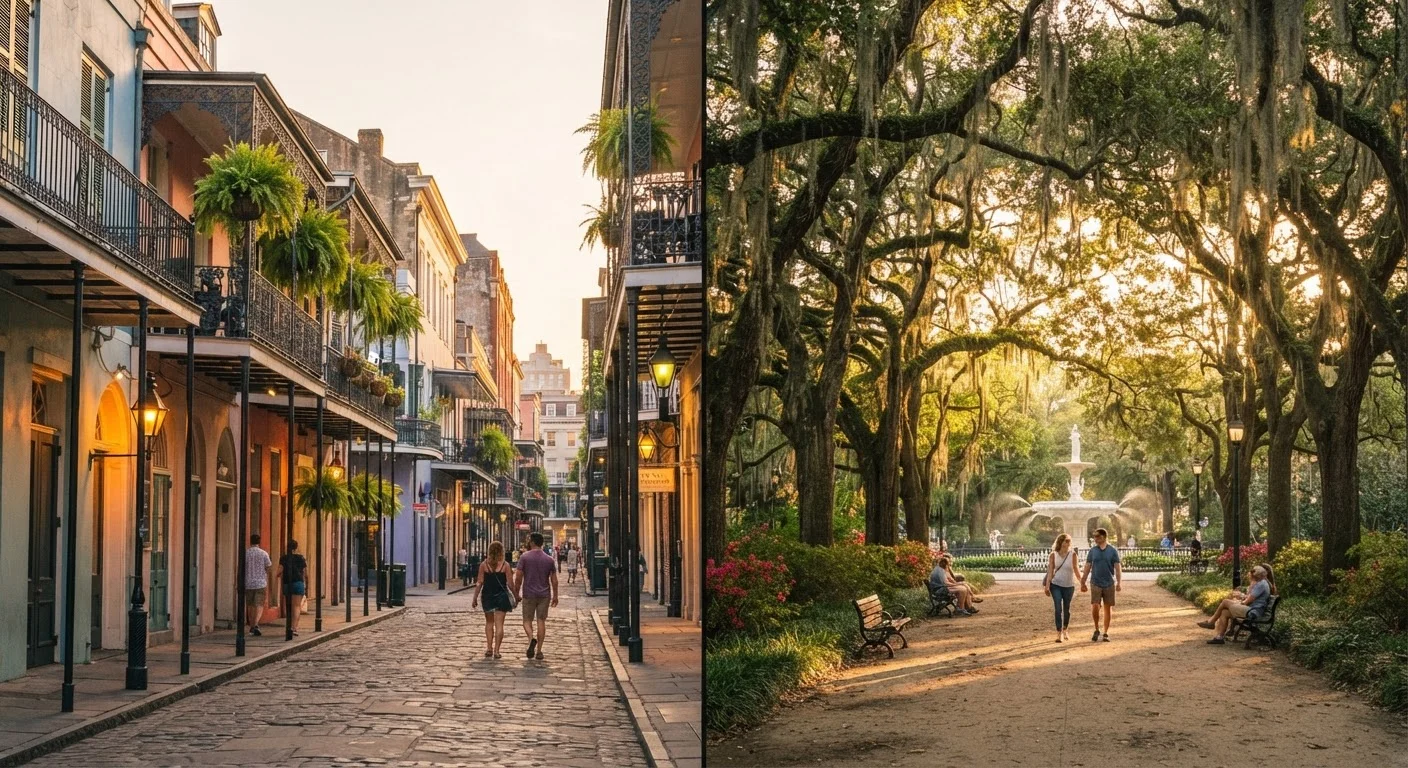
Food requires an open mind and some navigation. Cuisines vary enormously - Lowcountry cooking in coastal South Carolina centers on rice and shellfish, while Memphis is synonymous with slow-smoked ribs, and New Orleans draws on French, African, and Caribbean influences. Don't assume one experience represents the whole. For a taste of how dramatically even two Southern cities can differ, see our comparison of New Orleans and Savannah.
The South also contains some lesser-explored destinations well worth adding to your itinerary. Towns along the Appalachian rivers, the Mississippi Delta, and the Gulf Islands can offer remarkable experiences with far fewer crowds - see our rundown of lesser-known US destinations for inspiration.
Verify Entry and Safety Conditions Before You Go
Conditions at specific parks, historic sites, or natural areas in the South can change due to seasonal flooding, storm damage, or temporary closures. Always check official National Park Service, state park, and local tourism authority websites before visiting. For coastal travel during hurricane season, monitor NOAA and your state emergency management agency's current advisories.