What Problem Do Sinking Funds Actually Solve?
Most budgets are built around monthly expenses: rent, groceries, utilities, subscriptions. That system works fine - until a bill arrives that doesn't fit the monthly mold. Your car registration, a dentist visit, holiday gifts, annual insurance renewal. These costs aren't surprise emergencies; you knew they were coming. But without a plan, they still blow up your budget.
This is the problem sinking funds solve. They take irregular but foreseeable expenses and convert them into small, consistent monthly contributions you can fold into your regular budget. The result: when the bill arrives, the money is already sitting there waiting.
That's the core distinction worth holding on to. A sinking fund is not for the unknown - that's what an emergency fund is for. A sinking fund is for the known but infrequent. It's financial preparation, not financial protection.
Sinking Funds vs. Emergency Funds: They're Not Interchangeable
It can be tempting to lump sinking fund money into your emergency fund - but doing so undermines both purposes. Your emergency fund should remain untouched for genuine crises. Sinking funds are meant to be spent, deliberately, on planned future costs. Keeping them separate maintains clarity and protects your safety net.
How to Set Up and Calculate a Sinking Fund
The math is straightforward. Identify the expense, estimate its total cost, determine when you'll need the money, and divide the total by the number of months remaining.
For example: if your car typically needs about $600 in annual maintenance, divide $600 by 12 months - that's $50 per month set aside. When the repair bill comes, you pay it without stress and without debt.
Follow these steps to get started:
- List your irregular expenses. Think annually: insurance premiums, holiday spending, vehicle registration, subscriptions that auto-renew, back-to-school costs.
- Estimate each cost. Use last year's actual bills as your baseline. Round up slightly to create a small buffer.
- Set a timeline. Note the month each expense is due and count back to today.
- Calculate your monthly contribution. Divide total cost by months remaining.
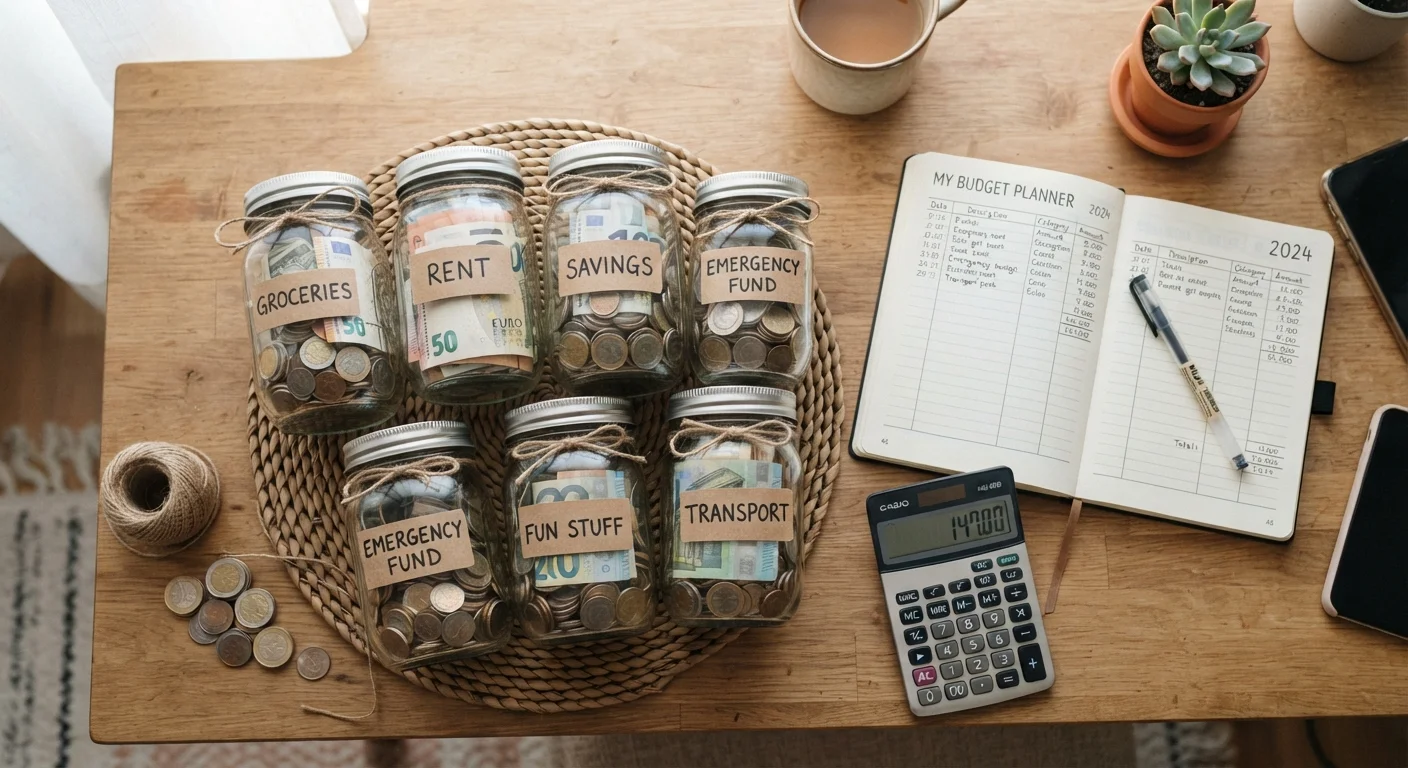
- Open or label a savings bucket. Use a separate account or a clearly labeled sub-account if your bank allows it.
- Automate the transfer. Schedule it to coincide with your paycheck. Automating your savings removes the need for willpower and keeps contributions consistent.
Start With Just One or Two Funds
If the concept feels overwhelming, pick the one or two expenses that have blindsided you most in the past year and build funds for those first. Once the habit feels natural, expand to other categories. Small, sustained action beats a perfect plan you never start.
Which Expenses Work Best as Sinking Funds?
Sinking funds work best for expenses that meet two criteria: they're predictable in nature (even if variable in exact amount), and they occur less frequently than monthly. Common candidates include:
- Vehicle costs: registration, tires, oil changes, unexpected-but-regular maintenance
- Home upkeep: HVAC servicing, appliance replacement reserves, pest control
- Medical and dental: planned procedures, annual deductibles, eyeglasses
- Seasonal spending: holiday gifts, summer travel, back-to-school supplies
- Annual subscriptions: software, memberships, professional dues
- Pet care: vet visits, grooming, annual vaccinations
If you're working to reduce debt while building savings, sinking funds can play a strategic role. They prevent you from being forced back onto a credit card when a predictable expense lands. For a broader look at how saving and debt reduction interact, see our guide on emergency funds vs. paying off debt.
~$400
Expense many Americans can't cover in cash
Federal Reserve surveys have found that a significant share of U.S. adults would struggle to cover an unexpected $400 expense without borrowing or selling something.
$1,000+
Average annual vehicle maintenance cost
Industry estimates suggest U.S. drivers typically spend over $1,000 per year on vehicle upkeep, making it one of the most impactful categories for a dedicated sinking fund.
34%
Adults who carry credit card debt month to month
According to Federal Reserve data, roughly a third of U.S. adults carry a balance on their credit cards, often triggered by irregular but foreseeable expenses that weren't budgeted for.
Fitting Sinking Funds Into Your Broader Budget
Sinking fund contributions are a budget line item - treat them no differently than your rent or phone bill. Once you've calculated your monthly contributions across all active funds, add that total to your fixed monthly expenses. Whatever's left is available for variable spending.
If money feels tight, prioritize funds for expenses with hard deadlines or significant financial consequences if missed. A vehicle registration fund takes priority over a vacation fund. Start small if needed - even $15 or $20 per month toward a future expense beats nothing.
Those on irregular or freelance income can scale contributions proportionally. In higher-earning months, contribute more; in leaner months, contribute what you can. Saving on a variable income explores strategies tailored to this situation.
Over time, a set of well-funded sinking funds fundamentally changes how you experience money. Bills that once felt like ambushes become expected line items you've already handled. That shift - from reactive to proactive - is the real payoff. For a complete picture of how sinking funds fit within a broader savings and debt strategy, see the comprehensive overview of saving and debt management.
This article is for general informational and educational purposes only and does not constitute personalized financial advice. Consult a qualified financial professional for guidance tailored to your individual circumstances.