
What an Emergency Fund Actually Is - and Isn't
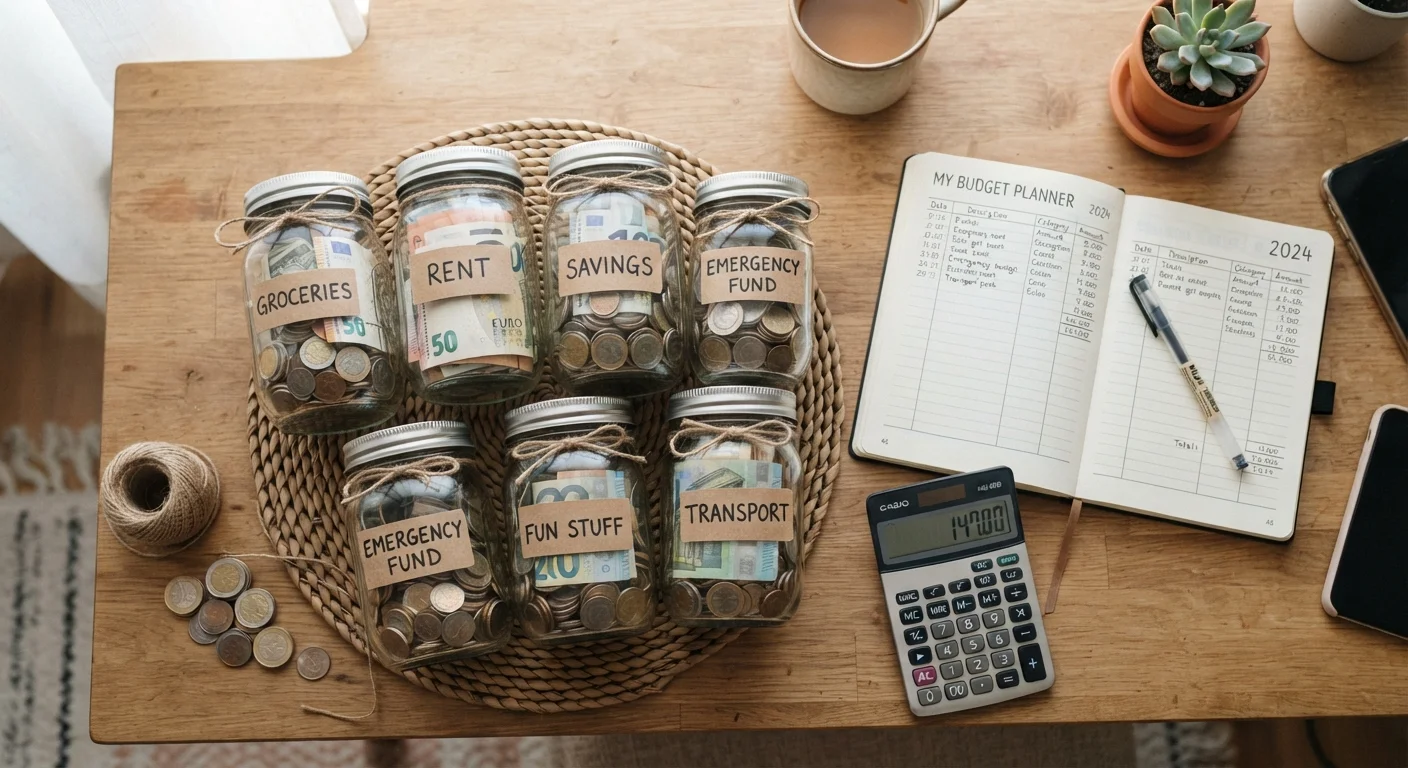
An emergency fund is not a general savings account you dip into for irregular but predictable costs. Those belong in a different bucket - often called a sinking fund - where you set aside money gradually for known upcoming expenses like car registration, annual insurance premiums, or holiday gifts.
An emergency fund is strictly for events that are unplanned and financially disruptive: involuntary job loss, an urgent medical procedure not covered by insurance, a major appliance failure, or emergency travel to care for a family member. The defining test is simple - if you could have reasonably anticipated and budgeted for it in advance, it's probably not an emergency.
Keeping this definition strict matters. Funds that get raided for non-emergencies aren't available when a real crisis hits, which is exactly when the temptation to carry high-interest credit card debt becomes hardest to resist.
Emergency Fund vs. Sinking Fund: Know the Difference
A sinking fund is for predictable future expenses you're saving toward in advance - annual car maintenance, a planned home repair, or holiday spending. An emergency fund is reserved for the unexpected. Mixing the two goals in one account creates confusion and leaves you underprepared for genuine crises. For more on budgeting vocabulary, see our budgeting terms reference.
How Much Is Enough? Understanding the Range
The classic rule of thumb - three to six months of essential expenses - has been standard guidance for decades, and it holds up well as a starting framework. But the right number for you sits within that range (or beyond it) based on several real factors.
~37%
Americans who cannot cover a $400 emergency with cash
According to the Federal Reserve's Report on the Economic Well-Being of U.S. Households, a substantial share of Americans would need to borrow or sell something to cover a modest unexpected expense.
3-6 months
Standard emergency fund target in months of expenses
This range is cited by major consumer financial guidance bodies including the Consumer Financial Protection Bureau as a reasonable baseline for most households.
~22 weeks
Average duration of unemployment in the U.S.
Bureau of Labor Statistics data consistently shows that job searches frequently extend beyond the one-to-two-month range many people assume, reinforcing the value of a larger fund.
Factors That Push Your Target Higher
- Single income: If only one person earns in your household, losing that income is catastrophic. Aim closer to six months or more.
- Variable or freelance income: Irregular earnings mean you may need to cover multiple lean months in a row. Many self-employed people target eight to twelve months.
- Dependents: Children, aging parents, or anyone who relies on your financial support raises the stakes of any income disruption.
- Industry volatility: Working in a sector prone to layoffs or economic swings means longer average job searches when things go wrong.
Factors That Allow a Smaller Cushion
- Dual income, stable jobs: If two earners both have secure employment, the risk of simultaneous job loss is lower.
- Strong employer benefits: Robust disability coverage or severance agreements reduce how much you'd need to float on savings alone.
- Low fixed monthly obligations: Smaller rent or mortgage, fewer recurring bills, and no dependents mean each month costs less to cover.
To calculate your personal target, add up only your essential monthly expenses - housing, utilities, groceries, minimum debt payments, insurance, and transportation - then multiply by your target number of months. Discretionary spending doesn't count here; in a true emergency, you cut that first.
Where to Keep It - and How to Build It
The right home for an emergency fund is liquid and safe. A high-yield savings account at an FDIC-insured bank or credit union checks both boxes: your money is federally protected up to applicable limits and accessible within a business day or two. Some people use a money market account for similar reasons.
What to avoid: investing emergency funds in stocks or bond funds. Markets move down precisely when economic conditions worsen - the same conditions that might cost you a job. You don't want to sell investments at a loss to cover rent.
Building the fund gradually is the realistic path for most people. Automating a fixed transfer to your emergency fund on payday - even $25 or $50 at a time - removes the temptation to spend it first. This fits naturally into several budgeting methods, especially the pay-yourself-first approach, where savings come out before any discretionary spending is allocated.
If you're starting from zero, a useful milestone is a starter fund of $500 to $1,000. That level won't cover a job loss but will absorb a car repair or urgent medical co-pay without touching a credit card. Once that's in place, you can shift focus to hitting your full three-to-six-month target. Our guide to building your first emergency fund walks through the mechanics of getting there from scratch.
Keep Your Emergency Fund Separate
Storing your emergency fund in the same account as your everyday checking makes it too easy to spend. Open a dedicated savings account - ideally at a different institution - so access requires a deliberate transfer. That small friction can prevent impulsive withdrawals for non-emergencies.
This article is for general informational and educational purposes only and does not constitute personalized financial advice. Consult a qualified financial professional for guidance tailored to your circumstances.