
What Is an Emergency Fund and Why Does It Matter?
An emergency fund is a dedicated pool of savings set aside exclusively for unplanned financial shocks - things like a sudden job loss, an unexpected medical bill, or a car repair that can't wait. It is not a vacation fund, a holiday budget, or a general rainy-day account. It exists to absorb life's genuinely disruptive surprises without sending you into debt.
Without one, even a modest setback can trigger a cycle that's hard to escape: you charge the expense to a credit card, the balance grows, interest accumulates, and suddenly you're paying for last year's crisis while trying to manage today's. An emergency fund breaks that pattern before it starts.
If you're also working on a spending plan, our beginner's guide to building a first budget covers the foundational habits that make saving possible.
Emergency fund
A dedicated savings reserve used only for genuine, unplanned financial emergencies - not regular expenses or discretionary purchases.
Essential expenses
The core costs required to maintain basic living - housing, utilities, food, transportation, and minimum debt payments - distinct from discretionary or lifestyle spending.
FDIC insurance
Federal Deposit Insurance Corporation protection covers bank deposits up to $250,000 per depositor per institution, meaning your savings are protected if the bank fails.
High-yield savings account
A savings account that typically offers a higher interest rate than a standard bank savings account while keeping your money fully accessible and FDIC insured.
Liquidity
How quickly and easily an asset can be converted to cash without losing value. An emergency fund should be highly liquid - accessible within one to two business days.
How Much Should You Save?
The most widely cited guideline - from financial educators and non-profit counseling organizations - is three to six months of essential living expenses. That means housing, utilities, food, transportation, and any minimum debt payments. Not your full discretionary spending: your bare-bones survival budget.
For many people starting from zero, that target can feel paralyzing. A more practical approach is to set a two-stage goal:
- Stage 1 - Starter fund: $500 to $1,000. This handles the most common minor emergencies and stops you from reaching for a credit card.
- Stage 2 - Full cushion: Three to six months of essential expenses. Build this gradually after your starter fund is in place.
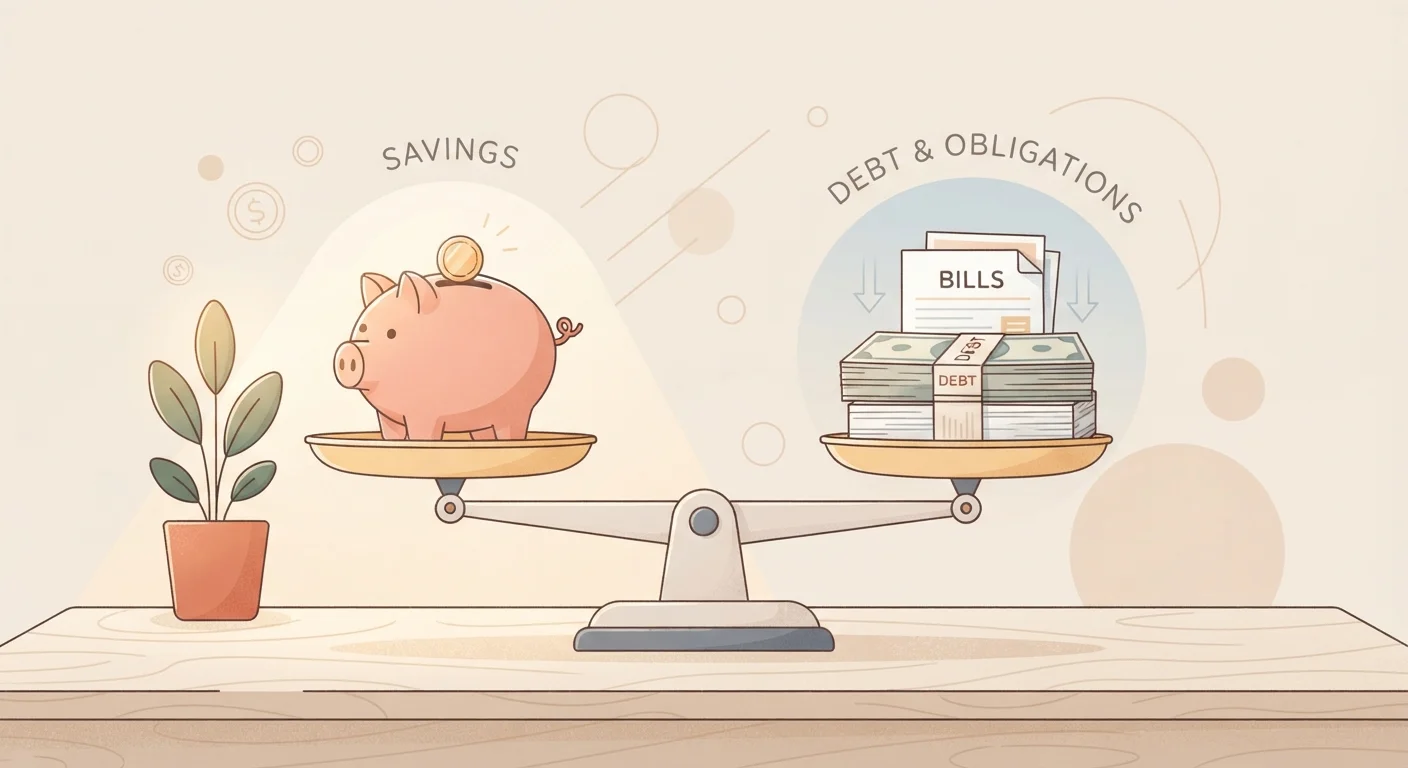
If you carry high-interest debt, you may be weighing whether to prioritize savings or debt repayment. That's a real trade-off worth thinking through carefully - our article on emergency fund versus paying off debt lays out both sides.
Finding Money to Save When Your Budget Is Tight
The most common obstacle isn't motivation - it's margin. When income barely covers expenses, finding extra dollars requires a deliberate audit of where money is currently going.
Start by listing every fixed and variable expense for the past 30 days. Look for three categories of opportunity:
- Recurring subscriptions you've forgotten about or underuse
- Variable spending categories - dining, entertainment, impulse purchases - where a modest reduction is feasible without feeling punishing
- Timing adjustments - shifting when you pay bills to avoid overdraft fees, or timing purchases to reduce short-term cash gaps
Even $25 or $50 a month is a legitimate starting point. The habit of saving matters more than the size of the initial contribution. For a structured approach to tracking and trimming spending, the Budgeting Basics hub offers a range of methods suited to different income levels and lifestyles.
Start With a Specific Dollar Target
Rather than aiming vaguely to 'save more,' commit to a concrete first milestone - say, $500 by a specific date. Calculate exactly how much per paycheck gets you there and set up the transfer immediately. Specificity dramatically improves follow-through.
Where to Keep Your Emergency Fund
Your emergency fund has two non-negotiable requirements: it must be safe from market loss, and it must be accessible quickly when you need it. That combination rules out most investment accounts.
Common options that meet both criteria include:
- High-yield savings accounts at FDIC-insured banks - typically offer better interest rates than traditional savings accounts while keeping funds fully liquid
- Credit union savings accounts - often carry competitive rates and are insured through the NCUA up to $250,000
- Money market accounts - similar protections, sometimes with check-writing access
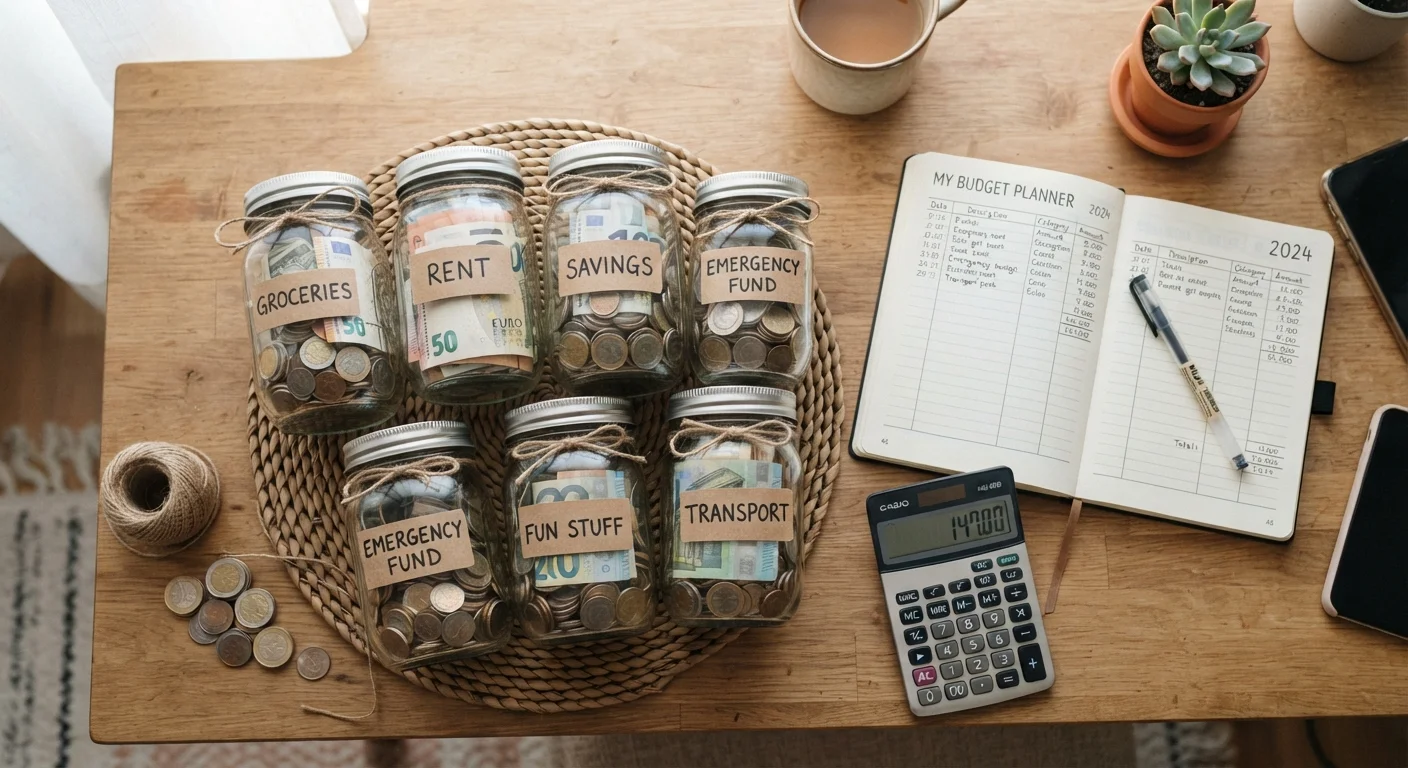
The key principle: keep it separate from your everyday checking account. The psychological and practical distance reduces the temptation to dip into it for non-emergencies. A distinct account - ideally at a different institution - creates helpful friction.
Note that sinking funds are a complementary tool for predictable future costs like car maintenance or annual insurance premiums - they work alongside your emergency fund, not as a replacement for it.
Automating and Protecting Your Fund
Automation is the most reliable way to build savings consistently. Set up a recurring transfer - even $25 or $50 - from your checking account to your emergency fund on the same day each pay period. This removes the decision from your weekly routine and treats saving as a fixed expense rather than a leftover.
Once your fund is built, protecting it requires clear rules about when it can be touched. A practical test: ask whether the expense is unexpected, necessary, and urgent. If the answer to all three is yes, it's likely a legitimate use. If it's planned, optional, or deferrable, use a different resource.
After a withdrawal, replenishment becomes the immediate priority. Treat rebuilding the fund the same way you built it: consistent, automated contributions until the balance is restored.
Don't Invest Your Emergency Fund
Placing your emergency fund in stocks, ETFs, or other market-linked accounts introduces the risk that its value drops sharply right when you need it most - during a job loss or economic downturn that may coincide with a market decline. Stability and accessibility must take priority over return for this particular pool of money.
This article is for general informational and educational purposes only and does not constitute personalized financial advice. Consult a qualified financial professional for guidance specific to your situation.