
Why Budgeting Myths Do Real Damage
Most people who don't have a budget aren't lazy or irresponsible - they've simply been put off by a set of persistent misconceptions. These myths make budgeting feel punishing, irrelevant, or impossibly complicated before anyone even tries. The result is that millions of Americans skip one of the most practical financial tools available to them.
Understanding what a budget actually is - and what it isn't - is often the first real step toward financial stability. As our plain-English breakdown explains, a budget is fundamentally a spending plan, not a punishment. Let's clear up the misconceptions that most commonly block people from getting started.
Myth
Budgeting means giving up everything I enjoy - coffee, dining out, hobbies - until I've saved enough.
Fact
A realistic budget includes spending on things you value. Deprivation-only plans tend to fail quickly.
This is probably the most common reason people avoid budgeting: the image of a joyless spreadsheet that says no to everything. But a budget is simply a plan for where your money goes - and that plan can absolutely include discretionary spending. Frameworks like the 50/30/20 rule formally set aside a share of income for wants. As this plain-English breakdown of the 50/30/20 rule explains, the goal is intentional balance, not permanent sacrifice. Budgets built entirely on restriction tend to collapse under normal life pressure.
Myth
I only need a budget if I'm in debt or struggling financially.
Fact
Budgeting is a planning tool, not a crisis response - it's equally useful at any income level.
Debt or financial stress can make budgeting feel urgent, but the tool is no less valuable for someone who's comfortable. Without a plan, even high earners can find that money disappears without building meaningful savings or achieving goals. A budget creates visibility: you can see where your money actually goes and direct it toward what matters - whether that's paying down debt early, building an emergency fund, or investing for the future. The Everyday Money Moves hub covers practical habits that apply regardless of income level.
Myth
My income is irregular, so there's no point trying to budget - the numbers change every month.
Fact
Irregular income requires more flexible budgeting techniques, but it doesn't make budgeting impossible or irrelevant.
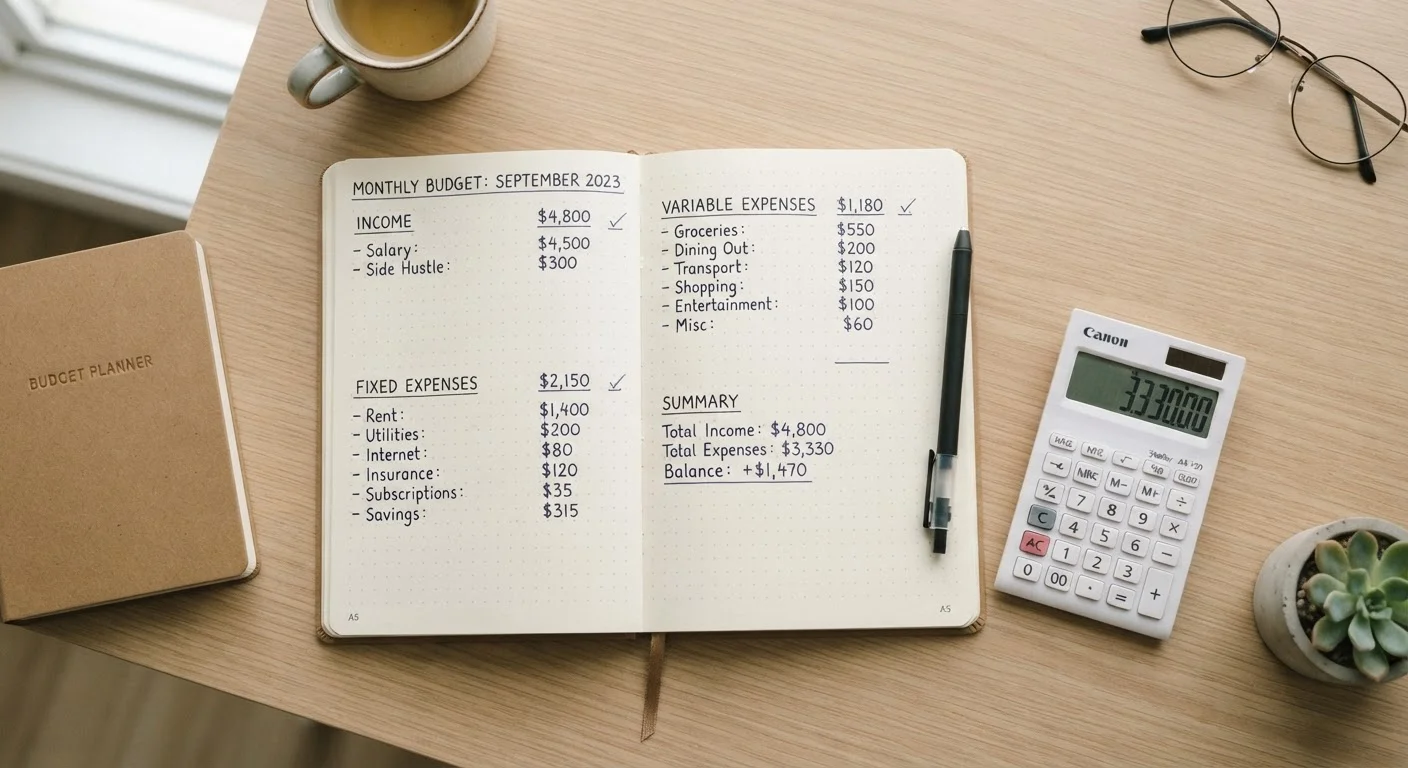
Freelancers, contractors, and gig workers face genuine variability, but variable income actually makes a budget more important - not less. One workable approach is to base your baseline budget on your lowest expected monthly income, then treat anything above that as a surplus to allocate deliberately. Understanding the difference between fixed and variable expenses is especially helpful here, since it lets you identify which costs are non-negotiable and which can flex when income dips.
Myth
Budgeting takes hours every week - I don't have time to track every single purchase.
Fact
Modern budgeting can be set up in under an hour and maintained with a quick weekly check-in.
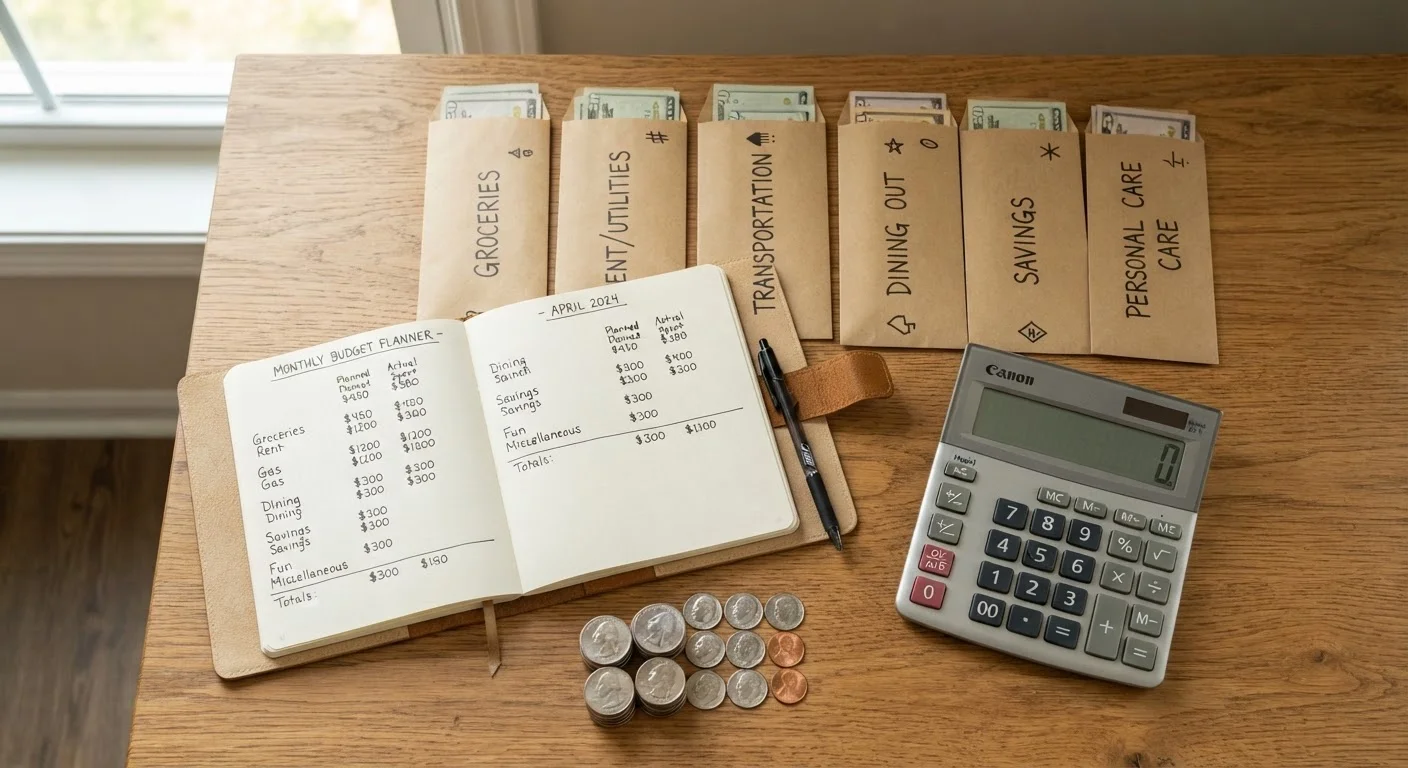
The mental image of logging every transaction by hand is outdated for most people. Many budgeters use simple category-based plans - allocating set amounts to housing, food, transport, and savings - and review totals once a week rather than tracking every transaction in real time. Building your first budget doesn't require complicated tools: a basic spreadsheet or even pen and paper is enough to start. The point is building awareness, not achieving accounting-level precision.
Myth
If I go over budget in one category, the whole budget is ruined for the month.
Fact
Overspending in one area is normal - the useful response is to adjust another category, not abandon the plan.
Treating a single overage as a failure is one of the fastest ways to quit budgeting. In practice, an unexpected car repair or a higher-than-usual grocery bill doesn't invalidate the rest of your financial plan - it just requires a small reallocation. Zero-based budgeting, for example, builds in this kind of real-time adjustment by design. Comparing zero-based budgeting to the 50/30/20 rule can help you choose a structure that handles imperfect months gracefully rather than rigidly.
Myth
I need a lot of money left over each month before budgeting is worth doing.
Fact
Budgeting is most valuable when money is tight - it helps you get the most from every dollar available.
This myth reverses the logic. When margins are thin, visibility into spending matters most. Knowing exactly where each dollar is going can help identify small leaks - subscriptions, impulse purchases, or higher-than-necessary grocery spending - that add up over time. Practical saving and debt management often starts not with earning more, but with redirecting what's already coming in. Even a modest surplus, consistently directed toward savings, compounds meaningfully over time.
What These Myths Have in Common
Nearly every budgeting myth shares the same underlying error: treating a budget as something done to you rather than something you build for yourself. A budget reflects your actual priorities - housing, food, family, the occasional splurge - not some idealized spending pattern handed down from a financial textbook.
~33%
Americans with a detailed household budget
Gallup polling has consistently found that fewer than one-third of U.S. adults maintain a detailed monthly budget, despite widespread awareness of the practice.
$1,000
Emergency savings threshold many households lack
Federal Reserve surveys on economic well-being have found a significant share of U.S. adults would struggle to cover an unexpected $1,000 expense from savings alone.
Irregular income, shared finances, and fluctuating expenses are real complications, but they don't make budgeting impossible - they make it more important. If you share expenses with a partner or housemate, approaches for shared finances can help you build a system that accounts for both people's needs without conflict.
Once the myths are out of the way, the next practical question is which method suits your life. Comparing popular budgeting approaches - from zero-based to pay-yourself-first - can help you land on a structure that actually sticks. And if a budget does stall after the first month, that's a pattern worth understanding: most budget breakdowns happen later, not on day one.
Don't Confuse a Perfect Budget With a Working One
Waiting until you have the right app, the right spreadsheet template, or a 'clean' financial month to start is itself a myth in action. An imperfect budget that you actually follow outperforms a perfect one that never gets built. Start with what you know today - income, major fixed expenses, and one or two savings targets - and refine from there.
This article is for general informational and educational purposes only and does not constitute personalized financial advice. Consider consulting a qualified financial professional for guidance tailored to your specific situation.